Perinatology Research Branch, Eunice Kennedy Shriver National Institute of Child Health and Human Development, National Institutes of Health, U.S. Department of Health and Human Services, Bethesda, MD, and Detroit, MI.
Department of Obstetrics and Gynecology, Wayne State University School of Medicine, Detroit, MI.
J Immunol. 2022 Apr 1;208(7):1595-1615. doi: 10.4049/jimmunol.2100439. Epub 2022 Mar 18.
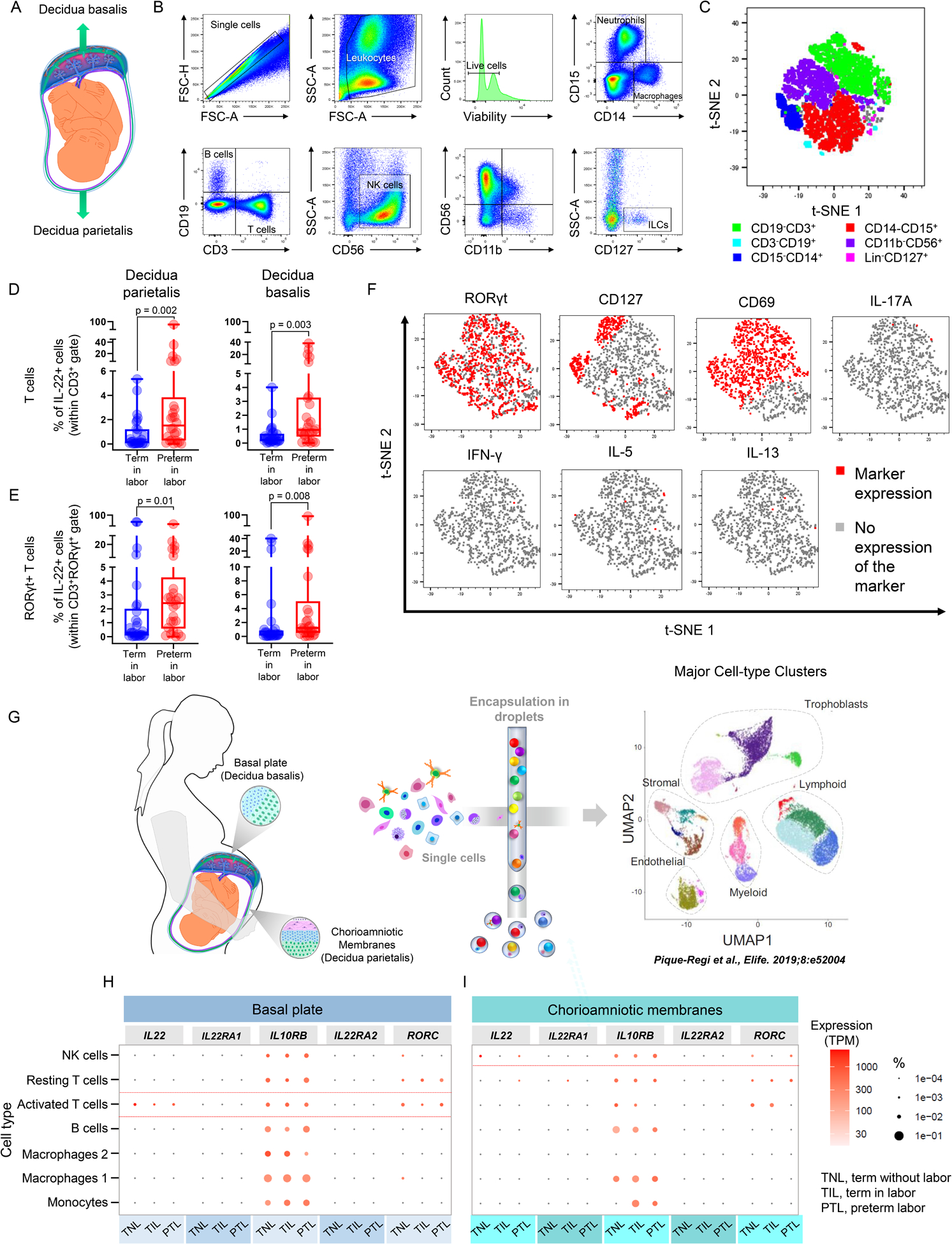
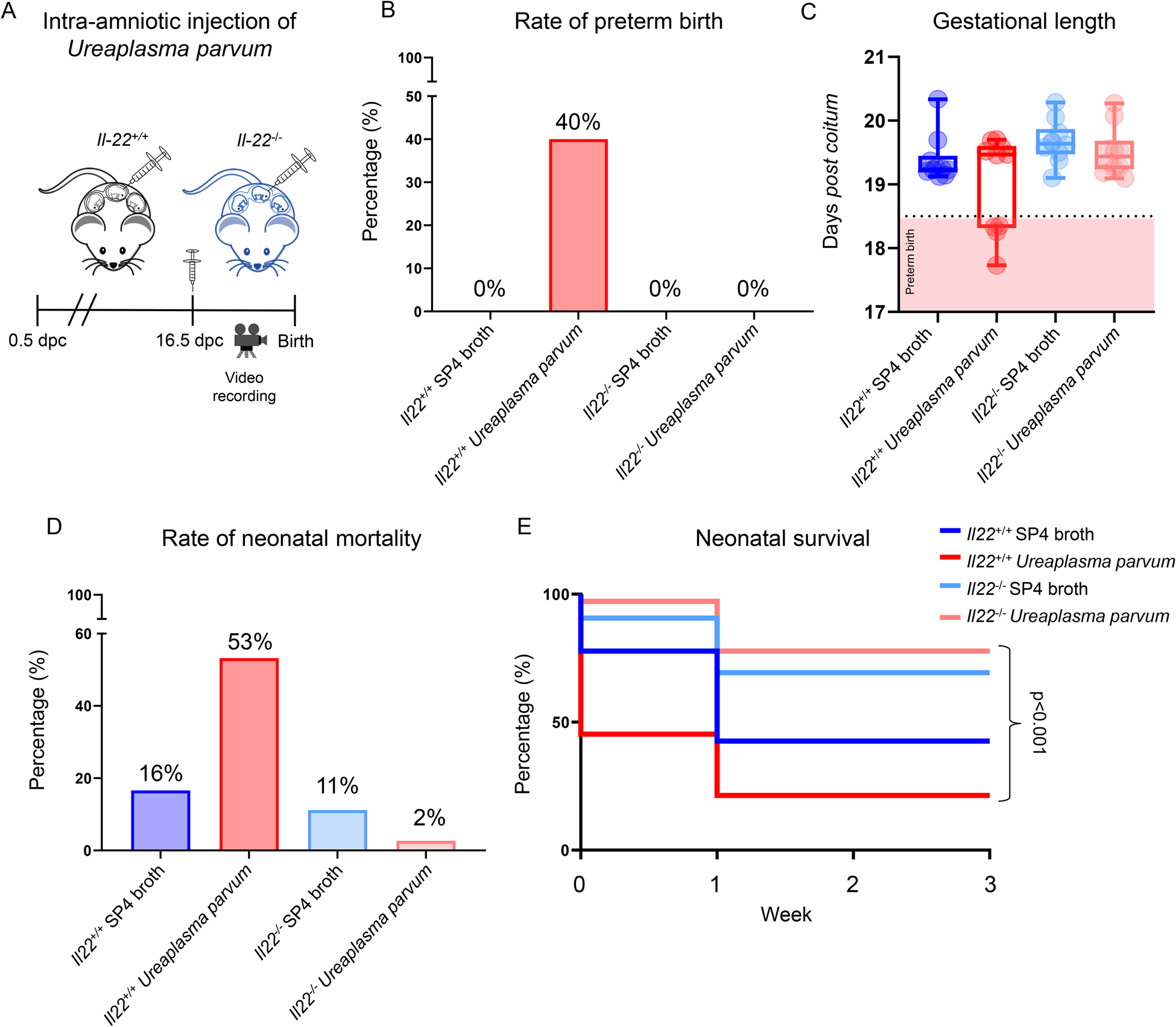
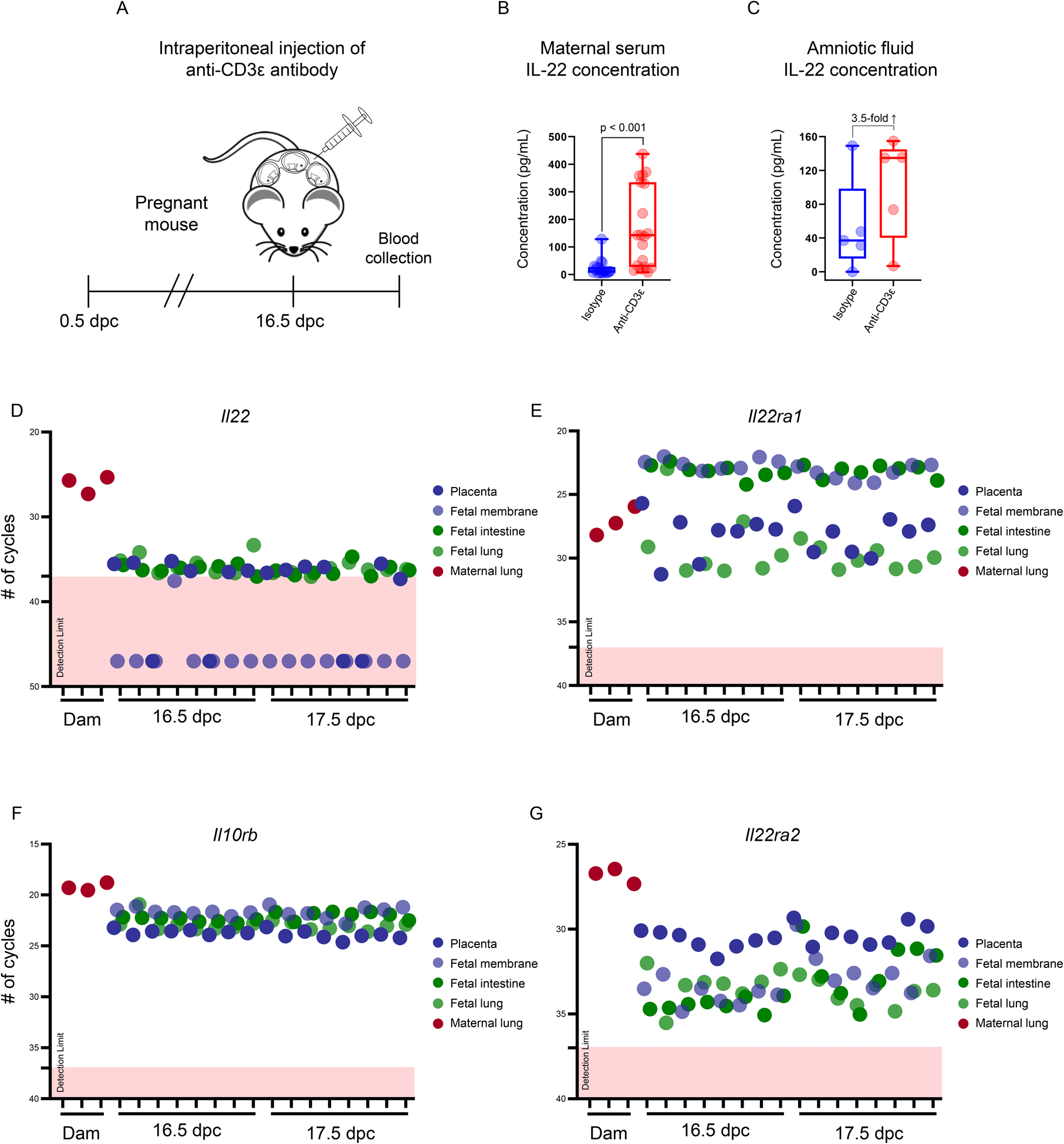
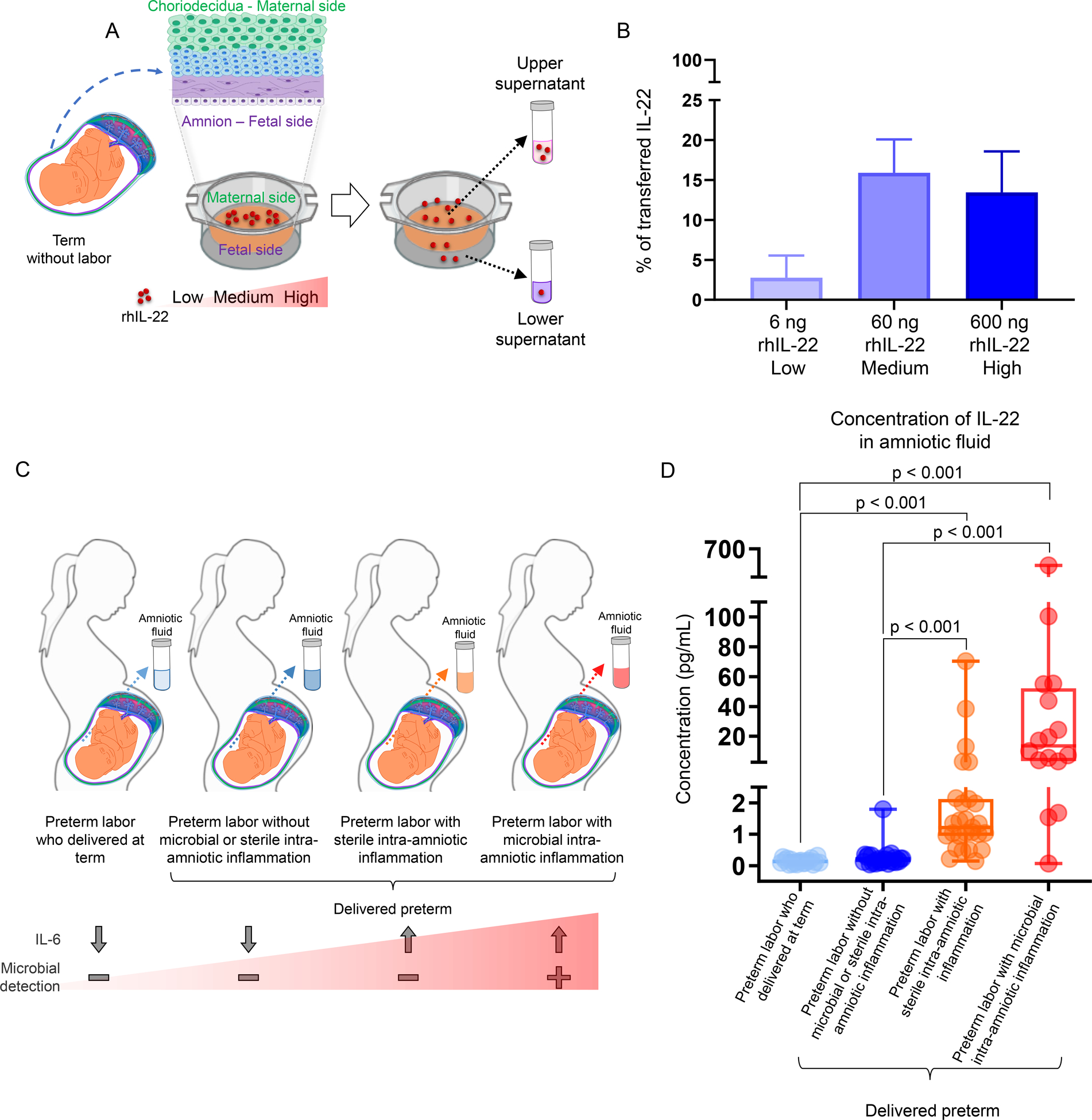
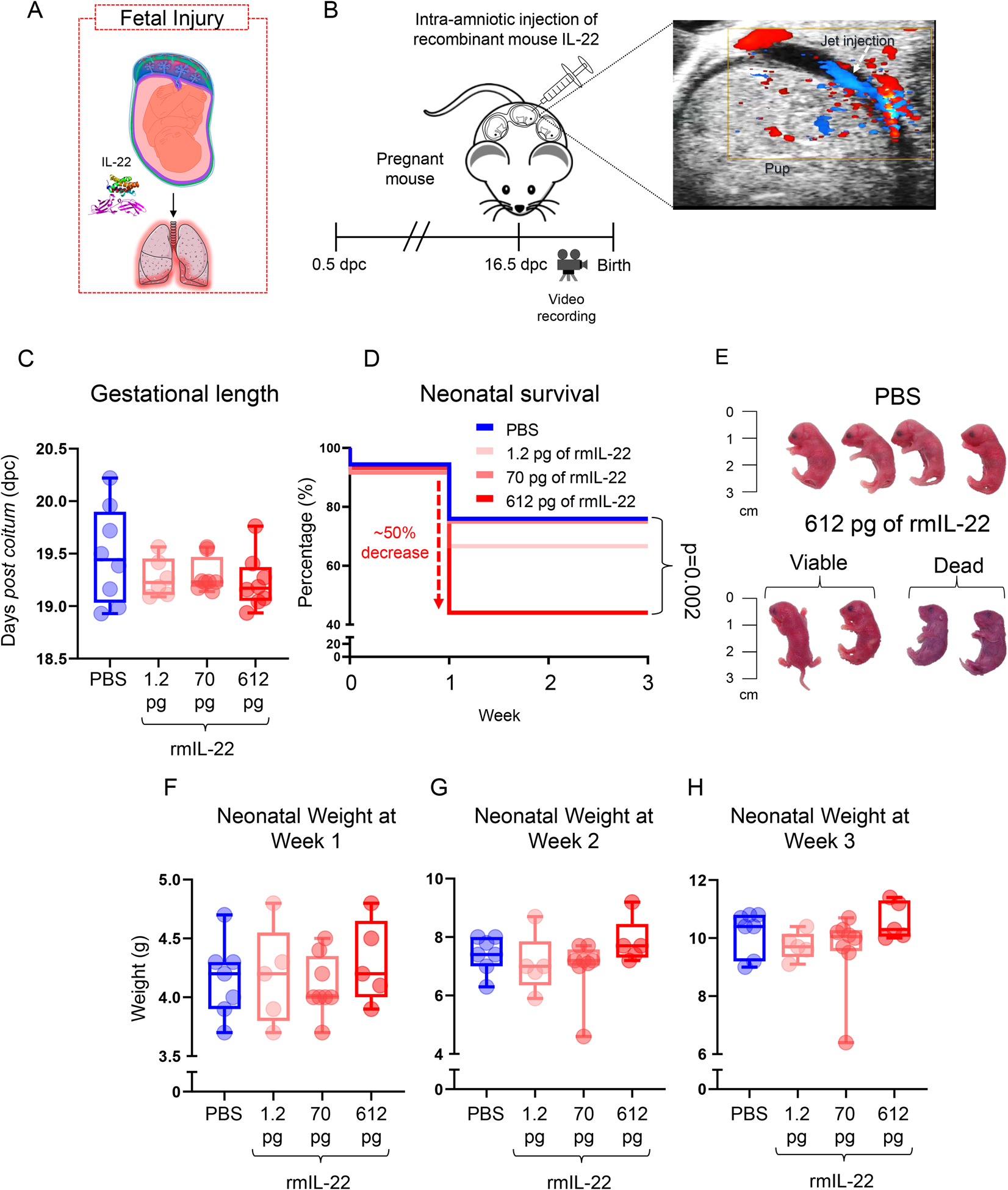
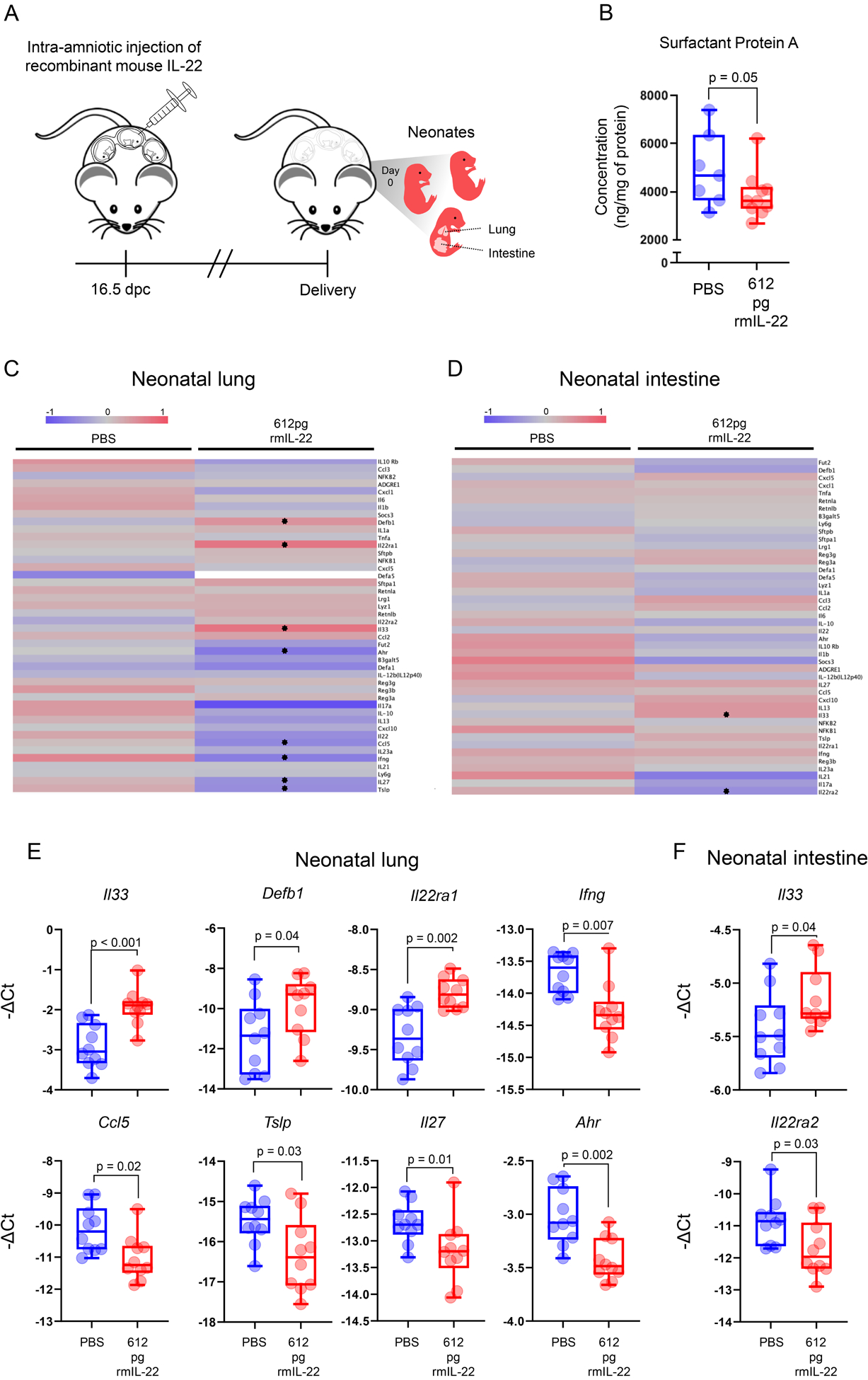
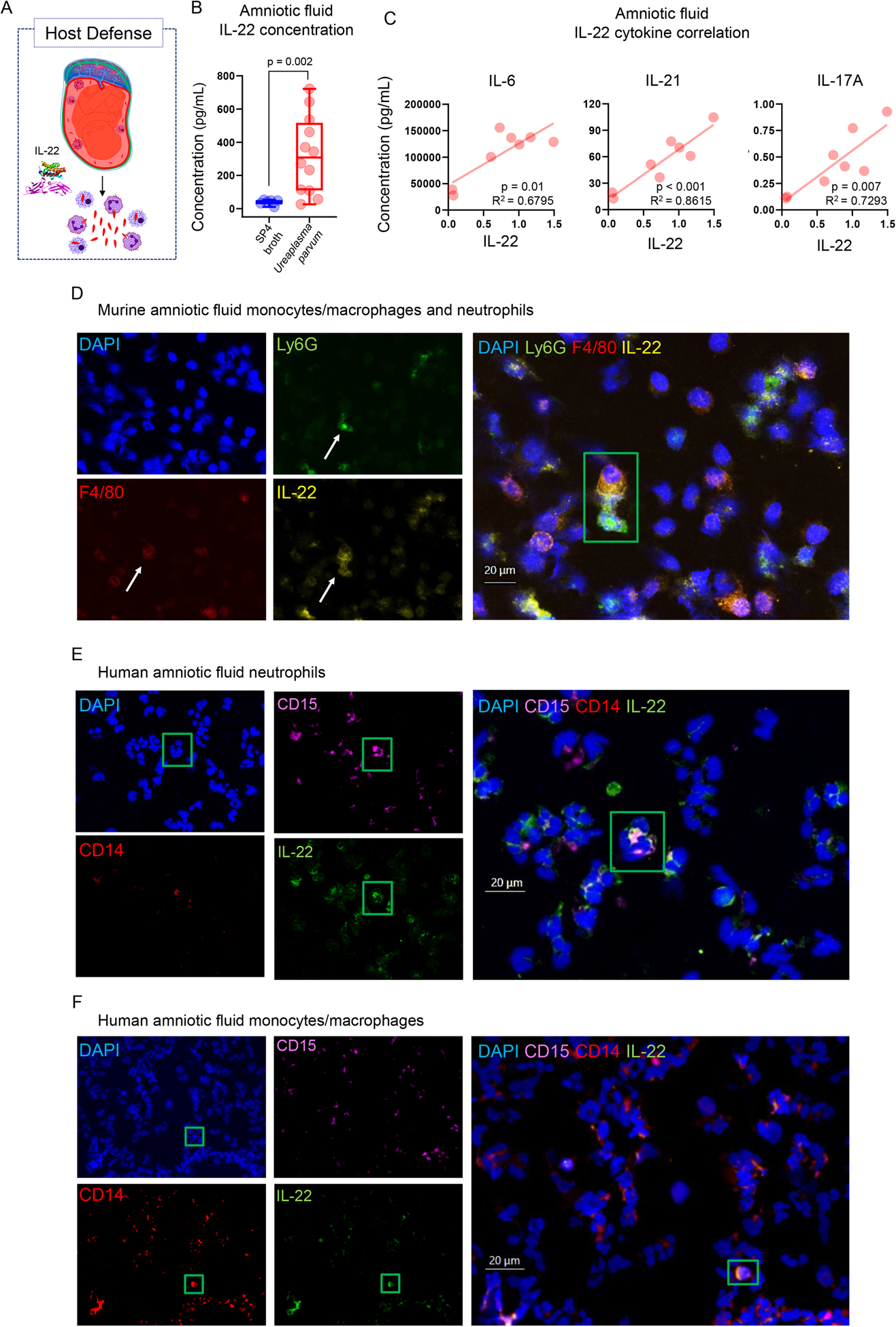
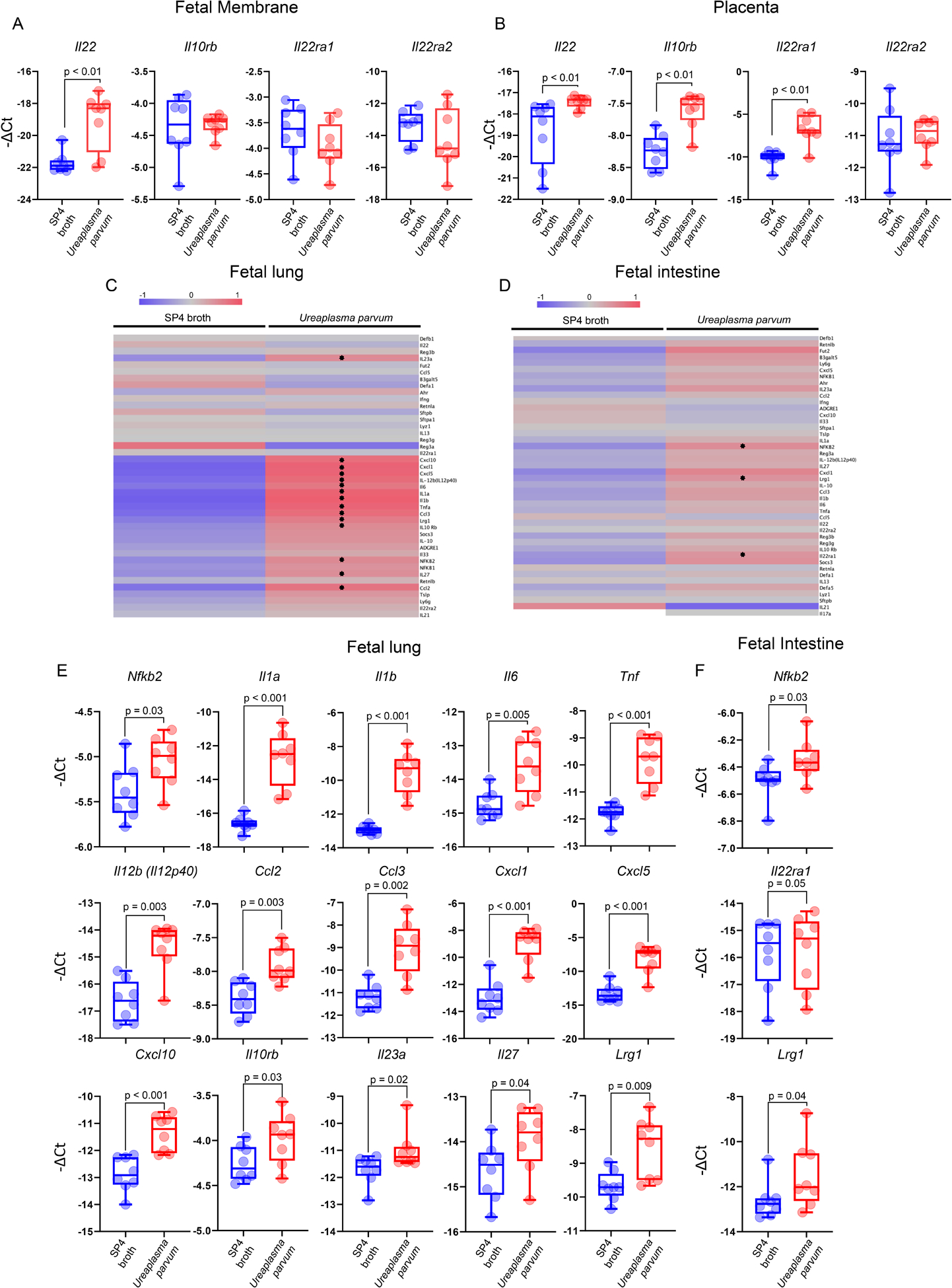
IL-22 is a multifaceted cytokine with both pro- and anti-inflammatory functions that is implicated in multiple pathologies. However, the role of IL-22 in maternal-fetal immunity in late gestation is poorly understood. In this study, we first showed that IL-22 T cells coexpressing retinoic acid-related orphan receptor γt (ROR-γt) are enriched at the human maternal-fetal interface of women with preterm labor and birth, which was confirmed by in silico analysis of single-cell RNA sequencing data. T cell activation leading to preterm birth in mice was preceded by a surge in IL-22 in the maternal circulation and amniotic cavity; however, systemic administration of IL-22 in mice did not induce adverse perinatal outcomes. Next, using an ex vivo human system, we showed that IL-22 can cross from the choriodecidua to the intra-amniotic space, where its receptors (, , and ) are highly expressed by murine gestational and fetal tissues in late pregnancy. Importantly, amniotic fluid concentrations of IL-22 were elevated in women with sterile or microbial intra-amniotic inflammation, suggesting a dual role for this cytokine. The intra-amniotic administration of IL-22 alone shortened gestation and caused neonatal death in mice, with the latter outcome involving lung maturation and inflammation. IL-22 plays a role in host response by participating in the intra-amniotic inflammatory milieu preceding -induced preterm birth in mice, which was rescued by the deficiency of IL-22. Collectively, these data show that IL-22 alone is capable of causing fetal injury leading to neonatal death and can participate in host defense against microbial invasion of the amniotic cavity leading to preterm labor and birth.
白细胞介素 22 (IL-22) 是一种具有促炎和抗炎双重功能的多功能细胞因子,与多种病理过程有关。然而,IL-22 在晚期妊娠母胎免疫中的作用尚不清楚。在这项研究中,我们首先表明,在早产和分娩的孕妇的人母胎界面中,共表达视黄酸相关孤儿受体 γt (ROR-γt) 的 IL-22 T 细胞丰富,这一结果通过对单细胞 RNA 测序数据的计算分析得到了证实。在小鼠中,导致早产的 T 细胞激活之前,母血循环和羊水中的 IL-22 会激增;然而,在小鼠中全身给予 IL-22 并不会引起不良的围产期结局。接下来,我们使用体外人源系统表明,IL-22 可以从绒毛蜕膜转移到羊膜腔,在妊娠晚期,其受体 (IL-22Rα、IL-10Rβ 和 IL-22Rγ) 在胎鼠的胎盘和胎儿组织中高度表达。重要的是,在无菌或微生物性羊膜腔内炎症的孕妇的羊水中,IL-22 的浓度升高,提示这种细胞因子具有双重作用。单独向羊膜腔内给予 IL-22 可缩短妊娠时间并导致小鼠新生儿死亡,后者的结局涉及肺成熟和炎症。IL-22 通过参与诱导小鼠早产的羊膜腔内炎症微环境发挥宿主反应作用,而这种作用可通过 IL-22 缺乏得到挽救。综上所述,这些数据表明,IL-22 本身能够引起胎儿损伤导致新生儿死亡,并能够参与宿主对羊膜腔微生物入侵的防御,导致早产和分娩。