Department of Neurosurgery, Duke University Hospital, 2301 Erwin Rd., Durham, NC 27710, United States.
UNC Neuroscience Center and the Department of Cell Biology and Physiology, University of North Carolina School of Medicine, Chapel Hill, NC, United States.
EBioMedicine. 2022 Apr;78:103931. doi: 10.1016/j.ebiom.2022.103931. Epub 2022 Mar 17.
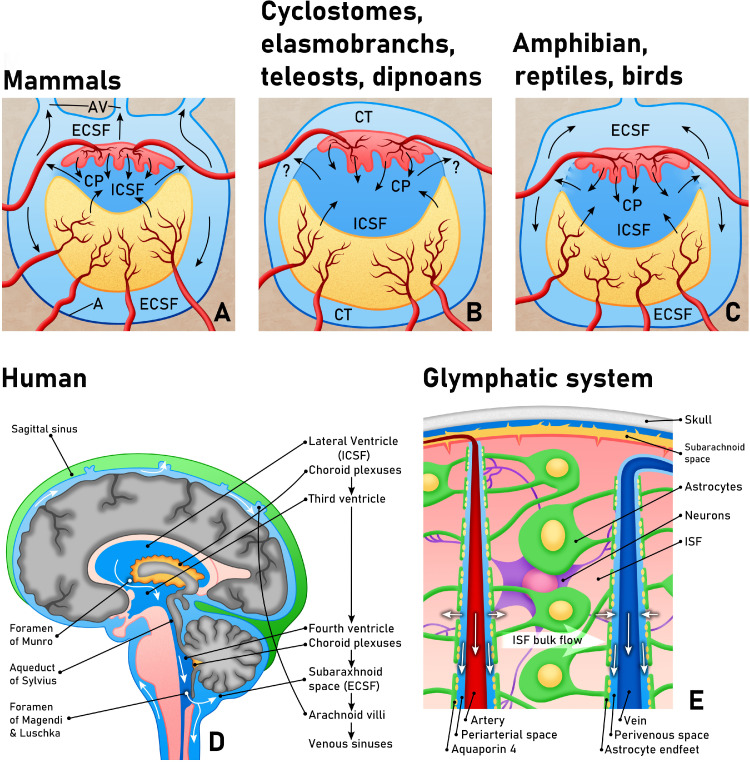
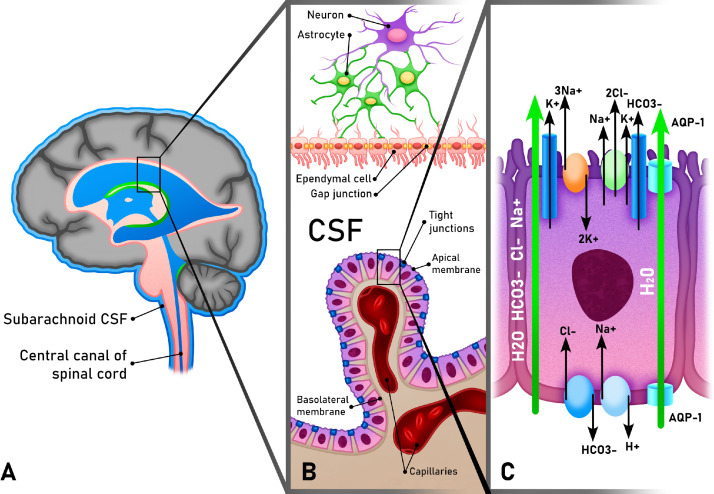
Congenital hydrocephalus occurs in one in 500-1000 babies born in the United States and acquired hydrocephalus may occur as the consequence of stroke, intraventricular and subarachnoid hemorrhage, traumatic brain injuries, brain tumors, craniectomy or may be idiopathic, as in the case of normal pressure hydrocephalus. Irrespective of its prevalence and significant impact on quality of life, neurosurgeons still rely on invasive cerebrospinal fluid shunt systems for the treatment of hydrocephalus that are exceptionally prone to failure and/or infection. Further understanding of this process at a molecular level, therefore, may have profound implications for improving treatment and quality of life for millions of individuals worldwide. The purpose of this article is to review the current research landscape on hydrocephalus with a focus on recent advances in our understanding of cerebrospinal fluid pathways from an evolutionary, genetics and molecular perspective.
先天性脑积水在美国出生的婴儿中每 500-1000 例中就会发生 1 例,获得性脑积水可能是中风、脑室和蛛网膜下腔出血、脑外伤、脑肿瘤、颅骨切开术的后果,也可能是特发性的,例如正常压力性脑积水。无论其发病率如何,以及对生活质量的重大影响,神经外科医生仍然依赖于侵入性的脑脊液分流系统来治疗脑积水,而这些系统极易发生故障和/或感染。因此,在分子水平上进一步了解这一过程,可能对改善全世界数百万人的治疗效果和生活质量产生深远的影响。本文的目的是综述脑积水的当前研究现状,重点是从进化、遗传学和分子角度对脑脊液通路的最新理解进展。