Department of Veterinary Integrative Biosciences, College of Veterinary Medicine and Biomedical Sciences, Texas A&M University, College Station, TX 77843, USA.
Department of Veterinary Integrative Biosciences, College of Veterinary Medicine and Biomedical Sciences, Texas A&M University, College Station, TX 77843, USA.
Reprod Toxicol. 2022 Apr;109:121-134. doi: 10.1016/j.reprotox.2022.03.007. Epub 2022 Mar 17.
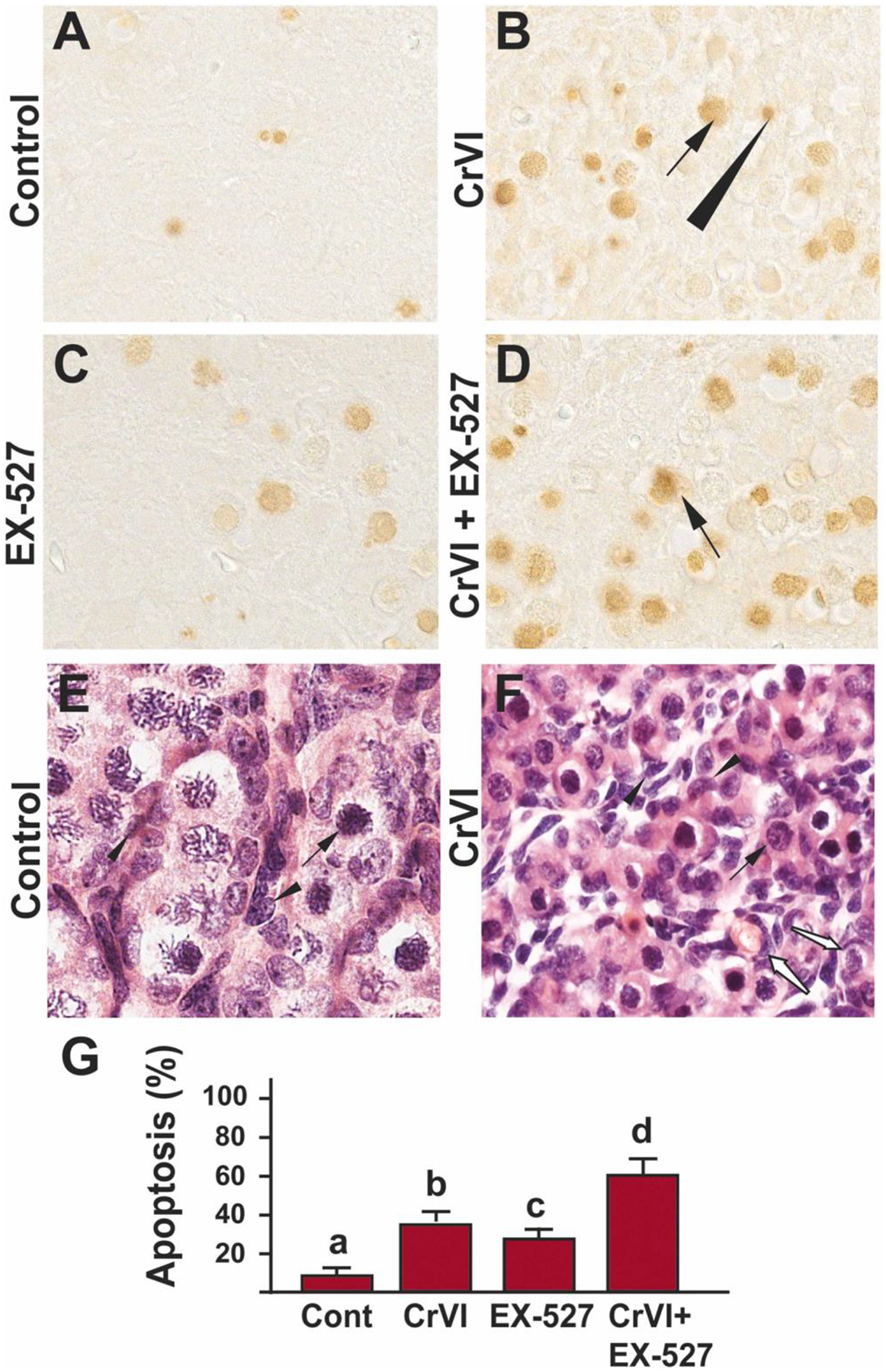
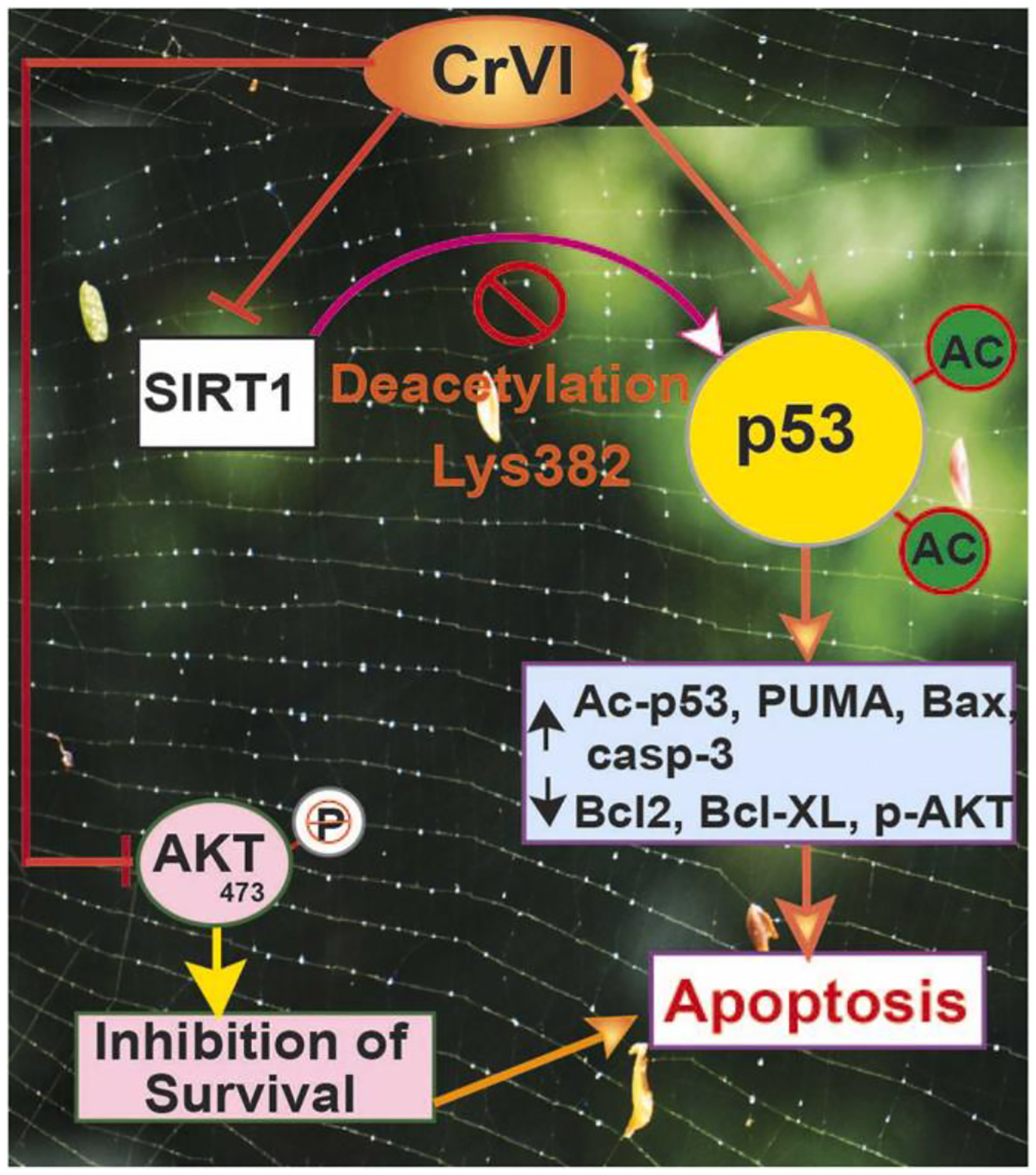
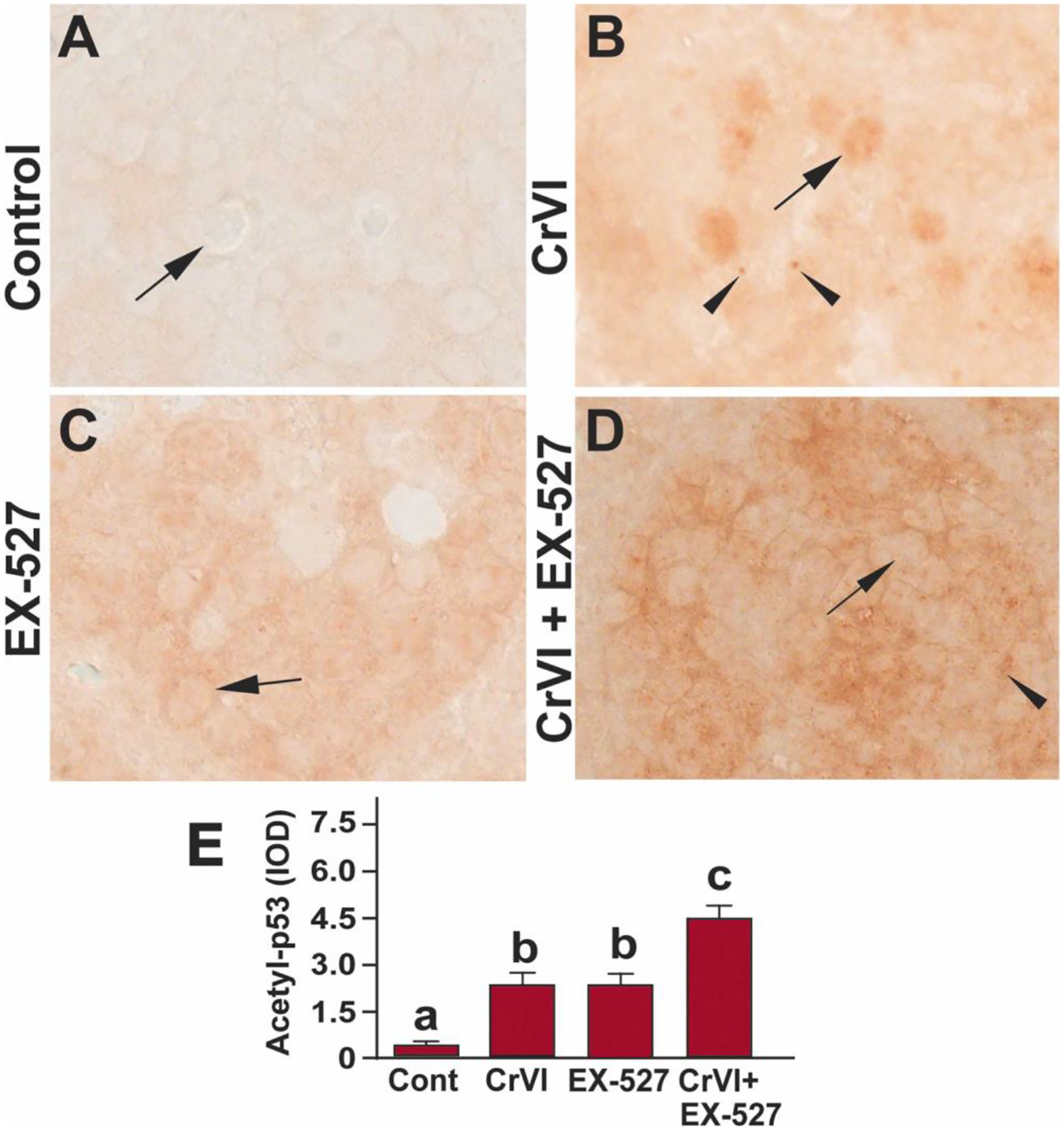
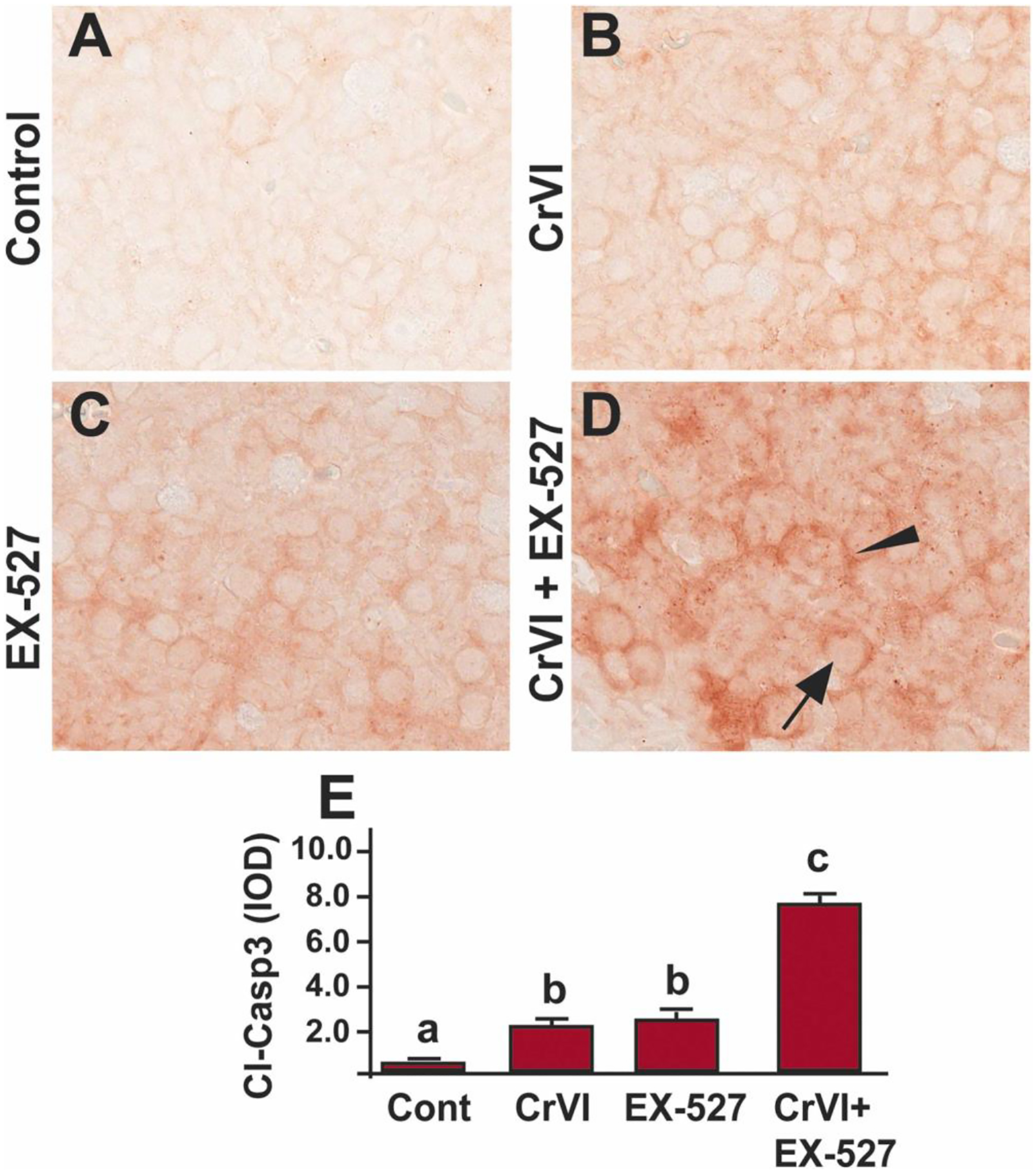
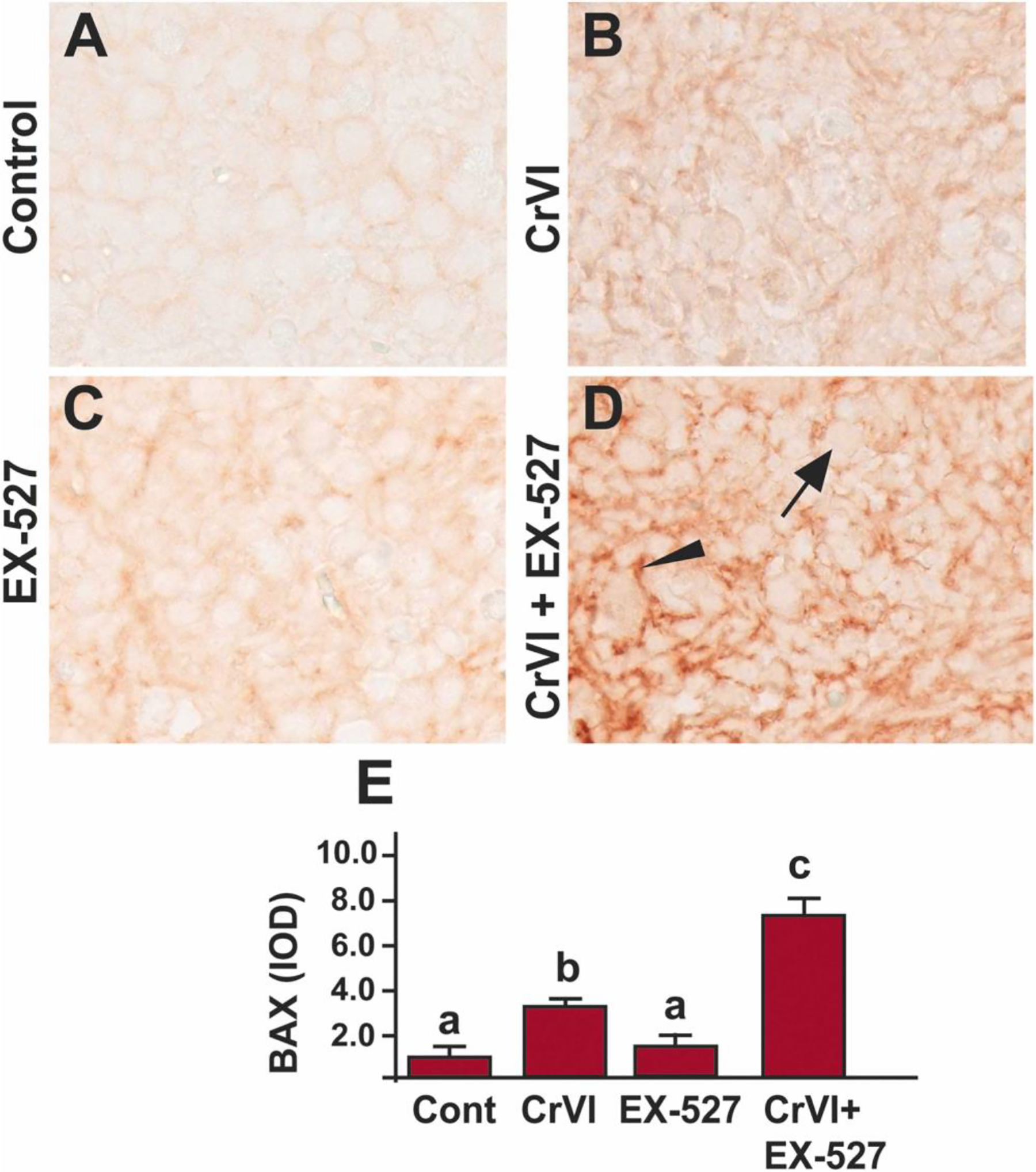
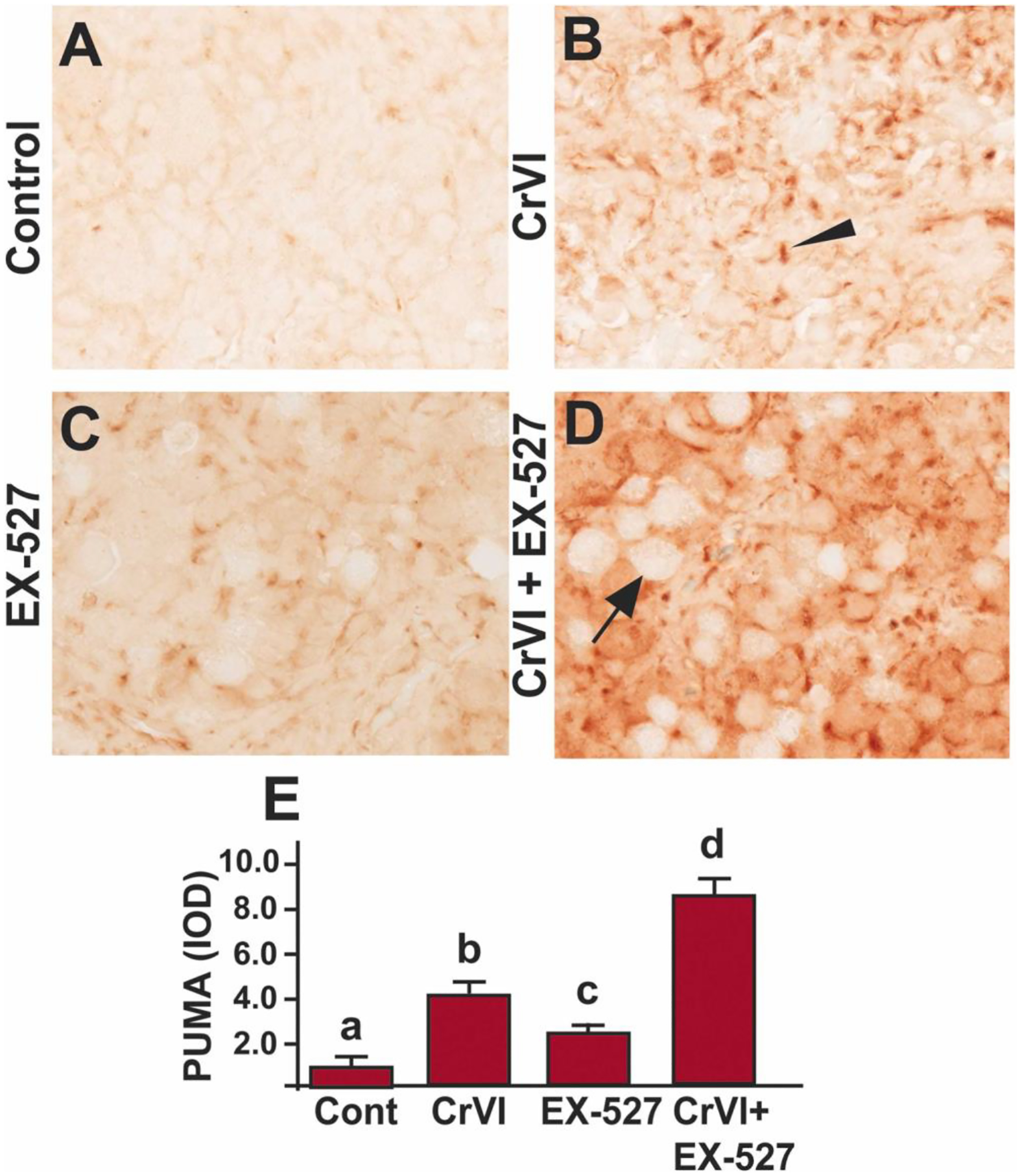
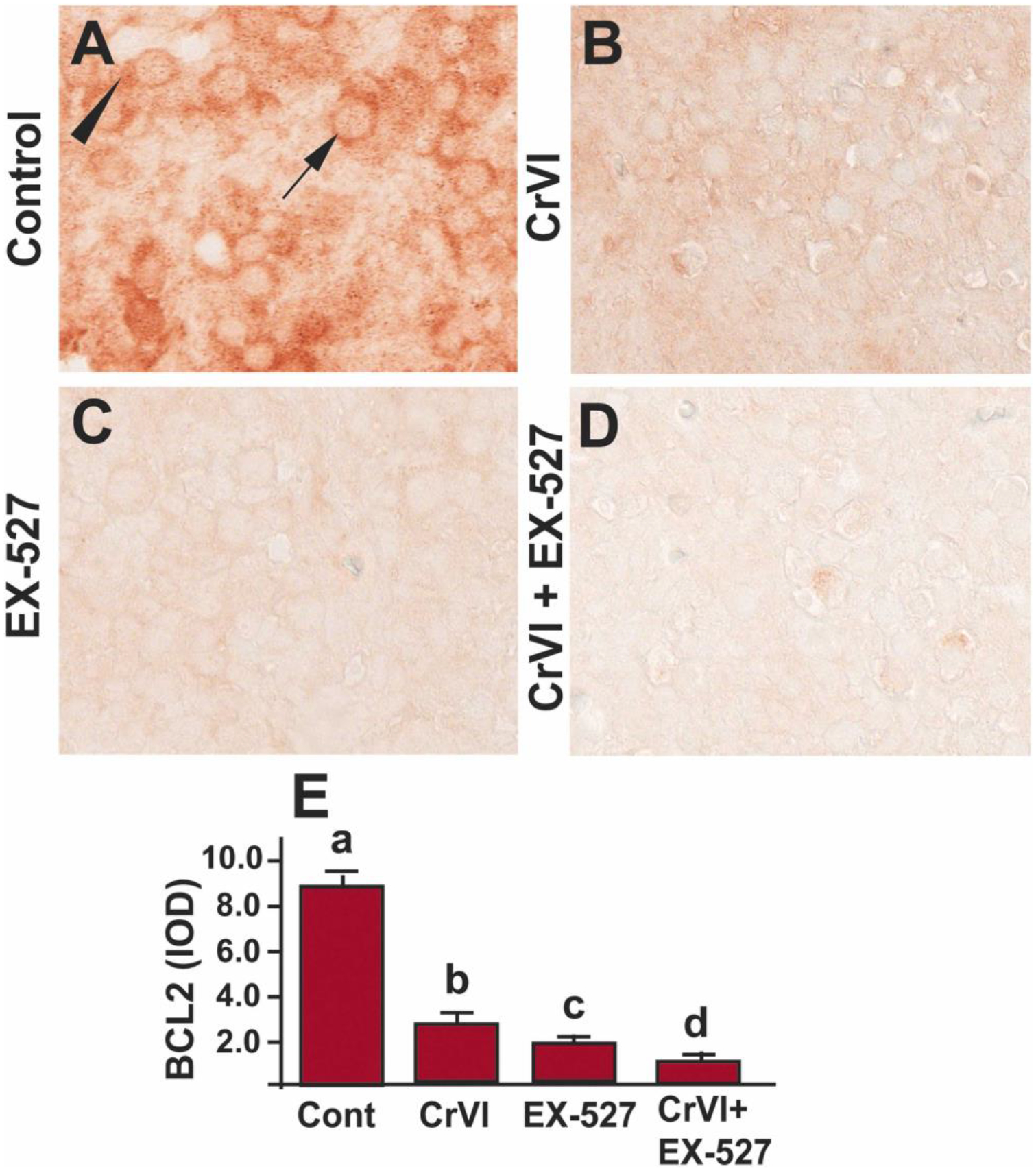
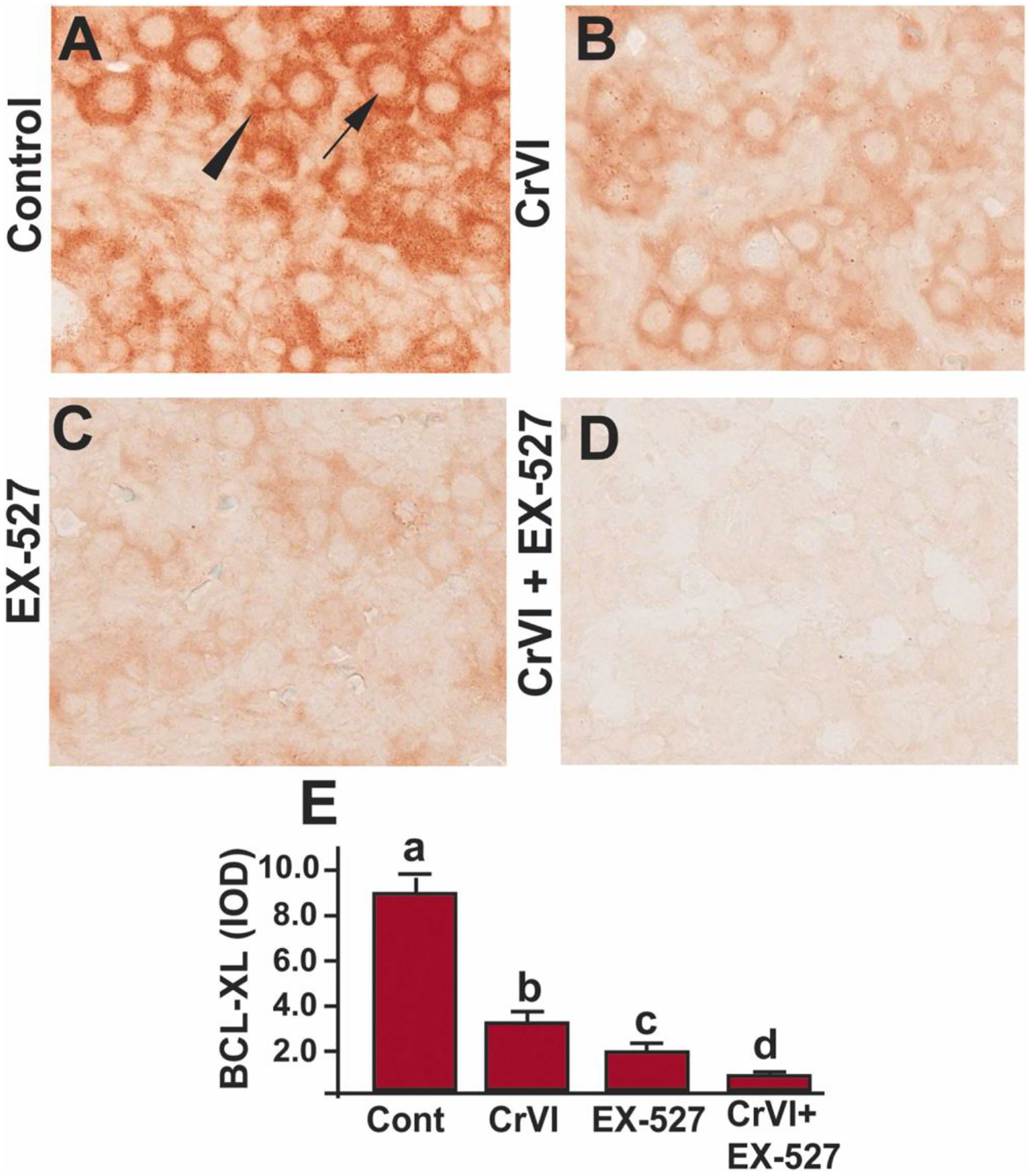
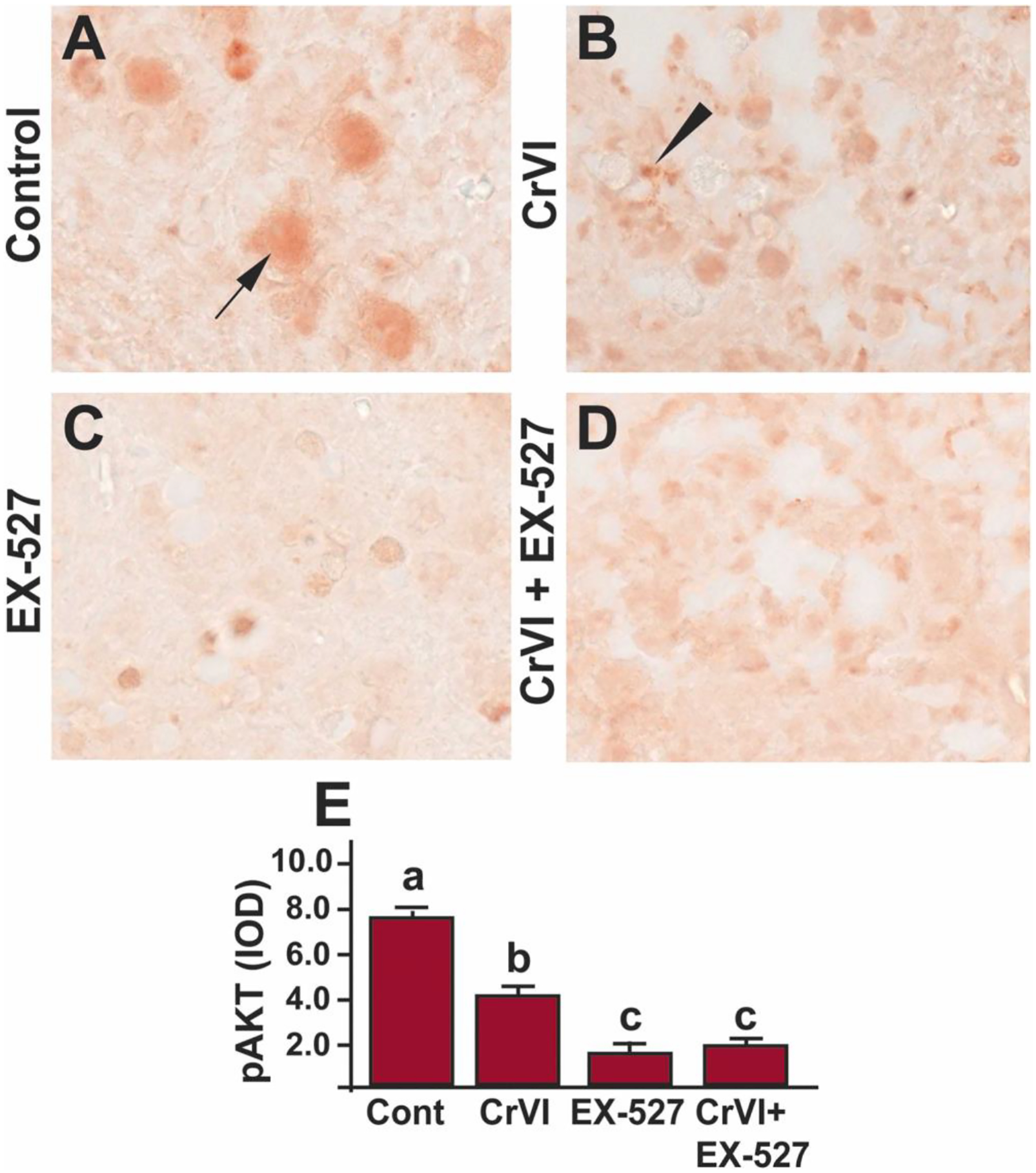
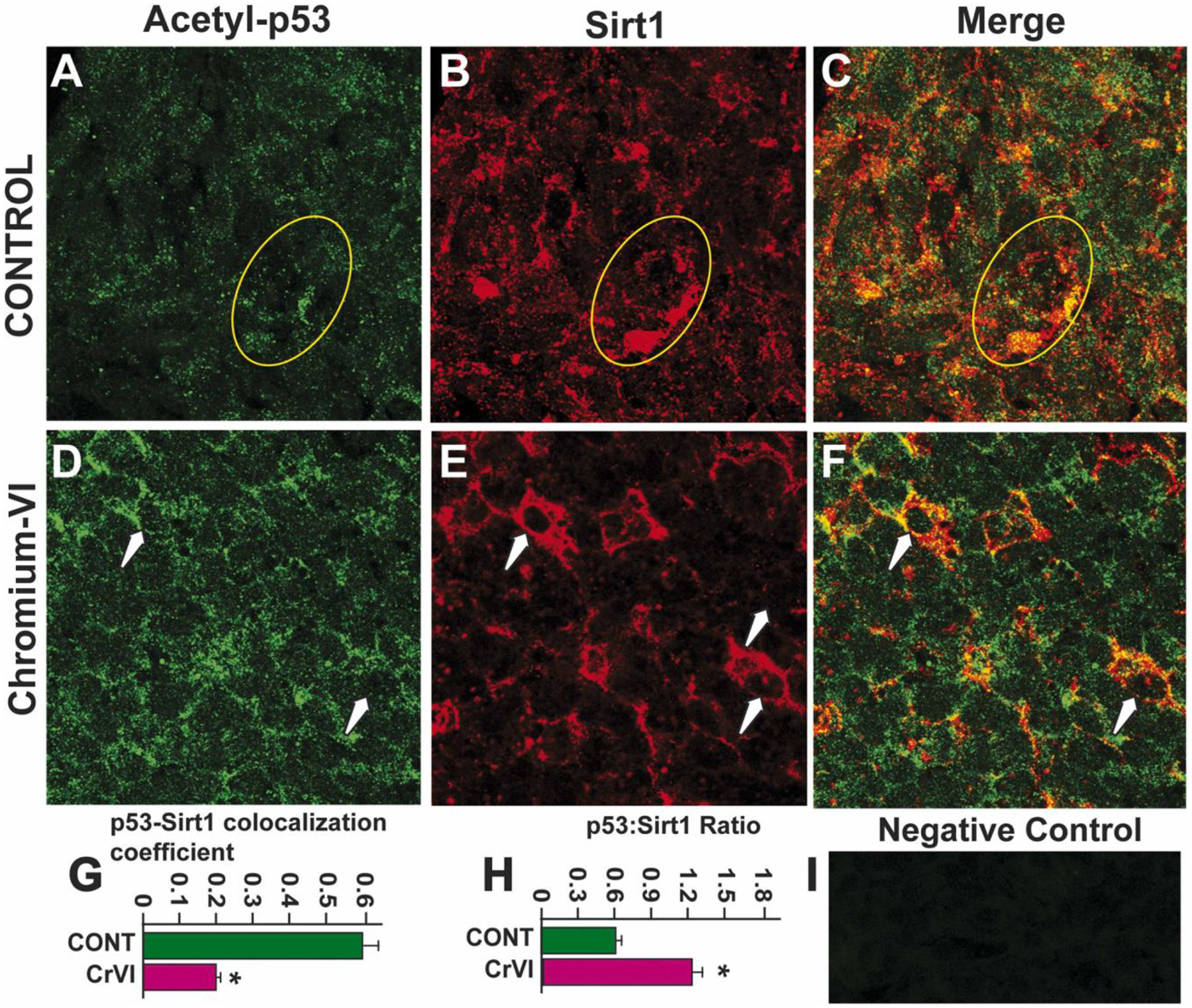
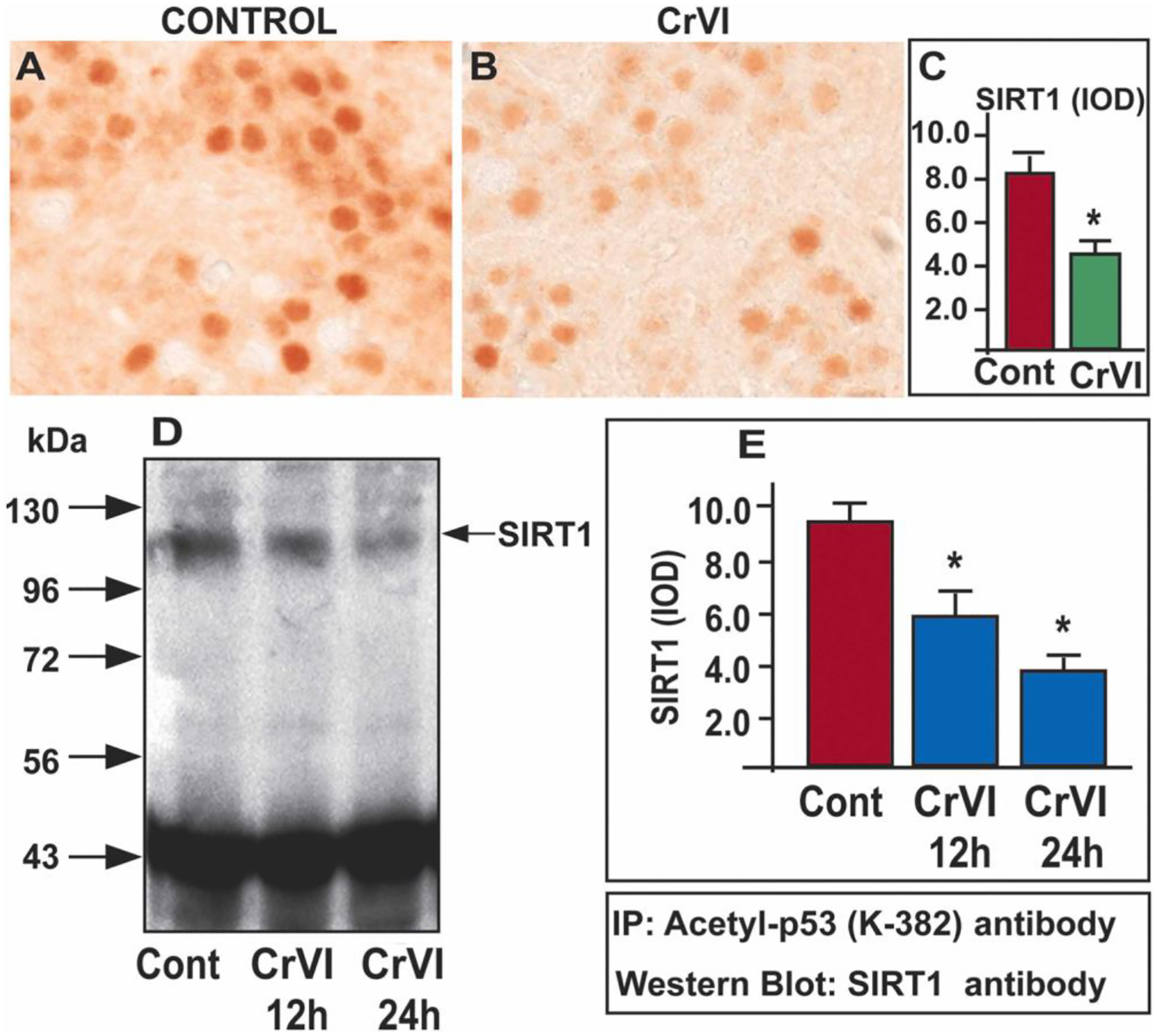
Environmental contamination with hexavalent chromium, Cr(VI), has been increasing in the United States as well as in developing countries. Exposure to Cr(VI) predisposes the human population to various diseases, including cancer, infertility, and developmental problems in children. Previous findings from our laboratory reported that prenatal exposure to Cr(VI) caused premature ovarian failure through p53-mediated mechanisms. Sirtuin 1 (SIRT1) is an NAD+ -dependent histone deacetylase class III. SIRT1 deacetylates several histones and non-histone proteins such as p53 and NFkB. The current study determines a role for the SIRT1-p53 network in apoptosis induced by Cr(VI) in the ovary and establishes physical interaction between SIRT1 and p53. Adult pregnant dams were given regular drinking water or Cr(VI) (10 ppm potassium dichromate in drinking water, ad libitum), and treated with SIRT1 inhibitor, EX-527 (50 mg/kg body weight, i.p.,), during 9.5 - 14.5 days post-coitum. On postnatal day-1, ovaries from F1 offspring were collected for various analyses. Results indicated that Cr(VI) increased germ cell and somatic cell apoptosis, upregulated acetyl-p53, activated the apoptotic pathway, and inhibited cell survival pathways. Cr(VI) decreased acetyl-p53-SIRT1 co-localization in the ovary. In an immortalized rat granulosa cell line SIGC, Cr(VI) inhibited the physical interaction between SIRT1 and acetyl-p53 by altering the p53:SIRT1 ratio. EX-527 exacerbated Cr(VI)-induced mechanisms. The current study shows a novel mechanism for Cr(VI)-induced apoptosis in the ovary, mediated through the p53-SIRT1 network, suggesting that targeting the p53 pathway may be an ideal approach to rescue ovaries from Cr(VI)-induced apoptosis.
环境中六价铬(Cr(VI))的污染在美国和发展中国家都在增加。人类暴露于 Cr(VI)会导致各种疾病,包括癌症、不孕和儿童发育问题。我们实验室之前的研究结果表明,产前暴露于 Cr(VI)通过 p53 介导的机制导致卵巢早衰。Sirtuin 1(SIRT1)是一种 NAD+依赖的组蛋白去乙酰化酶 III。SIRT1 去乙酰化多种组蛋白和非组蛋白蛋白,如 p53 和 NFkB。本研究确定了 SIRT1-p53 网络在 Cr(VI)诱导卵巢细胞凋亡中的作用,并建立了 SIRT1 和 p53 之间的物理相互作用。成年妊娠母鼠给予常规饮用水或 Cr(VI)(饮用水中 10ppm 重铬酸钾,随意饮用),并在受精后 9.5-14.5 天给予 SIRT1 抑制剂 EX-527(50mg/kg 体重,腹腔注射)。在产后第 1 天,从 F1 后代的卵巢中收集各种分析物。结果表明,Cr(VI)增加了生殖细胞和体细胞凋亡,上调了乙酰化 p53,激活了凋亡途径,并抑制了细胞存活途径。Cr(VI)减少了卵巢中乙酰化 p53-SIRT1 的共定位。在一个永生化的大鼠颗粒细胞系 SIGC 中,Cr(VI)通过改变 p53:SIRT1 比值来抑制 SIRT1 和乙酰化 p53 之间的物理相互作用。EX-527 加剧了 Cr(VI)诱导的机制。本研究显示了 Cr(VI)诱导卵巢细胞凋亡的新机制,该机制通过 p53-SIRT1 网络介导,提示靶向 p53 途径可能是从 Cr(VI)诱导的凋亡中拯救卵巢的理想方法。