Assarzadegan Naziheh, Babaniamansour Sepideh, Shi Jiaqi
Department of Pathology, University of Michigan, Ann Arbor, MI, United States.
Front Physiol. 2022 Mar 4;13:856803. doi: 10.3389/fphys.2022.856803. eCollection 2022.
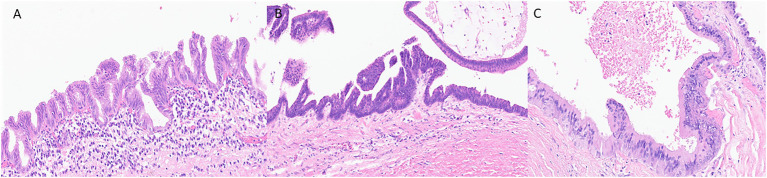
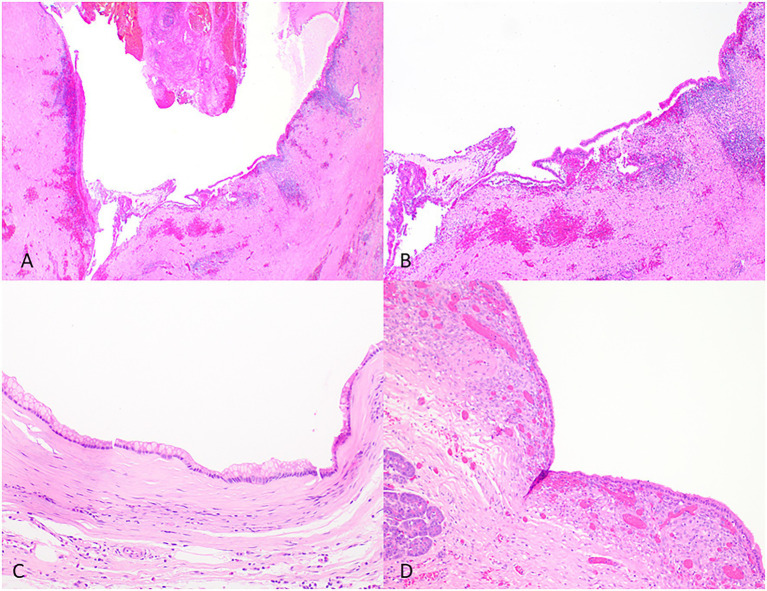
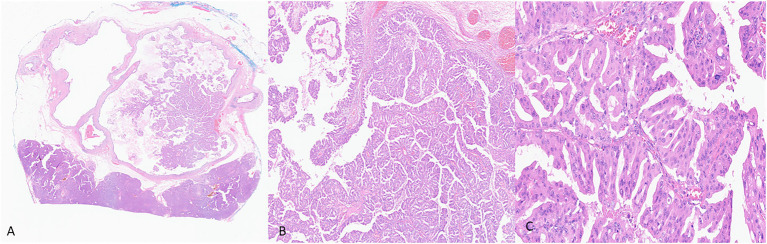
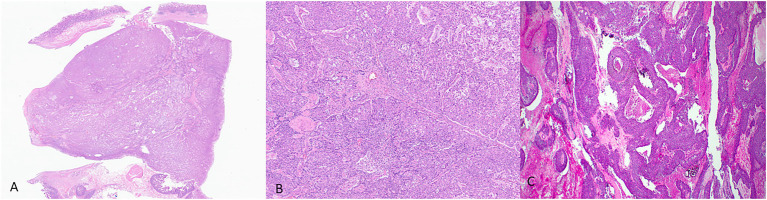
Pancreatic ductal adenocarcinoma (PDAC) is one of the deadliest types of cancer worldwide. There are many reasons for this dismal prognosis, including the advanced stage at the time of diagnosis and the lack of effective therapeutic approaches. Intraductal papillary mucinous neoplasms (IPMNs) represent detectable and treatable precursor lesions of PDAC. Our understanding of the pathology of IPMNs has evolved over the past few decades, and new advances in diagnostic tools have emerged. The new World Health Organization (WHO) classification scheme now recognizes the previously considered variants of IPMNs, such as intraductal oncocytic papillary neoplasms (IOPNs) and intraductal tubulopapillary neoplasms (ITPNs), as distinct neoplasms. New imaging and molecular diagnostic tests are being developed to recognize these PDAC precursor lesions better. Here, we review the advances in diagnostic tools for IPMNs, IOPNs, and ITPNs, emphasizing the new (5th edition, 2019) WHO classification for pathological diagnosis, molecular markers, new laboratory tests, and imaging tools.
胰腺导管腺癌(PDAC)是全球最致命的癌症类型之一。造成这种预后不良的原因有很多,包括诊断时已处于晚期以及缺乏有效的治疗方法。导管内乳头状黏液性肿瘤(IPMN)是PDAC可检测和可治疗的前驱病变。在过去几十年里,我们对IPMN病理学的认识不断发展,诊断工具也有了新进展。世界卫生组织(WHO)新的分类方案现在将以前认为的IPMN变体,如导管内嗜酸性乳头状肿瘤(IOPN)和导管内管状乳头状肿瘤(ITPN),确认为不同的肿瘤。正在开发新的成像和分子诊断测试,以更好地识别这些PDAC前驱病变。在此,我们回顾IPMN、IOPN和ITPN诊断工具的进展,重点介绍用于病理诊断的WHO新(第5版,2019年)分类、分子标志物、新的实验室检测和成像工具。