Núñez F Paulina, Quera Rodrigo, Rubin David T
Universidad de los Andes, Digestive Disease Center, Inflammatory Bowel Disease Program, Clinica, Santiago 7620157, RM, Chile.
Medicine Inflammatory Bowel Disease Center, University of Chicago, Chicago, IL 60637, United States.
World J Gastrointest Endosc. 2022 Feb 16;14(2):85-95. doi: 10.4253/wjge.v14.i2.85.
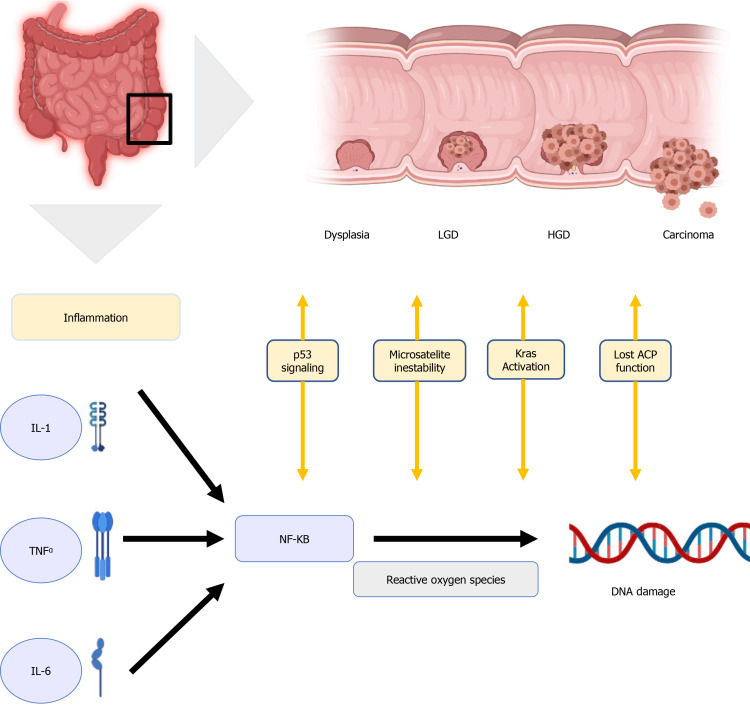
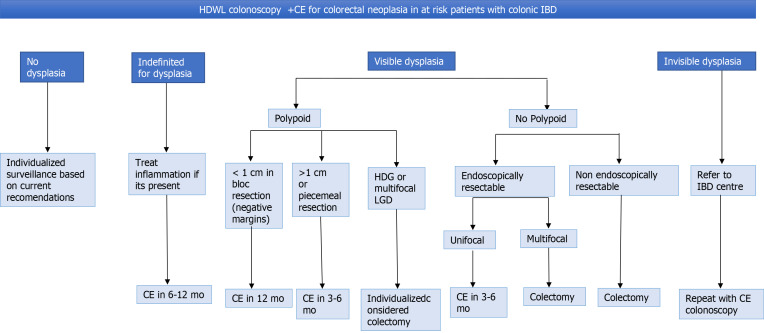
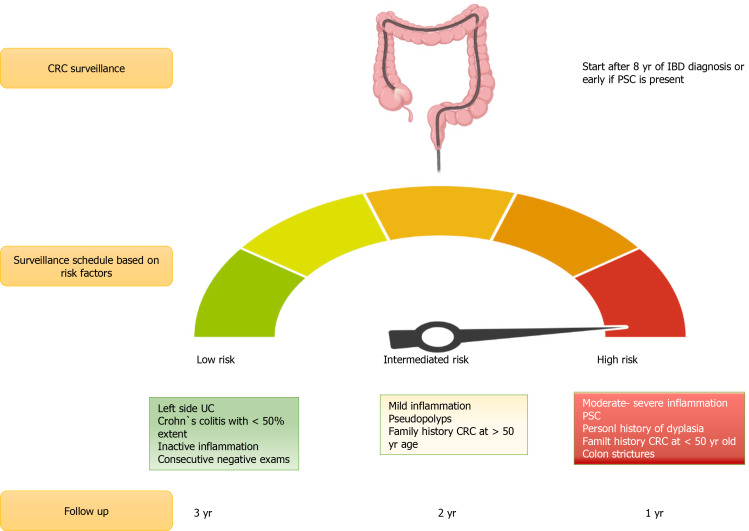
Inflammatory bowel disease (IBD), encompassing Crohn's disease and ulcerative colitis, is a chronic immune-mediated inflammatory disease that primarily affects the gastrointestinal tract and is characterized by periods of activity and remission. The inflammatory activity of the disease involving the colon and rectum increases the risk of colorectal cancer (CRC) over the years. Although prevention strategies are evolving, regular surveillance for early detection of neoplasia as a secondary prevention strategy is paramount in the care of IBD patients. In this review article, we discuss the current evidence of the risks of developing CRC and evaluate the best available strategies for screening and surveillance, as well as future opportunities for cancer prevention.
炎症性肠病(IBD),包括克罗恩病和溃疡性结肠炎,是一种慢性免疫介导的炎症性疾病,主要影响胃肠道,其特征为病情有活动期和缓解期。多年来,累及结肠和直肠的该疾病炎症活动会增加患结直肠癌(CRC)的风险。尽管预防策略不断发展,但作为二级预防策略,定期监测以早期发现肿瘤在炎症性肠病患者的护理中至关重要。在这篇综述文章中,我们讨论了目前关于患结直肠癌风险的证据,并评估了现有的最佳筛查和监测策略,以及癌症预防的未来机遇。