Department of Otorhinolaryngology, Head and Neck Surgery, Medical University of Innsbruck, Anichstr. 35, 6020, Innsbruck, Tyrol, Austria.
Department of Radiology, Medical University of Innsbruck, Anichstr. 35, 6020, Innsbruck, Tyrol, Austria.
Sci Rep. 2022 Mar 22;12(1):4884. doi: 10.1038/s41598-022-08988-2.
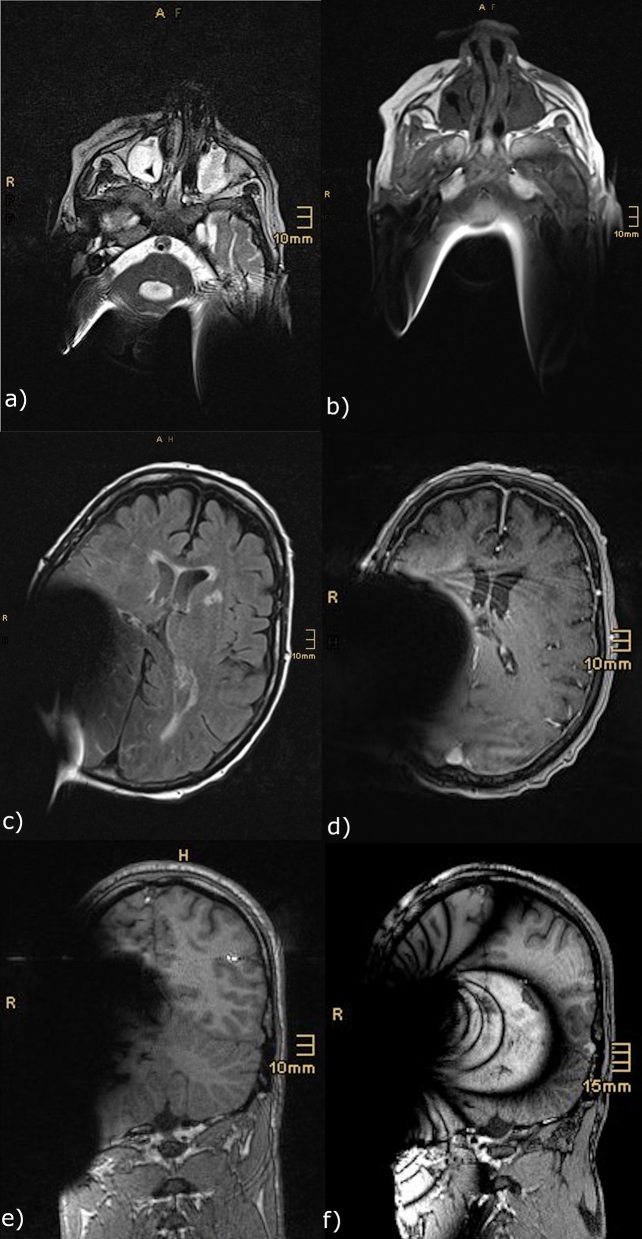
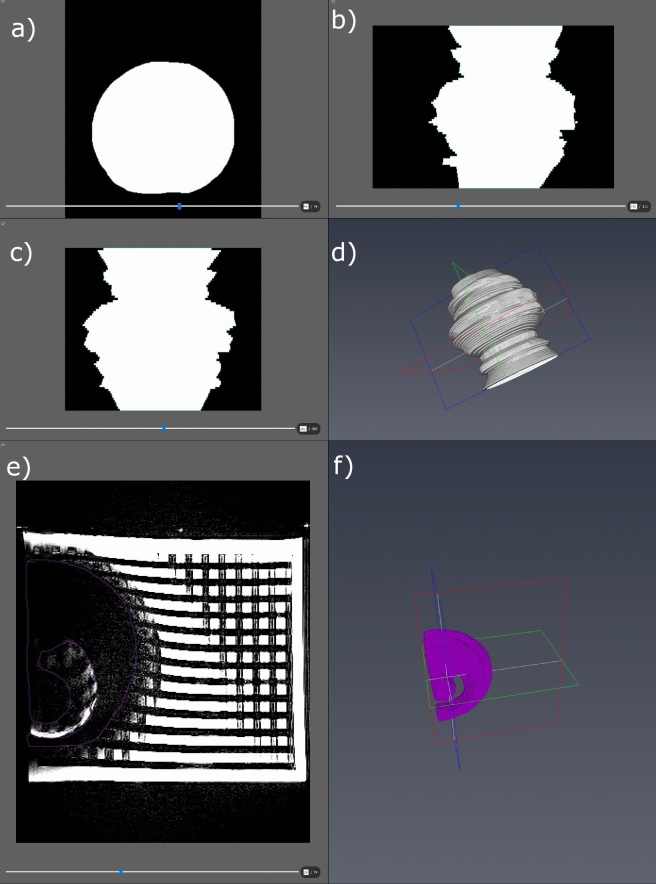
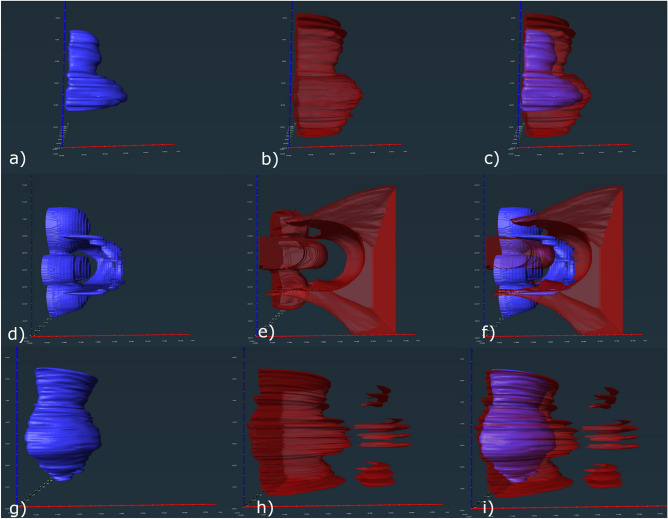
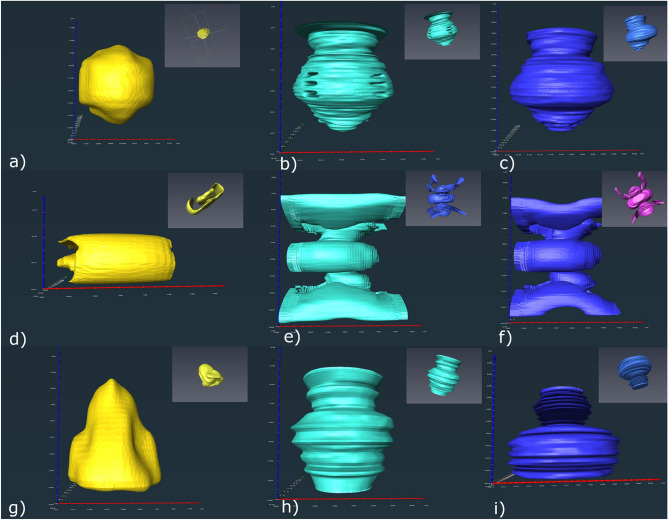
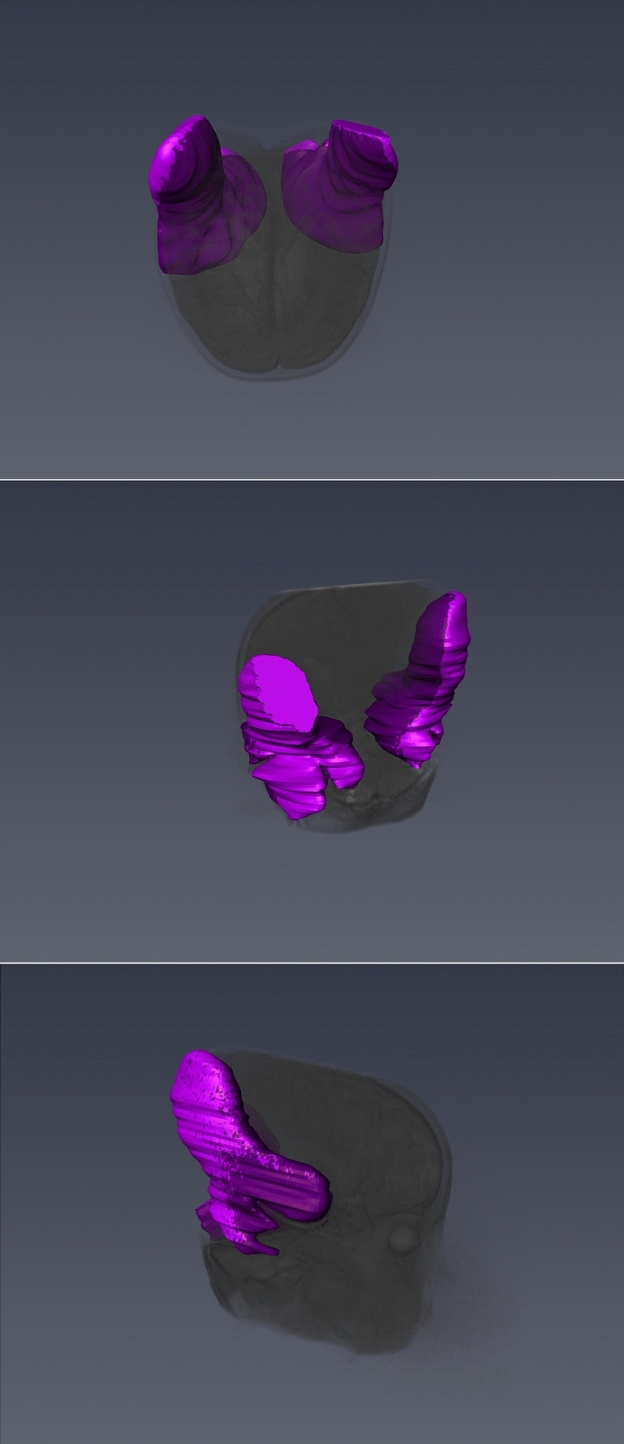
Cochlear implantation is a standard treatment option due to expanding indications. Cranial magnetic resonance imaging (cMRI) has become a widespread diagnostic tool. Therefore, an increased number of cochlear implant (CI) users are undergoing cMRI scans. This study aimed to investigate the issue of the CI magnet impacting MRI quality and artifacts. 1.5 T and 3 T MRI scans with 4 defined sequences (T2-TSE, T2-TIRM, T1-3D-MPRAGE, and TDI) were performed on a phantom with a CI (SYNCHRONY System by MED-EL Austria) in place. The resulting MRI artifacts were retrospectively compared to MRI artifacts observed in patients with a CI. All images were transferred to AMIRA and visualized by manual segmentation. Usable image quality was achieved in three sequences (T2-TSE, T2-TIRM and T1-mprage). Observed artifacts differed in shape and size depending on the sequence. Maximum diameters of signal void areas ranged from 58 × 108 × 98 mm to 127 × 123 × 153 mm. Image distortions were larger. MRI artifacts caused by the SYNCHRONY system are asymmetric with varying shape, depending on the sequence. The phantom artefacts are similar to those in CI users. Considering the observed asymmetry, the hypothesis of varying implantation locations resulting in varying positions of the signal void area needs to be further investigated.
人工耳蜗植入术是一种标准的治疗选择,因为适应证在不断扩大。颅磁共振成像(cMRI)已成为一种广泛使用的诊断工具。因此,越来越多的人工耳蜗植入(CI)使用者接受 cMRI 扫描。本研究旨在探讨 CI 磁铁对 MRI 质量和伪影的影响问题。在一个带有 CI(由 MED-EL 奥地利公司生产的 SYNCHRONY 系统)的体模上进行了 1.5T 和 3T 的 MRI 扫描,共 4 个定义序列(T2-TSE、T2-TIRM、T1-3D-MPRAGE 和 TDI)。将得到的 MRI 伪影与 CI 患者的 MRI 伪影进行回顾性比较。所有图像都被转移到 AMIRA 并通过手动分割进行可视化。在三个序列(T2-TSE、T2-TIRM 和 T1-MPRAGE)中获得了可用的图像质量。观察到的伪影的形状和大小因序列而异。信号缺失区域的最大直径范围从 58×108×98mm 到 127×123×153mm。图像失真更大。SYNCHRONY 系统引起的 MRI 伪影不对称,形状各异,取决于序列。体模伪影与 CI 用户的相似。考虑到观察到的不对称性,需要进一步研究不同植入位置导致信号缺失区域位置不同的假设。