Rogdakis Thanasis, Charou Despoina, Latorrata Alessia, Papadimitriou Eleni, Tsengenes Alexandros, Athanasiou Christina, Papadopoulou Marianna, Chalikiopoulou Constantina, Katsila Theodora, Ramos Isbaal, Prousis Kyriakos C, Wade Rebecca C, Sidiropoulou Kyriaki, Calogeropoulou Theodora, Gravanis Achille, Charalampopoulos Ioannis
Department of Pharmacology, Medical School, University of Crete, 71003 Heraklion, Greece.
Foundation for Research & Technology-Hellas (IMBB-FORTH), Institute of Molecular Biology & Biotechnology, 70013 Heraklion, Greece.
Biomedicines. 2022 Mar 6;10(3):614. doi: 10.3390/biomedicines10030614.
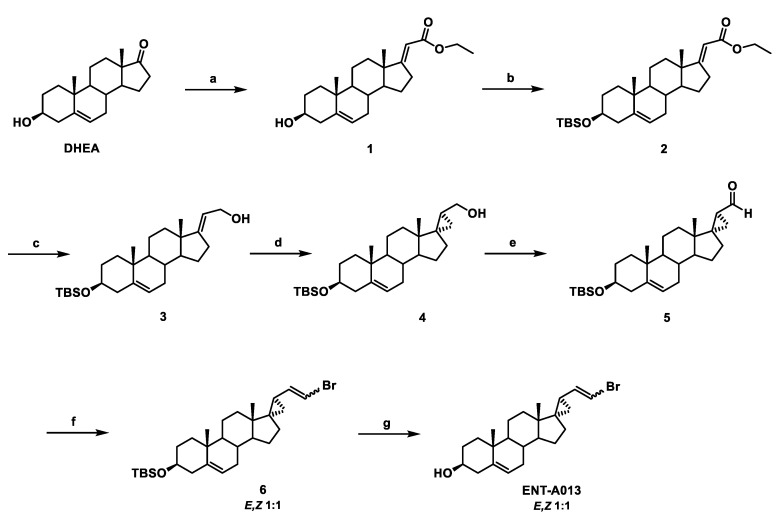
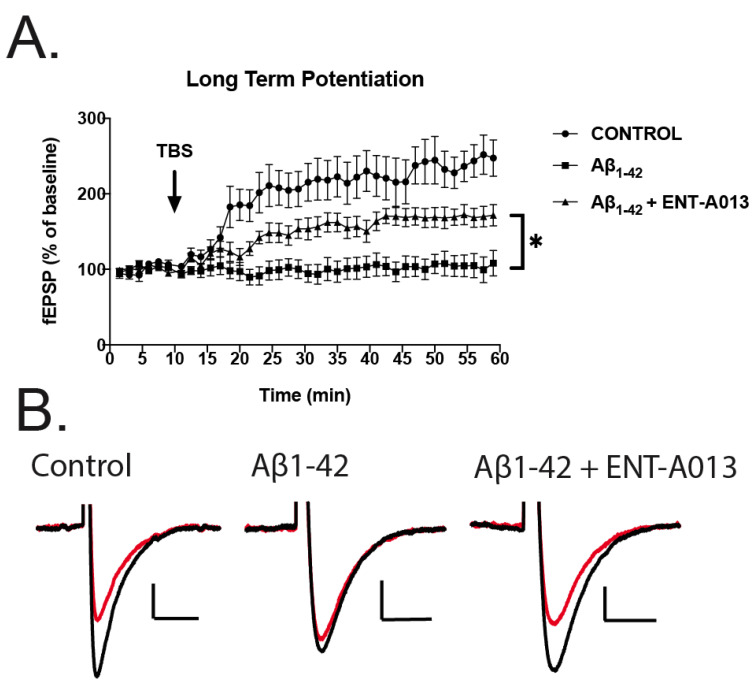
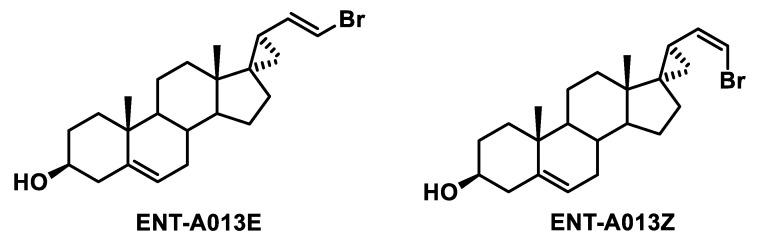
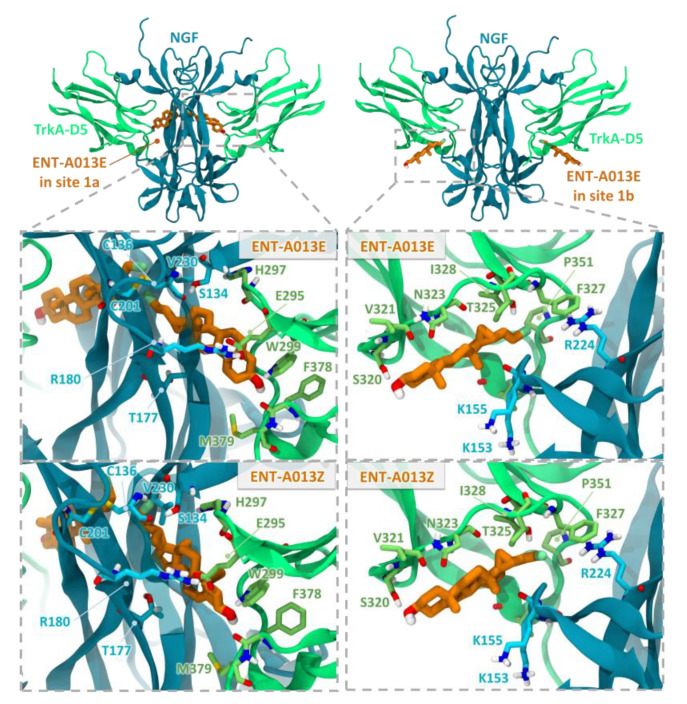
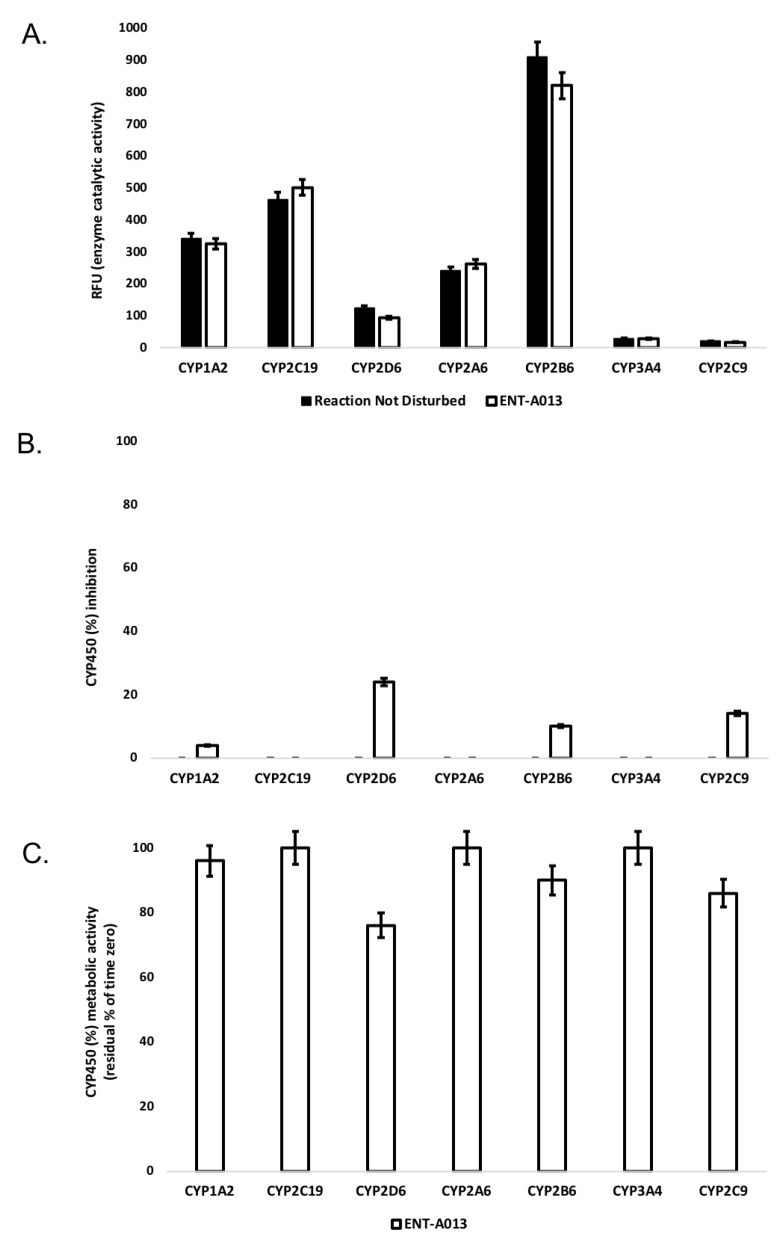
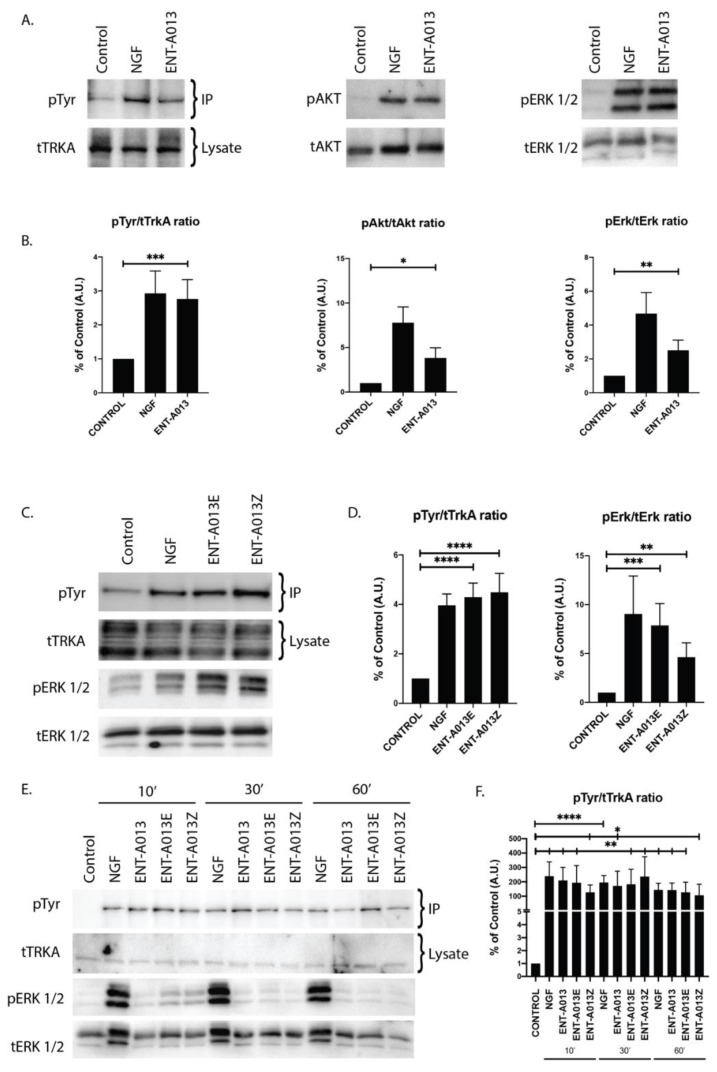
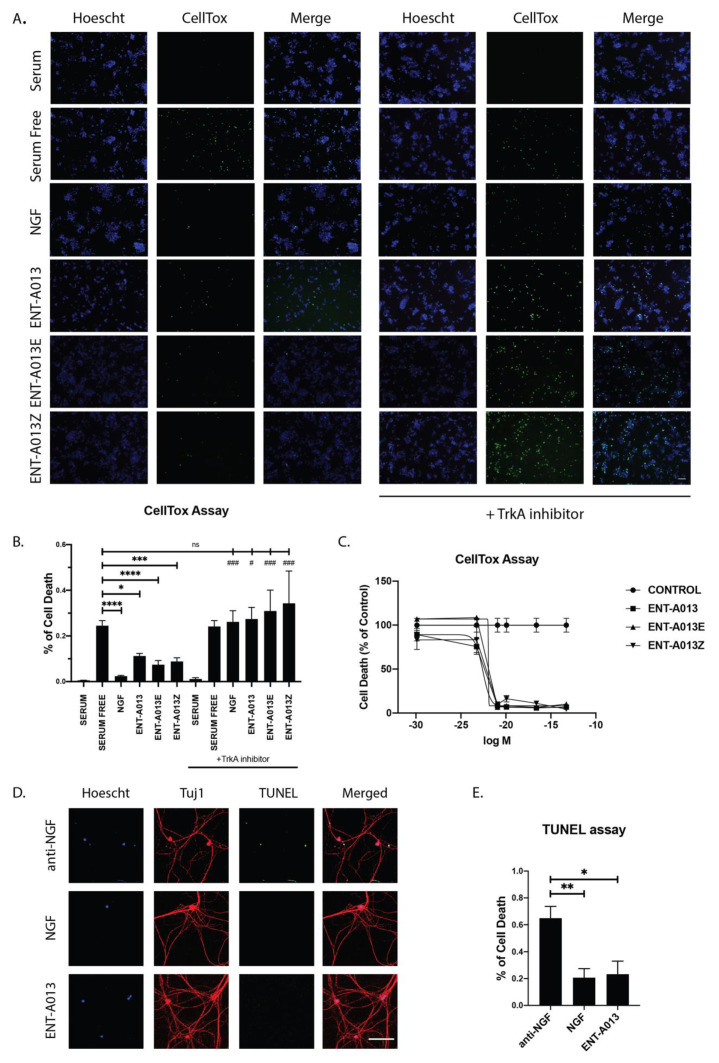
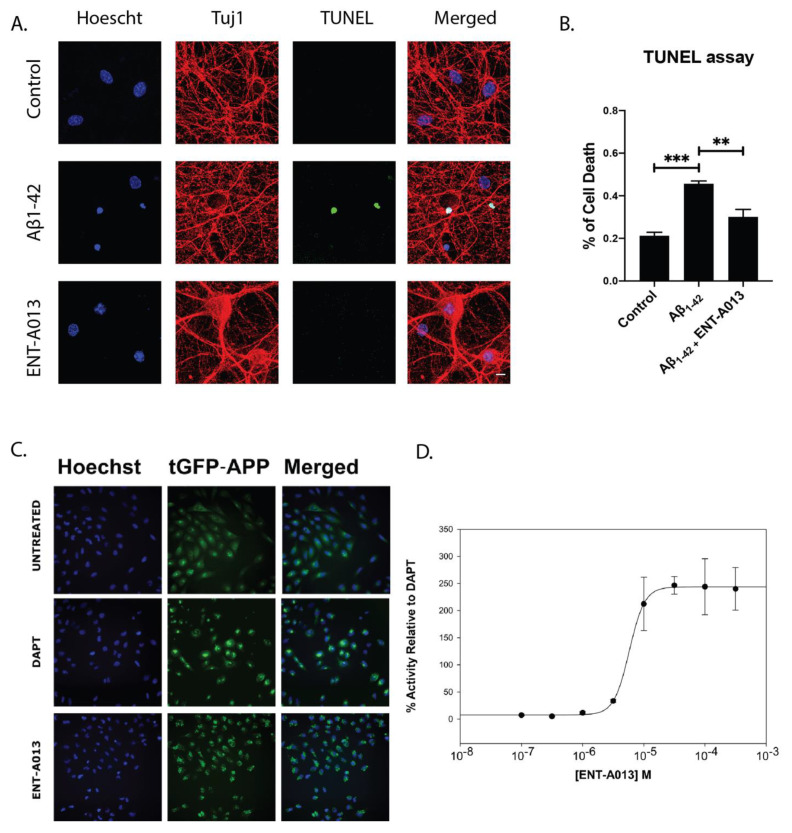
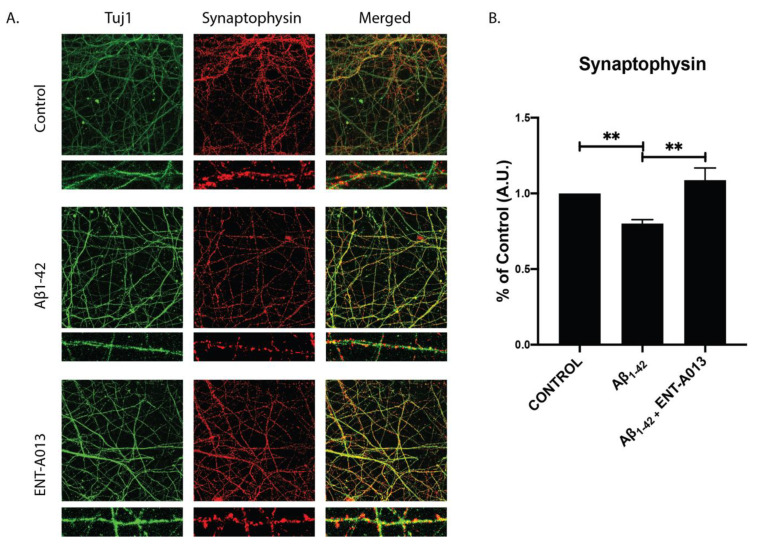
Neurotrophins are growth factors that exert important neuroprotective effects by preventing neuronal death and synaptic loss. Nerve Growth Factor (NGF) acts through the activation of its high-affinity, pro-survival TrkA and low-affinity, pro-apoptotic p75 receptors. NGF has been shown to slow or prevent neurodegenerative signals in Alzheimer's Disease (AD) progression. However, its low bioavailability and its blood-brain-barrier impermeability limit the use of NGF as a potential therapeutic agent against AD. Based on our previous findings on synthetic dehydroepiandrosterone derivatives, we identified a novel NGF mimetic, named ENT-A013, which selectively activates TrkA and exerts neuroprotective, anti-amyloid-β actions. We now report the chemical synthesis, in silico modelling, metabolic stability, CYP-mediated reaction phenotyping and biological characterization of ENT-A013 under physiological and neurodegenerative conditions. We show that ENT-A013 selectively activates the TrkA receptor and its downstream kinases Akt and Erk1/2 in PC12 cells, protecting these cells from serum deprivation-induced cell death. Moreover, ENT-A013 promotes survival of primary Dorsal Root Ganglion (DRG) neurons upon NGF withdrawal and protects hippocampal neurons against Amyloid β-induced apoptosis and synaptic loss. Furthermore, this neurotrophin mimetic partially restores LTP impairment. In conclusion, ENT-A013 represents a promising new lead molecule for developing therapeutics against neurodegenerative disorders, such as Alzheimer's Disease, selectively targeting TrkA-mediated pro-survival signals.
神经营养因子是一类生长因子,通过防止神经元死亡和突触丧失发挥重要的神经保护作用。神经生长因子(NGF)通过激活其高亲和力、促生存的TrkA受体和低亲和力、促凋亡的p75受体发挥作用。NGF已被证明可减缓或预防阿尔茨海默病(AD)进展中的神经退行性信号。然而,其低生物利用度和血脑屏障不可渗透性限制了NGF作为AD潜在治疗药物的应用。基于我们之前关于合成脱氢表雄酮衍生物的研究结果,我们鉴定了一种新型的NGF模拟物,命名为ENT-A013,它能选择性激活TrkA并发挥神经保护、抗淀粉样β蛋白的作用。我们现在报告ENT-A013在生理和神经退行性条件下的化学合成、计算机模拟、代谢稳定性、CYP介导的反应表型分析和生物学特性。我们表明,ENT-A013在PC12细胞中选择性激活TrkA受体及其下游激酶Akt和Erk1/2,保护这些细胞免受血清剥夺诱导的细胞死亡。此外,ENT-A013在撤除NGF后促进初级背根神经节(DRG)神经元的存活,并保护海马神经元免受淀粉样β蛋白诱导的凋亡和突触丧失。此外,这种神经营养因子模拟物部分恢复了长时程增强(LTP)损伤。总之,ENT-A013是一种有前途的新先导分子,可用于开发针对神经退行性疾病(如阿尔茨海默病)的治疗药物,选择性靶向TrkA介导的促生存信号。