Merks Piotr, Religioni Urszula, Pinto de Castro Nuno, Augustynowicz Anna, Plagens-Rotman Katarzyna, Brindley David, Kowalczuk Anna, Kaźmierczak Justyna, Neumann-Podczaska Agnieszka, Blicharska Eliza, Sola Katarina Fehir, Hug Martin J, Gajewski Klaudiusz, Piątkiewicz Paweł
Faculty of Medicine, Collegium Medicum, Cardinal Stefan Wyszyński University, 01-938 Warsaw, Poland.
School of Public Health, Centre of Postgraduate Medical Education of Warsaw, 01-826 Warsaw, Poland.
Int J Environ Res Public Health. 2022 Mar 10;19(6):3276. doi: 10.3390/ijerph19063276.
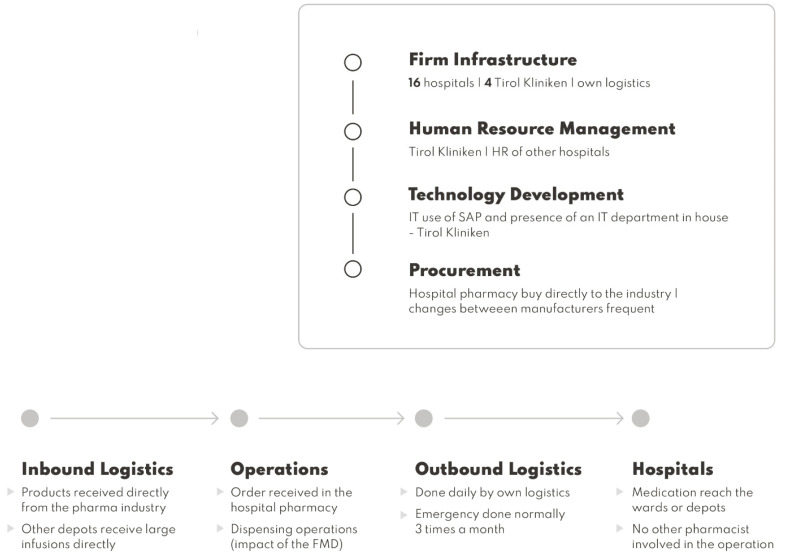
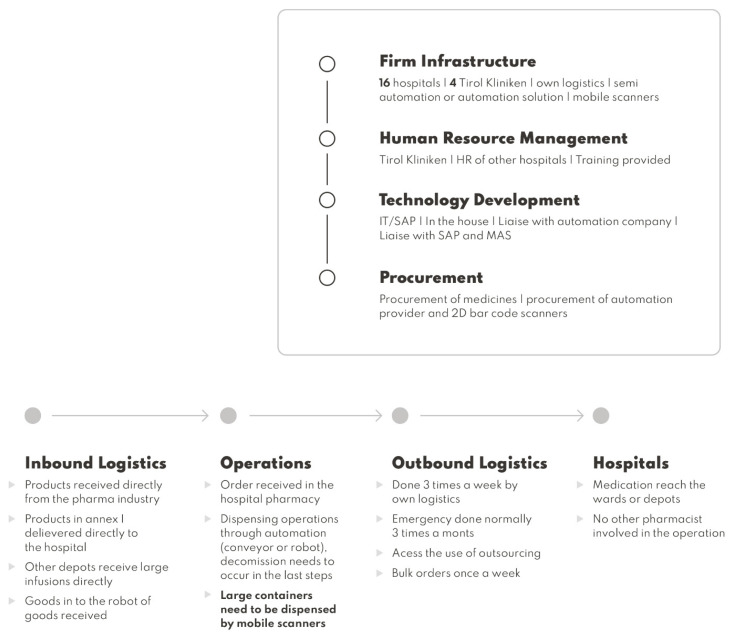
The Falsified Medicines Directive (FMD) and the Delegated Regulation (DR) impact the pharmaceutical supply chain. Ahead of the deadline for implementation, in February 2019, every entity of the supply chain had to adapt its operations to the regulatory requirements to be compliant with the directive. This paper analyzes the supply chain of a hospital pharmacy and the impact of the FMD implementation. Furthermore, a cost analysis was performed demonstrating that the FMD increases expenditure in the secondary care environment dispensing operations. Governments should be aware that this regulation will certainly impact public healthcare institutions in the long term.
《假药指令》(FMD)和《委托条例》(DR)对药品供应链产生影响。在2019年2月实施截止日期之前,供应链中的每个实体都必须调整其运营以符合监管要求,从而遵守该指令。本文分析了医院药房的供应链以及FMD实施所产生的影响。此外,还进行了成本分析,结果表明FMD增加了二级医疗环境配药操作中的支出。各国政府应意识到,从长远来看,这项法规肯定会对公共医疗机构产生影响。