Kawasaki Sarah, Mills-Huffnagle Sara, Aydinoglo Nicole, Maxin Halley, Nunes Edward
Department of Psychiatry and Behavioral Health, Penn State Health, Hershey, PA, United States.
Department of Psychiatry, Columbia University, New York, NY, United States.
JMIR Form Res. 2022 Mar 25;6(3):e33073. doi: 10.2196/33073.
Medications for the treatment of opioid use disorder, such as buprenorphine, are effective and essential for addressing the opioid epidemic. However, high dropout rates from medication remain a challenge. Behavioral treatment with contingency management and cognitive behavioral counseling has shown promise for improving the outcomes of buprenorphine treatment but is complicated to deliver. The delivery of behavioral treatment through technology-based platforms has the potential to make it more feasible for widespread dissemination.
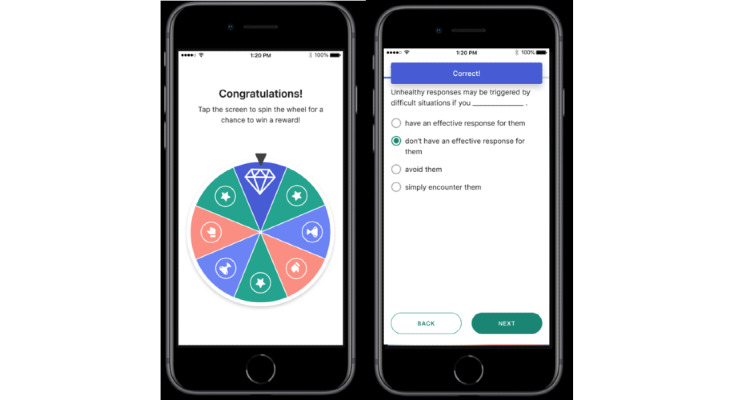
reSET-O is a prescription digital therapeutic and a commercial adaptation of the Therapeutic Education System, an internet-based program with a Community Reinforcement Approach to cognitive behavioral therapy. It delivers cognitive behavioral therapy modules and contingency management rewards upon completion of modules and negative urine drug screens. This pilot study aims to assess the feasibility and acceptability of reSET-O in a community-based opioid treatment program with a Hub and Spoke model of care as part of a larger strategy to maintain individuals in treatment. Objective and qualitative results, as well as acceptability and likeability of reSET-O, were obtained from 15 individuals.
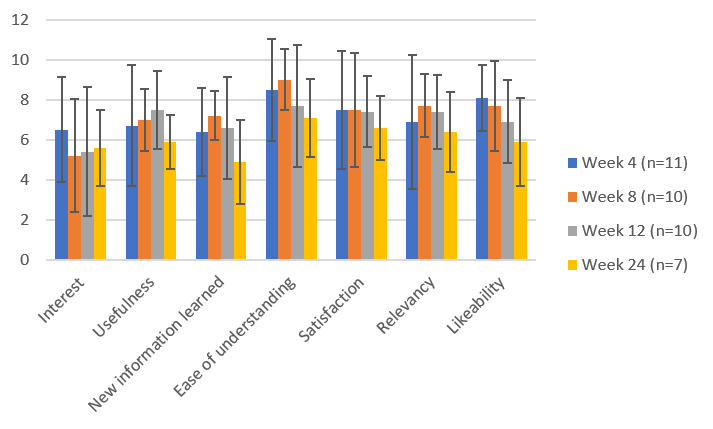
English-speaking individuals aged ≥18 years with a diagnosis of current opioid use disorder were recruited after being on buprenorphine for at least 1 week of treatment. Two 12-week prescriptions for reSET-O were written for the 24-week study. Patient reports of drug use and likeability scales of reSET-O were conducted at weeks 4, 8, 12, and 24 of the study. Qualitative interviews were also conducted. A total of 4 providers were recruited and provided feedback on the acceptability and feasibility of reSET-O.
Of the 15 participants who participated in this pilot study, 7 (47%) completed 24 weeks, and 8 (53%) were unable to complete because of dropout after enrollment, attrition in treatment, or incarceration. An average of US $96 in contingency management rewards were earned by participants for the completion of modules for the duration of the pilot study. Participants' subjective feedback revealed that reSET-O was easy to use, enjoyable, and helped provide a safe space to admit recurring substance use.
reSET-O was well accepted based on patient and provider feedback in this pilot study; however, adherence and retention in treatment remain areas for improvement. Randomized control trials are needed to assess whether retention of community-based buprenorphine treatment is enhanced through the use of technology-based behavioral interventions such as reSET-O.
用于治疗阿片类物质使用障碍的药物,如丁丙诺啡,对于应对阿片类药物流行既有效又至关重要。然而,药物治疗的高脱落率仍是一项挑战。采用应急管理和认知行为咨询的行为治疗已显示出改善丁丙诺啡治疗效果的前景,但实施起来较为复杂。通过基于技术的平台提供行为治疗有可能使其更易于广泛传播。
reSET - O是一种处方数字疗法,是治疗教育系统的商业改编版,该系统是一个基于互联网的项目,采用社区强化方法进行认知行为治疗。它在完成模块和尿液药物筛查呈阴性时提供认知行为治疗模块和应急管理奖励。这项试点研究旨在评估reSET - O在以中心辐射模式提供护理的社区阿片类药物治疗项目中的可行性和可接受性,作为维持个体治疗的更大战略的一部分。从15名个体中获得了客观和定性结果,以及reSET - O的可接受性和受欢迎程度。
招募年龄≥18岁、诊断为当前阿片类物质使用障碍且已接受丁丙诺啡治疗至少1周的英语使用者。为为期24周的研究开具了两份为期12周的reSET - O处方。在研究的第4、8、12和24周进行了患者药物使用报告和reSET - O的受欢迎程度量表调查。还进行了定性访谈。共招募了4名提供者,并就reSET - O的可接受性和可行性提供了反馈。
在参与这项试点研究的15名参与者中,7名(47%)完成了24周的治疗,8名(53%)因入组后退出、治疗期间流失或被监禁而未能完成治疗。在试点研究期间,参与者因完成模块平均获得了96美元的应急管理奖励。参与者的主观反馈显示,reSET - O易于使用、令人愉快,并有助于提供一个安全的空间来承认反复出现的物质使用情况。
根据这项试点研究中患者和提供者的反馈,reSET - O的接受度良好;然而,治疗的依从性和保留率仍有待提高。需要进行随机对照试验,以评估通过使用reSET - O等基于技术的行为干预措施是否能提高社区丁丙诺啡治疗的保留率。