Geriatrics Department, Nantong First People's Hospital, Nantong, China.
Institute of Special Environmental Medicine, Nantong University, Nantong, China.
J Clin Lab Anal. 2022 May;36(5):e24366. doi: 10.1002/jcla.24366. Epub 2022 Mar 25.
Lung cancer is one of the most common malignancies globally and a significant component of cancer-related deaths. The lack of early diagnosis accounts for detecting approximately 75% of cancer patients at an intermediate to an advanced stage, with a low 5-year survival rate. Therefore, a more comprehensive understanding of the molecular mechanisms of lung cancer development is necessary to find reliable and effective therapeutic and diagnostic biomarkers.
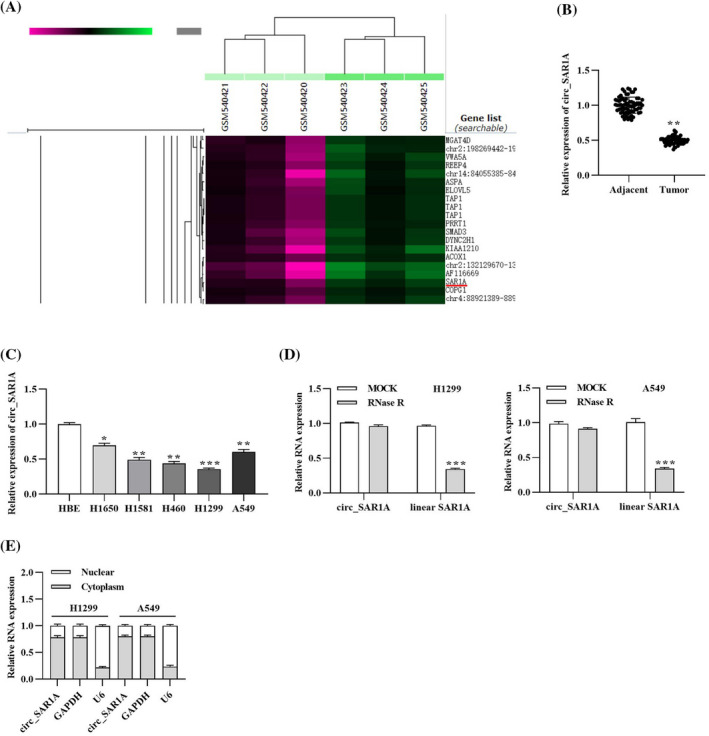
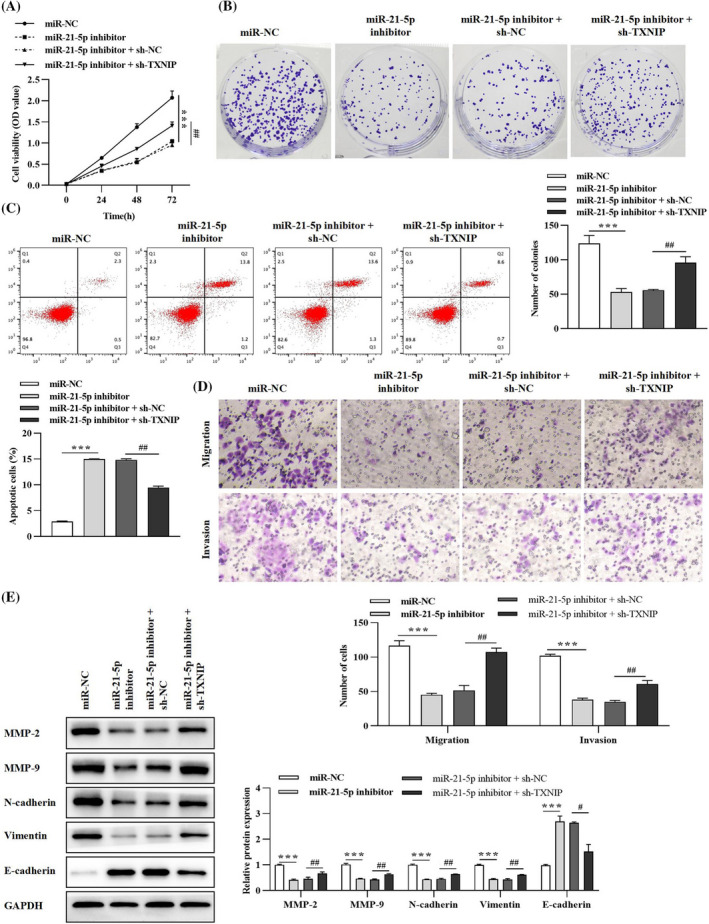
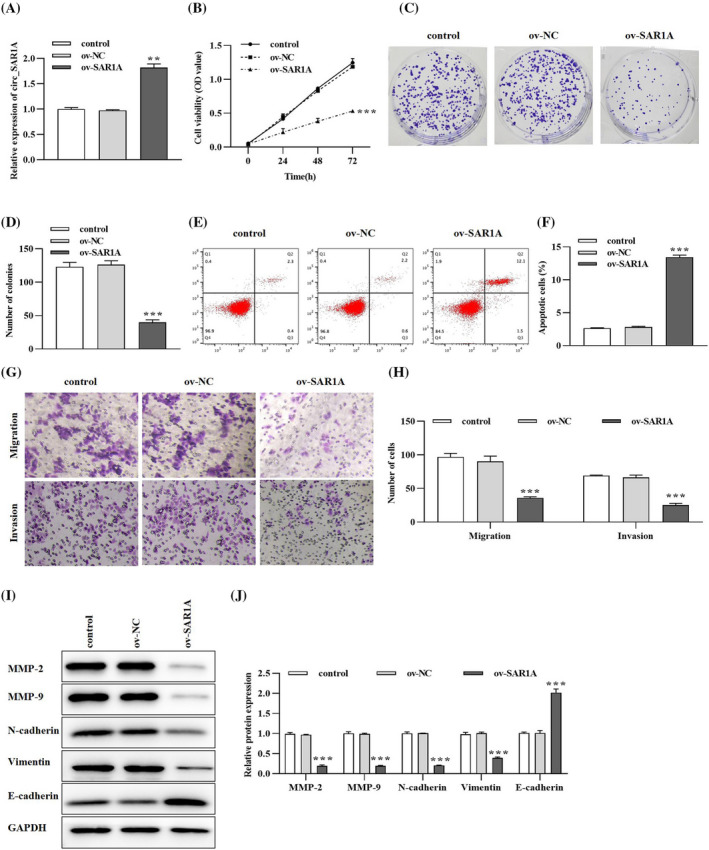
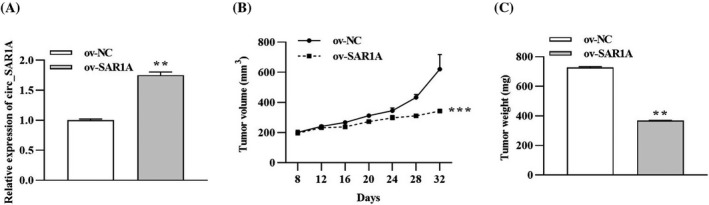
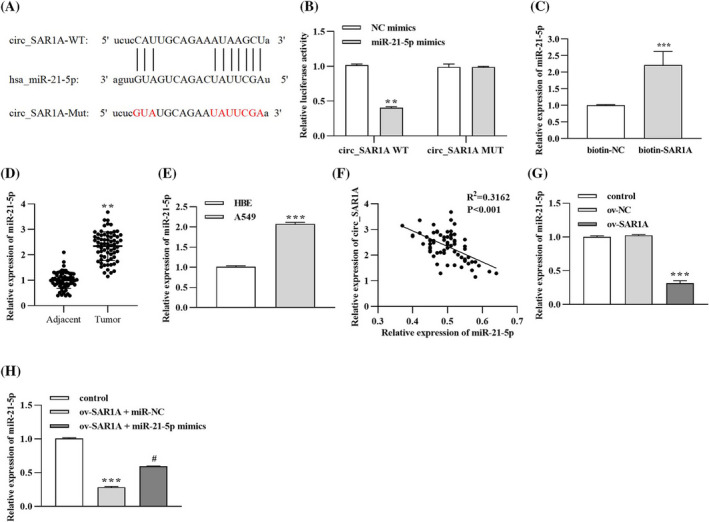
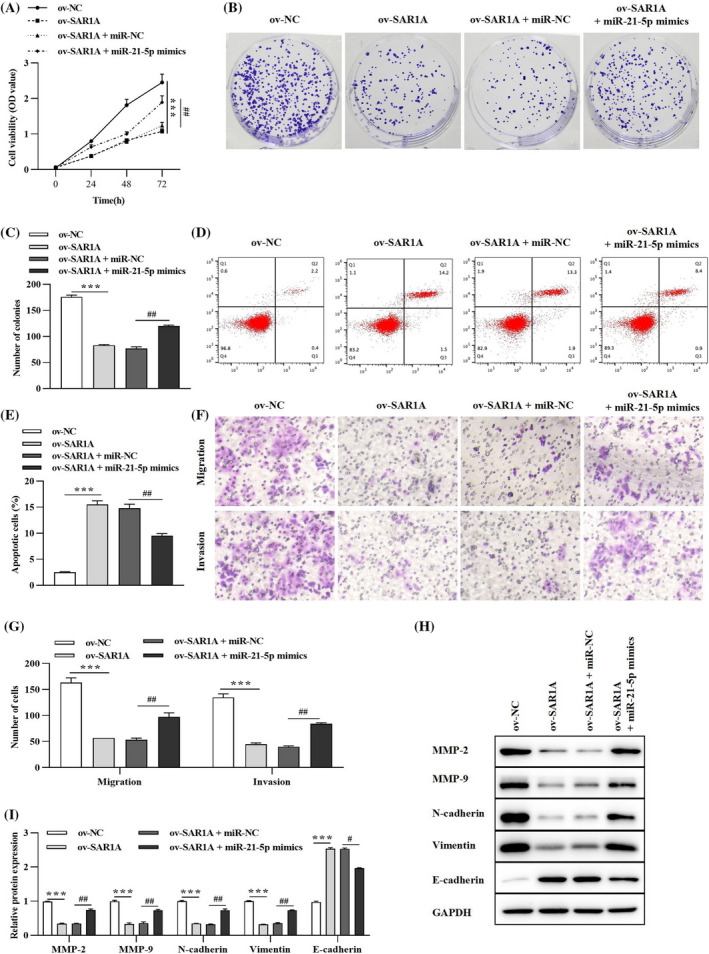
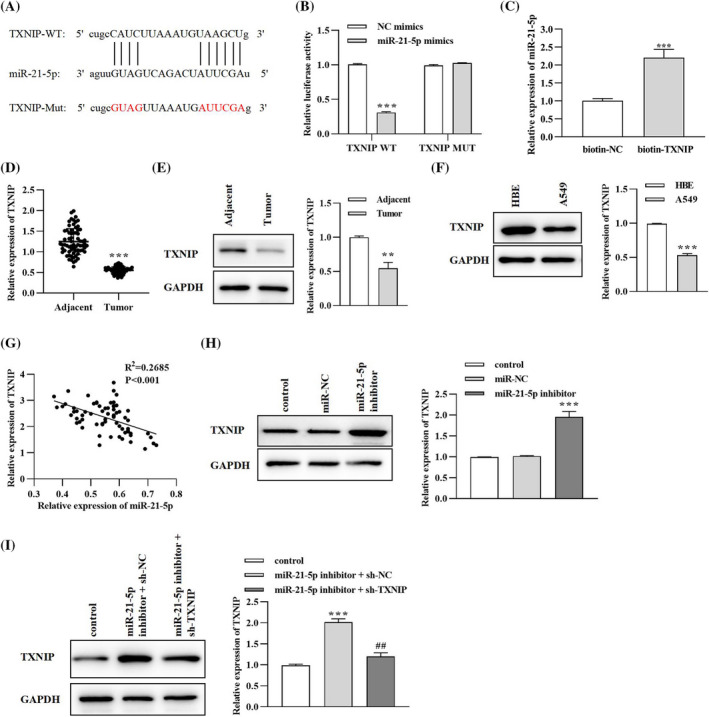
circ_SAR1A, miR-21-5p, and TXNIP in lung cancer tissues, animal xenografts, and cell lines were validated by qRT-PCR and western blotting analyses. RNase R digestion and nuclear/cytoplasm fractionation experiments were utilized to determine the stability and localization of circ_SAR1A in lung cancer cells. The binding between miR-21-5p and circ_SAR1A or TXNIP was confirmed by luciferase reporter, RNA pull-down, Spearman's correlation, and rescue assays. CCK-8, colony formation, flow cytometry, Transwell, and western blotting were utilized to illustrate the malignant behavior of lung cancer cells.
circ_SAR1A and TXNIP were down-regulated while miR-21-5p was up-regulated in lung cancer samples and cells. circ_SAR1A was located predominantly in the cytoplasm; it inhibited lung cancer growth in vitro and in vivo by sponging to miR-21-5p. miR-21-5p silencing suppressed lung cancer malignancy by targeting TXNIP.
circ_SAR1A is a critical negative regulator of lung carcinogenesis. circ_SAR1A/miR-21-5p/TXNIP attenuation inhibited lung cancer progression, presenting an ideal diagnostic and a potential therapeutic target.
肺癌是全球最常见的恶性肿瘤之一,也是癌症相关死亡的重要组成部分。由于缺乏早期诊断,约 75%的癌症患者在中期至晚期被发现,其 5 年生存率较低。因此,需要更全面地了解肺癌发生的分子机制,以找到可靠有效的治疗和诊断生物标志物。
通过 qRT-PCR 和 Western blot 分析验证了肺癌组织、动物异种移植物和细胞系中的 circ_SAR1A、miR-21-5p 和 TXNIP。利用 RNase R 消化和核/胞质分离实验确定 circ_SAR1A 在肺癌细胞中的稳定性和定位。通过荧光素酶报告、RNA 下拉、Spearman 相关性和拯救实验证实了 miR-21-5p 与 circ_SAR1A 或 TXNIP 的结合。CCK-8、集落形成、流式细胞术、Transwell 和 Western blot 用于说明肺癌细胞的恶性行为。
肺癌样本和细胞中 circ_SAR1A 和 TXNIP 下调,miR-21-5p 上调。circ_SAR1A 主要位于细胞质中;它通过与 miR-21-5p 结合抑制体外和体内肺癌的生长。miR-21-5p 沉默通过靶向 TXNIP 抑制肺癌恶性肿瘤。
circ_SAR1A 是肺癌发生的关键负调控因子。circ_SAR1A/miR-21-5p/TXNIP 衰减抑制了肺癌的进展,为诊断和潜在治疗提供了理想的靶点。