Astbury Centre for Structural Molecular Biology, University of Leeds, Leeds LS2 9JT, UK. Electronic address: https://twitter.com/FBSResearch.
Center for Cancer Research, National Cancer Institute, Frederick, MD 21702-1201, United States.
J Mol Biol. 2022 May 30;434(10):167557. doi: 10.1016/j.jmb.2022.167557. Epub 2022 Mar 24.
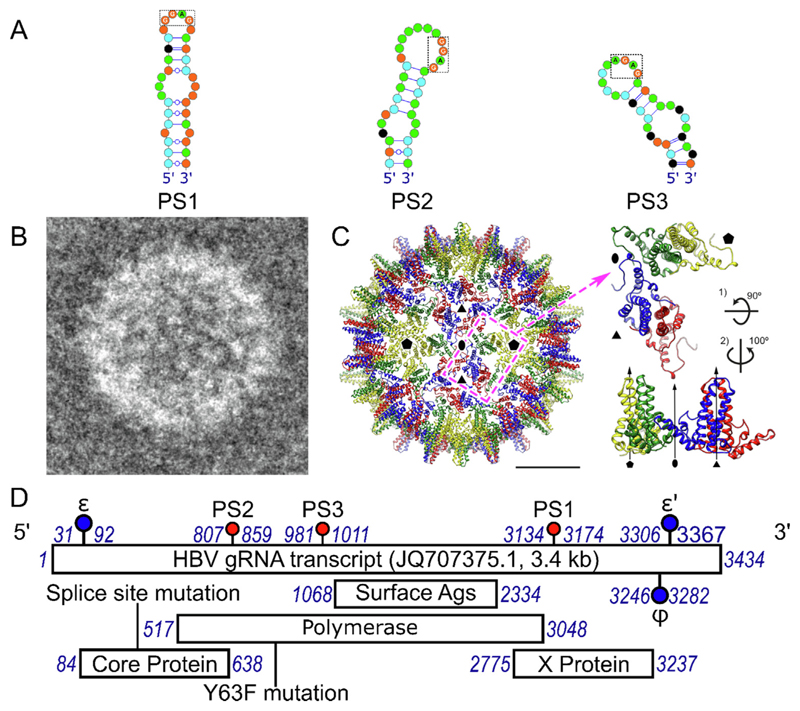
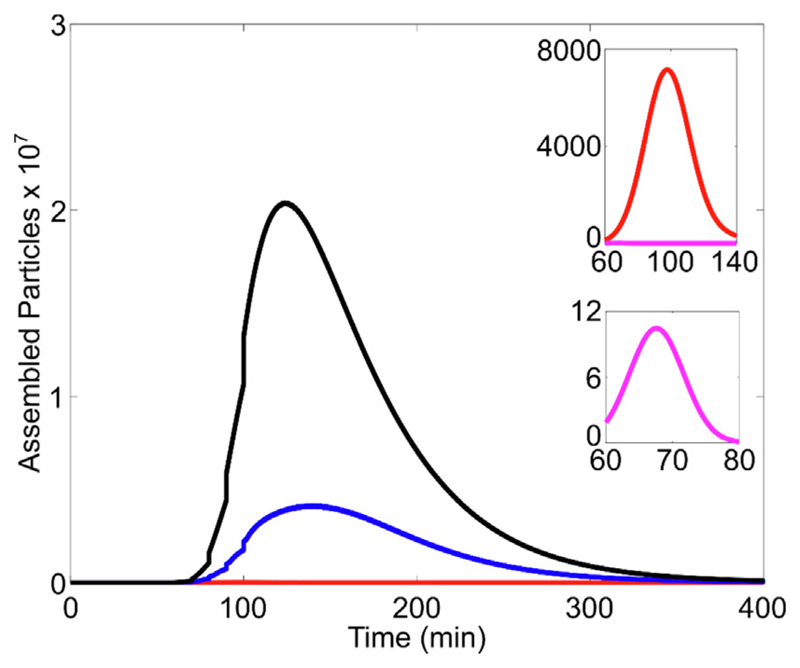
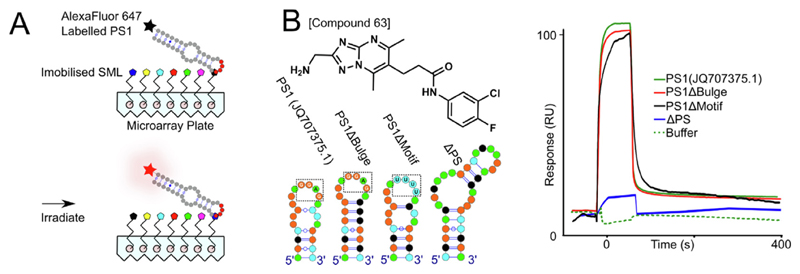
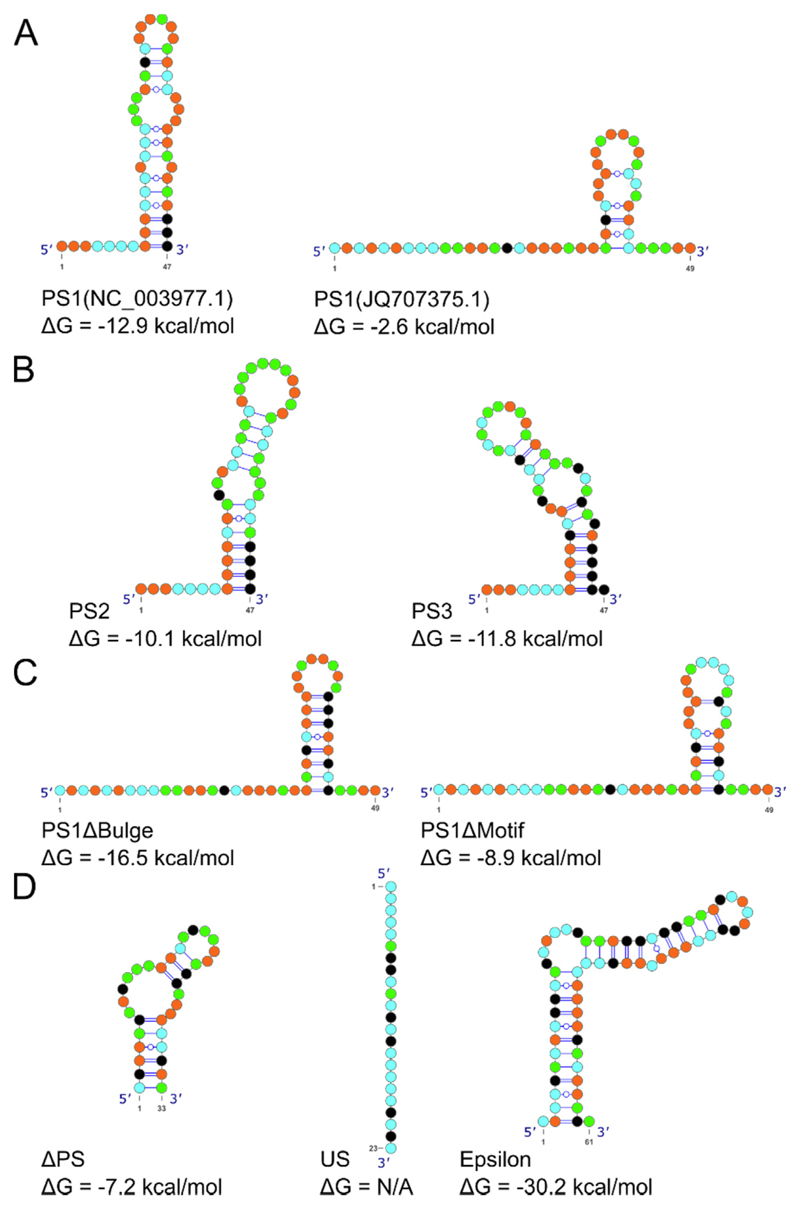
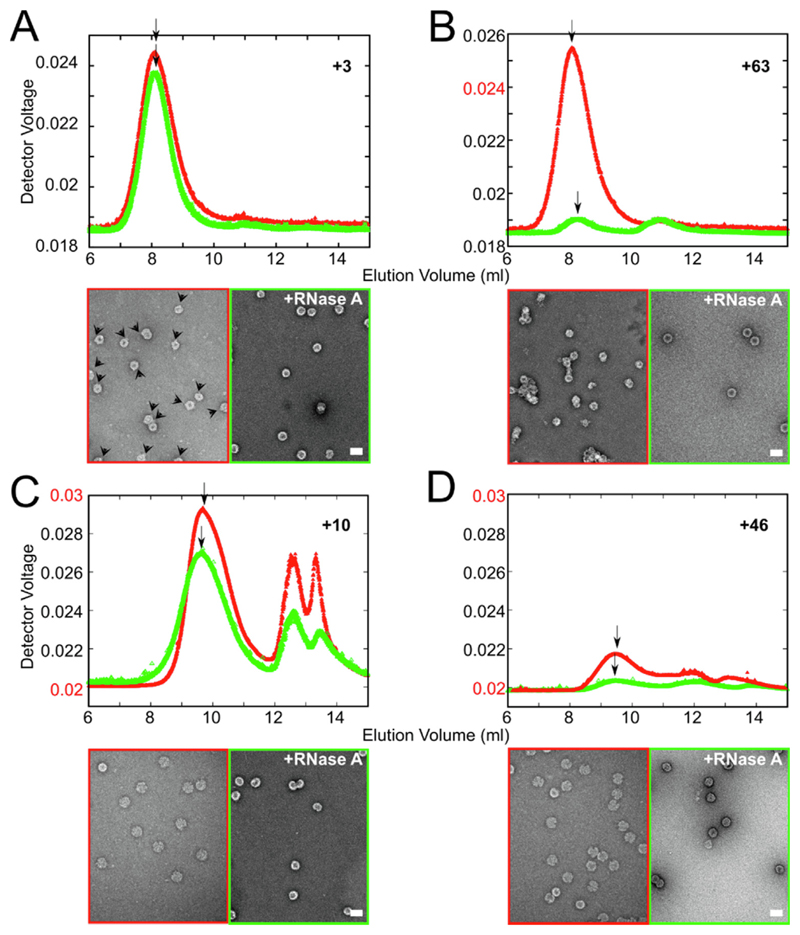
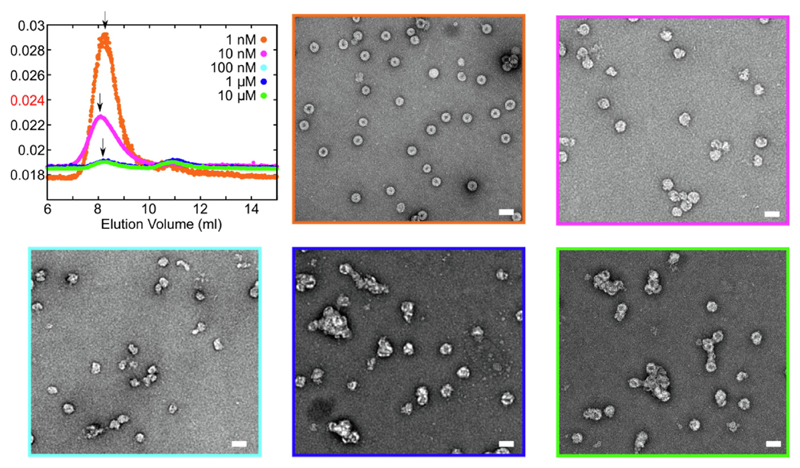
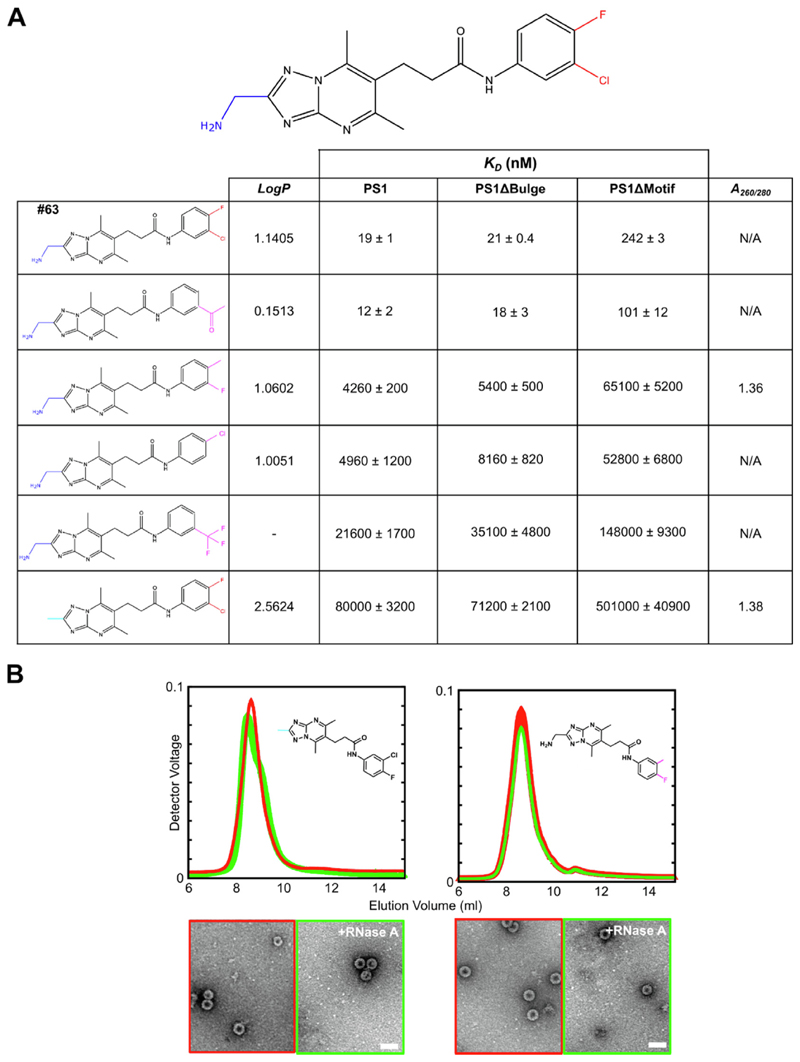
RNA sequences/motifs dispersed across the genome of Hepatitis B Virus regulate formation of nucleocapsid-like particles (NCPs) by core protein (Cp) in vitro, in an epsilon/polymerase-independent fashion. These multiple RNA Packaging Signals (PSs) can each form stem-loops encompassing a Cp-recognition motif, -RGAG-, in their loops. Drug-like molecules that bind the most important of these PS sites for NCP assembly regulation with nanomolar affinities, were identified by screening an immobilized ligand library with a fluorescently-labelled, RNA oligonucleotide encompassing this sequence. Sixty-six of these "hits", with affinities ranging from low nanomolar to high micromolar, were purchased as non-immobilized versions. Their affinities for PSs and effects on NCP assembly were determined in vitro by Surface Plasmon Resonance. High-affinity ligand binding is dependent on the presence of an -RGAG- motif within the loop of the PS, consistent with ligand cross-binding between PS sites. Simple structure-activity relationships show that it is also dependent on the presence of specific functional groups in these ligands. Some compounds are potent inhibitors of in vitro NCP assembly at nanomolar concentrations. Despite appropriate logP values, these ligands do not inhibit HBV replication in cell culture. However, modelling confirms the potential of using PS-binding ligands to target NCP assembly as a novel anti-viral strategy. This also allows for computational exploration of potential synergic effects between anti-viral ligands directed at distinct molecular targets in vivo. HBV PS-regulated assembly can be dysregulated by novel small molecule RNA-binding ligands opening a novel target for developing directly-acting anti-virals against this major pathogen.
乙型肝炎病毒基因组中分散的 RNA 序列/基序通过核心蛋白(Cp)在体外以依赖 ε/聚合酶的方式调节核衣壳样颗粒(NCP)的形成。这些多个 RNA 包装信号(PS)都可以在其环中形成包含 Cp 识别基序 -RGAG- 的茎环。通过用荧光标记的包含该序列的 RNA 寡核苷酸筛选固定化配体文库,鉴定出与 NCP 组装调节的这些 PS 位点中最重要的位点具有纳摩尔亲和力的类似药物的分子。这些“命中”的 66 个,亲和力范围从低纳摩尔到高微摩尔,被作为非固定版本购买。通过表面等离子体共振测定它们在体外对 PS 的亲和力及其对 NCP 组装的影响。高亲和力配体结合取决于 PS 环内存在 -RGAG- 基序,这与 PS 位点之间的配体交叉结合一致。简单的构效关系表明,这也取决于这些配体中特定功能基团的存在。一些化合物在纳摩尔浓度下可有效抑制体外 NCP 组装。尽管适当的 logP 值,但这些配体不会抑制细胞培养中的 HBV 复制。然而,建模证实了使用 PS 结合配体作为一种新型抗病毒策略靶向 NCP 组装的潜力。这也允许在体内针对不同分子靶标计算探索抗病毒配体之间的潜在协同作用。新型小分子 RNA 结合配体可使 HBV PS 调节的组装失调,为开发针对这种主要病原体的直接作用抗病毒药物开辟了新的靶标。