Massachusetts General Hospital, Boston, USA.
Mayo Clinic Florida, Jacksonville, USA.
Skeletal Radiol. 2022 Sep;51(9):1743-1764. doi: 10.1007/s00256-022-04022-8. Epub 2022 Mar 28.
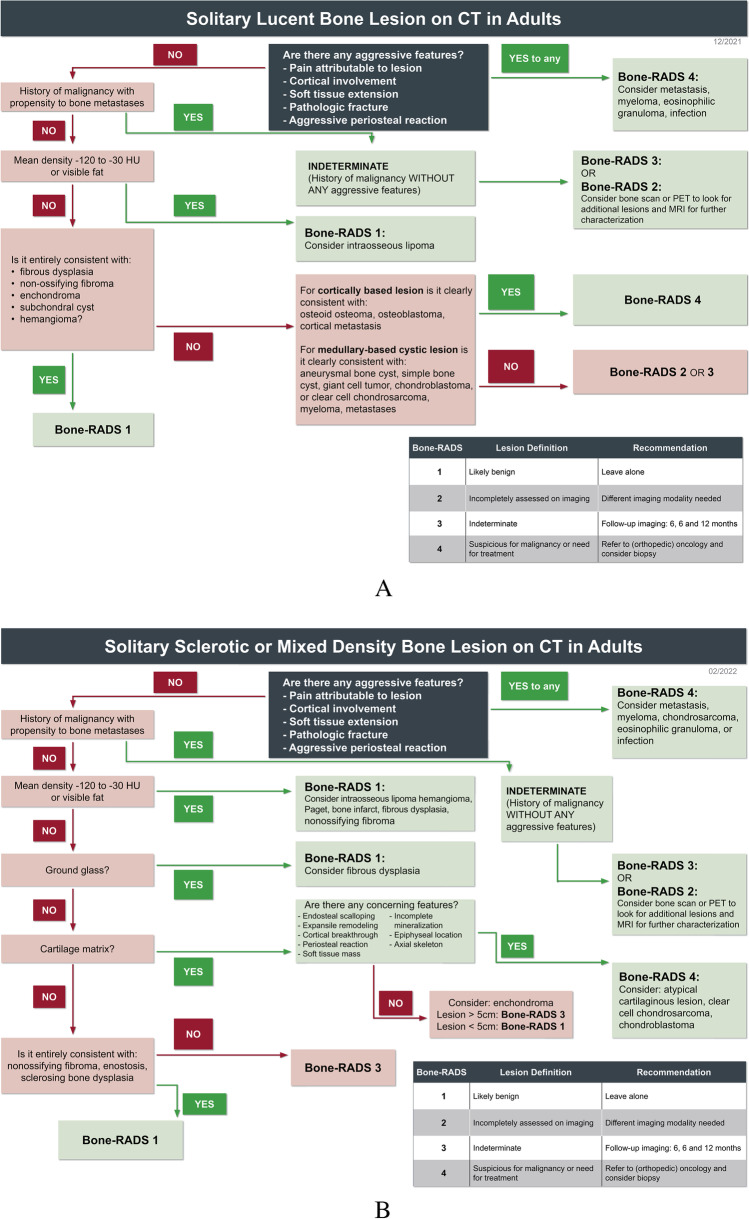
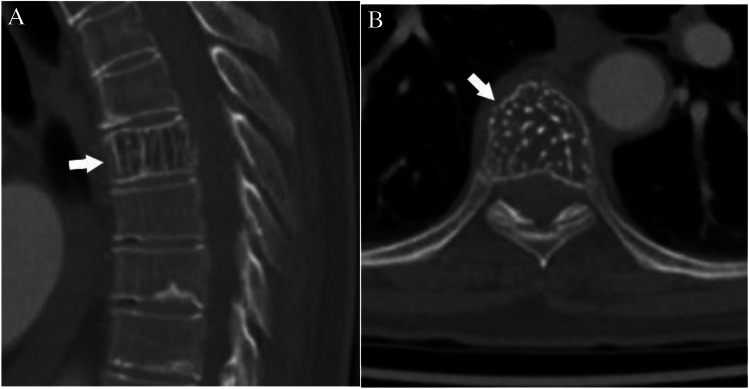
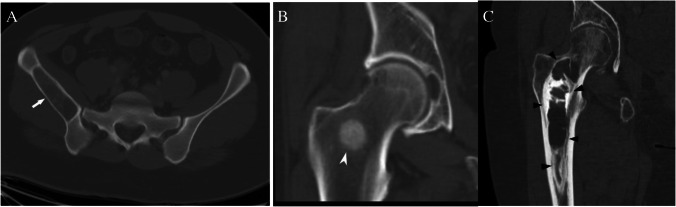
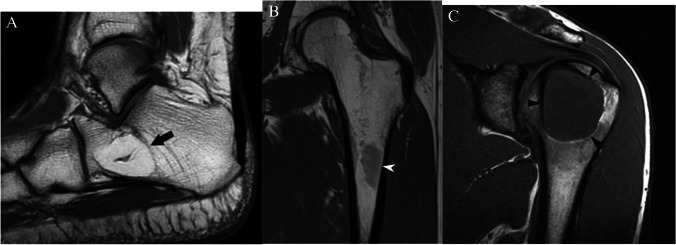
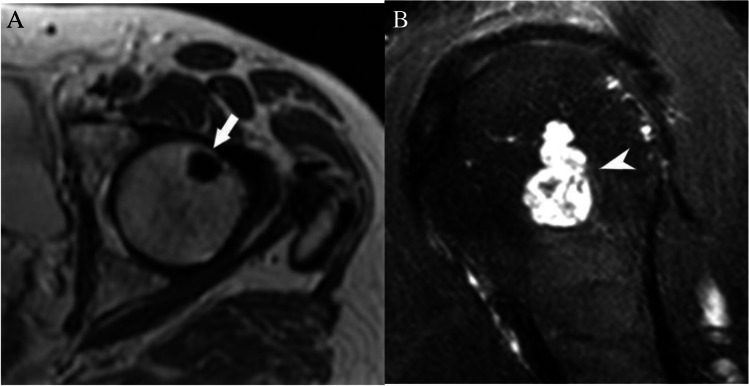
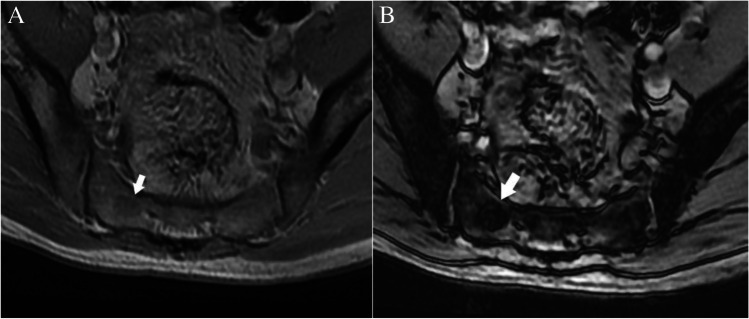
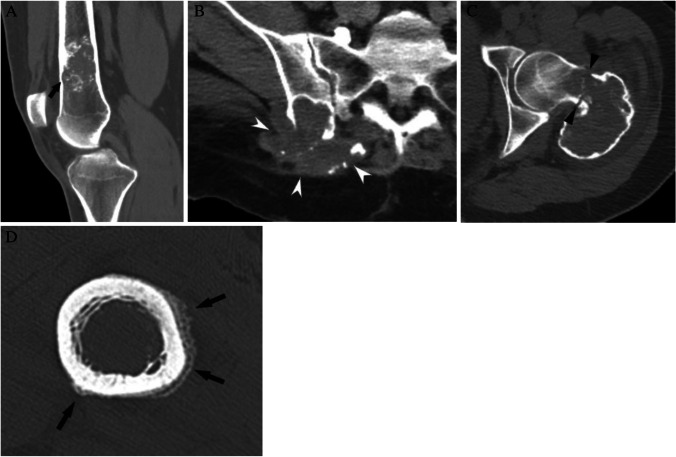
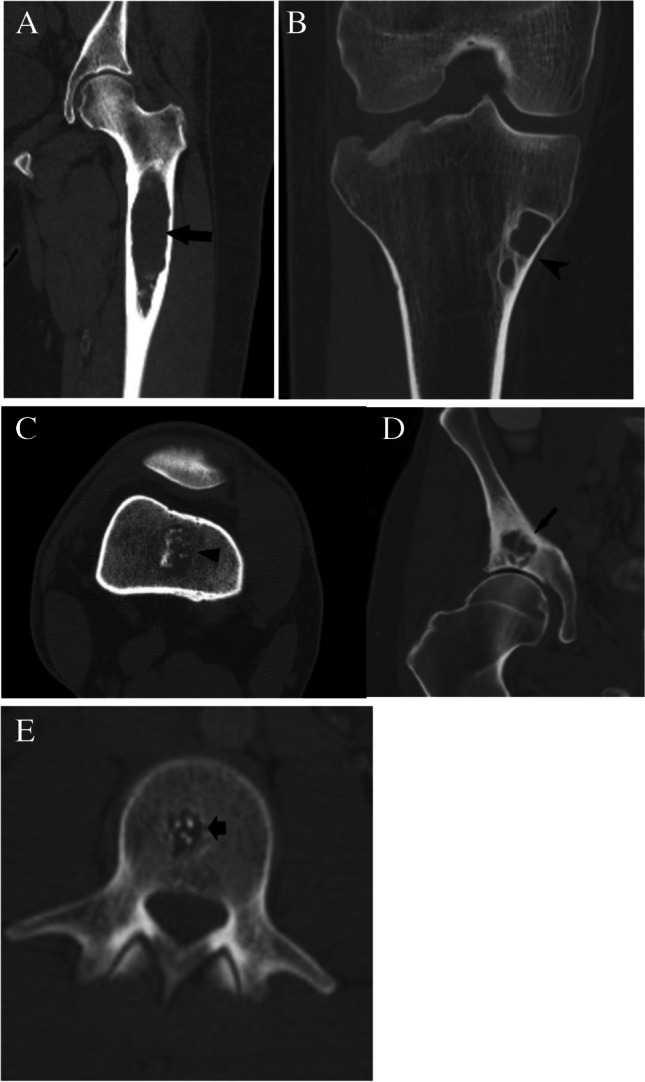
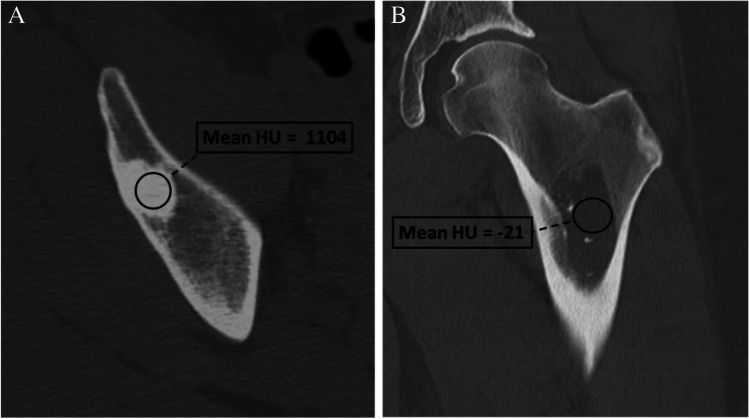
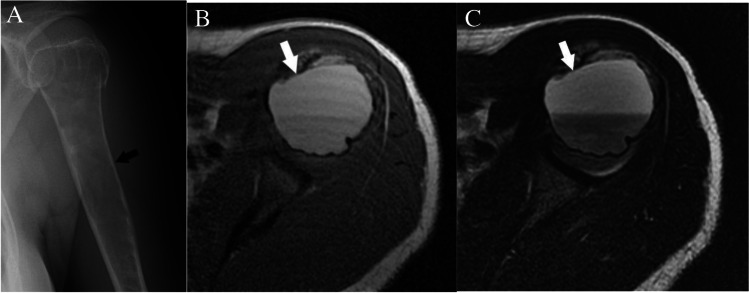
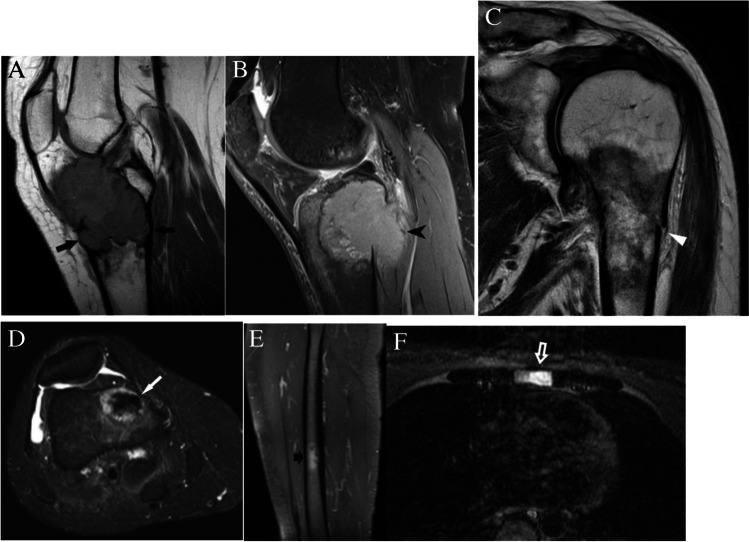
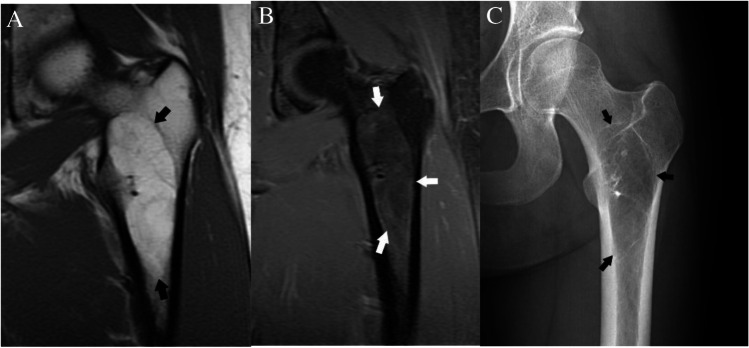
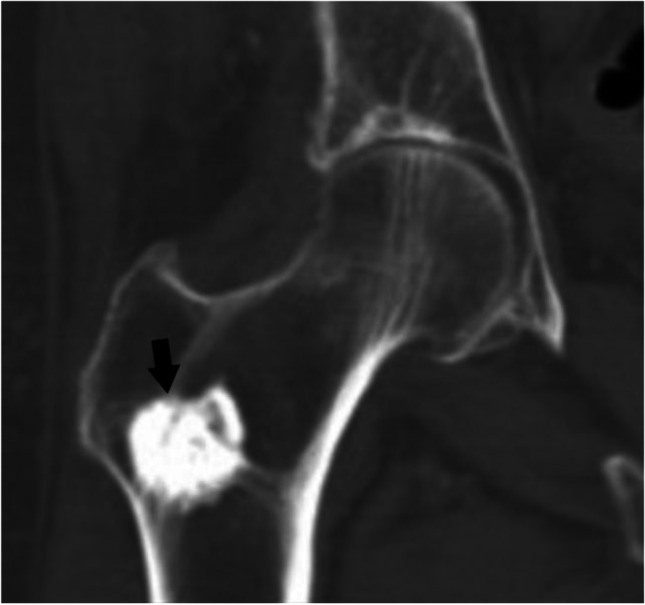
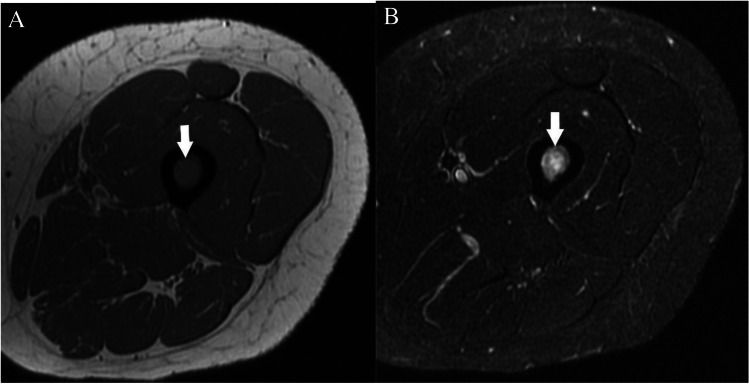
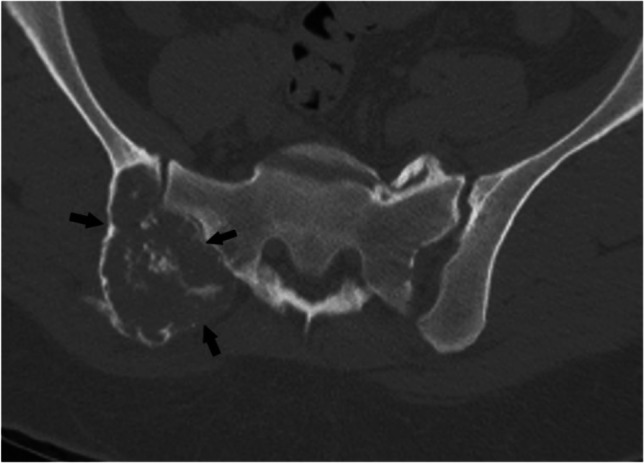
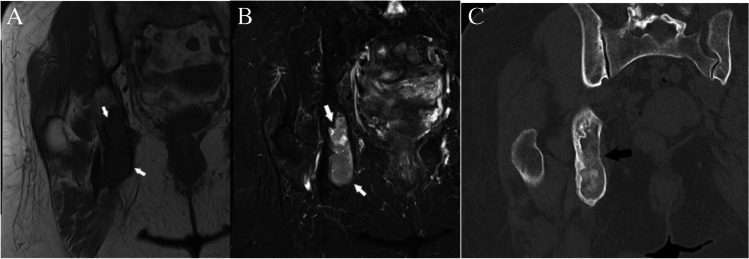
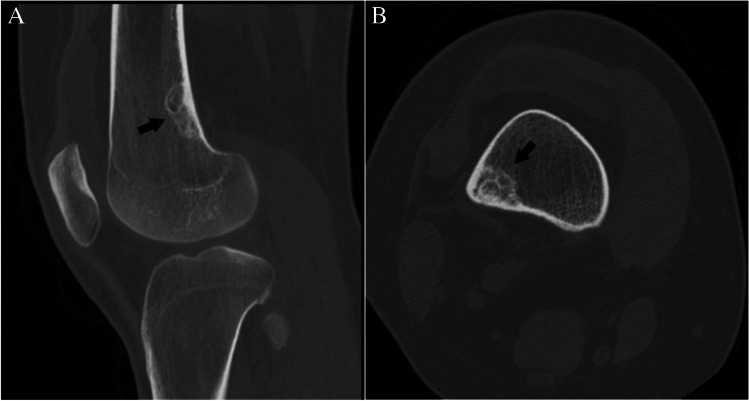
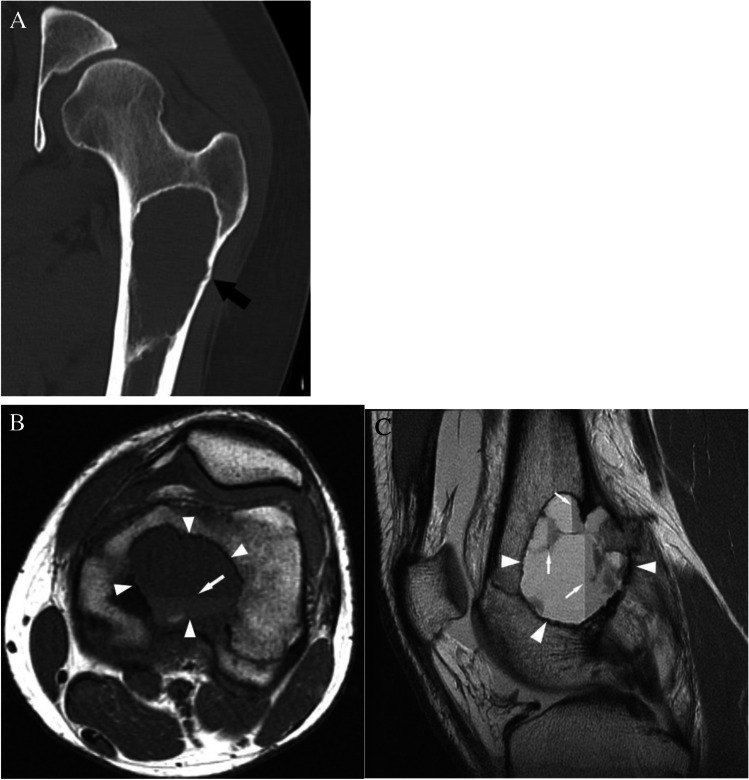
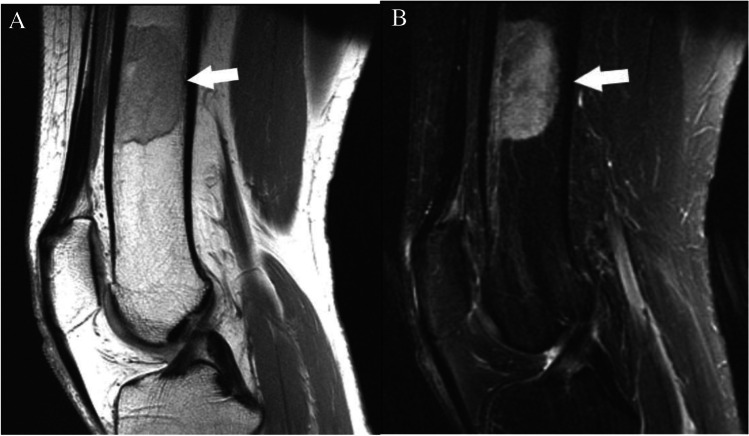
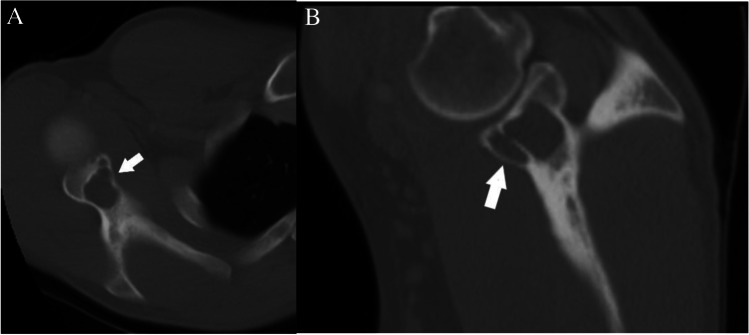
The purpose of this article is to present algorithms for the diagnostic management of solitary bone lesions incidentally encountered on computed tomography (CT) and magnetic resonance (MRI) in adults. Based on review of the current literature and expert opinion, the Practice Guidelines and Technical Standards Committee of the Society of Skeletal Radiology (SSR) proposes a bone reporting and data system (Bone-RADS) for incidentally encountered solitary bone lesions on CT and MRI with four possible diagnostic management recommendations (Bone-RADS1, leave alone; Bone-RADS2, perform different imaging modality; Bone-RADS3, perform follow-up imaging; Bone-RADS4, biopsy and/or oncologic referral). Two algorithms for CT based on lesion density (lucent or sclerotic/mixed) and two for MRI allow the user to arrive at a specific Bone-RADS management recommendation. Representative cases are provided to illustrate the usability of the algorithms.
本文旨在介绍成人 CT 和 MRI 偶然发现的单发骨病变的诊断管理算法。基于对现有文献和专家意见的回顾,骨骼放射学会(SSR)的实践指南和技术标准委员会提出了一种用于 CT 和 MRI 偶然发现的单发骨病变的骨报告和数据系统(Bone-RADS),有四种可能的诊断管理建议(Bone-RADS1,无需处理;Bone-RADS2,进行不同的影像学检查;Bone-RADS3,进行随访影像学检查;Bone-RADS4,活检和/或肿瘤学转诊)。基于病变密度(透亮或硬化/混合)的两种 CT 算法和两种 MRI 算法可使用户得出特定的 Bone-RADS 管理建议。提供了代表性病例来说明算法的可用性。