Key Laboratory of Space Radiobiology of Gansu Province & Key Laboratory of Heavy Ion Radiation Biology and Medicine, Institute of Modern Physics, Chinese Academy of Sciences, Lanzhou,Gansu, China.
School of Nuclear Science and Technology, University of Chinese Academy of Sciences, Beijing,China.
Oncoimmunology. 2022 Mar 25;11(1):2057892. doi: 10.1080/2162402X.2022.2057892. eCollection 2022.
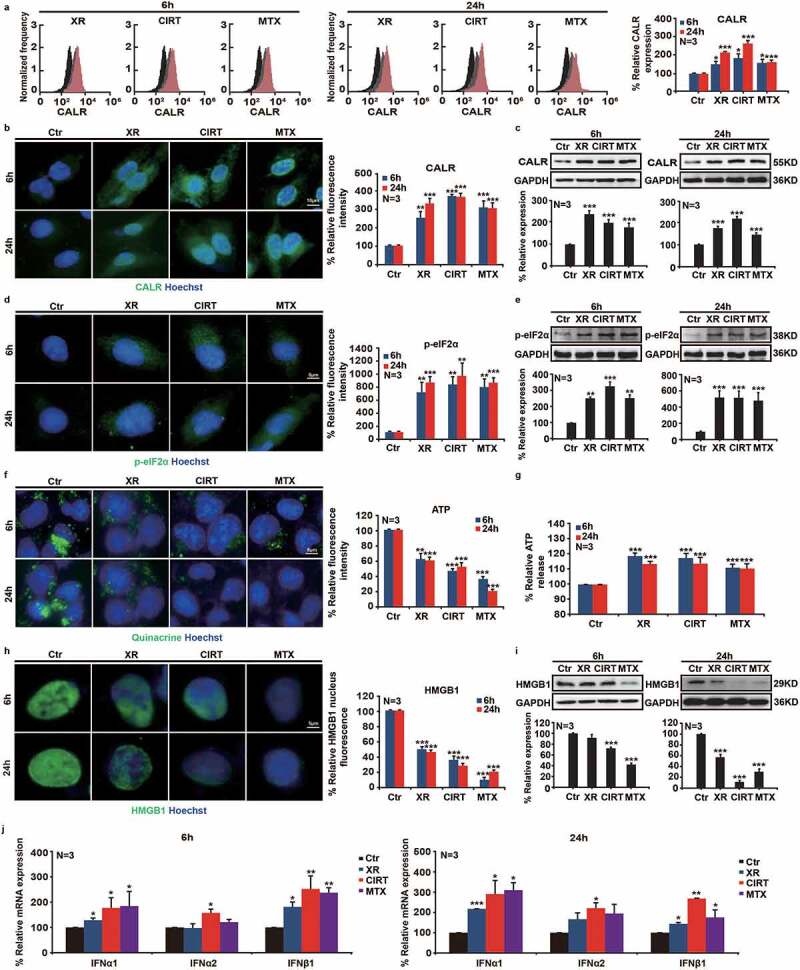
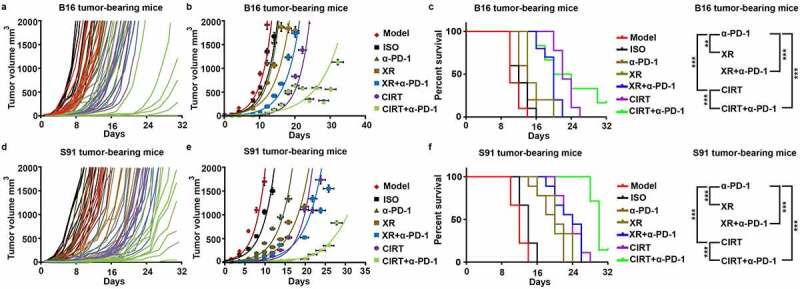
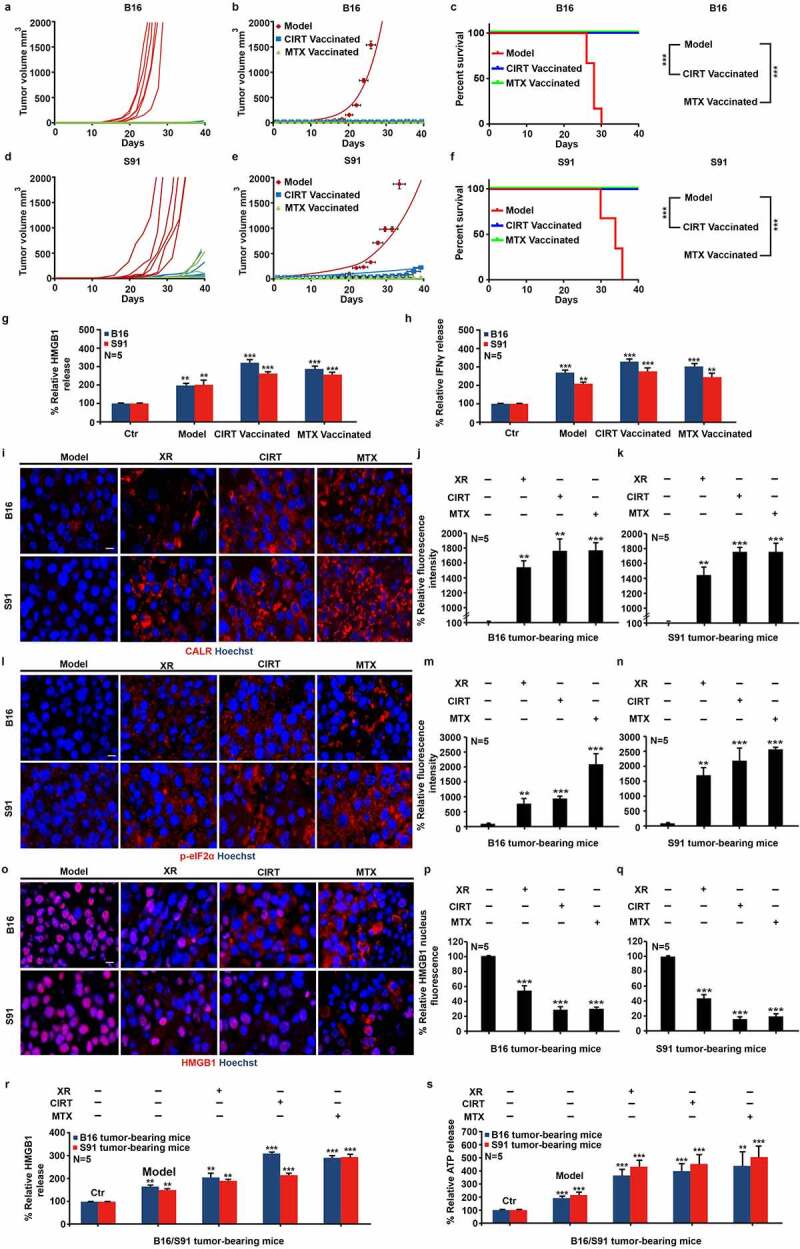
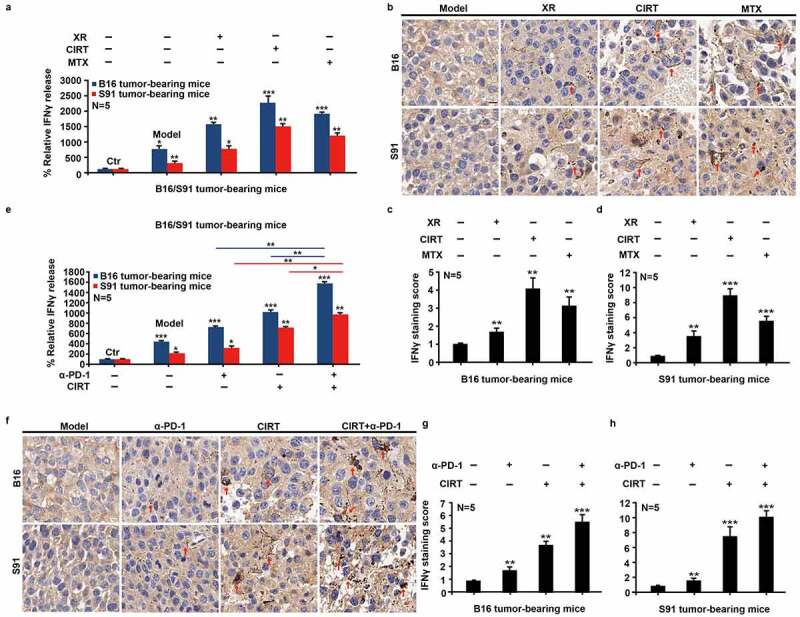
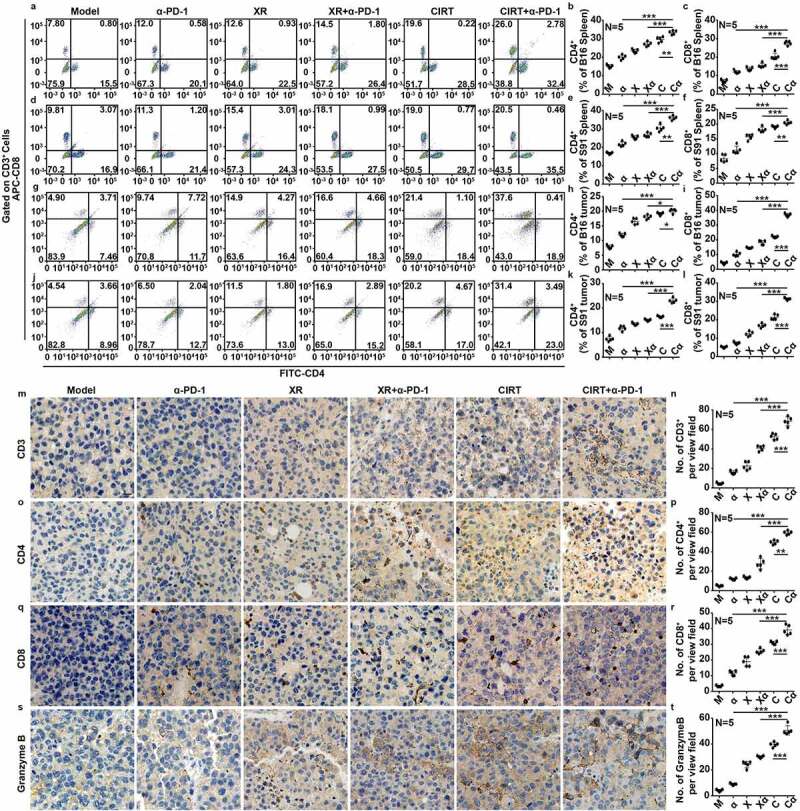
Carbon ion radiotherapy (CIRT) is an emerging type of radiotherapy for the treatment of solid tumors. In recent years, evidence accumulated that CIRT improves the therapeutic outcome in patients with otherwise poor response to immune checkpoint blockade. Here, we aimed at identifying the underlying mechanisms of CIRT-induced tumor immunogenicity and treatment efficacy. We used human U2OS osteosarcoma cells for the in vitro assessment of immunogenic cell death and established several in vivo models of melanoma in mice. We treated the animals with conventional radiation, CIRT, PD-1-targeting immune checkpoint blockade or a sequential combinations of radiotherapy with checkpoint blockade. We utilized flow cytometry, polyacrylamide gel electrophoresis (PAGE) and immunoblot analysis, immunofluorescence, immunohistochemistry, as well as enzyme-linked immunosorbent assays (ELISA) to assess biomarkers of immunogenic cell death in vitro. Treatment efficacy was studied by tumor growth assessment and the tumor immune infiltrate was analyzed by flow cytometry and immunohistochemistry. Compared with conventional radioimmunotherapy, the combination of CIRT with anti-PD-1 more efficiently triggered traits of immunogenic cell death including the exposure of calreticulin, the release of adenosine triphosphate (ATP), the exodus of high-mobility group box 1 (HMGB1) as well as the induction of type-1 interferon responses. In addition, CIRT plus anti-PD-1 led to an increased infiltration of CD4, and CD8 lymphocytes into the tumor bed, significantly decreased tumor growth and prolonged survival of melanoma bearing mice. We herein provide evidence that CIRT-triggered immunogenic cell death, enhanced tumor immunogenicity and improved the efficacy of subsequent anti-PD-1 immunotherapy.
碳离子放疗(CIRT)是一种新兴的治疗实体瘤的放疗方法。近年来,有证据表明 CIRT 改善了对免疫检查点阻断反应不佳的患者的治疗效果。在这里,我们旨在确定 CIRT 诱导肿瘤免疫原性和治疗效果的潜在机制。我们使用人 U2OS 骨肉瘤细胞进行体外免疫原性细胞死亡评估,并在小鼠中建立了几种黑色素瘤的体内模型。我们用常规放疗、CIRT、PD-1 靶向免疫检查点阻断或放疗与检查点阻断的序贯联合治疗动物。我们利用流式细胞术、聚丙烯酰胺凝胶电泳(PAGE)和免疫印迹分析、免疫荧光、免疫组织化学以及酶联免疫吸附测定(ELISA)来评估体外免疫原性细胞死亡的生物标志物。通过肿瘤生长评估和流式细胞术和免疫组织化学分析肿瘤免疫浸润来研究治疗效果。与常规放免治疗相比,CIRT 联合抗 PD-1 更有效地触发免疫原性细胞死亡的特征,包括钙网蛋白的暴露、三磷酸腺苷(ATP)的释放、高迁移率族蛋白 1(HMGB1)的流出以及 1 型干扰素反应的诱导。此外,CIRT 联合抗 PD-1 导致 CD4 和 CD8 淋巴细胞更大量地浸润肿瘤床,显著降低肿瘤生长并延长荷瘤小鼠的生存时间。我们在此提供证据表明,CIRT 触发的免疫原性细胞死亡、增强肿瘤免疫原性和提高随后的抗 PD-1 免疫治疗的疗效。