Frey Jessica, Cagle Jackson, Johnson Kara A, Wong Joshua K, Hilliard Justin D, Butson Christopher R, Okun Michael S, de Hemptinne Coralie
Department of Neurology, Norman Fixel Institute for Neurological Diseases, University of Florida, Gainesville, FL, United States.
Department of Neurosurgery, University of Florida, Gainesville, FL, United States.
Front Neurol. 2022 Mar 9;13:825178. doi: 10.3389/fneur.2022.825178. eCollection 2022.
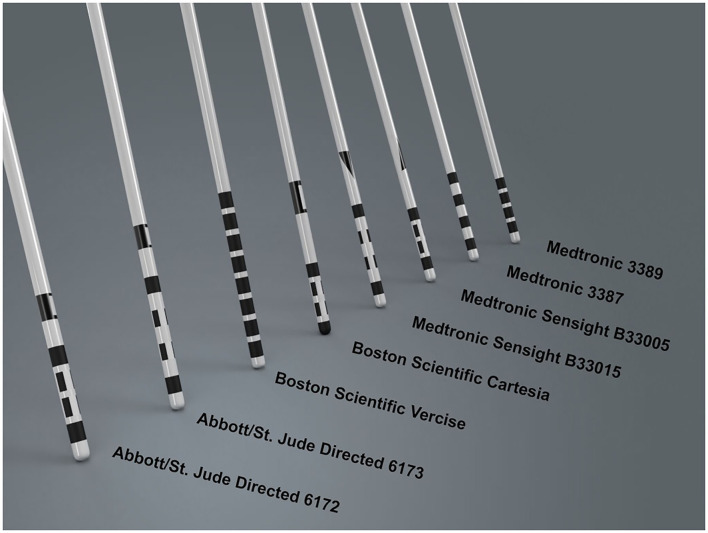
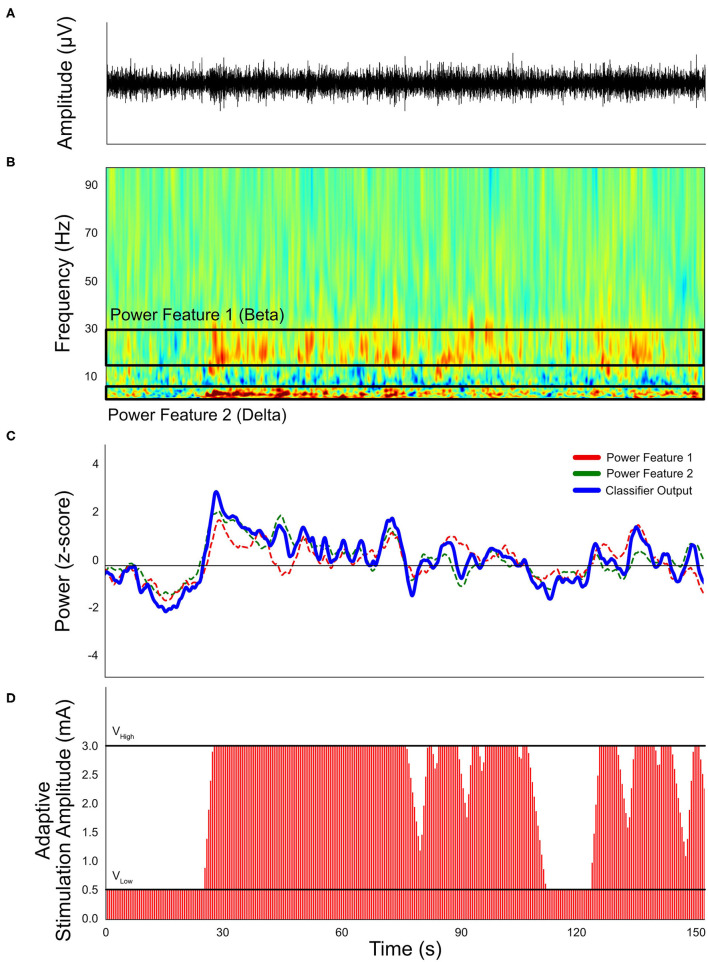
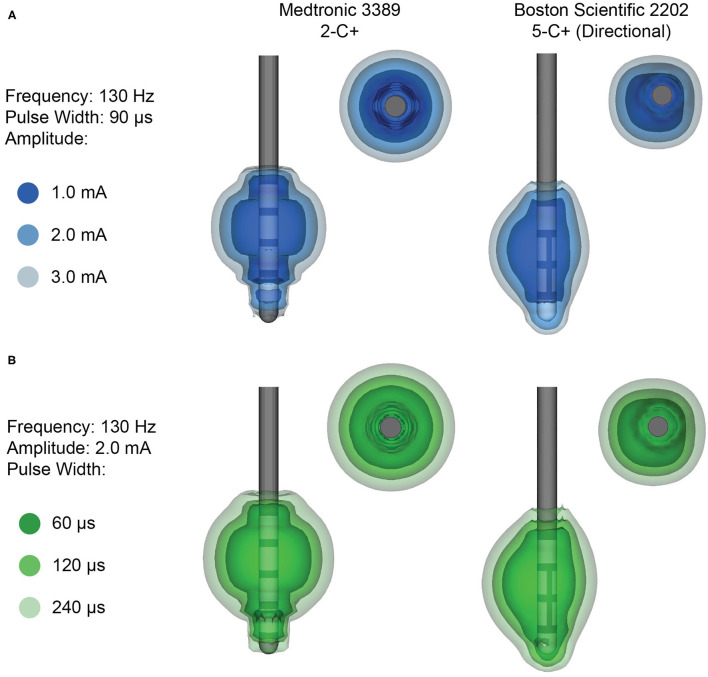
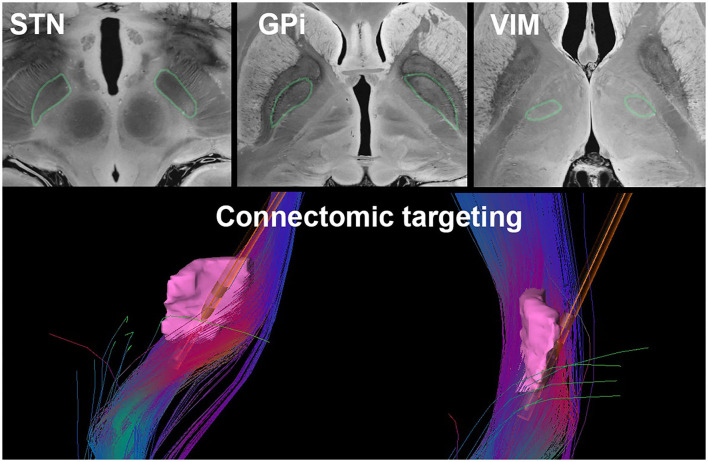
Deep brain stimulation (DBS) has advanced treatment options for a variety of neurologic and neuropsychiatric conditions. As the technology for DBS continues to progress, treatment efficacy will continue to improve and disease indications will expand. Hardware advances such as longer-lasting batteries will reduce the frequency of battery replacement and segmented leads will facilitate improvements in the effectiveness of stimulation and have the potential to minimize stimulation side effects. Targeting advances such as specialized imaging sequences and "connectomics" will facilitate improved accuracy for lead positioning and trajectory planning. Software advances such as closed-loop stimulation and remote programming will enable DBS to be a more personalized and accessible technology. The future of DBS continues to be promising and holds the potential to further improve quality of life. In this review we will address the past, present and future of DBS.
深部脑刺激(DBS)为多种神经和神经精神疾病提供了先进的治疗选择。随着DBS技术的不断进步,治疗效果将持续改善,疾病适应症也会不断扩大。诸如电池续航时间更长等硬件方面的进步将减少电池更换频率,分段式电极将有助于提高刺激效果,并有可能将刺激副作用降至最低。诸如专门的成像序列和“连接组学”等靶点定位方面的进步将有助于提高电极植入位置和轨迹规划的准确性。诸如闭环刺激和远程程控等软件方面的进步将使DBS成为一种更个性化且更易使用的技术。DBS的未来前景依然广阔,有望进一步提高生活质量。在本综述中,我们将探讨DBS的过去、现在和未来。