Fu Hanlin, Si Lulu, Guo Ruixia
Department of Obstetrics and Gynecology, The First Affiliated Hospital of Zhengzhou University, Zhengzhou, China.
Front Psychiatry. 2022 Mar 14;13:820777. doi: 10.3389/fpsyt.2022.820777. eCollection 2022.
The main objective of the current study was to gain insight into the heterogeneity and profiles of depressive symptoms in Chinese individuals aged 45 and over and to determine the optimal cut-off point for the 10-item Center for Epidemiologic Studies Depression Scale (CES-D-10) to provide a reference for future practical application.
The participants were 16,997 Chinese community-dwelling adults aged 45 years or older who completed survey interviews for the 2018 China Health and Retirement Longitudinal Study. The current study utilised latent profile analysis (LPA) to identify distinct profiles based on participants' responses to CES-D-10 items, and receiver operating characteristic (ROC) curve analyses were applied to determine the optimal cut-off point for the CES-D-10 scale.
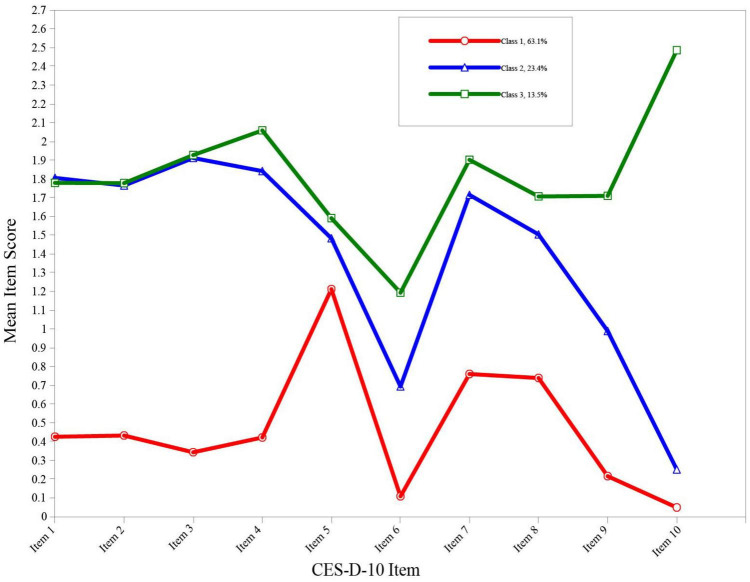
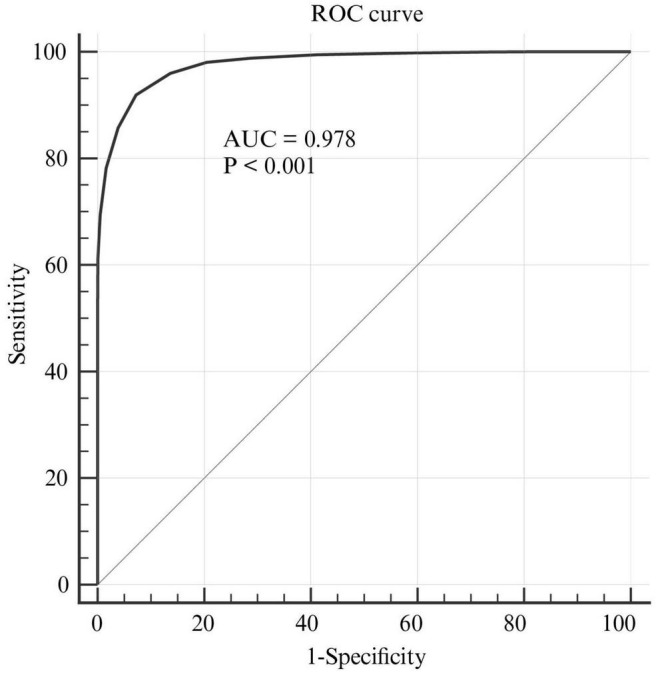
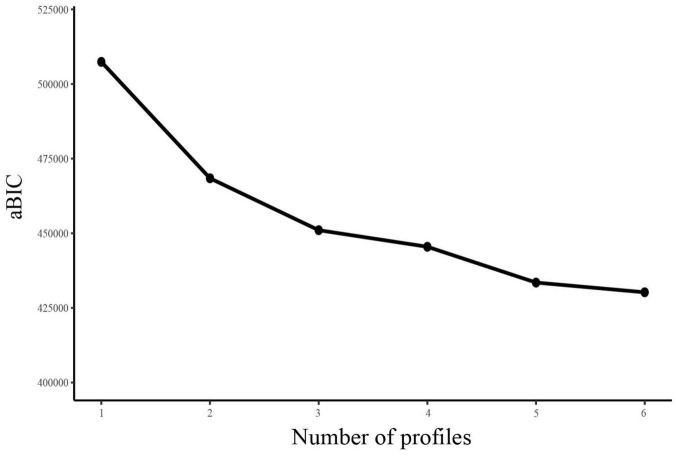
A three-profile solution was suggested as the optimum and included a "minimal depression" group (63.1%), "mild depression" group (23.4%) and "moderate-severe depression" group (13.5%); 36.9% (95% CI: 36.2 ∼ 37.6%) were considered at risk for probable depression. The "minimal depression" group was viewed as "non-cases," and the remaining were viewed as "cases" that served as the reference standard for the ROC analysis, which obtained an AUC value of 97.8% (95% CI: 97.7-98.0%) and identified an optimal cut-off point of 10 (sensitivity:91.93%, specificity: 92.76%, and accuracy: 92.45).
The identification of these distinct profiles underscores the heterogeneity in depressive symptoms among Chinese middle-aged and older adults. The CES-D-10 scale was demonstrated to have acceptable psychometric properties, with a cut-off point of 10 recommended for future research and practical application.
本研究的主要目的是深入了解45岁及以上中国人群抑郁症状的异质性和特征,并确定10项流行病学研究中心抑郁量表(CES-D-10)的最佳临界点,为未来的实际应用提供参考。
参与者为16997名年龄在45岁及以上的中国社区居住成年人,他们完成了2018年中国健康与养老追踪调查的访谈。本研究采用潜在类别分析(LPA),根据参与者对CES-D-10项目的回答来识别不同的类别,并应用受试者工作特征(ROC)曲线分析来确定CES-D-10量表的最佳临界点。
建议采用三类别模型作为最佳模型,包括“轻度抑郁”组(63.1%)、“中度抑郁”组(23.4%)和“重度抑郁”组(13.5%);36.9%(95%CI:36.2~37.6%)被认为有抑郁风险。“轻度抑郁”组被视为“非病例”,其余被视为“病例”,作为ROC分析的参考标准,其AUC值为97.8%(95%CI:97.7-98.0%),确定最佳临界点为10(灵敏度:91.93%,特异度:92.76%,准确度:92.45)。
这些不同类别的识别强调了中国中老年人抑郁症状的异质性。CES-D-10量表具有可接受的心理测量学特性,建议将临界点设为10,以供未来研究和实际应用。