School of Chinese Materia Medica, Beijing University of Chinese Medicine, Beijing 102488, China.
Oxid Med Cell Longev. 2022 Mar 22;2022:2524832. doi: 10.1155/2022/2524832. eCollection 2022.
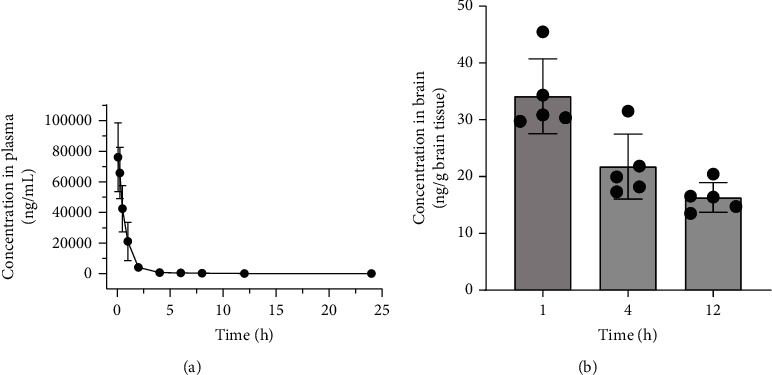
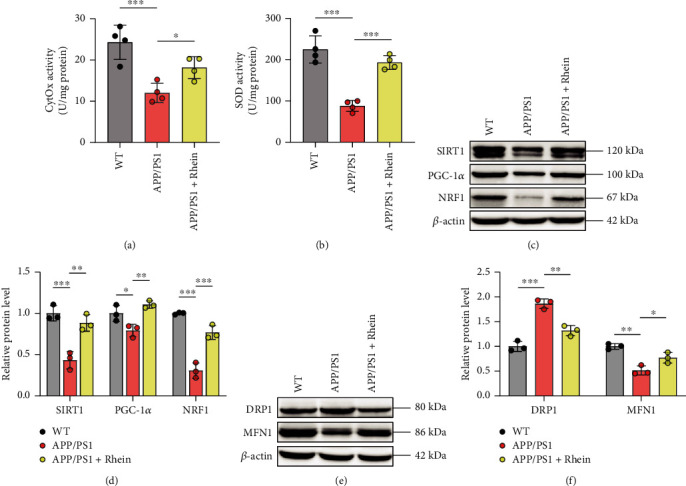
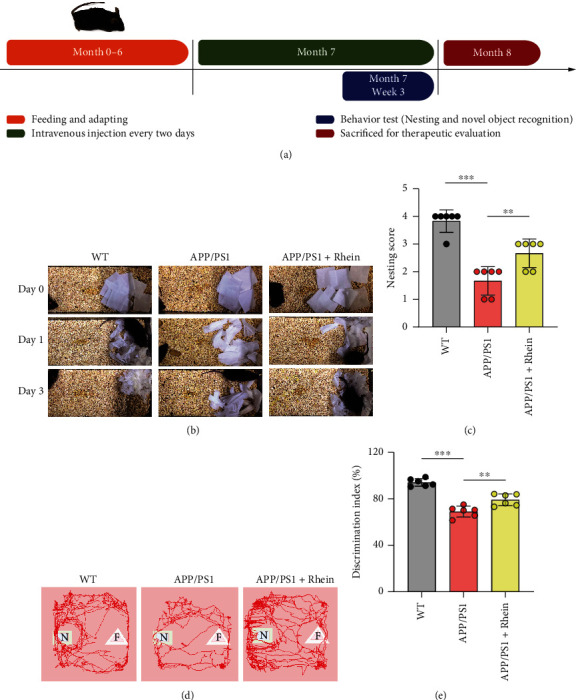
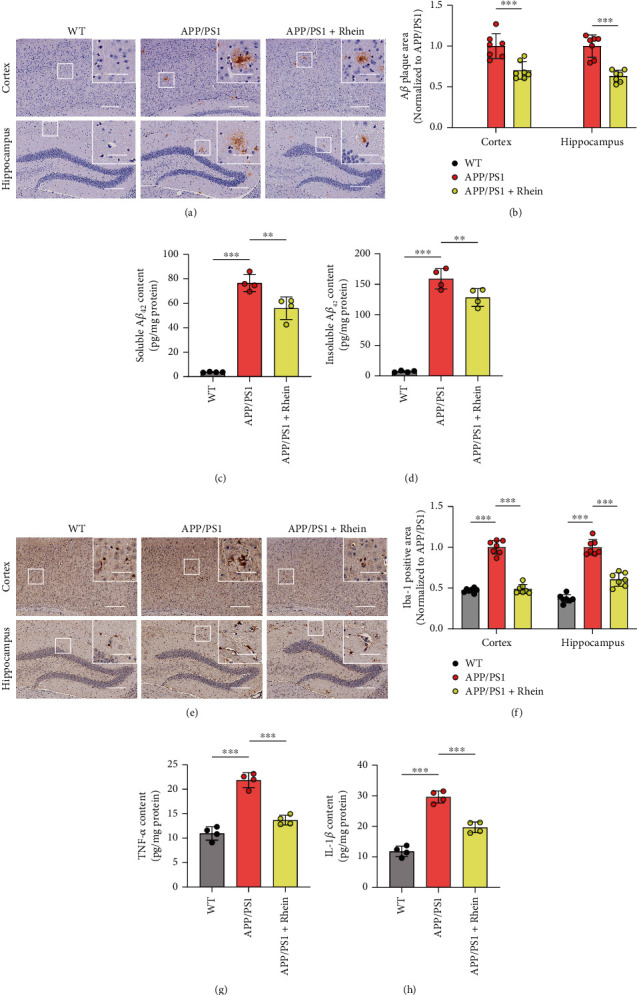
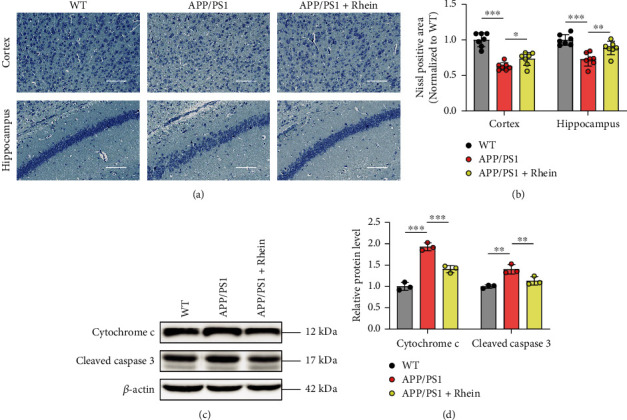
Mitochondrial oxidative stress plays an important role in the pathogenesis of Alzheimer's disease (AD). Recently, antioxidant therapy has been considered an effective strategy for the treatment of AD. Our previous work discovered that rhein relieved mitochondrial oxidative stress in -amyloid (A) oligomer-induced primary neurons by improving the sirtuin 1 (SIRT1)/peroxisome proliferator-activated receptor gamma coactivator 1-alpha- (PGC-1-) regulated mitochondrial biogenesis. While encouraging results have been provided, mechanisms underlying the beneficial effect of rhein on AD are yet to be elucidated . In this study, we evaluated the therapeutic effect of rhein on an APP/PS1 transgenic (APP/PS1) mouse model of AD and explored its antioxidant mechanisms. As a result, rhein significantly reduced A burden and neuroinflammation and eventually ameliorated cognitive impairment in APP/PS1 mice. Moreover, rhein reversed oxidative stress in the brain of APP/PS1 mice and protected neurons from oxidative stress-associated apoptosis. Further study revealed that rhein promoted mitochondrial biogenesis against oxidative stress by upregulating SIRT1 and its downstream PGC-1 as well as nuclear respiratory factor 1. Improved mitochondrial biogenesis not only increased the activity of superoxide dismutase to scavenge excess reactive oxygen species (ROS) but also repaired mitochondria by mitochondrial fusion to inhibit the production of ROS from the electron transport chain. Notably, the exposure of rhein in the brain analyzed by tissue distribution study indicated that rhein could permeate into the brain to exert its therapeutic effects. In conclusion, these findings drive rhein to serve as a promising therapeutic antioxidant for the treatment of AD. Our research highlights the therapeutic efficacy for AD through regulating mitochondrial biogenesis the SIRT1/PGC-1 pathway.
线粒体氧化应激在阿尔茨海默病(AD)的发病机制中起重要作用。最近,抗氧化治疗被认为是治疗 AD 的有效策略。我们之前的工作发现,大黄酸通过改善沉默信息调节因子 1(SIRT1)/过氧化物酶体增殖物激活受体γ共激活因子 1-α(PGC-1-α)调节的线粒体生物发生来缓解淀粉样β(A)寡聚体诱导的原代神经元中的线粒体氧化应激。虽然已经提供了令人鼓舞的结果,但大黄酸对 AD 的有益作用的机制尚不清楚。在这项研究中,我们评估了大黄酸对 APP/PS1 转基因(APP/PS1)AD 小鼠模型的治疗效果,并探讨了其抗氧化机制。结果表明,大黄酸可显著降低 A 负担和神经炎症,最终改善 APP/PS1 小鼠的认知障碍。此外,大黄酸逆转了 APP/PS1 小鼠大脑中的氧化应激,并保护神经元免受氧化应激相关的细胞凋亡。进一步的研究表明,大黄酸通过上调 SIRT1 及其下游的 PGC-1 和核呼吸因子 1 来促进对抗氧化应激的线粒体生物发生。改善的线粒体生物发生不仅增加了超氧化物歧化酶的活性以清除多余的活性氧(ROS),而且通过线粒体融合修复线粒体,从而抑制电子传递链产生 ROS。值得注意的是,组织分布研究分析的大黄酸在大脑中的暴露表明,大黄酸可以穿透大脑发挥其治疗作用。总之,这些发现促使大黄酸成为治疗 AD 的有前途的治疗性抗氧化剂。我们的研究通过调节 SIRT1/PGC-1 通路的线粒体生物发生来强调 AD 的治疗效果。