Department of Cellular and Molecular Biology, University of Texas at Tyler Health Science Center, Tyler, Texas, USA.
Laboratory for Comprehensive Bioimaging, RIKEN Center for Biosystems Dynamics Research, Kobe, Hyogo, Japan.
J Biol Chem. 2022 May;298(5):101883. doi: 10.1016/j.jbc.2022.101883. Epub 2022 Mar 31.
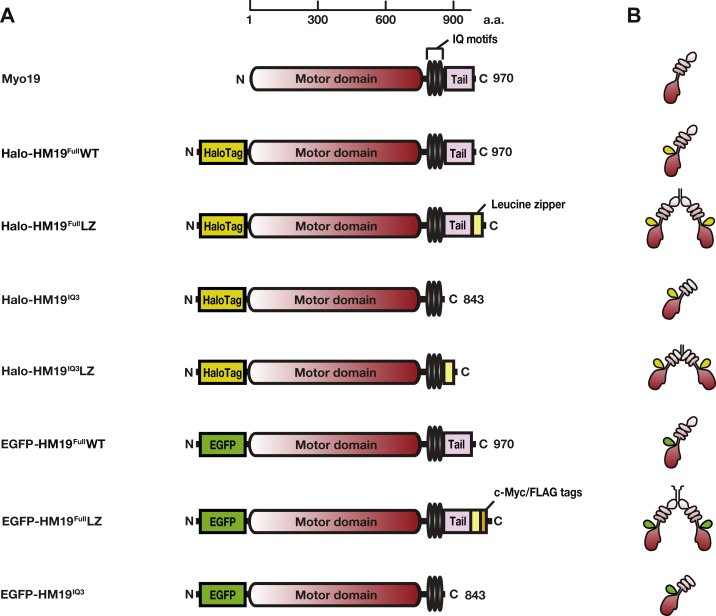
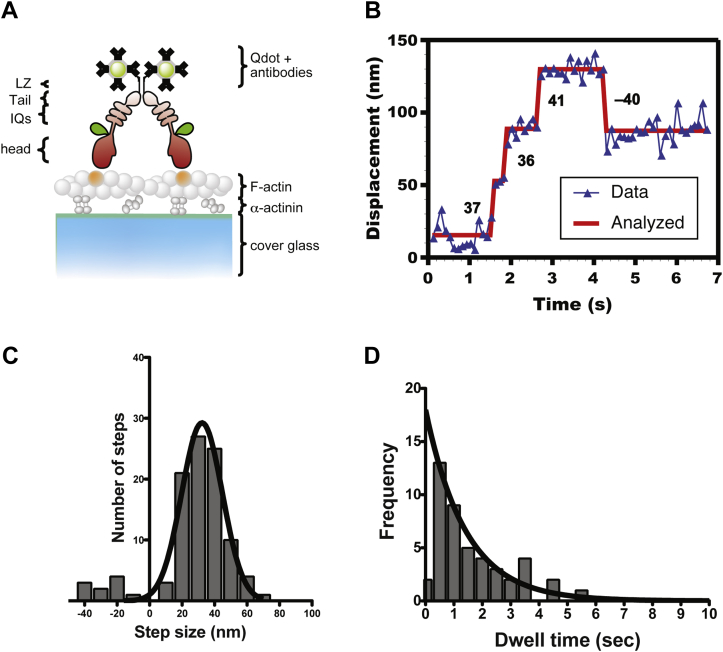
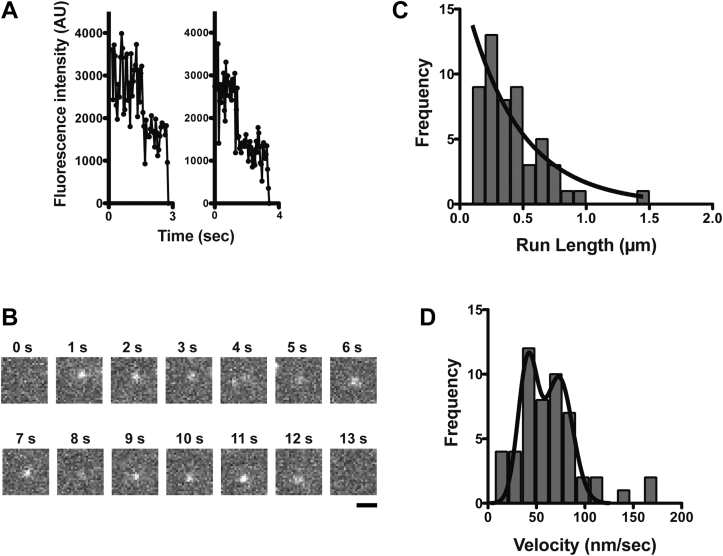
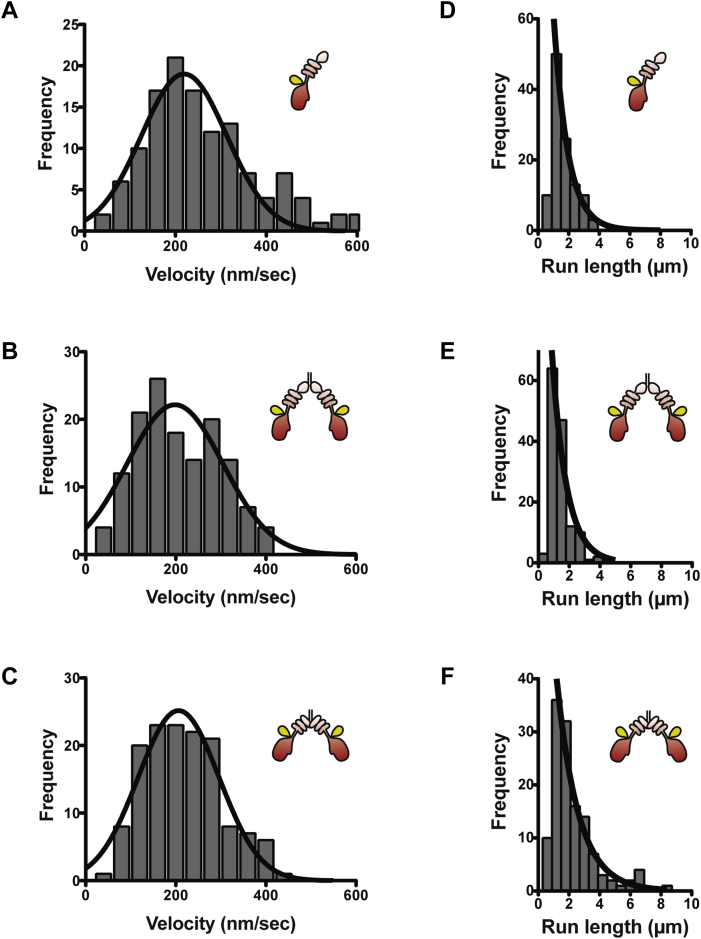
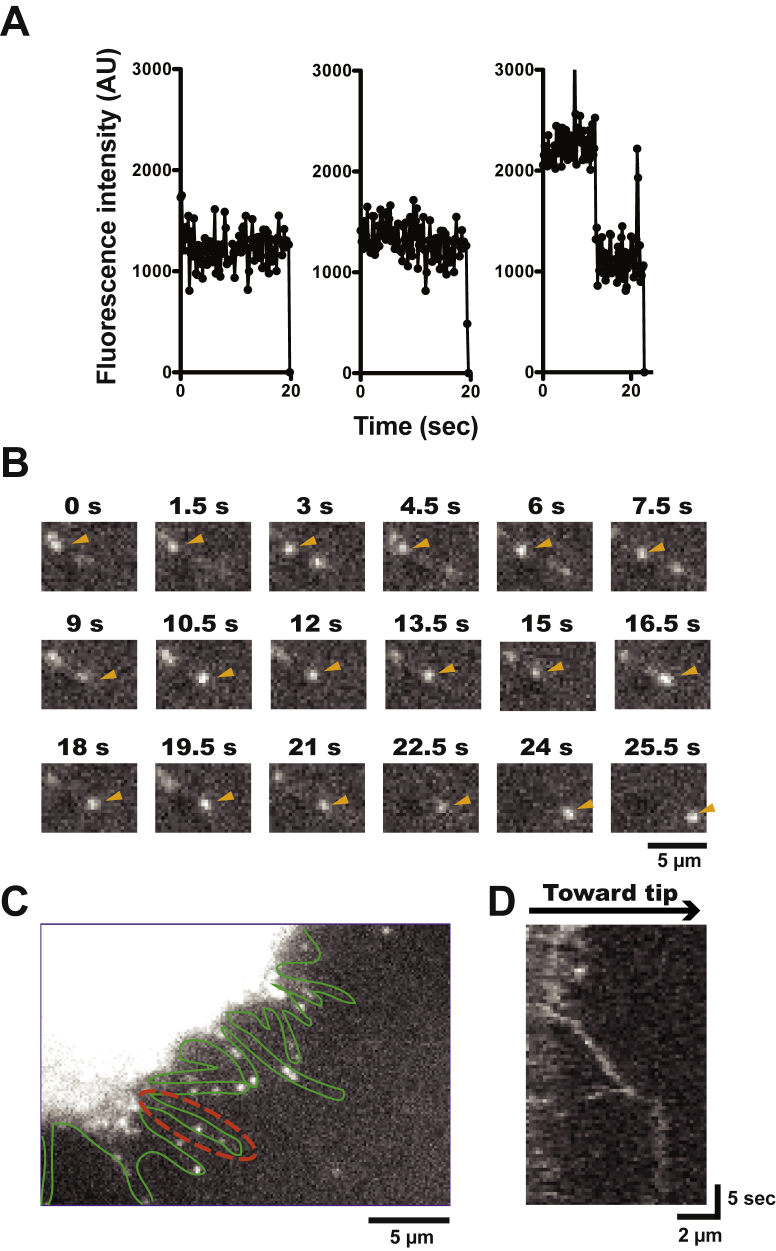
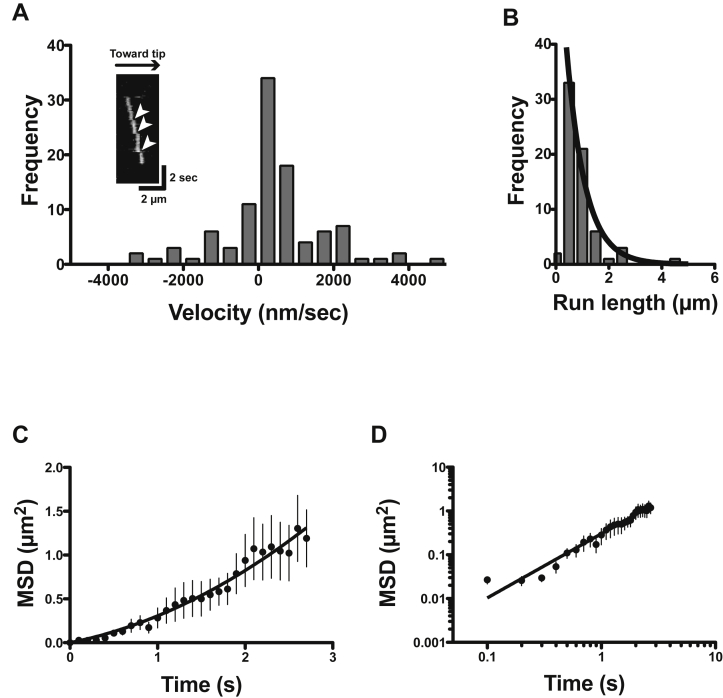
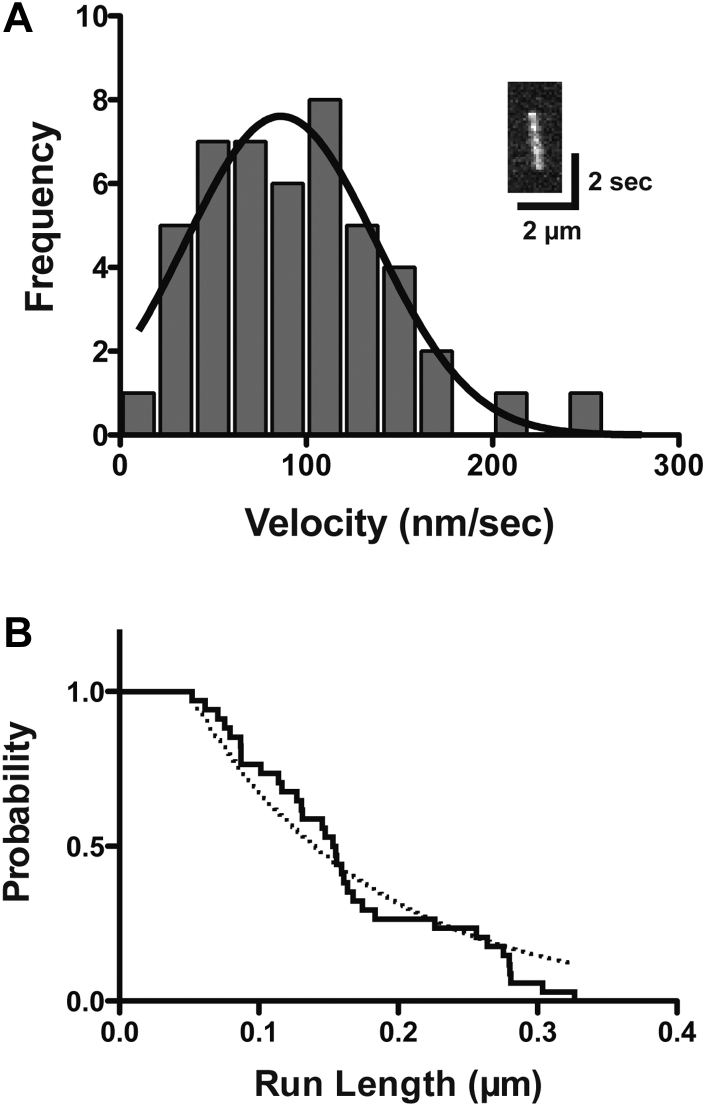
Mitochondria are fundamentally important in cell function, and their malfunction can cause the development of cancer, cardiovascular disease, and neuronal disorders. Myosin 19 (Myo19) shows discrete localization with mitochondria and is thought to play an important role in mitochondrial dynamics and function; however, the function of Myo19 in mitochondrial dynamics at the cellular and molecular levels is poorly understood. Critical missing information is whether Myo19 is a processive motor that is suitable for transportation of mitochondria. Here, we show for the first time that single Myo19 molecules processively move on actin filaments and can transport mitochondria in cells. We demonstrate that Myo19 dimers having a leucine zipper processively moved on cellular actin tracks in demembraned cells with a velocity of 50 to 60 nm/s and a run length of ∼0.4 μm, similar to the movement of isolated mitochondria from Myo19 dimer-transfected cells on actin tracks, suggesting that the Myo19 dimer can transport mitochondria. Furthermore, we show single molecules of Myo19 dimers processively moved on single actin filaments with a large step size of ∼34 nm. Importantly, WT Myo19 single molecules without the leucine zipper processively move in filopodia in living cells similar to Myo19 dimers, whereas deletion of the tail domain abolished such active movement. These results suggest that Myo19 can processively move on actin filaments when two Myo19 monomers form a dimer, presumably as a result of tail-tail association. In conclusion, Myo19 molecules can directly transport mitochondria on actin tracks within living cells.
线粒体在细胞功能中起着至关重要的作用,其功能障碍会导致癌症、心血管疾病和神经元紊乱的发展。肌球蛋白 19(Myo19)与线粒体有明显的定位关系,被认为在线粒体动力学和功能中发挥重要作用;然而,Myo19 在细胞和分子水平上对线粒体动力学的功能仍知之甚少。关键的缺失信息是 Myo19 是否是一种适合运输线粒体的连续运动分子。在这里,我们首次表明,单个 Myo19 分子可在肌动蛋白丝上连续运动,并可在细胞中运输线粒体。我们证明,具有亮氨酸拉链的 Myo19 二聚体在去膜细胞中以 50 到 60nm/s 的速度和 0.4μm 的运行长度在细胞肌动蛋白轨道上连续移动,类似于从 Myo19 二聚体转染细胞的分离线粒体在肌动蛋白轨道上的运动,表明 Myo19 二聚体可以运输线粒体。此外,我们还表明,Myo19 二聚体的单个分子可以在单个肌动蛋白丝上以约 34nm 的大步幅连续移动。重要的是,没有亮氨酸拉链的 WT Myo19 单个分子在活细胞中的丝状伪足中连续移动,类似于 Myo19 二聚体,而尾部结构域的缺失则消除了这种主动运动。这些结果表明,当两个 Myo19 单体形成二聚体时,Myo19 可以在肌动蛋白丝上连续运动,可能是由于尾部-尾部的结合。总之,Myo19 分子可以在活细胞内的肌动蛋白轨道上直接运输线粒体。