Department of Veterinary Medicine, Institute of Veterinary Physiology, Freie Universität Berlin, Germany.
Physiol Rep. 2022 Apr;10(7):e15237. doi: 10.14814/phy2.15237.
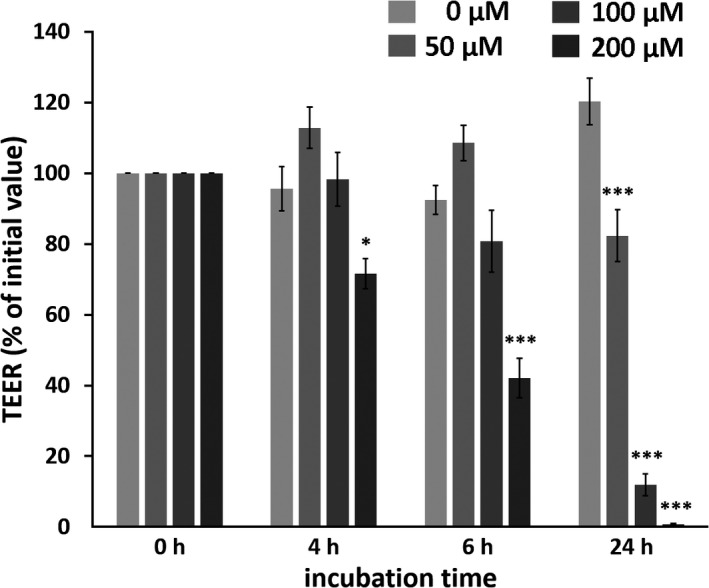
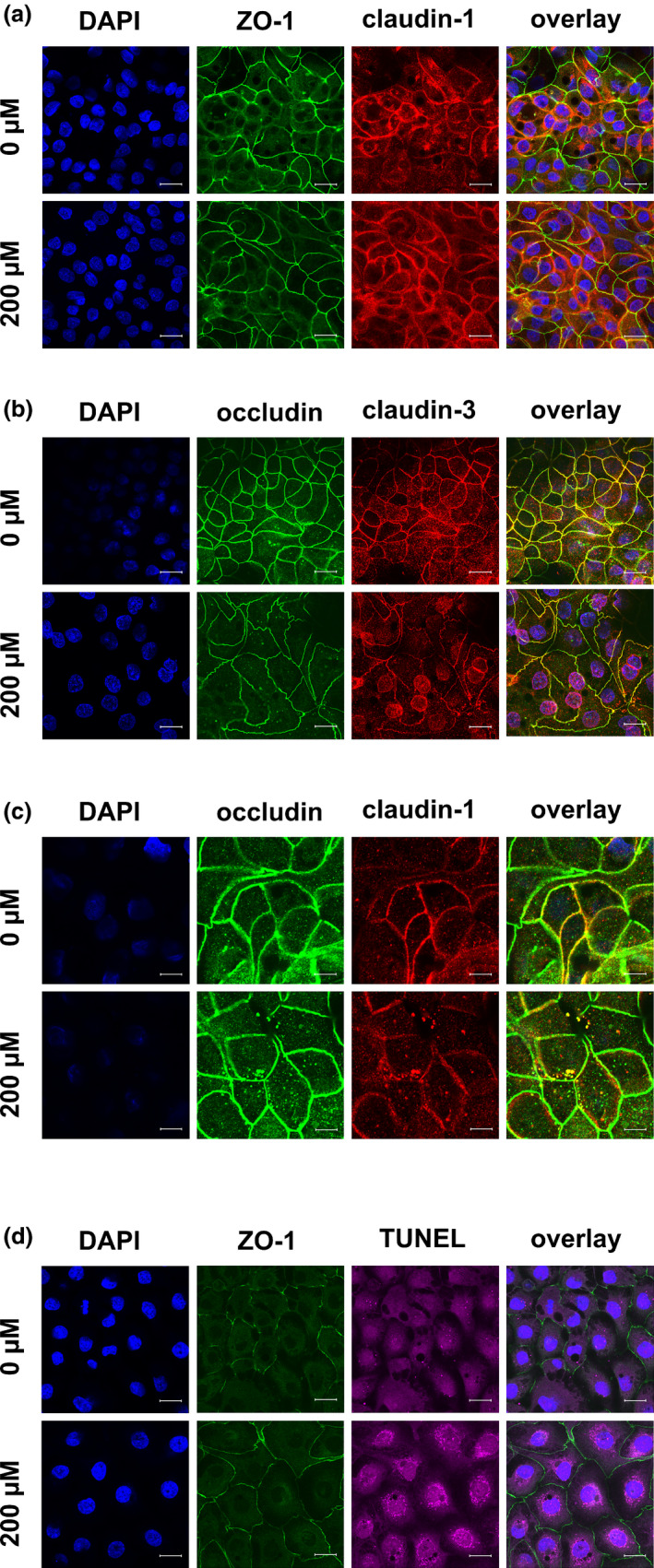
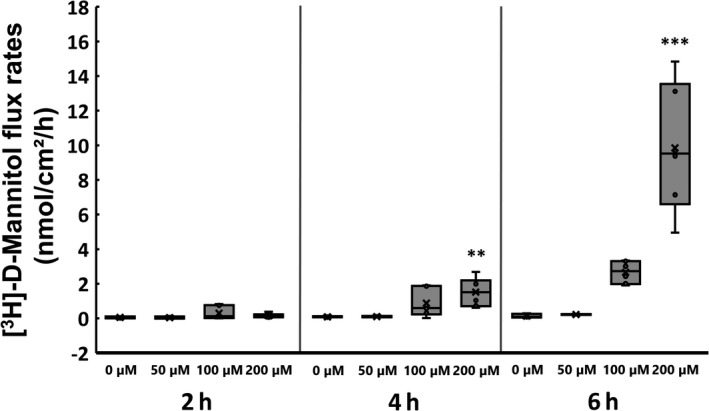
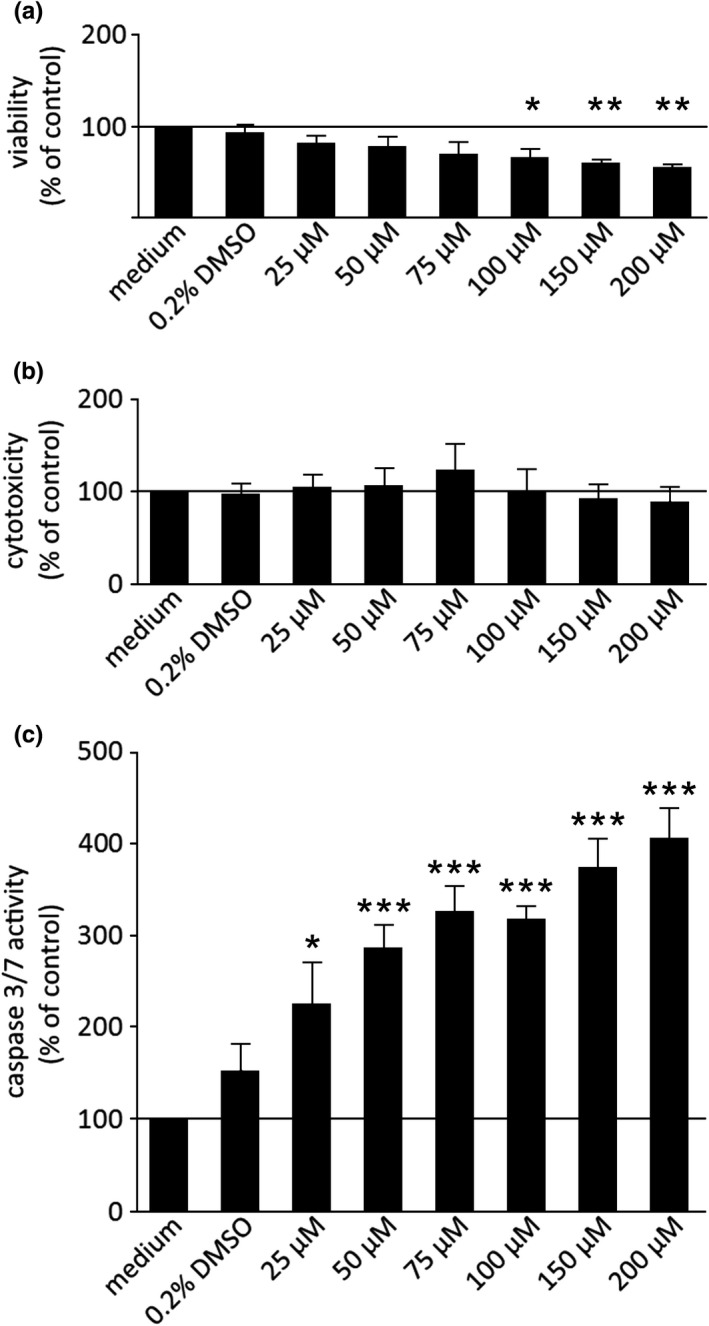
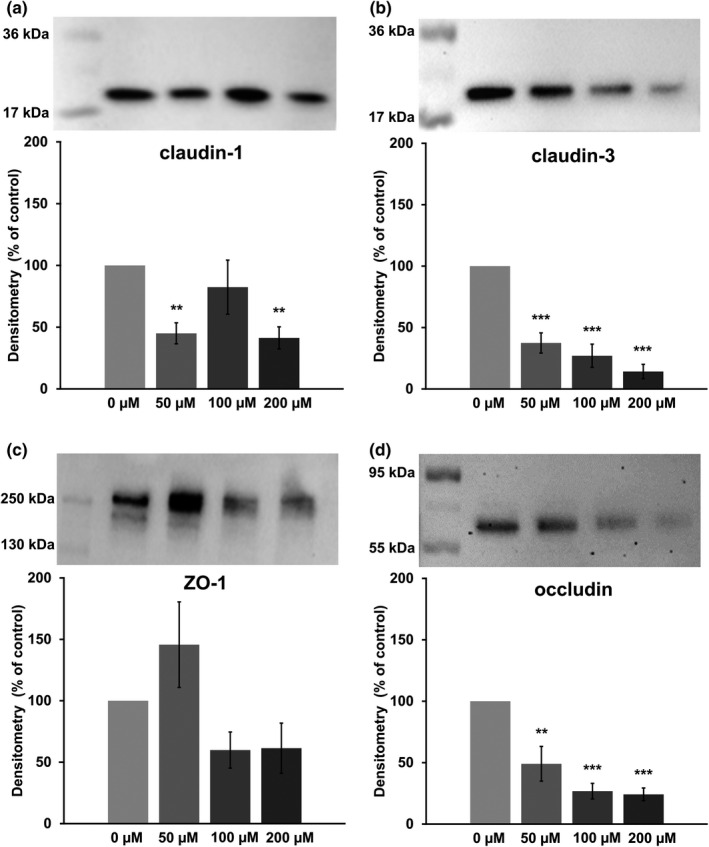
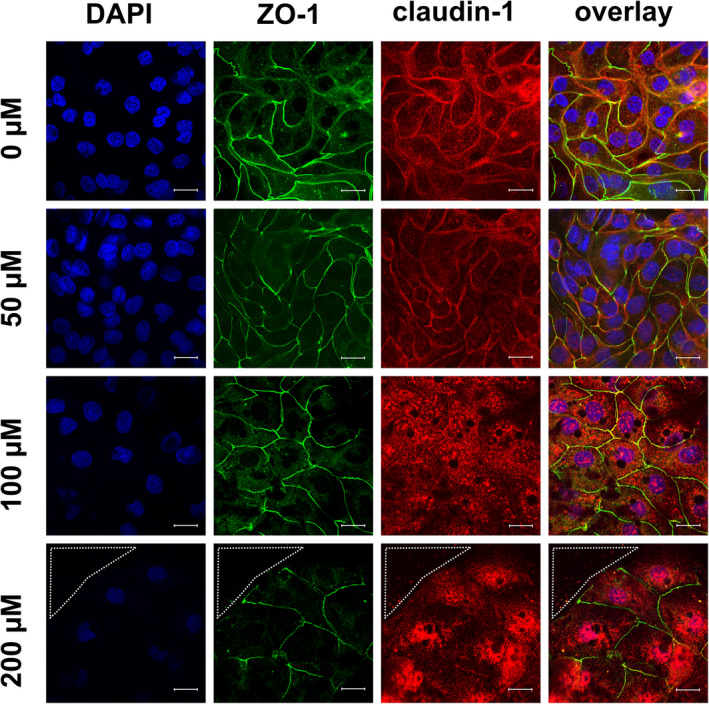
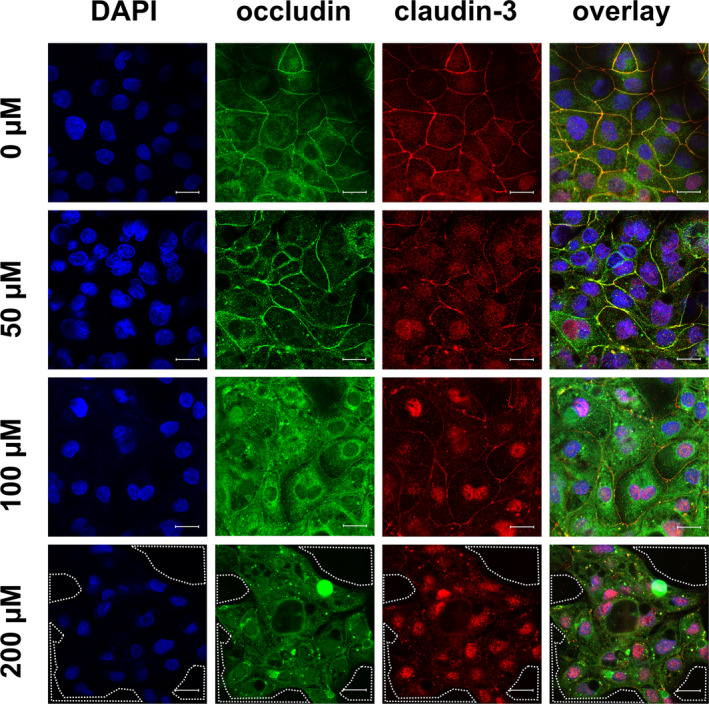
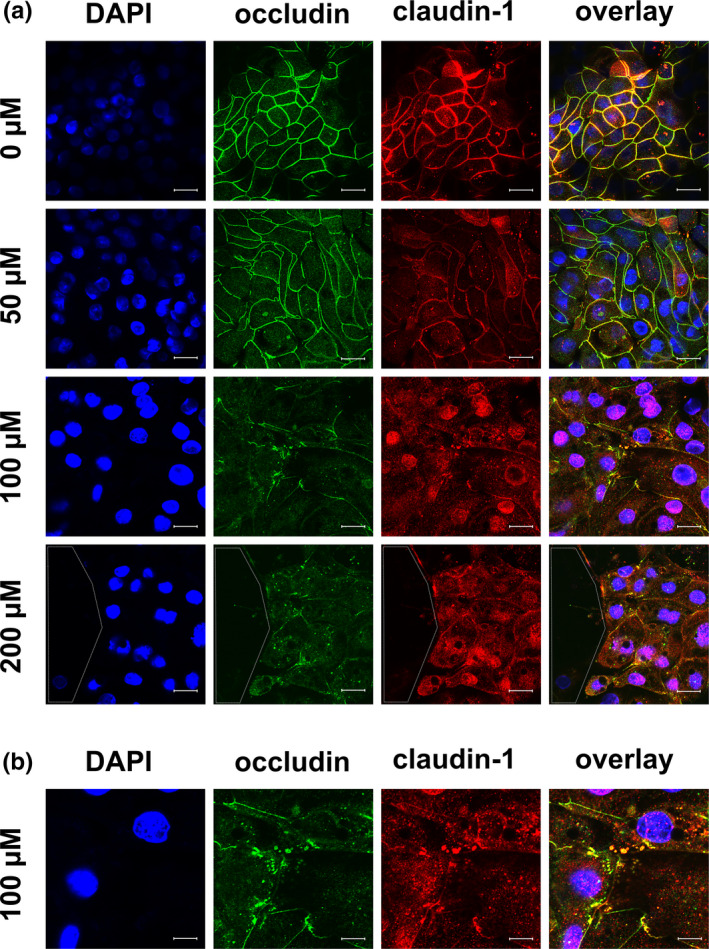
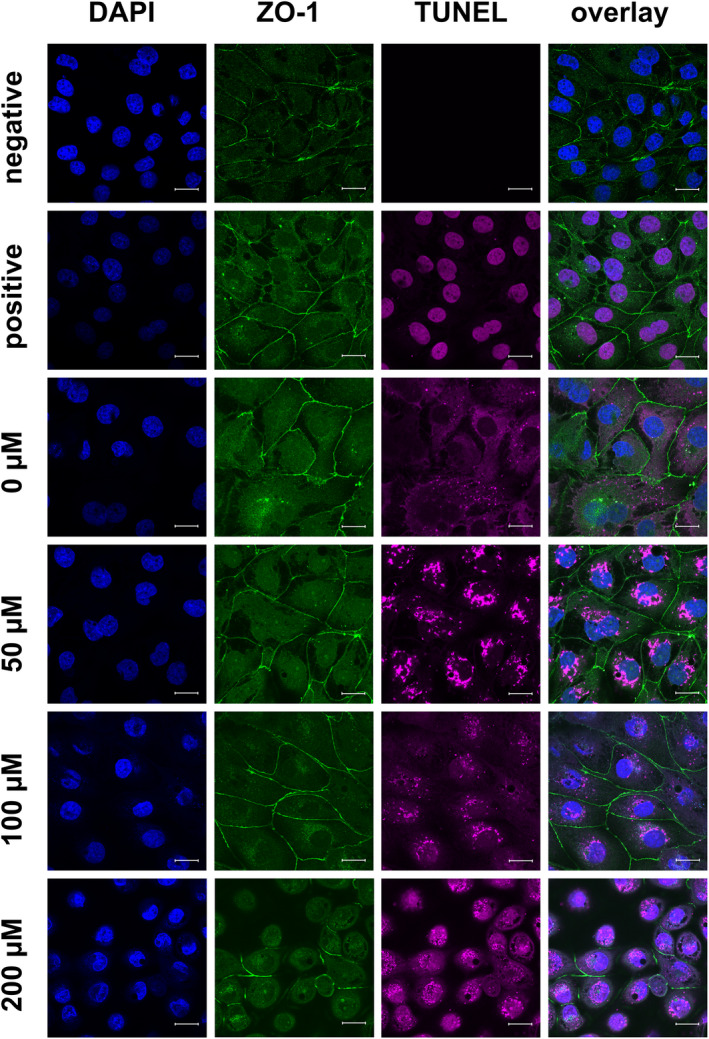
The plant alkaloid berberine has been shown to have many beneficial effects on human health. This has led to its use as a treatment for various cancer types, obesity, and diabetes. Moreover, a described barrier-strengthening effect in human cancer cell lines indicates that it might be useful for the treatment of inflammatory bowel disease. Detailed information regarding its effects on intestinal epithelium remains limited. In our current study, we describe the impact of berberine on a non-transformed porcine small intestinal epithelial cell model, IPEC-J2. Incubation of IPEC-J2 monolayers with berberine revealed dose- and time-dependent effects on barrier properties. A viability assay confirmed the specific effect of berberine on the apoptotic pathway, paralleled by the internalization of the sealing tight-junction (TJ) proteins claudin-1, claudin-3, and occludin within 6 h. Hence, the barrier function of the cells was reduced, as shown by the reduced transepithelial electrical resistance and the increased [ H]-D-Mannitol flux. A decrease of claudin-1, claudin-3, and occludin expression was also observed after 24 h, whereas ZO-1 expression was not significantly changed. These data indicate an early effect on both cell viability and barrier integrity, followed by a general effect on TJ architecture. The intracellular co-localization of claudin-1 and occludin or claudin-3 and occludin points to an initial induction of apoptosis accompanied by the internalization of sealing TJ proteins. Although barrier strengthening has been reported in cancerogenic epithelial models, our results show a barrier-weakening action, which represents a new aspect of the effect of berberine on epithelia. These results agree with the known toxic potential of plant alkaloids in general and show that berberine is also capable of exerting adverse effects in the intestinal epithelium.
植物生物碱小檗碱已被证明对人类健康有许多有益的影响。这导致它被用于治疗各种癌症类型、肥胖症和糖尿病。此外,在人类癌细胞系中描述的屏障强化作用表明,它可能对治疗炎症性肠病有用。关于其对肠道上皮的影响的详细信息仍然有限。在我们目前的研究中,我们描述了小檗碱对非转化猪小肠上皮细胞模型 IPEC-J2 的影响。用小檗碱孵育 IPEC-J2 单层细胞显示出剂量和时间依赖性的屏障特性。活力测定证实了小檗碱对凋亡途径的特异性影响,同时在 6 小时内内化了紧密连接 (TJ) 蛋白紧密连接蛋白-1、紧密连接蛋白-3 和闭合蛋白。因此,细胞的屏障功能降低,如跨上皮电阻降低和 [H]-D-甘露糖醇通量增加所示。还观察到 24 小时后 claudin-1、claudin-3 和 occludin 的表达减少,而 ZO-1 的表达没有明显变化。这些数据表明,早期对细胞活力和屏障完整性有影响,随后对 TJ 结构有一般影响。claudin-1 和 occludin 或 claudin-3 和 occludin 的细胞内共定位表明,凋亡的初始诱导伴随着密封 TJ 蛋白的内化。尽管在致癌上皮模型中已经报道了屏障强化作用,但我们的结果显示了屏障弱化作用,这代表了小檗碱对上皮的影响的一个新方面。这些结果与植物生物碱的已知毒性潜力一致,并表明小檗碱也能够对肠道上皮产生不利影响。