Hart Daniel P, Matino Davide, Astermark Jan, Dolan Gerard, d'Oiron Roseline, Hermans Cédric, Jiménez-Yuste Victor, Linares Adriana, Matsushita Tadashi, McRae Simon, Ozelo Margareth C, Platton Sean, Stafford Darrel, Sidonio Robert F, Tiede Andreas
The Royal London Hospital Haemophilia Centre, Barts and The London School of Medicine and Dentistry, Queen Mary University of London, Whitechapel Road, London E1 2AD, UK.
Department of Medicine, McMaster University and The Thrombosis and Atherosclerosis Research Institute, Hamilton, ON, Canada.
Ther Adv Hematol. 2022 Apr 2;13:20406207221085202. doi: 10.1177/20406207221085202. eCollection 2022.
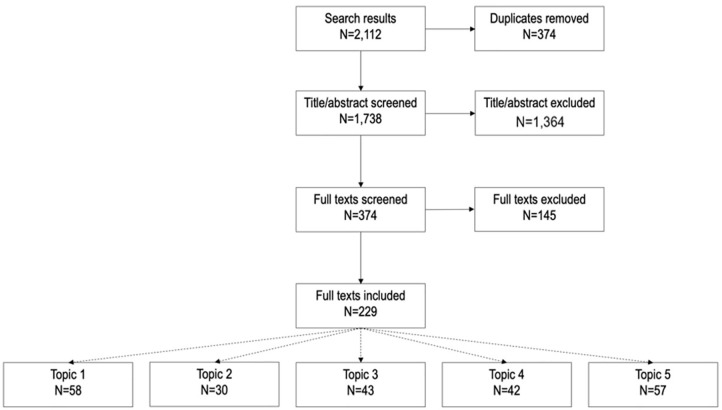
Haemophilia B is a rare X-linked genetic deficiency of coagulation factor IX (FIX) that, if untreated, can cause recurrent and disabling bleeding, potentially leading to severe arthropathy and/or life-threatening haemorrhage. Recent decades have brought significant improvements in haemophilia B management, including the advent of recombinant FIX and extended half-life FIX. This therapeutic landscape continues to evolve with several non-factor replacement therapies and gene therapies under investigation. Given the rarity of haemophilia B, the evidence base and clinical experience on which to establish clinical guidelines are relatively sparse and are further challenged by features that are distinct from haemophilia A, precluding extrapolation of existing haemophilia A guidelines. Due to the paucity of formal haemophilia B-specific clinical guidance, an international Author Group was convened to develop a clinical practice framework. The group comprised 15 haematology specialists from Europe, Australia, Japan, Latin America and North America, covering adult and paediatric haematology, laboratory medicine and biomedical science. A hybrid approach combining a systematic review of haemophilia B literature with discussion of clinical experience utilized a modified Delphi format to develop a comprehensive set of clinical recommendations. This approach resulted in 29 recommendations for the clinical management of haemophilia B across five topics, including product treatment choice, therapeutic agent laboratory monitoring, pharmacokinetics considerations, inhibitor management and preparing for gene therapy. It is anticipated that this clinical practice framework will complement existing guidelines in the management of people with haemophilia B in routine clinical practice and could be adapted and applied across different regions and countries.
乙型血友病是一种罕见的、与X染色体连锁的凝血因子IX(FIX)缺乏症,如果不进行治疗,可导致反复发生的致残性出血,可能会引发严重的关节病和/或危及生命的出血。近几十年来,乙型血友病的治疗取得了显著进展,包括重组FIX和长效FIX的出现。随着几种非因子替代疗法和基因疗法正在研究中,这一治疗格局仍在不断演变。鉴于乙型血友病的罕见性,用于制定临床指南的证据基础和临床经验相对较少,而且与甲型血友病不同的特征进一步增加了挑战,使得无法直接套用现有的甲型血友病指南。由于缺乏正式的乙型血友病特异性临床指南,因此召集了一个国际作者小组来制定一个临床实践框架。该小组由来自欧洲、澳大利亚、日本、拉丁美洲和北美的15名血液学专家组成,涵盖成人和儿童血液学、检验医学和生物医学科学领域。一种将对乙型血友病文献的系统综述与临床经验讨论相结合的混合方法,采用了改良的德尔菲法来制定一套全面的临床建议。这种方法产生了29条关于乙型血友病临床管理的建议,涉及五个主题,包括产品治疗选择、治疗药物的实验室监测、药代动力学考虑、抑制剂管理以及基因治疗准备。预计这一临床实践框架将在常规临床实践中补充现有的乙型血友病患者管理指南,并可在不同地区和国家进行调整和应用。