Institute of Health Sciences, Key Laboratory of Medical Cell Biology of Ministry of Education, China Medical University, Shenyang, 110122, China.
Translational Medicine Laboratory, School of Basic Medical Sciences, Jilin Medical University, Jilin, 132013, China.
Cell Death Dis. 2022 Apr 7;13(4):318. doi: 10.1038/s41419-022-04765-1.
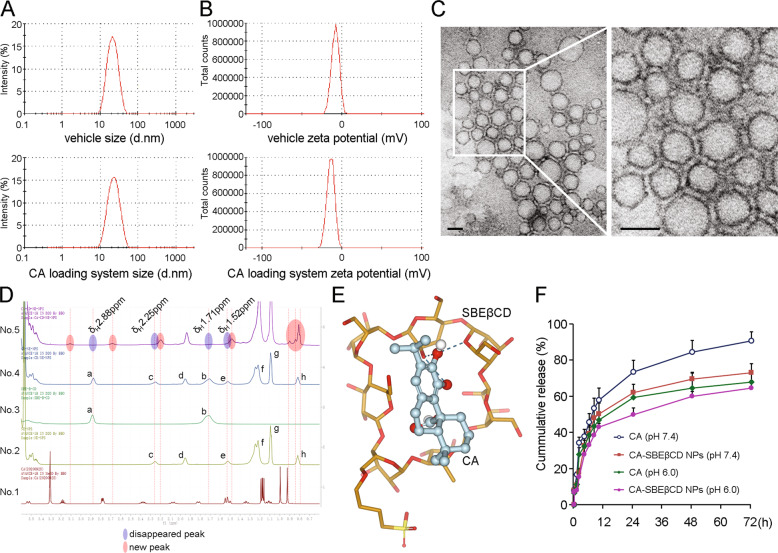
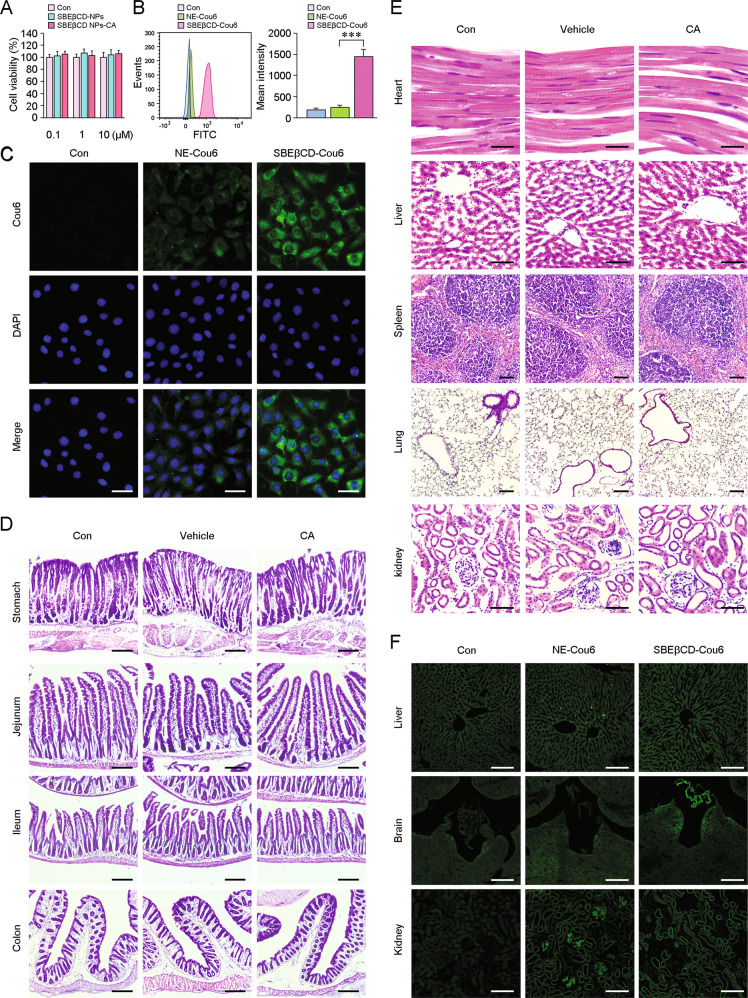
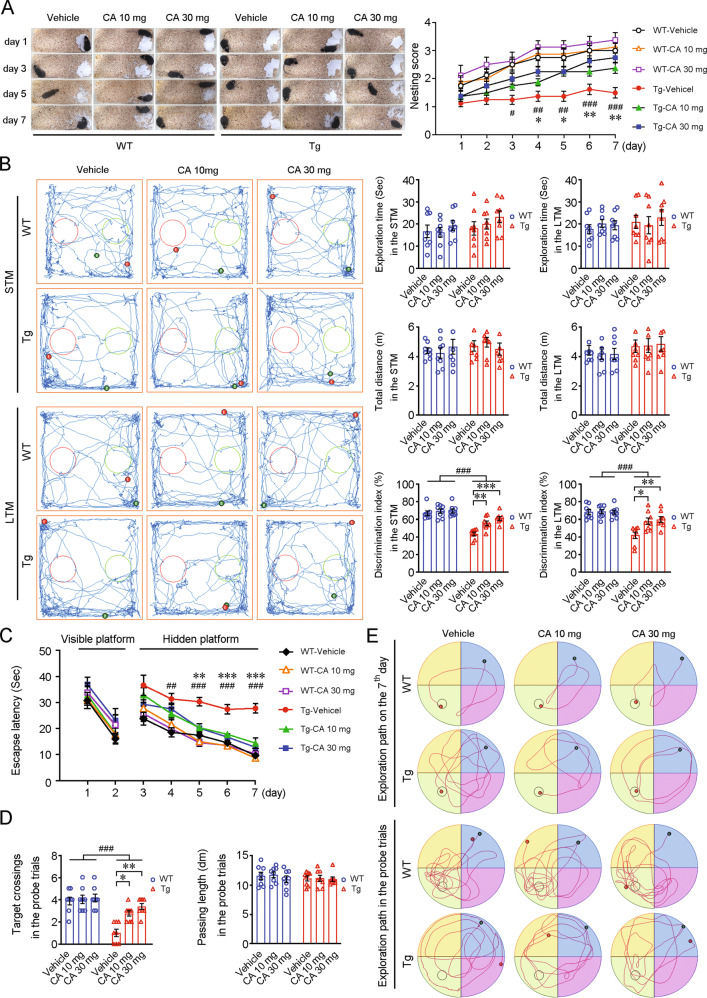
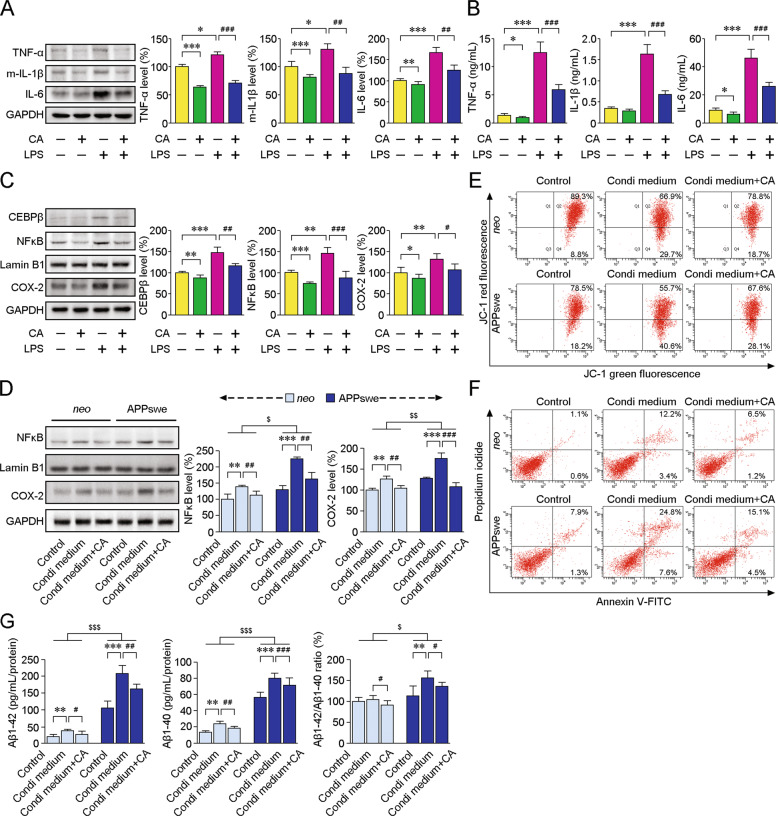
Neuroinflammation occurs early in Alzheimer's disease (AD). The initial stage of AD is related to glial dysfunction, which contributes to impairment of Aβ clearance and disruption of synaptic connection. CEBPβ, a member of the CCAAT-enhancer-binding protein (CEBP) family, modulates the expression of inflammation-associated genes, and its expression is elevated in brains undergoing degeneration and injured brains. However, the mechanism underlying CEBPβ-mediated chronic inflammation in AD is unclear. In this study, we observed that increases in the levels of nuclear CEBPβ facilitated the interaction of CEBPβ with the NFκB p65 subunit, increasing the transcription of proinflammatory cytokines in the APP/PS1 mouse brain. Oral administration of nanocarrier-packaged carnosic acid (CA) reduced the aberrant activation of microglia and astrocytes and diminished mature IL-1β, TNFα and IL-6 production in the APP/PS1 mouse brain. CA administration reduced β-amyloid (Aβ) deposition and ameliorated cognitive impairment in APP/PS1 mice. We observed that CA blocked the interaction of CEBPβ with NFκB p65, and chromatin immunoprecipitation revealed that CA reduced the transcription of the NFκB target genes TNFα and IL-6. We confirmed that CA alleviated inflammatory mediator-induced neuronal degeneration and reduced Aβ secretion by inhibiting the CEBPβ-NFκB signalling pathway in vitro. Sulfobutyl ether-beta-cyclodextrin (SBEβCD) was used as the encapsulation agent for the CA-loaded nanocarrier to overcome the poor water solubility and enhance the brain bioavailability of CA. The CA nanoparticles (NPs) had no obvious toxicity. We demonstrated a feasible SBEβCD-based nanodelivery system targeting the brain. Our data provide experimental evidence that CA-loaded NPs are potential therapeutic agents for AD treatment.
神经炎症发生在阿尔茨海默病(AD)的早期。AD 的初始阶段与神经胶质功能障碍有关,这导致 Aβ清除受损和突触连接中断。CEBPβ是 CCAAT 增强子结合蛋白(CEBP)家族的一员,调节炎症相关基因的表达,在发生退化的大脑和受损的大脑中其表达升高。然而,CEBPβ介导的 AD 慢性炎症的机制尚不清楚。在这项研究中,我们观察到核 CEBPβ水平的增加促进了 CEBPβ与 NFκB p65 亚基的相互作用,增加了 APP/PS1 小鼠大脑中促炎细胞因子的转录。口服纳米载体包裹的迷迭香酸(CA)减少了 APP/PS1 小鼠大脑中异常激活的小胶质细胞和星形胶质细胞,并减少了成熟的 IL-1β、TNFα 和 IL-6 的产生。CA 给药减少了β-淀粉样蛋白(Aβ)沉积并改善了 APP/PS1 小鼠的认知障碍。我们观察到 CA 阻断了 CEBPβ与 NFκB p65 的相互作用,染色质免疫沉淀显示 CA 降低了 NFκB 靶基因 TNFα 和 IL-6 的转录。我们证实 CA 通过抑制 CEBPβ-NFκB 信号通路在体外减轻了炎症介质诱导的神经元变性和减少了 Aβ的分泌。磺丁基醚-β-环糊精(SBEβCD)用作 CA 负载纳米载体的包封剂,以克服 CA 的差水溶性并提高 CA 的脑生物利用度。CA 纳米颗粒(NPs)没有明显的毒性。我们证明了一种可行的基于 SBEβCD 的针对大脑的纳米递药系统。我们的数据提供了实验证据,表明 CA 负载的 NPs 是治疗 AD 的潜在治疗剂。