Memory and Aging Center, Department of Neurology, Weill Institute for Neurosciences, University of California, San Francisco, San Francisco, CA, 94158, USA.
Department of Radiology and Biomedical Imaging, University of California, San Francisco, San Francisco, CA, 94158, USA.
Mol Psychiatry. 2022 Jun;27(6):2674-2688. doi: 10.1038/s41380-022-01531-9. Epub 2022 Apr 7.
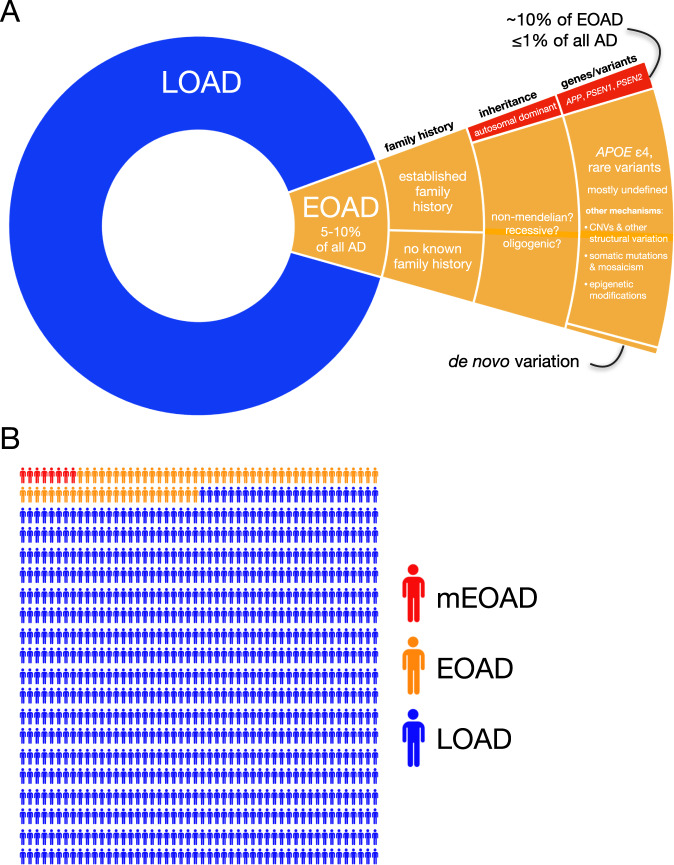
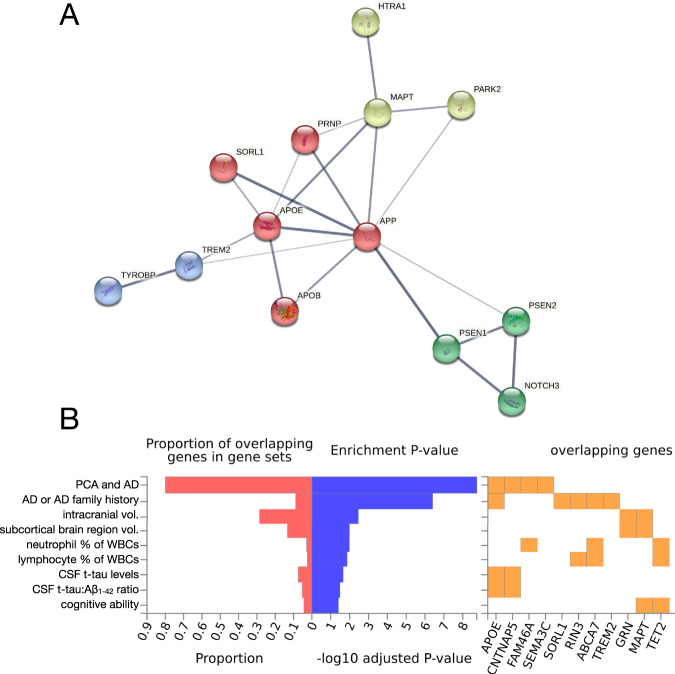
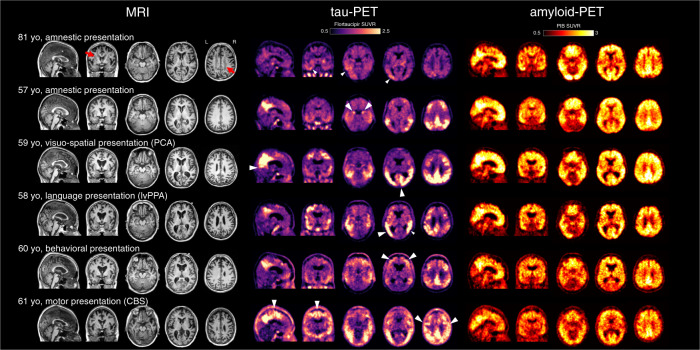
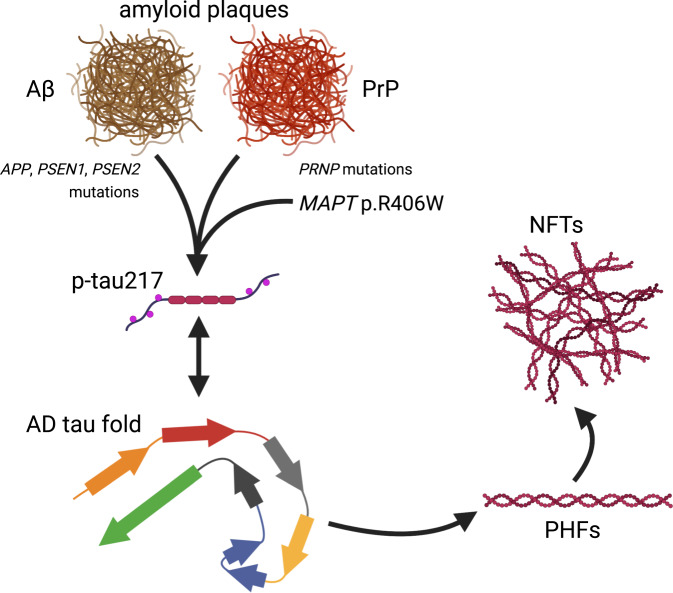
Early-onset Alzheimer's disease (EOAD) is a rare but particularly devastating form of AD. Though notable for its high degree of clinical heterogeneity, EOAD is defined by the same neuropathological hallmarks underlying the more common, late-onset form of AD. In this review, we describe the various clinical syndromes associated with EOAD, including the typical amnestic phenotype as well as atypical variants affecting visuospatial, language, executive, behavioral, and motor functions. We go on to highlight advances in fluid biomarker research and describe how molecular, structural, and functional neuroimaging can be used not only to improve EOAD diagnostic acumen but also enhance our understanding of fundamental pathobiological changes occurring years (and even decades) before the onset of symptoms. In addition, we discuss genetic variation underlying EOAD, including pathogenic variants responsible for the well-known mendelian forms of EOAD as well as variants that may increase risk for the much more common forms of EOAD that are either considered to be sporadic or lack a clear autosomal-dominant inheritance pattern. Intriguingly, specific pathogenic variants in PRNP and MAPT-genes which are more commonly associated with other neurodegenerative diseases-may provide unexpectedly important insights into the formation of AD tau pathology. Genetic analysis of the atypical clinical syndromes associated with EOAD will continue to be challenging given their rarity, but integration of fluid biomarker data, multimodal imaging, and various 'omics techniques and their application to the study of large, multicenter cohorts will enable future discoveries of fundamental mechanisms underlying the development of EOAD and its varied clinical presentations.
早发性阿尔茨海默病(EOAD)是一种罕见但特别具破坏性的 AD 形式。尽管其临床表现高度异质性,但 EOAD 与更常见的晚发性 AD 具有相同的神经病理学特征。在这篇综述中,我们描述了与 EOAD 相关的各种临床综合征,包括典型的遗忘表型以及影响视觉空间、语言、执行、行为和运动功能的非典型变体。我们接着强调了液体生物标志物研究的进展,并描述了如何不仅可以使用分子、结构和功能神经影像学来提高 EOAD 的诊断能力,还可以增强我们对发生在症状出现前数年(甚至数十年)的基本病理生物学变化的理解。此外,我们讨论了 EOAD 的遗传变异,包括导致众所周知的 EOAD 孟德尔形式的致病性变异以及可能增加更常见的 EOAD 形式风险的变异,这些变异被认为是散发性的或缺乏明确的常染色体显性遗传模式。有趣的是,与其他神经退行性疾病更相关的 PRNP 和 MAPT 基因中的特定致病性变异可能会出乎意料地为 AD tau 病理学的形成提供重要见解。鉴于其罕见性,对与 EOAD 相关的非典型临床综合征的遗传分析将继续具有挑战性,但液体生物标志物数据、多模态成像以及各种“组学”技术的整合及其在大型多中心队列研究中的应用将使人们能够发现 EOAD 及其各种临床表现的发展的基本机制。