Department of Anatomy and Embryology, Leiden University Medical Center (LUMC), 2333 ZA Leiden, The Netherlands.
Department of Biology, University of Padua, 35121 Padua, Italy.
Cardiovasc Res. 2023 Mar 17;119(1):167-182. doi: 10.1093/cvr/cvac059.
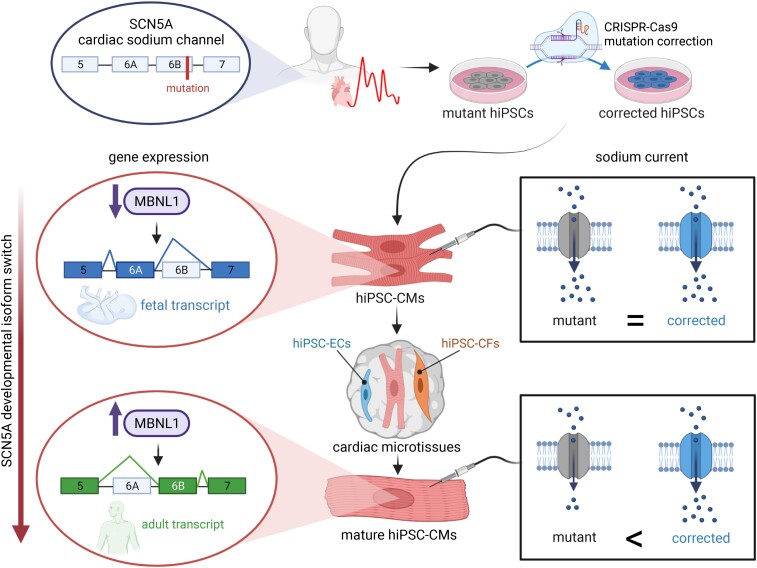
Human-induced pluripotent stem cell-cardiomyocytes (hiPSC-CMs) are widely used to study arrhythmia-associated mutations in ion channels. Among these, the cardiac sodium channel SCN5A undergoes foetal-to-adult isoform switching around birth. Conventional hiPSC-CM cultures, which are phenotypically foetal, have thus far been unable to capture mutations in adult gene isoforms. Here, we investigated whether tri-cellular cross-talk in a three-dimensional (3D) cardiac microtissue (MT) promoted post-natal SCN5A maturation in hiPSC-CMs.
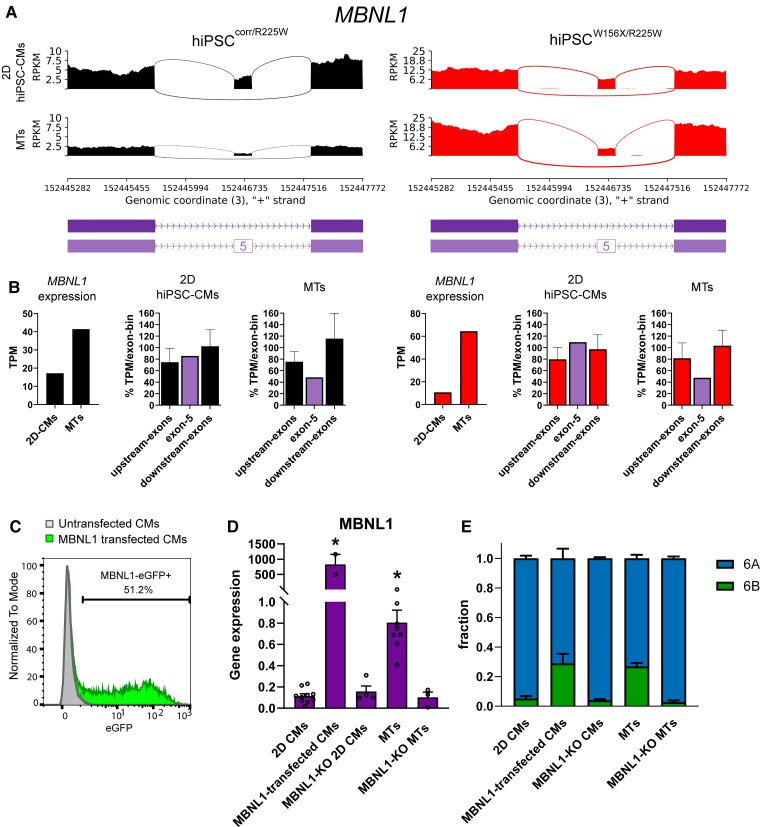
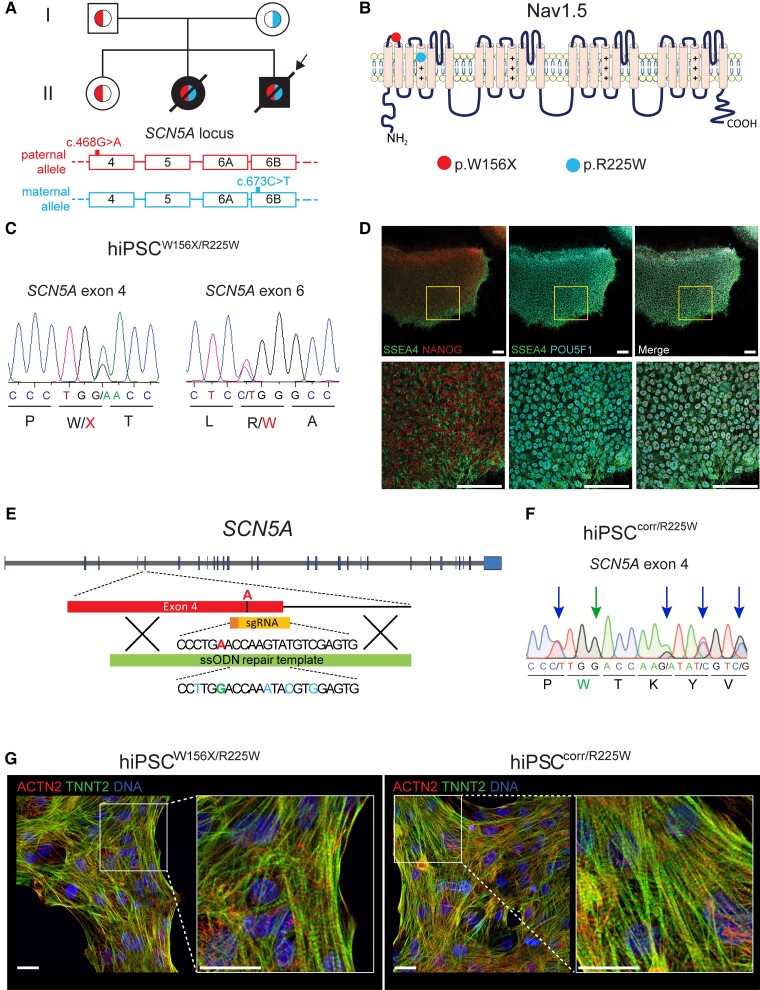
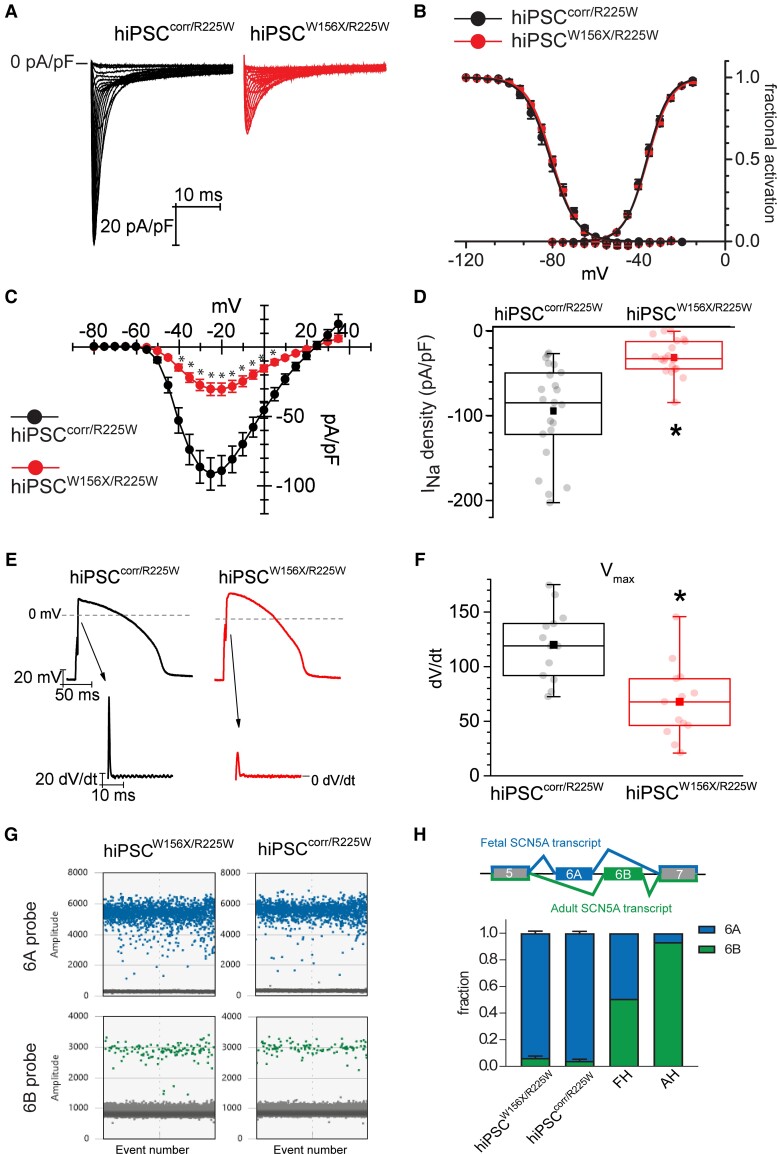
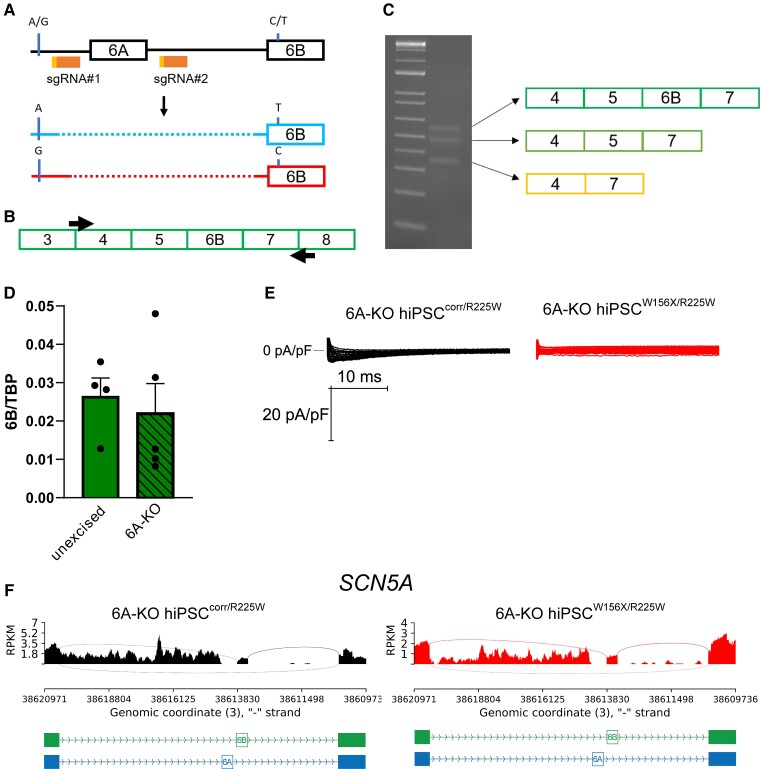
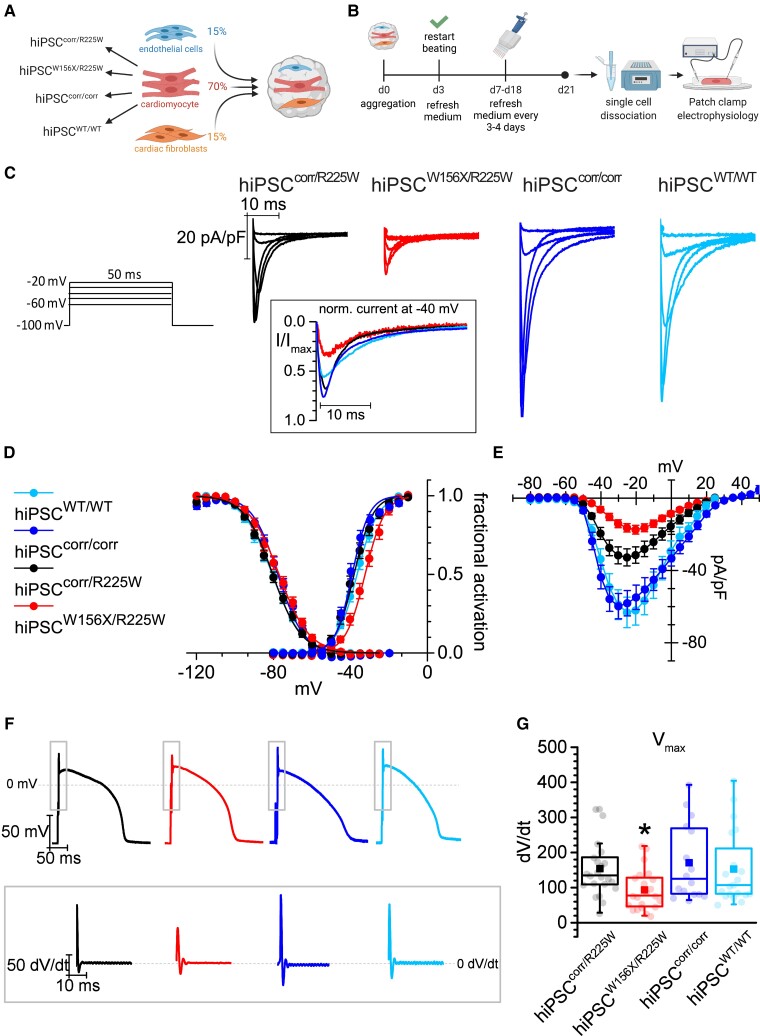
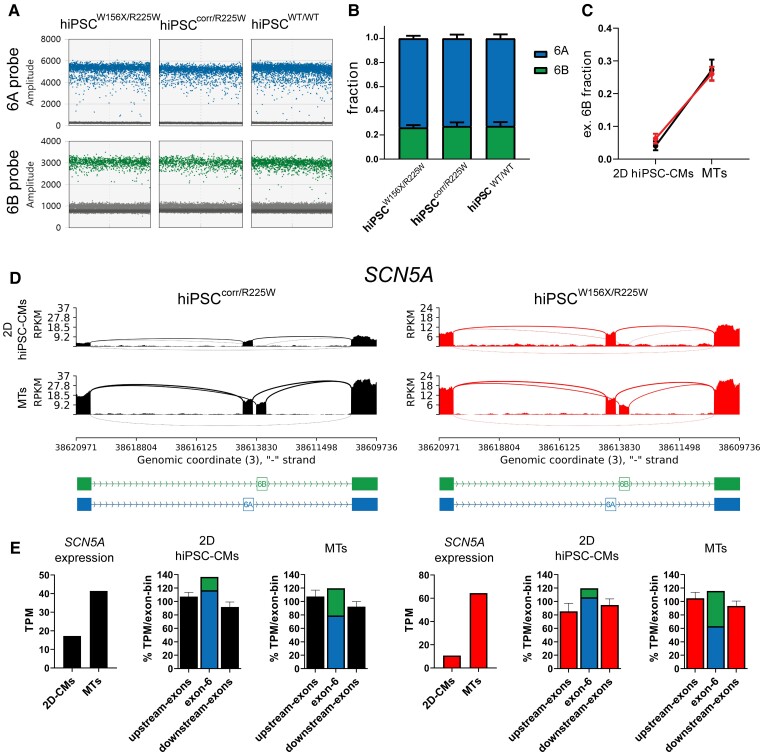
We derived patient hiPSC-CMs carrying compound mutations in the adult SCN5A exon 6B and exon 4. Electrophysiological properties of patient hiPSC-CMs in monolayer were not altered by the exon 6B mutation compared with isogenic controls since it is not expressed; further, CRISPR/Cas9-mediated excision of the foetal exon 6A did not promote adult SCN5A expression. However, when hiPSC-CMs were matured in 3D cardiac MTs, SCN5A underwent isoform switch and the functional consequences of the mutation located in exon 6B were revealed. Up-regulation of the splicing factor muscleblind-like protein 1 (MBNL1) drove SCN5A post-natal maturation in microtissues since its overexpression in hiPSC-CMs was sufficient to promote exon 6B inclusion, whilst knocking-out MBNL1 failed to foster isoform switch.
Our study shows that (i) the tri-cellular cardiac microtissues promote post-natal SCN5A isoform switch in hiPSC-CMs, (ii) adult splicing of SCN5A is driven by MBNL1 in these tissues, and (iii) this model can be used for examining post-natal cardiac arrhythmias due to mutations in the exon 6B.
The cardiac sodium channel is essential for conducting the electrical impulse in the heart. Postnatal alternative splicing regulation causes mutual exclusive inclusion of fetal or adult exons of the corresponding gene, SCN5A. Typically, immature hiPSCCMs fall short in studying the effect of mutations located in the adult exon. We describe here that an innovative tri-cellular three-dimensional cardiac microtissue culture promotes hiPSC-CMs maturation through upregulation of MBNL1, thus revealing the effect of a pathogenic genetic variant located in the SCN5A adult exon. These results help advancing the use of hiPSC-CMs in studying adult heart disease and for developing personalized medicine applications.
人类诱导多能干细胞心肌细胞(hiPSC-CMs)广泛用于研究离子通道中与心律失常相关的突变。其中,心脏钠离子通道 SCN5A 在出生前后经历胎儿到成人的同工型转换。传统的表型为胎儿的 hiPSC-CM 培养物迄今为止无法捕获成人基因同工型中的突变。在这里,我们研究了三维(3D)心脏微组织(MT)中的三细胞串扰是否促进 hiPSC-CMs 中 SCN5A 的出生后成熟。
我们从携带成人 SCN5A 外显子 6B 和外显子 4 复合突变的患者 hiPSC-CMs 中获得。与同基因对照相比,患者 hiPSC-CMs 在单层中的电生理特性并未因外显子 6B 突变而改变,因为它不表达;此外,CRISPR/Cas9 介导的胎儿外显子 6A 的切除并没有促进成人 SCN5A 的表达。然而,当 hiPSC-CMs 在 3D 心脏 MT 中成熟时,SCN5A 经历同工型转换,并且位于外显子 6B 中的突变的功能后果被揭示。剪接因子肌肉盲样蛋白 1(MBNL1)的上调驱动微组织中的 SCN5A 出生后成熟,因为其在 hiPSC-CMs 中的过表达足以促进外显子 6B 的包含,而敲除 MBNL1 未能促进同工型转换。
我们的研究表明:(i)三细胞心脏微组织促进 hiPSC-CMs 中的 SCN5A 出生后同工型转换;(ii)MBNL1 驱动这些组织中 SCN5A 的成人剪接;(iii)该模型可用于研究外显子 6B 突变引起的出生后心律失常。
心脏钠离子通道对于在心脏中传导电脉冲至关重要。出生后的选择性剪接调节导致相应基因的胎儿或成人外显子的相互排斥包含。通常,不成熟的 hiPSC-CMs 在研究位于成人外显子中的突变的影响方面存在不足。我们在这里描述的是,一种创新的三细胞三维心脏微组织培养物通过上调 MBNL1 促进 hiPSC-CMs 的成熟,从而揭示位于 SCN5A 成人外显子中的致病遗传变异的影响。这些结果有助于推进 hiPSC-CMs 在研究成人心脏病和开发个性化药物应用中的使用。