Kaplan-Arabaci Oykum, Acari Alperen, Ciftci Pinar, Gozuacik Devrim
Koç University Research Center for Translational Medicine (KUTTAM), Istanbul, Turkey.
Sabancı University Nanotechnology Research and Application Center (SUNUM), Istanbul, Turkey.
Front Pharmacol. 2022 Mar 23;13:866738. doi: 10.3389/fphar.2022.866738. eCollection 2022.
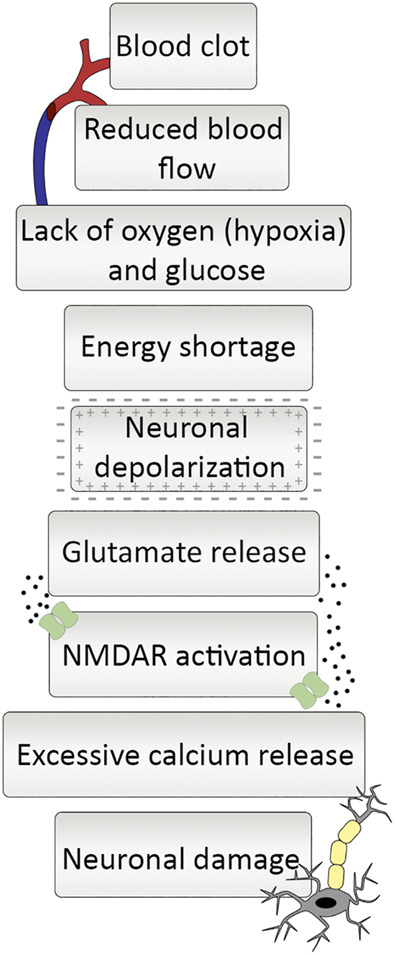
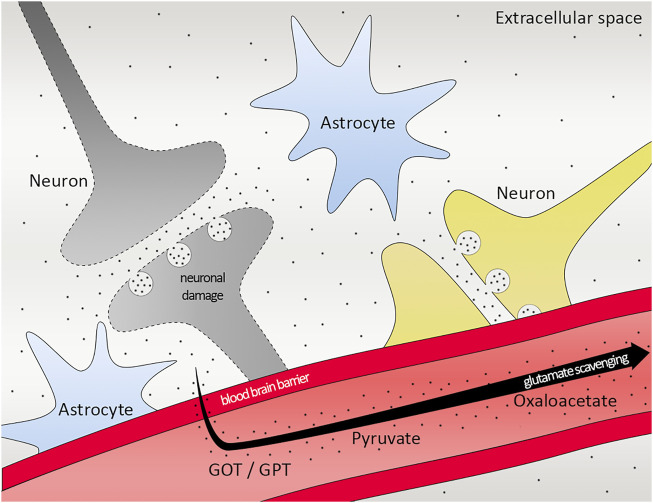
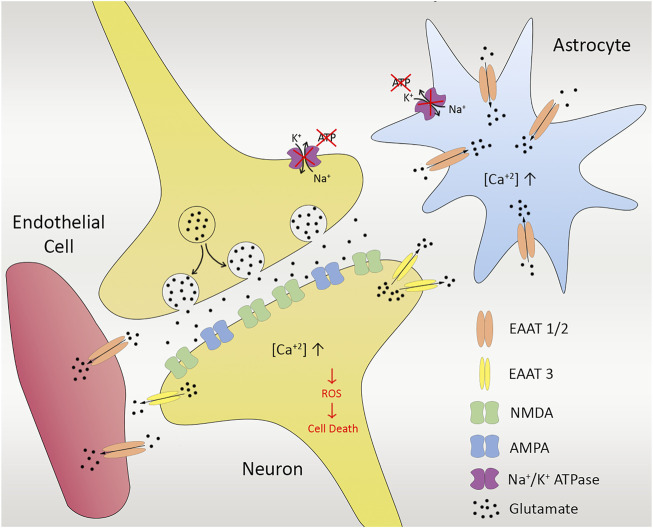
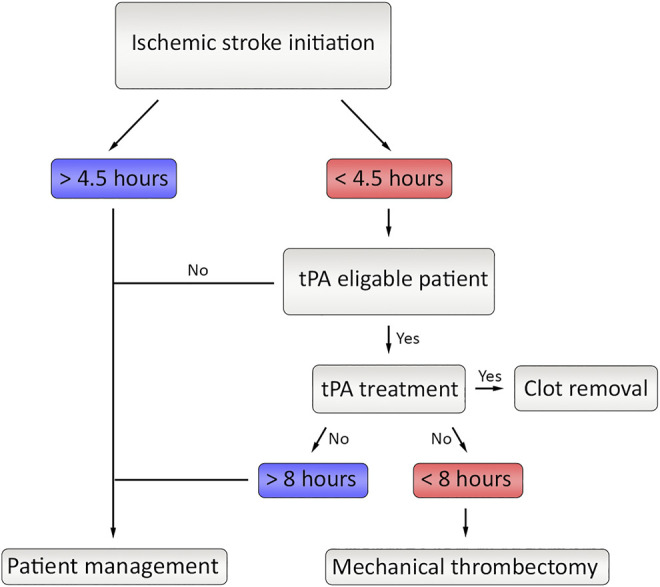
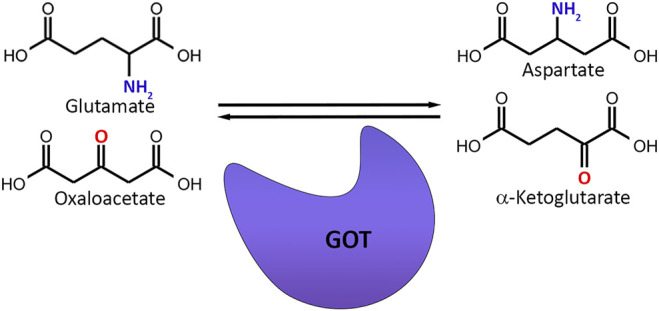
Stroke is the second highest reason of death in the world and the leading cause of disability. The ischemic stroke makes up the majority of stroke cases that occur due to the blockage of blood vessels. Therapeutic applications for ischemic stroke include thrombolytic treatments that are in limited usage and only applicable to less than 10% of the total stroke patients, but there are promising new approaches. The main cause of ischemic neuronal death is glutamate excitotoxicity. There have been multiple studies focusing on neuroprotection via reduction of glutamate both in ischemic stroke and other neurodegenerative diseases that ultimately failed due to the obstacles in delivery. At that point, systemic glutamate grabbing, or scavenging is an ingenious way of decreasing glutamate levels upon ischemic stroke. The main advantage of this new therapeutic method is the scavengers working in the circulating blood so that there is no interference with the natural brain neurophysiology. In this review, we explain the molecular mechanisms of ischemic stroke, provide brief information about existing drugs and approaches, and present novel systemic glutamate scavenging methods. This review hopefully will elucidate the potential usage of the introduced therapeutic approaches in stroke patients.
中风是全球第二大致死原因,也是导致残疾的首要原因。缺血性中风占因血管阻塞而发生的中风病例的大多数。缺血性中风的治疗方法包括溶栓治疗,但使用有限,仅适用于不到10%的中风患者,不过也有一些有前景的新方法。缺血性神经元死亡的主要原因是谷氨酸兴奋性毒性。在缺血性中风和其他神经退行性疾病中,已有多项研究致力于通过降低谷氨酸水平来实现神经保护,但最终因给药障碍而失败。在这种情况下,全身性谷氨酸捕获或清除是一种在缺血性中风时降低谷氨酸水平的巧妙方法。这种新治疗方法的主要优点是清除剂在循环血液中起作用,因此不会干扰大脑的自然神经生理学。在本综述中,我们解释了缺血性中风的分子机制,提供了有关现有药物和方法的简要信息,并介绍了新型全身性谷氨酸清除方法。希望本综述能阐明所介绍的治疗方法在中风患者中的潜在用途。