Chung Liang Lam, Sulaiman Nadiah, Yazid Muhammad Dain
Centre for Tissue Engineering and Regenerative Medicine, Faculty of Medicine, Universiti Kebangsaan Malaysia Medical Centre, Kuala Lumpur, Malaysia.
Front Bioeng Biotechnol. 2022 Mar 23;10:833833. doi: 10.3389/fbioe.2022.833833. eCollection 2022.
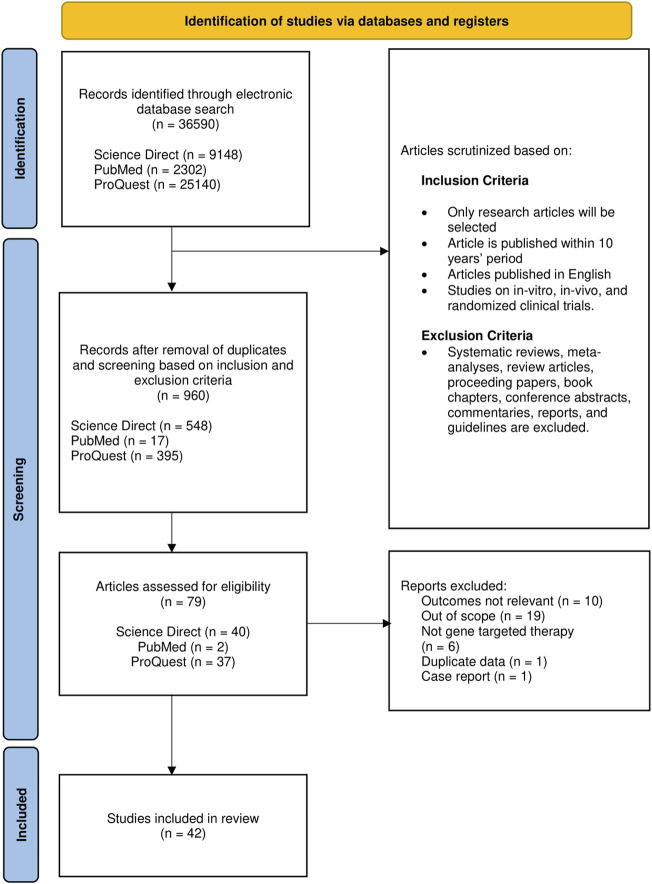
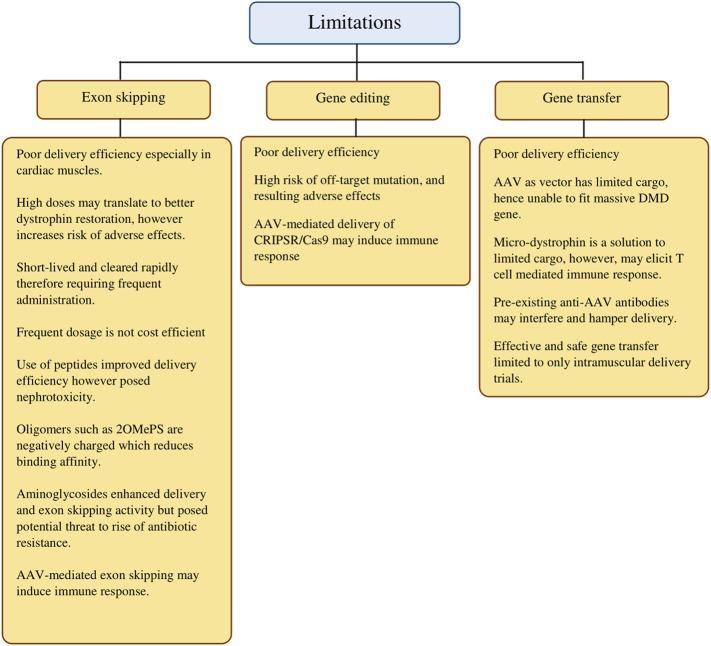
As one of the most severe forms of muscle dystrophy, Duchenne muscular dystrophy (DMD) results in progressive muscle wasting, ultimately resulting in premature death due to cardiomyopathy. In the many years of research, the solution to DMD remains palliative. Although numerous studies including clinical trials have provided promising results, approved drugs, even, the therapeutic window is still minimal with many shortcomings to be addressed. Logically, to combat DMD that arose from a single genetic mutation with gene therapy made sense. However, gene-based strategies as a treatment option are no stranger to drawbacks and limitations such as the size of the dystrophin gene and possibilities of vectors to elicit immune responses. In this systematic review, we aim to provide a comprehensive compilation on gene-based therapeutic strategies and critically evaluate the approaches relative to its efficacy and feasibility while addressing their current limitations. With the keywords "DMD AND Gene OR Genetic AND Therapy OR Treatment," we reviewed papers published in Science Direct, PubMed, and ProQuest over the past decade (2012-2021).
作为最严重的肌肉萎缩症形式之一,杜氏肌营养不良症(DMD)会导致进行性肌肉萎缩,最终因心肌病而过早死亡。在多年的研究中,DMD的解决方案仍然只是缓解症状。尽管包括临床试验在内的众多研究都取得了有希望的结果,甚至有了获批药物,但治疗窗口仍然很小,还有许多缺点需要解决。从逻辑上讲,用基因疗法对抗由单一基因突变引起的DMD是有意义的。然而,基于基因的策略作为一种治疗选择也不乏缺点和局限性,比如肌营养不良蛋白基因的大小以及载体引发免疫反应的可能性。在本系统综述中,我们旨在全面汇编基于基因的治疗策略,并严格评估这些方法相对于其疗效和可行性的情况,同时解决它们当前的局限性。我们使用关键词“DMD AND Gene OR Genetic AND Therapy OR Treatment”,回顾了过去十年(2012 - 2021年)发表在《科学Direct》《PubMed》和《ProQuest》上的论文。