Gritsenko Christina, Lepalovskij Vladimir, Volochaev Mikhail, Komanický Vladimir, Gorkovenko Aleksandr, Pazniak Hanna, Gazda Maria, Andreev Nikolai, Rodionova Valeria
Research and Education Center "Smart Materials and Biomedical Applications", Immanuel Kant Baltic Federal University, Gaidara str., 6, 236041 Kaliningrad, Russia.
Solid State Magnetism Department, Institute of Natural Sciences and Mathematics, Ural Federal University, 620002 Yekaterinburg, Russia.
Nanomaterials (Basel). 2022 Apr 1;12(7):1178. doi: 10.3390/nano12071178.
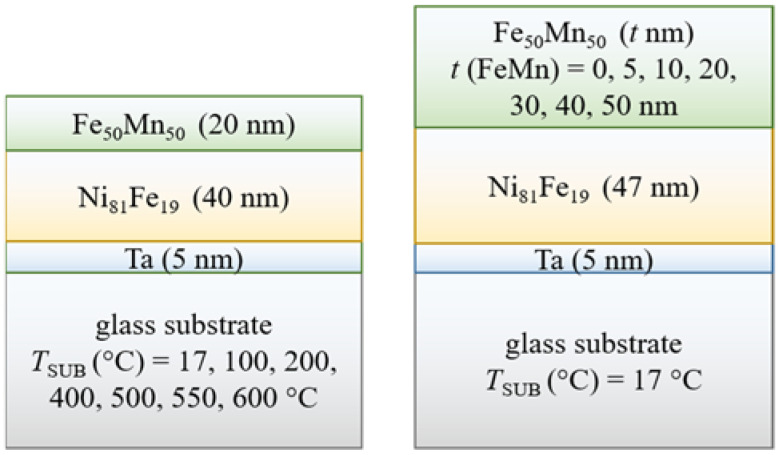
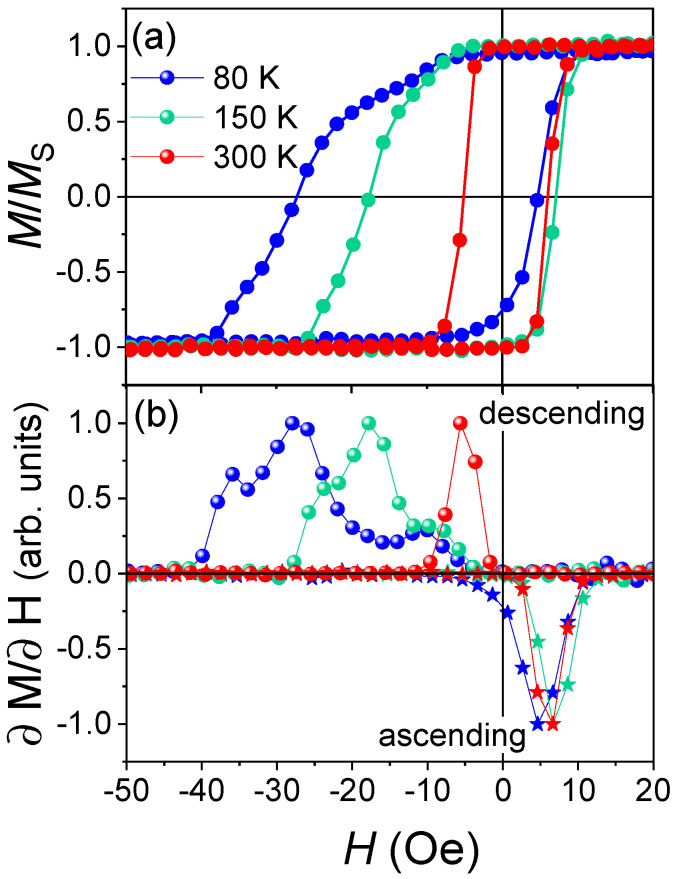
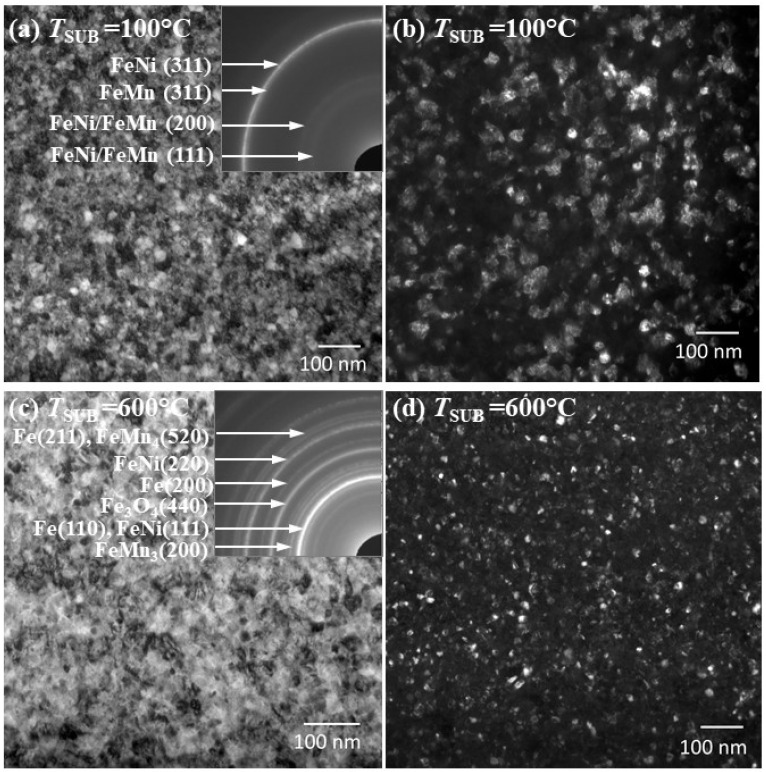
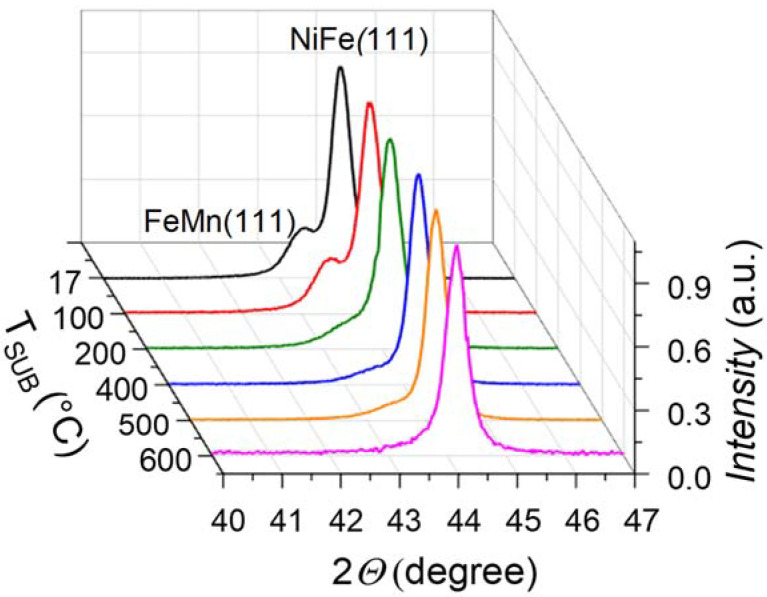
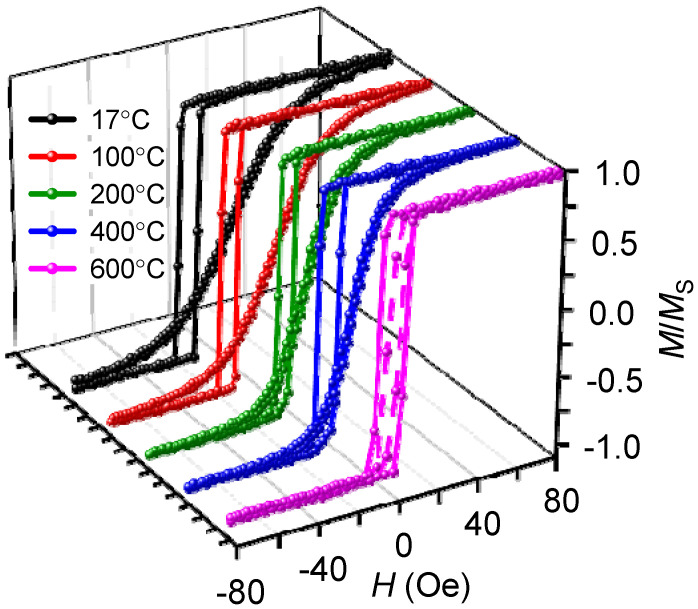
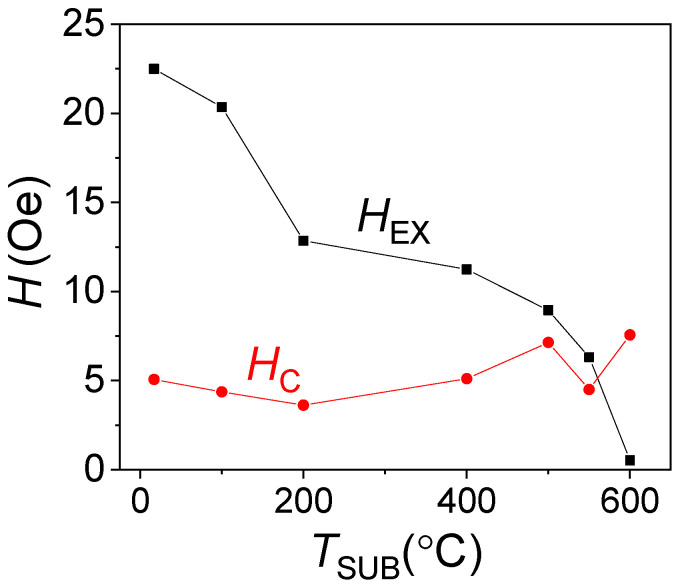
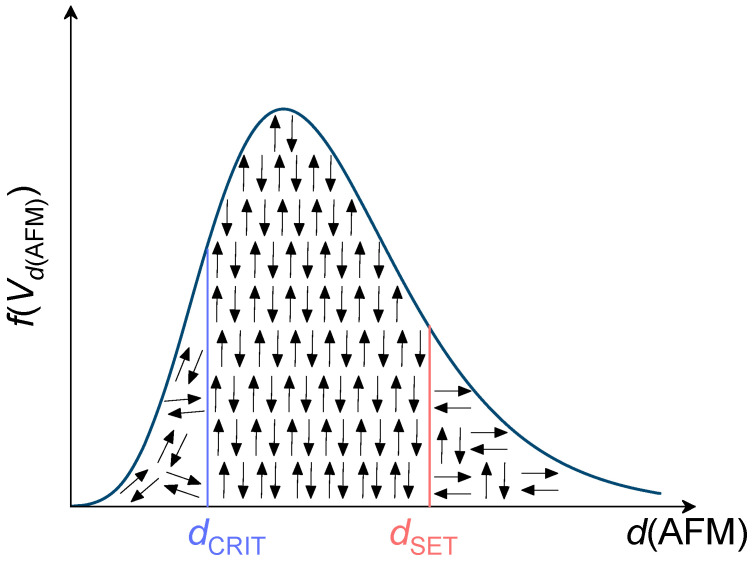
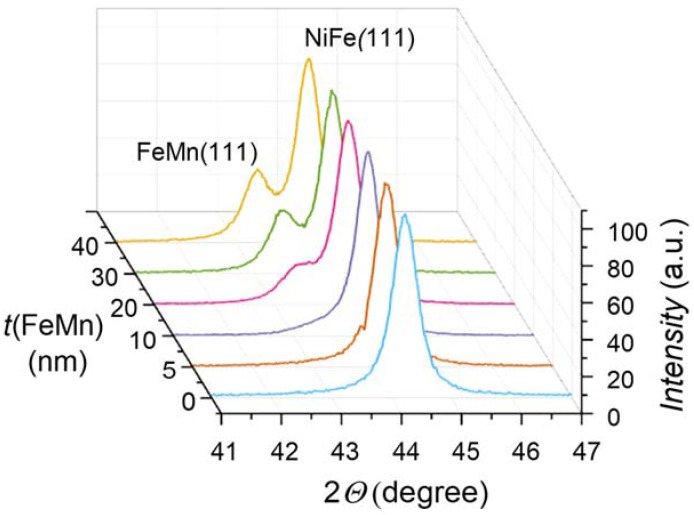
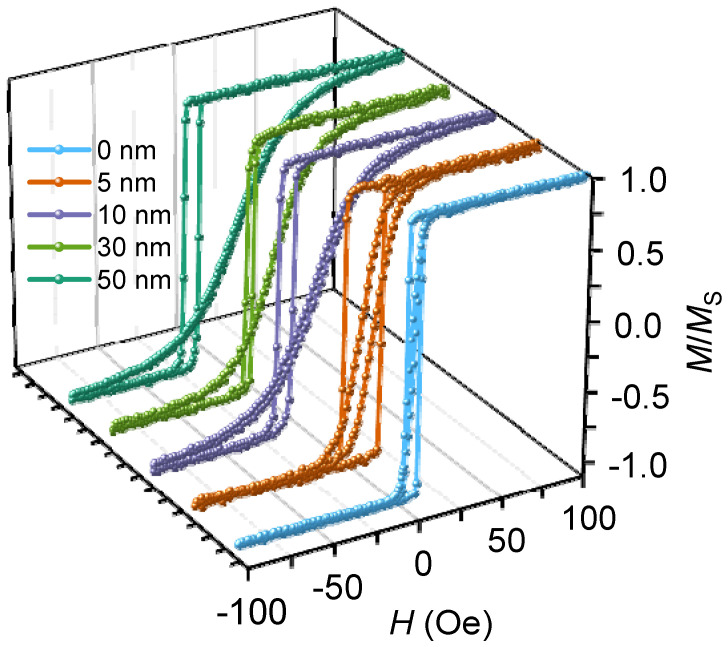
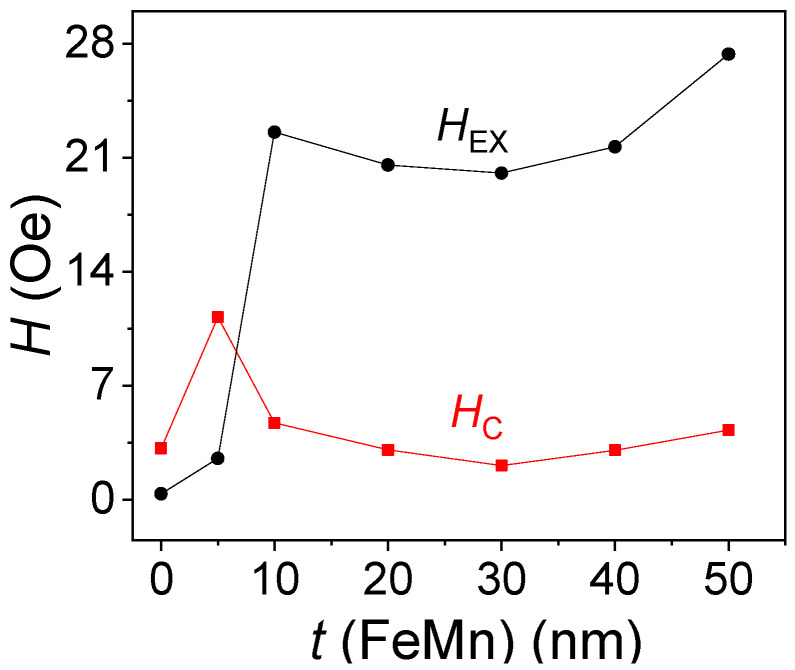
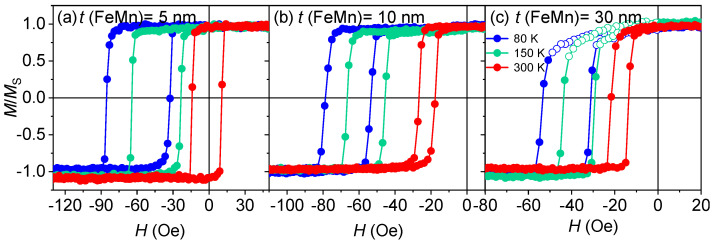
Magnetization reversal processes in the NiFe/FeMn exchange biased structures with various antiferromagnetic layer thicknesses (0-50 nm) and glass substrate temperatures (17-600 °C) during deposition were investigated in detail. Magnetic measurements were performed in the temperature range from 80 K up to 300 K. Hysteresis loop asymmetry was found at temperatures lower than 150 K for the samples with an antiferromagnetic layer thickness of more than 10 nm. The average grain size of FeMn was found to increase with the AFM layer increase, and to decrease with the substrate temperature increase. Hysteresis loop asymmetry was explained in terms of the exchange spring model in the antiferromagnetic layer.
详细研究了在沉积过程中具有不同反铁磁层厚度(0 - 50纳米)和玻璃衬底温度(17 - 600°C)的NiFe/FeMn交换偏置结构中的磁化反转过程。在80 K至300 K的温度范围内进行了磁性测量。对于反铁磁层厚度大于10纳米的样品,在低于150 K的温度下发现了磁滞回线不对称性。发现FeMn的平均晶粒尺寸随反铁磁层厚度增加而增大,随衬底温度升高而减小。根据反铁磁层中的交换弹簧模型解释了磁滞回线不对称性。