• 文献检索
  • 文档翻译
  • 深度研究
  • 学术资讯
  • Suppr Zotero 插件Zotero 插件
  • 邀请有礼
  • 套餐&价格
  • 历史记录
应用&插件
Suppr Zotero 插件Zotero 插件浏览器插件Mac 客户端Windows 客户端微信小程序
定价
高级版会员购买积分包购买API积分包
服务
文献检索文档翻译深度研究API 文档MCP 服务
关于我们
关于 Suppr公司介绍联系我们用户协议隐私条款
关注我们

Suppr 超能文献

核心技术专利:CN118964589B侵权必究
粤ICP备2023148730 号-1Suppr @ 2026

文献检索

告别复杂PubMed语法,用中文像聊天一样搜索,搜遍4000万医学文献。AI智能推荐,让科研检索更轻松。

立即免费搜索

文件翻译

保留排版,准确专业,支持PDF/Word/PPT等文件格式,支持 12+语言互译。

免费翻译文档

深度研究

AI帮你快速写综述,25分钟生成高质量综述,智能提取关键信息,辅助科研写作。

立即免费体验

地面式骨盆倾斜支撑机器人原型的研制及其在偏瘫步态康复中的应用。

Development of a Prototype Overground Pelvic Obliquity Support Robot for Rehabilitation of Hemiplegia Gait.

机构信息

Department of Mechatronics Engineering, Hanyang University, 55, Hanyangdaehak-ro, Sangnok-gu, Ansan-si 15588, Gyeonggi-do, Korea.

Neuromuscular Control and Human Robotics Laboratory, Arizona States University, Tempe, AZ 85281, USA.

出版信息

Sensors (Basel). 2022 Mar 23;22(7):2462. doi: 10.3390/s22072462.

DOI:10.3390/s22072462
PMID:35408083
原文链接:https://pmc.ncbi.nlm.nih.gov/articles/PMC9003343/
Abstract

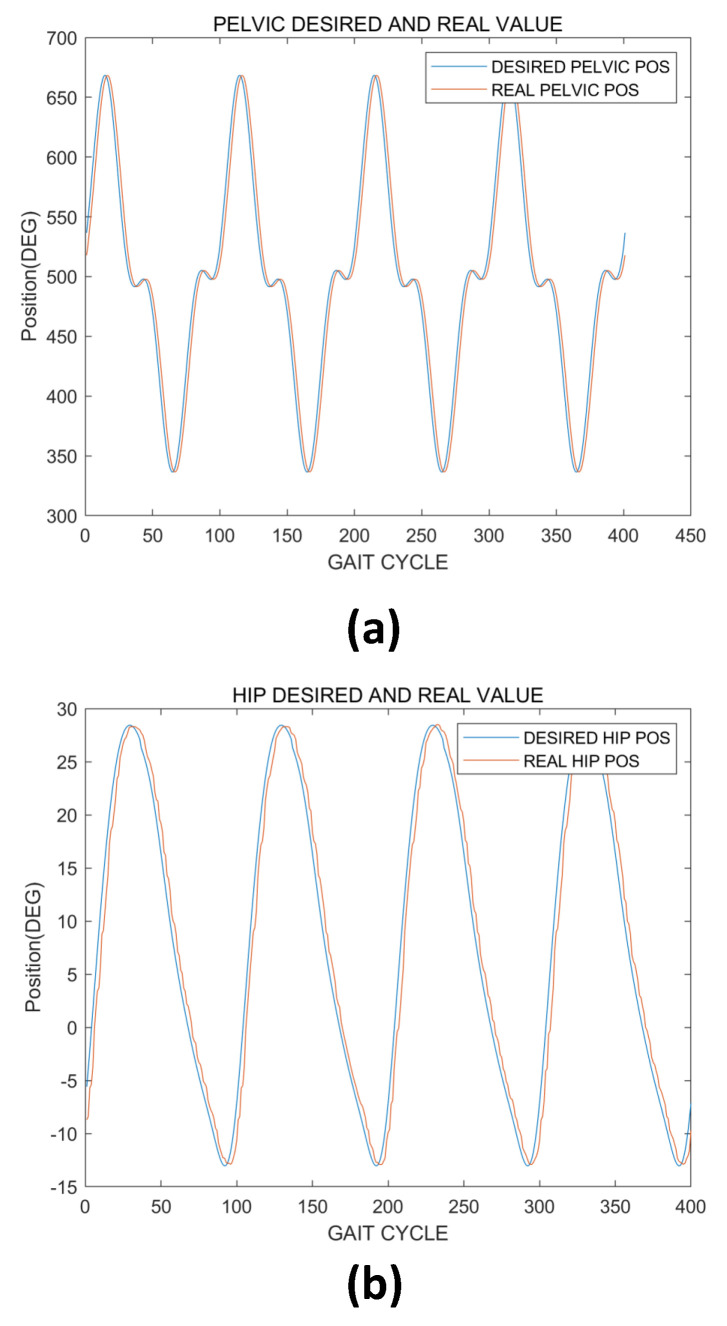
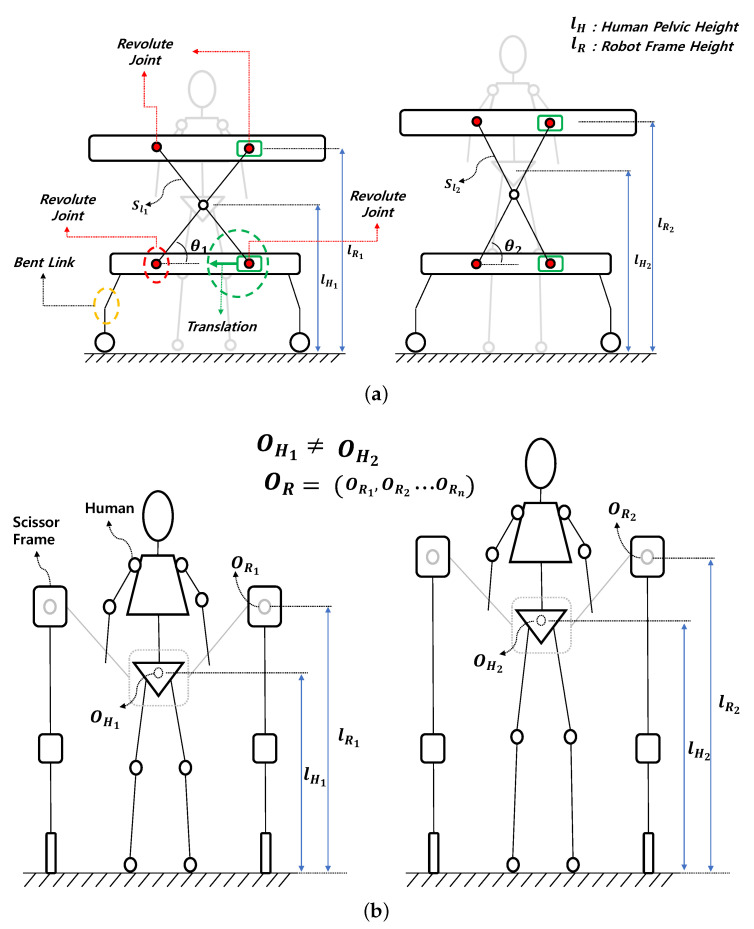
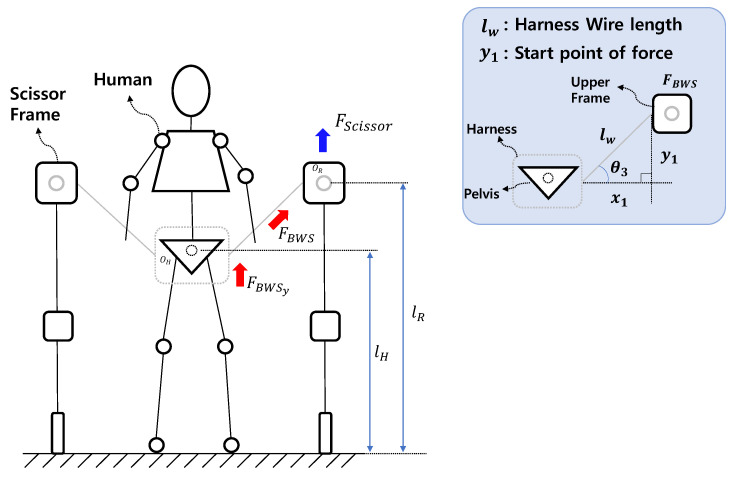
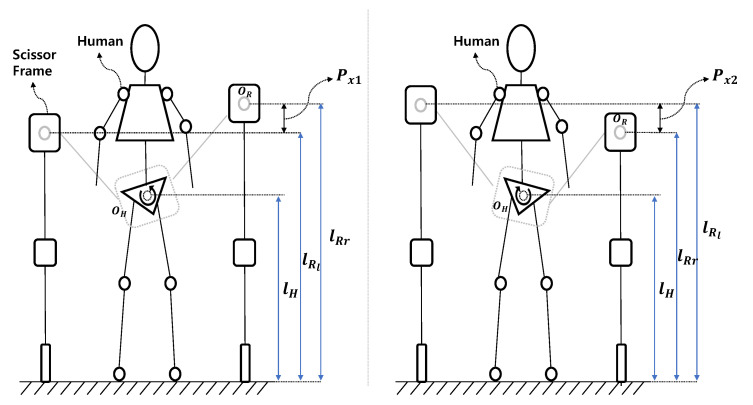
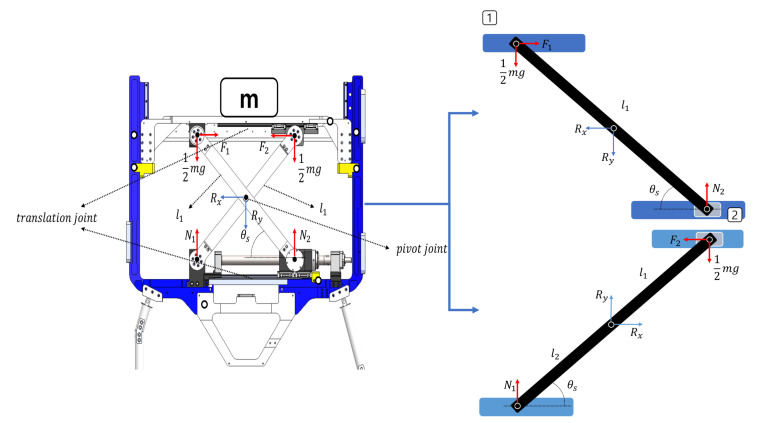
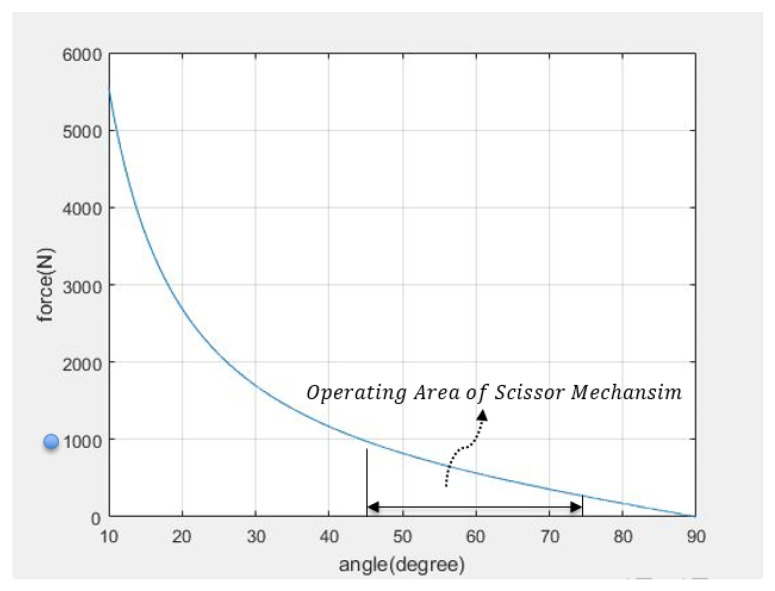
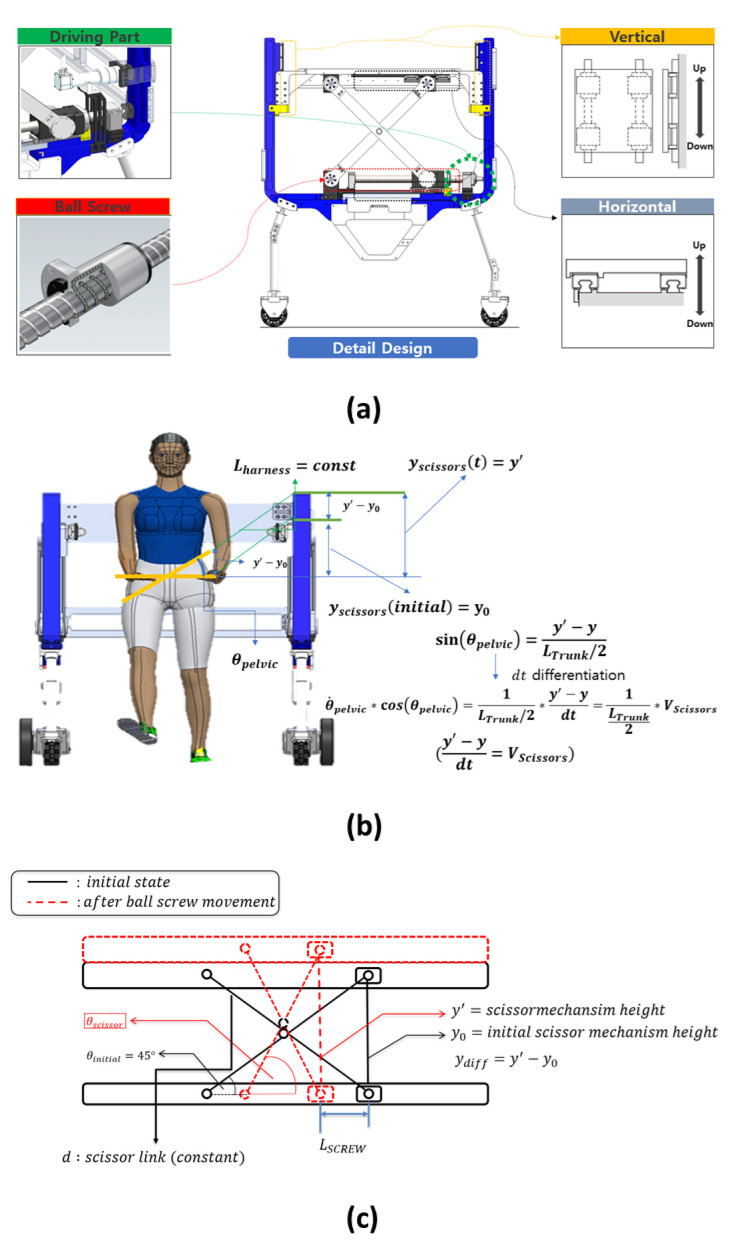
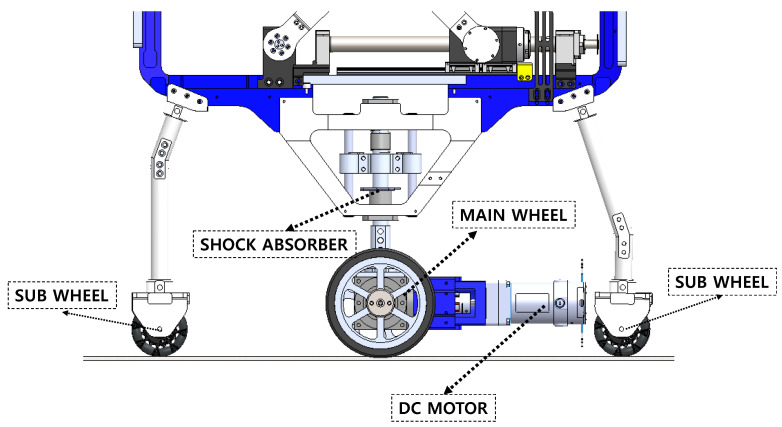
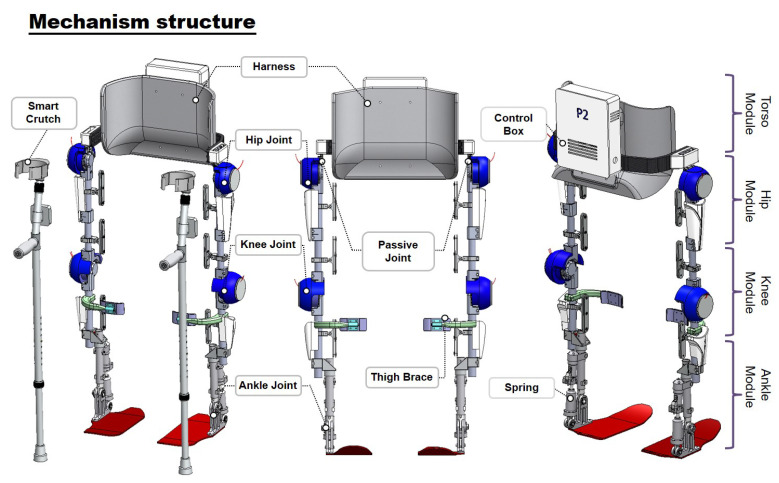
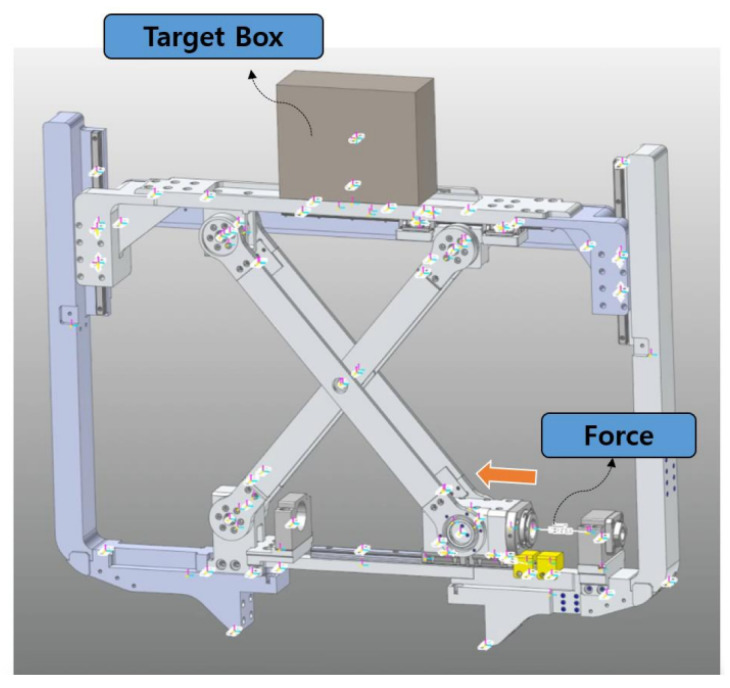
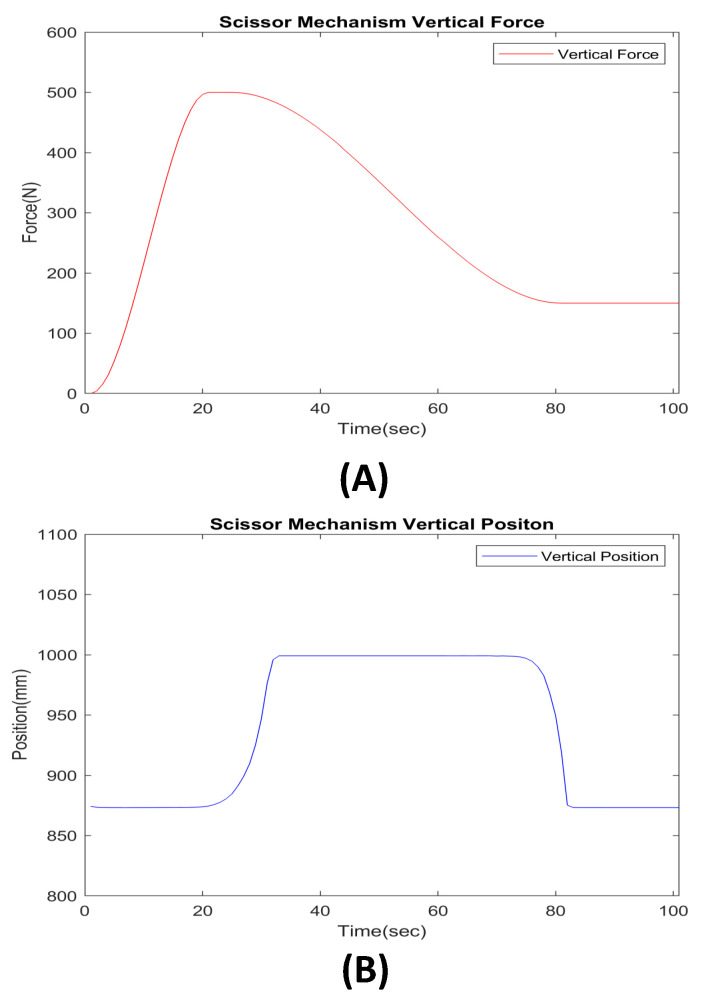
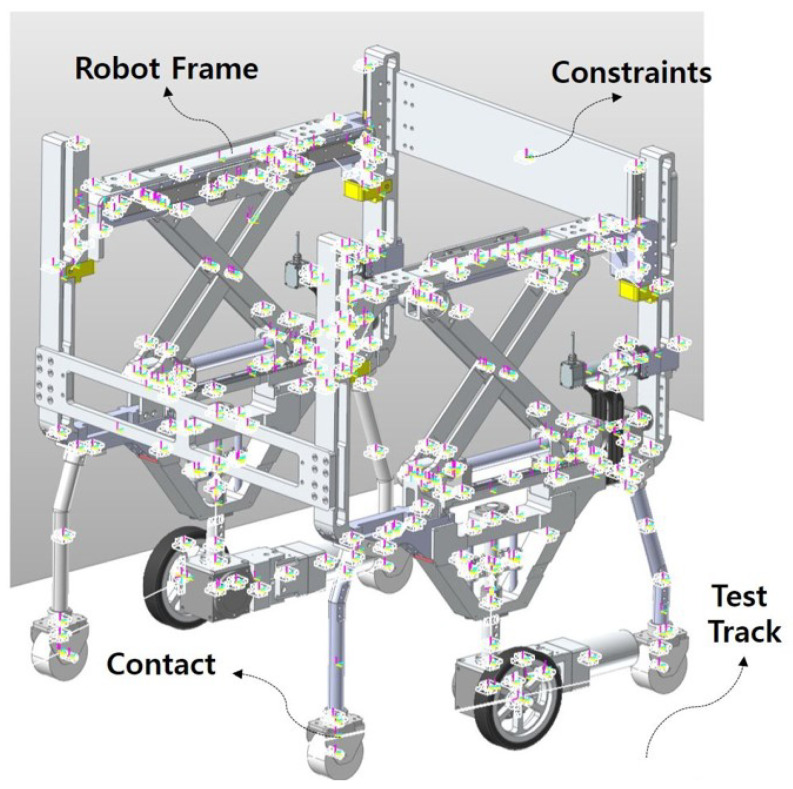
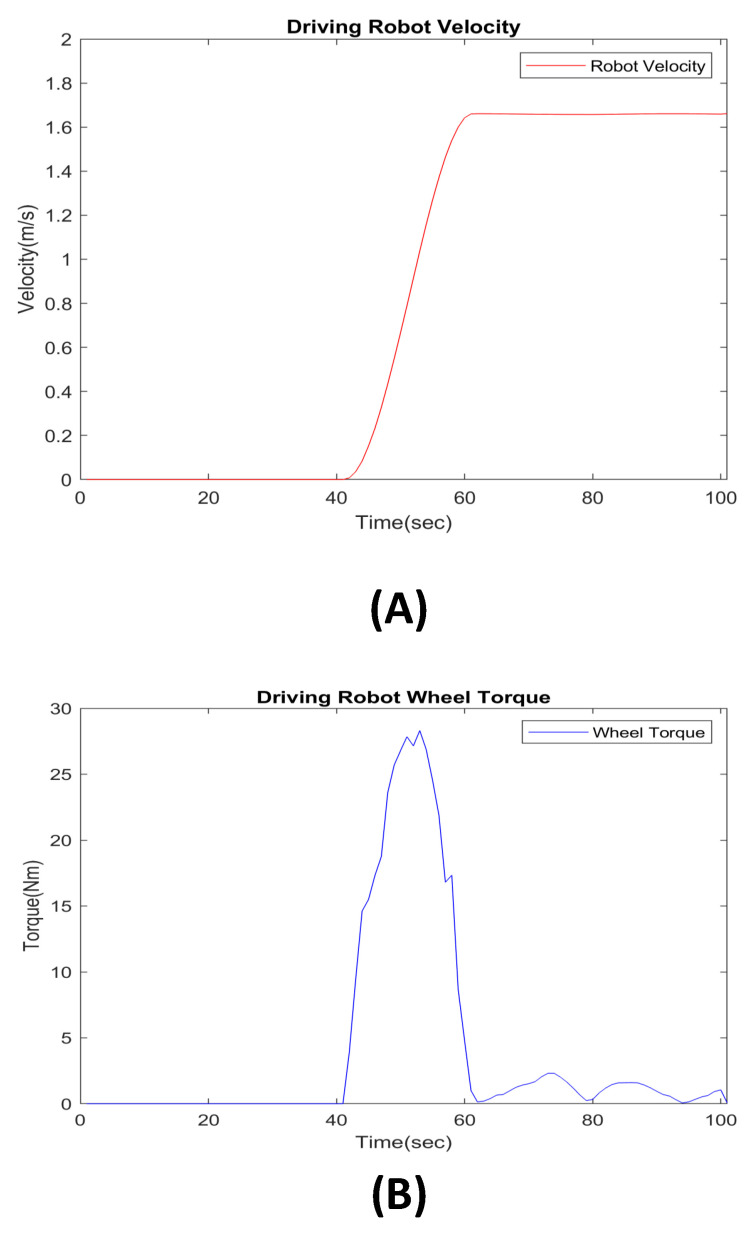
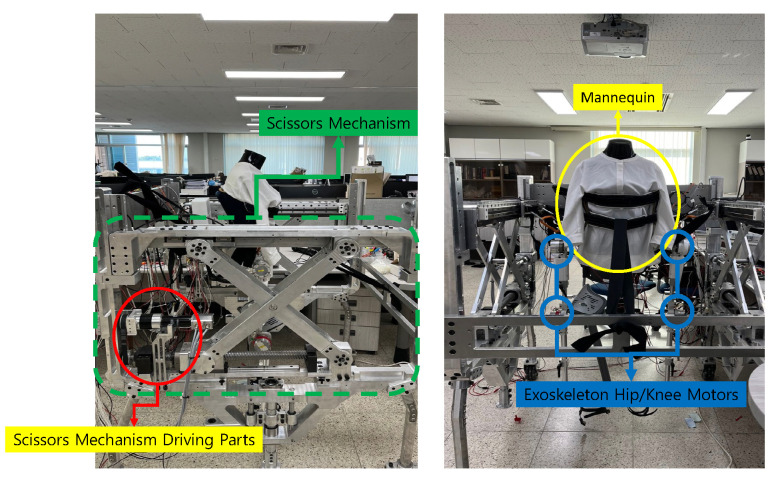
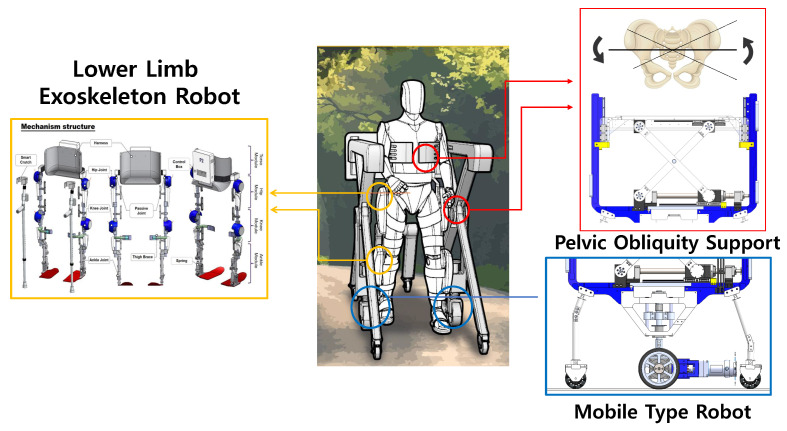
In this work, we present the overground prototype gait-rehabilitation robot for using motion assistance and training for paralyzed patients. In contrast to the existing gait-rehabilitation robots, which focus on the sagittal plane motion of the hip and knee, we aim to develop a mobile-based pelvic support gait-rehabilitation system that includes a pelvic obliquity support mechanism and a lower-limb exoskeleton. To achieve this, a scissor mechanism is proposed to generate the paralyzed patient's pelvic obliquity motion and weight support. Moreover, the lower limb exoskeleton robot is integrated with the developed system to provide the patient's gait by correcting mechanical aids. We used computer-aided analysis to verify the performance of the prototype hardware itself. Through these methods, it was shown that our motor can sufficiently lift 100 kg of user weight through the scissor mechanism, and that the mobile driving wheel motor can operate at a speed of 1.6 m/s of human walking, showing that it can be used for gait rehabilitation of patients in need of a lower speed. In addition, we verified that the system drives the model by generating pelvic motion, and we verified the position controller of the integrated system, which supports the multi-degree motion by creating hip/knee/pelvic motion with a human dummy mannequin and systems. We believe that the proposed system can help address the complex rehabilitation motion assistance and training of paralyzed patients.

摘要

在这项工作中,我们展示了一款用于为瘫痪患者提供运动辅助和训练的地面原型步态康复机器人。与现有的专注于髋关节和膝关节矢状面运动的步态康复机器人不同,我们旨在开发一种基于移动的骨盆支撑步态康复系统,该系统包括骨盆倾斜支撑机构和下肢外骨骼。为了实现这一目标,提出了一种剪刀机构来产生瘫痪患者的骨盆倾斜运动和重量支撑。此外,下肢外骨骼机器人与开发的系统集成,通过纠正机械辅助来为患者提供步态。我们使用计算机辅助分析来验证原型硬件本身的性能。通过这些方法,证明了我们的电机可以通过剪刀机构充分提升 100 公斤的用户重量,并且移动驱动轮电机可以以 1.6 米/秒的人类步行速度运行,表明它可以用于需要较低速度的患者的步态康复。此外,我们验证了系统通过产生骨盆运动来驱动模型,并且验证了集成系统的位置控制器,该控制器通过使用人体假人模型和系统来创建髋/膝/骨盆运动来支持多自由度运动。我们相信,所提出的系统可以帮助解决瘫痪患者复杂的康复运动辅助和训练问题。
https://cdn.ncbi.nlm.nih.gov/pmc/blobs/41a3/9003343/c3d566854c48/sensors-22-02462-g015a.jpg
https://cdn.ncbi.nlm.nih.gov/pmc/blobs/41a3/9003343/4735c81f15bb/sensors-22-02462-g001.jpg
https://cdn.ncbi.nlm.nih.gov/pmc/blobs/41a3/9003343/12f785229fb3/sensors-22-02462-g002.jpg
https://cdn.ncbi.nlm.nih.gov/pmc/blobs/41a3/9003343/ed37e49a1646/sensors-22-02462-g003.jpg
https://cdn.ncbi.nlm.nih.gov/pmc/blobs/41a3/9003343/9529307e445d/sensors-22-02462-g004.jpg
https://cdn.ncbi.nlm.nih.gov/pmc/blobs/41a3/9003343/640744631820/sensors-22-02462-g005.jpg
https://cdn.ncbi.nlm.nih.gov/pmc/blobs/41a3/9003343/7070f1f5291e/sensors-22-02462-g006.jpg
https://cdn.ncbi.nlm.nih.gov/pmc/blobs/41a3/9003343/0546866c3454/sensors-22-02462-g007.jpg
https://cdn.ncbi.nlm.nih.gov/pmc/blobs/41a3/9003343/78894aa52ae3/sensors-22-02462-g008.jpg
https://cdn.ncbi.nlm.nih.gov/pmc/blobs/41a3/9003343/4bfbcde65a66/sensors-22-02462-g009.jpg
https://cdn.ncbi.nlm.nih.gov/pmc/blobs/41a3/9003343/3a52d166b9ac/sensors-22-02462-g010.jpg
https://cdn.ncbi.nlm.nih.gov/pmc/blobs/41a3/9003343/74a2f2231552/sensors-22-02462-g011.jpg
https://cdn.ncbi.nlm.nih.gov/pmc/blobs/41a3/9003343/2a903cd5654d/sensors-22-02462-g012.jpg
https://cdn.ncbi.nlm.nih.gov/pmc/blobs/41a3/9003343/89c571fcc754/sensors-22-02462-g013.jpg
https://cdn.ncbi.nlm.nih.gov/pmc/blobs/41a3/9003343/88667cd75c8d/sensors-22-02462-g014.jpg
https://cdn.ncbi.nlm.nih.gov/pmc/blobs/41a3/9003343/c3d566854c48/sensors-22-02462-g015a.jpg
https://cdn.ncbi.nlm.nih.gov/pmc/blobs/41a3/9003343/4735c81f15bb/sensors-22-02462-g001.jpg
https://cdn.ncbi.nlm.nih.gov/pmc/blobs/41a3/9003343/12f785229fb3/sensors-22-02462-g002.jpg
https://cdn.ncbi.nlm.nih.gov/pmc/blobs/41a3/9003343/ed37e49a1646/sensors-22-02462-g003.jpg
https://cdn.ncbi.nlm.nih.gov/pmc/blobs/41a3/9003343/9529307e445d/sensors-22-02462-g004.jpg
https://cdn.ncbi.nlm.nih.gov/pmc/blobs/41a3/9003343/640744631820/sensors-22-02462-g005.jpg
https://cdn.ncbi.nlm.nih.gov/pmc/blobs/41a3/9003343/7070f1f5291e/sensors-22-02462-g006.jpg
https://cdn.ncbi.nlm.nih.gov/pmc/blobs/41a3/9003343/0546866c3454/sensors-22-02462-g007.jpg
https://cdn.ncbi.nlm.nih.gov/pmc/blobs/41a3/9003343/78894aa52ae3/sensors-22-02462-g008.jpg
https://cdn.ncbi.nlm.nih.gov/pmc/blobs/41a3/9003343/4bfbcde65a66/sensors-22-02462-g009.jpg
https://cdn.ncbi.nlm.nih.gov/pmc/blobs/41a3/9003343/3a52d166b9ac/sensors-22-02462-g010.jpg
https://cdn.ncbi.nlm.nih.gov/pmc/blobs/41a3/9003343/74a2f2231552/sensors-22-02462-g011.jpg
https://cdn.ncbi.nlm.nih.gov/pmc/blobs/41a3/9003343/2a903cd5654d/sensors-22-02462-g012.jpg
https://cdn.ncbi.nlm.nih.gov/pmc/blobs/41a3/9003343/89c571fcc754/sensors-22-02462-g013.jpg
https://cdn.ncbi.nlm.nih.gov/pmc/blobs/41a3/9003343/88667cd75c8d/sensors-22-02462-g014.jpg
https://cdn.ncbi.nlm.nih.gov/pmc/blobs/41a3/9003343/c3d566854c48/sensors-22-02462-g015a.jpg

相似文献

1
Development of a Prototype Overground Pelvic Obliquity Support Robot for Rehabilitation of Hemiplegia Gait.地面式骨盆倾斜支撑机器人原型的研制及其在偏瘫步态康复中的应用。
Sensors (Basel). 2022 Mar 23;22(7):2462. doi: 10.3390/s22072462.
2
Immediate after-effects of robot-assisted gait with pelvic support or pelvic constraint on overground walking in healthy subjects.健康受试者在地面行走时,机器人辅助带有骨盆支撑或骨盆限制的步态的即刻后效。
J Neuroeng Rehabil. 2019 Mar 15;16(1):40. doi: 10.1186/s12984-019-0506-z.
3
Design of a control framework for lower limb exoskeleton rehabilitation robot based on predictive assessment.基于预测评估的下肢外骨骼康复机器人控制框架设计。
Clin Biomech (Bristol). 2022 May;95:105660. doi: 10.1016/j.clinbiomech.2022.105660. Epub 2022 May 6.
4
Gait improvements by assisting hip movements with the robot in children with cerebral palsy: a pilot randomized controlled trial.机器人辅助髋关节运动改善脑瘫儿童步态:一项初步随机对照试验。
J Neuroeng Rehabil. 2020 Jul 3;17(1):87. doi: 10.1186/s12984-020-00712-3.
5
A Multistage Hemiplegic Lower-Limb Rehabilitation Robot: Design and Gait Trajectory Planning.多阶段偏瘫下肢康复机器人:设计与步态轨迹规划。
Sensors (Basel). 2024 Apr 5;24(7):2310. doi: 10.3390/s24072310.
6
Development of Gait Rehabilitation System Capable of Assisting Pelvic Movement of Normal Walking.能够辅助正常行走时骨盆运动的步态康复系统的开发。
Acta Med Okayama. 2018 Aug;72(4):407-417. doi: 10.18926/AMO/56180.
7
Biomechanical effects of robot assisted walking on knee joint kinematics and muscle activation pattern.机器人辅助步行对膝关节运动学和肌肉激活模式的生物力学影响。
IEEE Int Conf Rehabil Robot. 2017 Jul;2017:252-257. doi: 10.1109/ICORR.2017.8009255.
8
The Wearable Lower Limb Rehabilitation Exoskeleton Kinematic Analysis and Simulation.可穿戴下肢康复外骨骼运动学分析与仿真。
Biomed Res Int. 2022 Aug 29;2022:5029663. doi: 10.1155/2022/5029663. eCollection 2022.
9
Digital twin rehabilitation system based on self-balancing lower limb exoskeleton.基于自平衡下肢外骨骼的数字孪生康复系统
Technol Health Care. 2023;31(1):103-115. doi: 10.3233/THC-220087.
10
The H2 robotic exoskeleton for gait rehabilitation after stroke: early findings from a clinical study.用于中风后步态康复的H2机器人外骨骼:一项临床研究的早期结果
J Neuroeng Rehabil. 2015 Jun 17;12:54. doi: 10.1186/s12984-015-0048-y.

引用本文的文献

1
Effect of exoskeleton-assisted Body Weight-Supported Treadmill Training on gait function for patients with chronic stroke: a scoping review.外骨骼辅助减重步行训练对慢性脑卒中患者步态功能的影响:系统评价。
J Neuroeng Rehabil. 2022 Dec 21;19(1):143. doi: 10.1186/s12984-022-01111-6.

本文引用的文献

1
Robot-driven downward pelvic pull to improve crouch gait in children with cerebral palsy.机器人驱动的骨盆向下牵引改善脑瘫儿童的蹲伏步态。
Sci Robot. 2017 Jul 26;2(8). doi: 10.1126/scirobotics.aan2634.
2
Heart Disease and Stroke Statistics-2020 Update: A Report From the American Heart Association.《心脏病与卒中统计-2020 更新:来自美国心脏协会的报告》。
Circulation. 2020 Mar 3;141(9):e139-e596. doi: 10.1161/CIR.0000000000000757. Epub 2020 Jan 29.
3
Effects of Gait Training With Body Weight Support on a Treadmill Versus Overground in Individuals With Stroke.
体重支持下跑步机与地面行走对中风患者步态训练的影响
Arch Phys Med Rehabil. 2017 Apr;98(4):738-745. doi: 10.1016/j.apmr.2016.11.022. Epub 2016 Dec 27.
4
Rehabilitation of spinal cord injuries.脊髓损伤的康复
World J Orthop. 2015 Jan 18;6(1):8-16. doi: 10.5312/wjo.v6.i1.8.
5
Safety and tolerance of the ReWalk™ exoskeleton suit for ambulation by people with complete spinal cord injury: a pilot study.用于完全性脊髓损伤患者行走的ReWalk™外骨骼套装的安全性与耐受性:一项试点研究。
J Spinal Cord Med. 2012 Mar;35(2):96-101. doi: 10.1179/2045772312Y.0000000003. Epub 2012 Feb 7.
6
Robotic orthosis lokomat: a rehabilitation and research tool.机器人矫形器 lokomat:一种康复和研究工具。
Neuromodulation. 2003 Apr;6(2):108-15. doi: 10.1046/j.1525-1403.2003.03017.x. Epub 2003 Jun 16.
7
Gait training with partial body weight support during overground walking for individuals with chronic stroke: a pilot study.在地面行走中使用部分身体重量支持进行慢性中风患者的步态训练:一项初步研究。
J Neuroeng Rehabil. 2011 Aug 24;8:48. doi: 10.1186/1743-0003-8-48.
8
Walking: the first steps in cardiovascular disease prevention.步行:心血管疾病预防的第一步。
Curr Opin Cardiol. 2010 Sep;25(5):490-6. doi: 10.1097/HCO.0b013e32833ce972.
9
Dynamic principles of gait and their clinical implications.步态的动力学原理及其临床意义。
Phys Ther. 2010 Feb;90(2):157-74. doi: 10.2522/ptj.20090125. Epub 2009 Dec 18.
10
Training of walking skills overground and on the treadmill: case series on individuals with incomplete spinal cord injury.地面行走技能和跑步机行走技能训练:不完全性脊髓损伤个体的病例系列
Phys Ther. 2009 Jun;89(6):601-11. doi: 10.2522/ptj.20080257. Epub 2009 May 7.