Zhang Yun, Donaher Joana Liu, Das Sunny, Li Xin, Reinhardt Ferenc, Krall Jordan A, Lambert Arthur W, Thiru Prathapan, Keys Heather R, Khan Mehreen, Hofree Matan, Wilson Molly M, Yedier-Bayram Ozlem, Lack Nathan A, Onder Tamer T, Bagci-Onder Tugba, Tyler Michael, Tirosh Itay, Regev Aviv, Lees Jacqueline A, Weinberg Robert A
Whitehead Institute for Biomedical Research, Cambridge, MA, USA.
Klarman Cell Observatory, Broad Institute of MIT and Harvard, Cambridge, MA, USA.
Nat Cell Biol. 2022 Apr;24(4):554-564. doi: 10.1038/s41556-022-00877-0. Epub 2022 Apr 11.
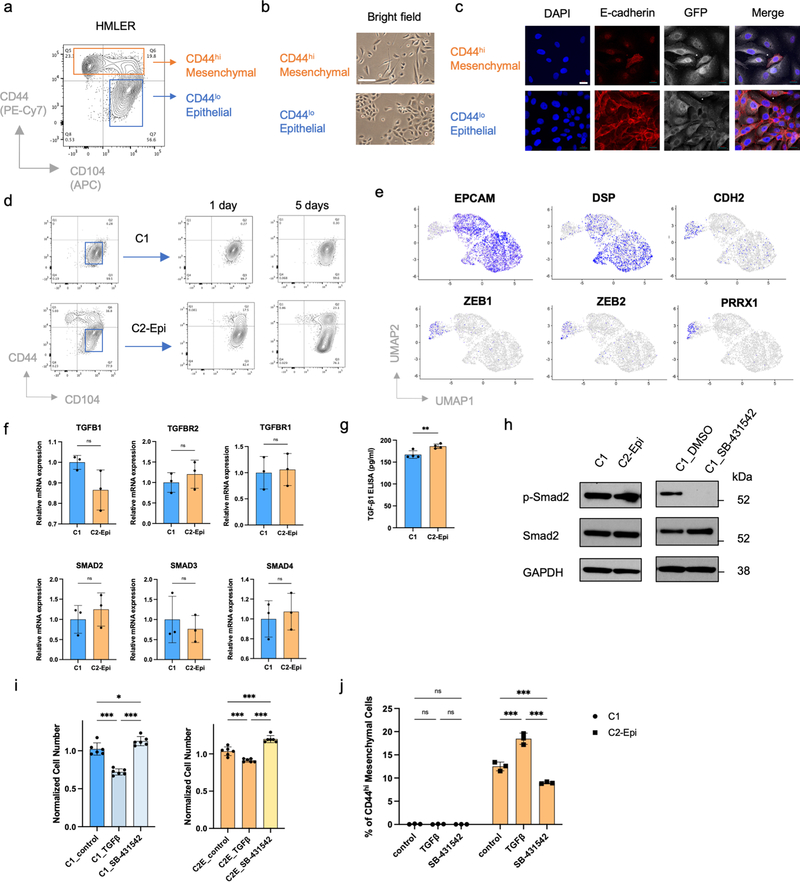
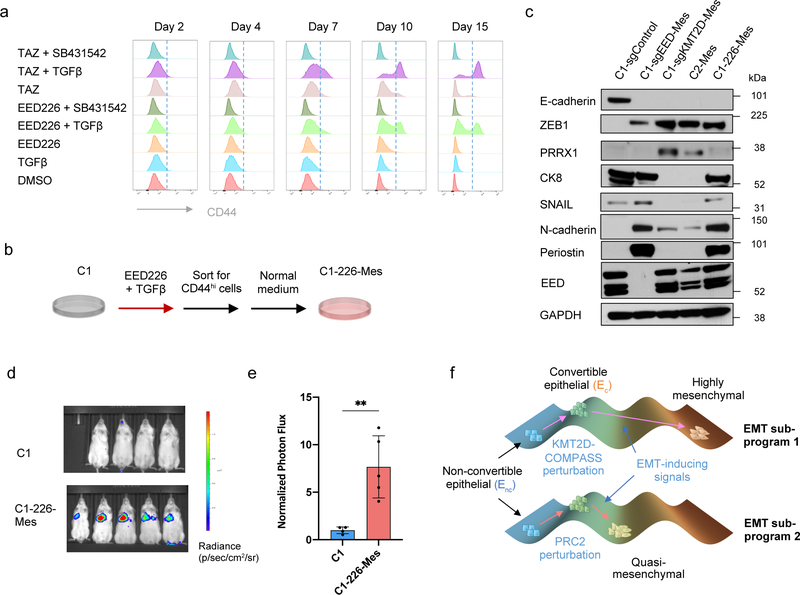
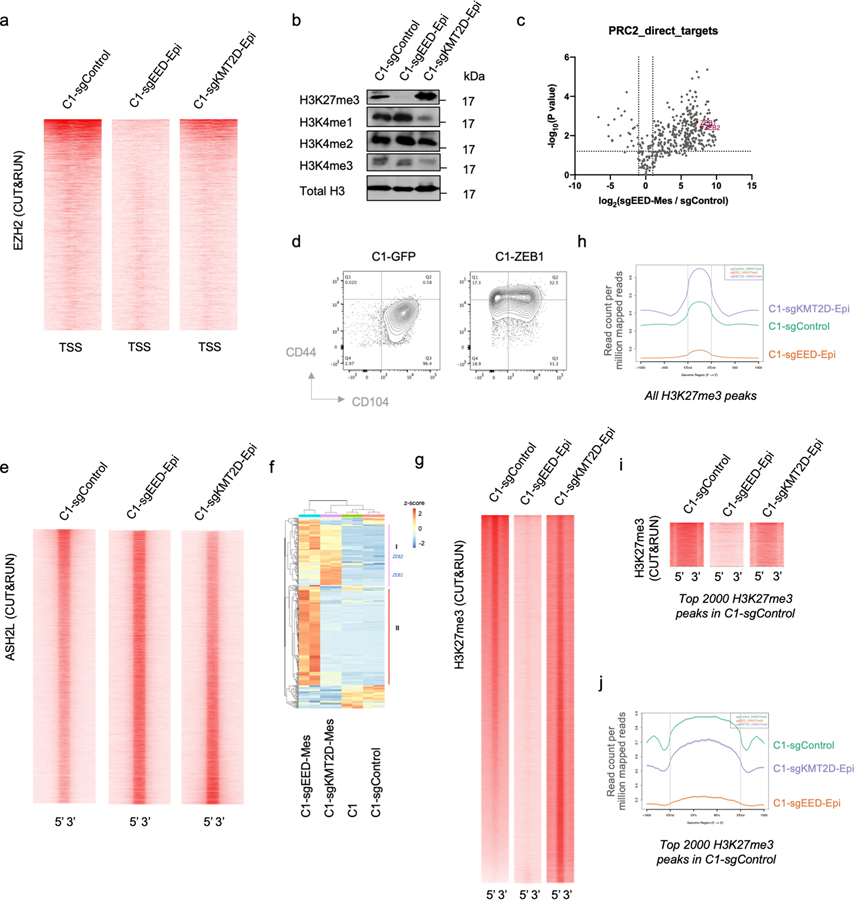
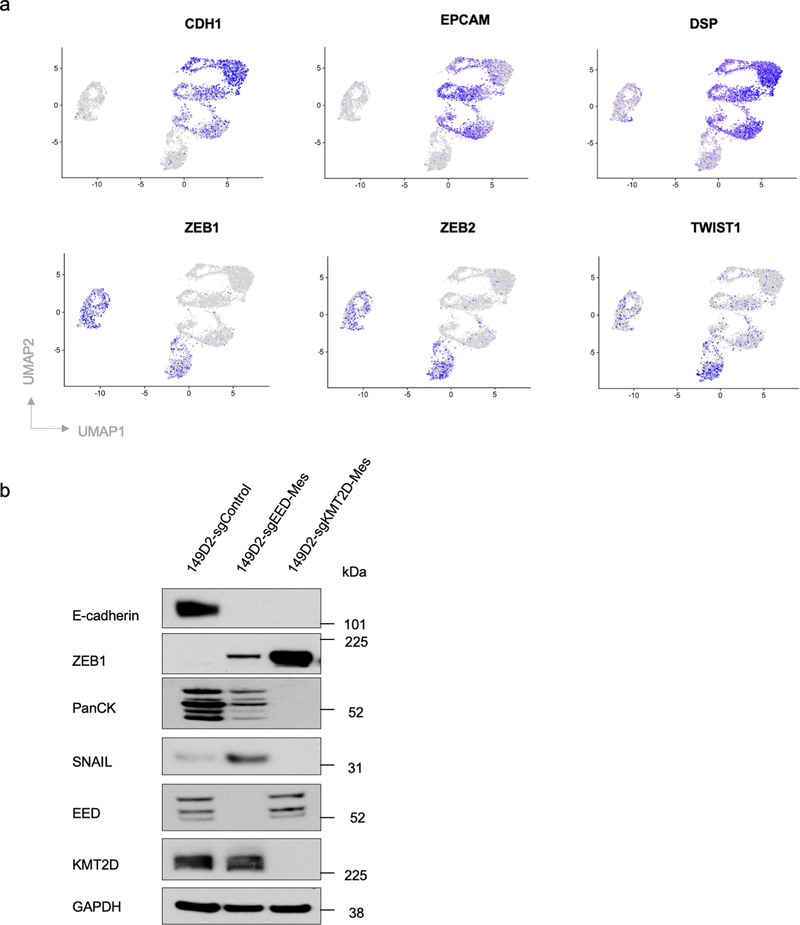
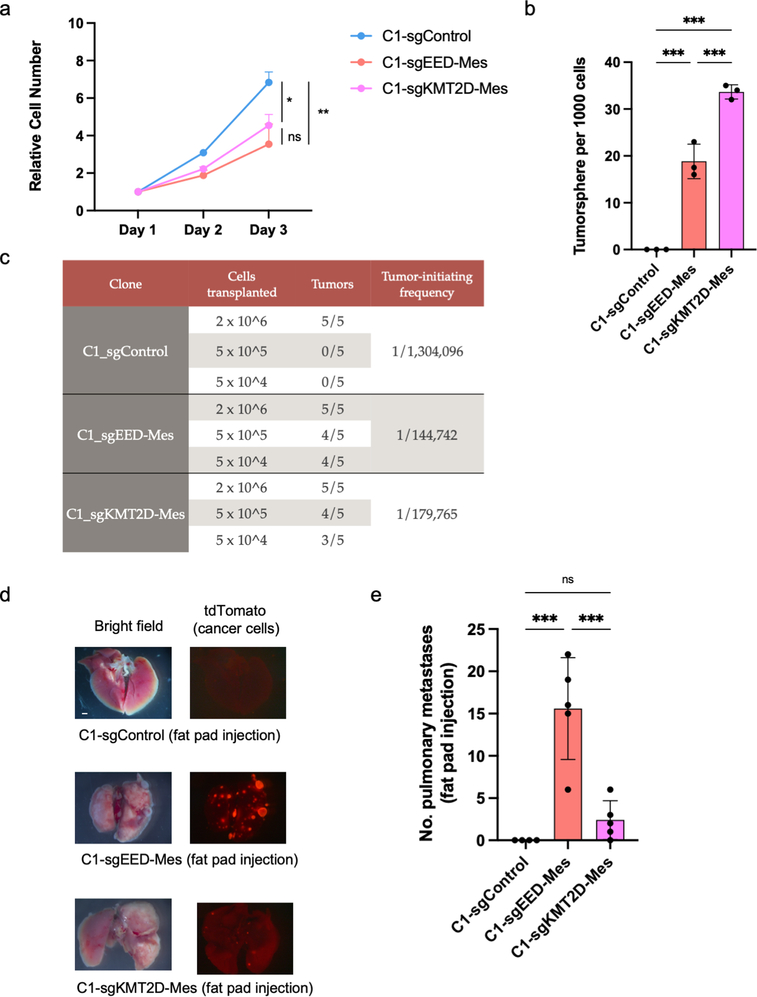
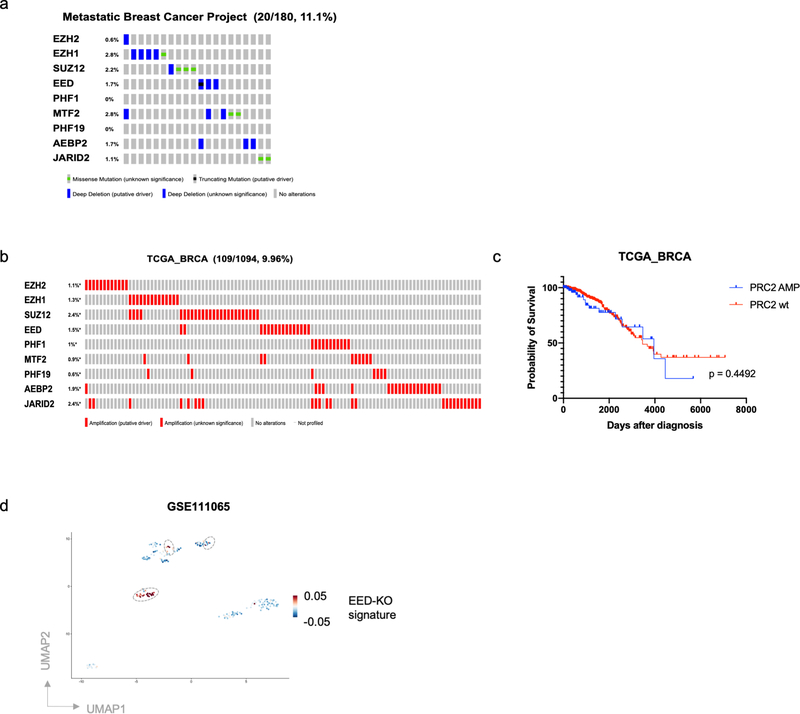
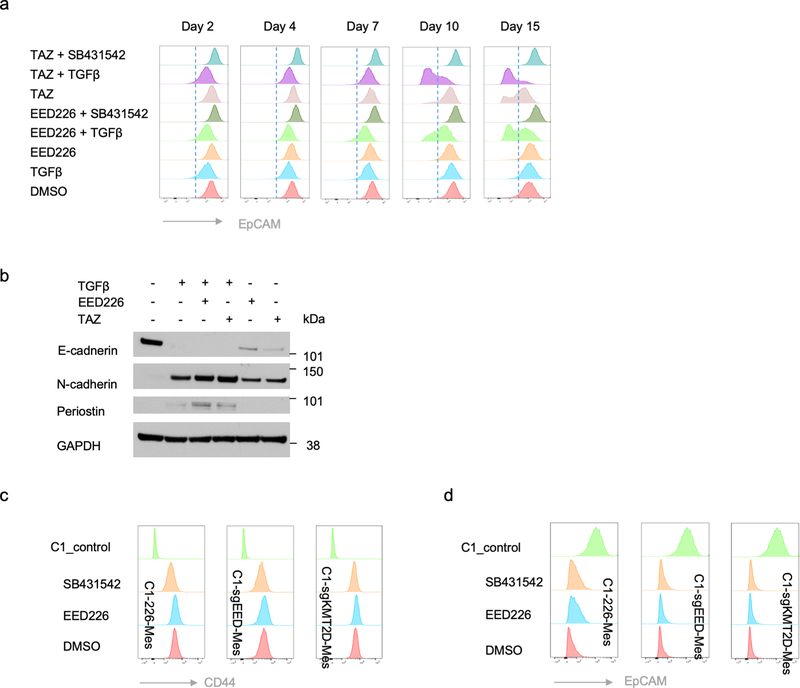
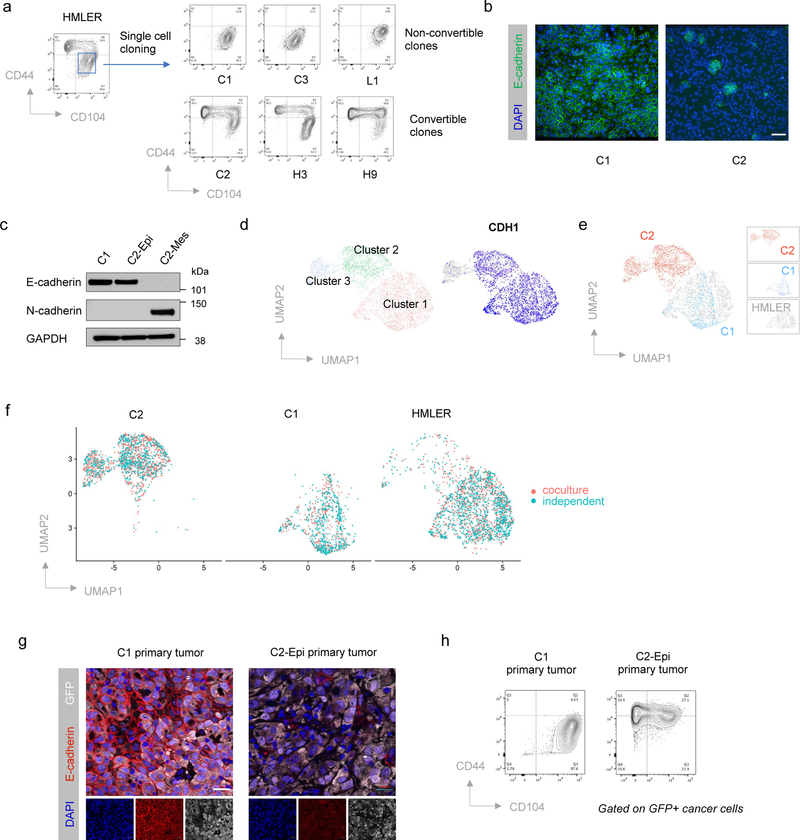
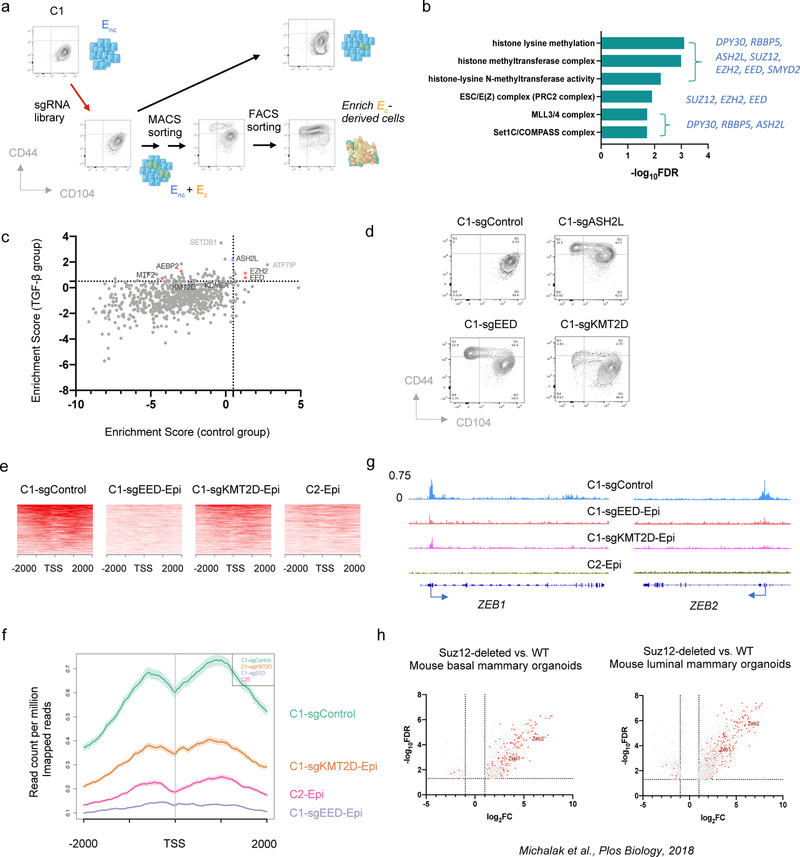
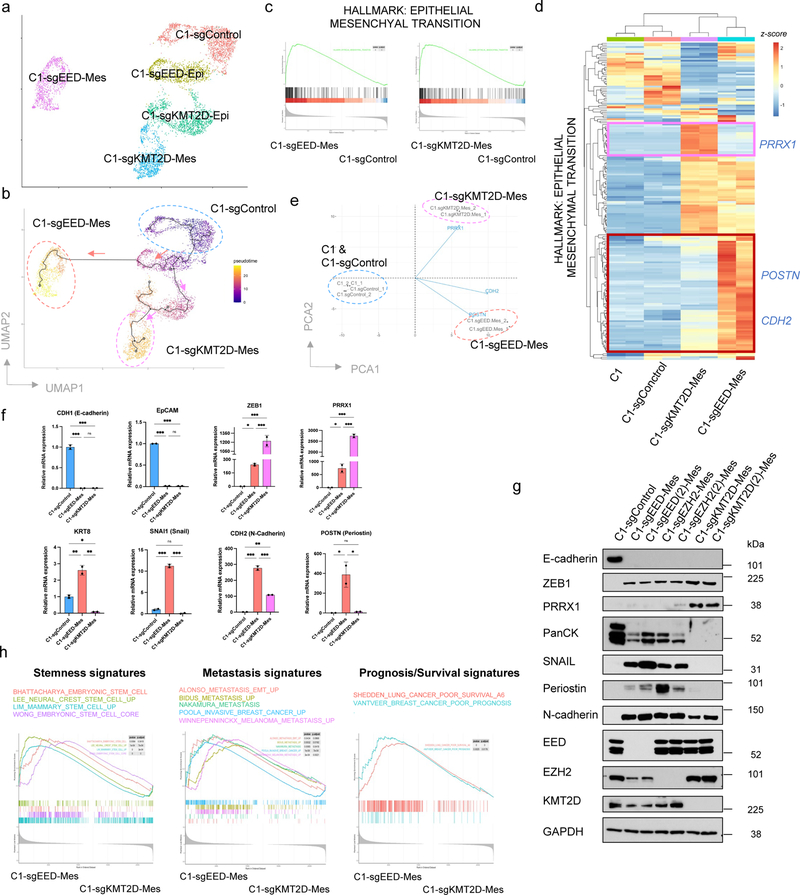
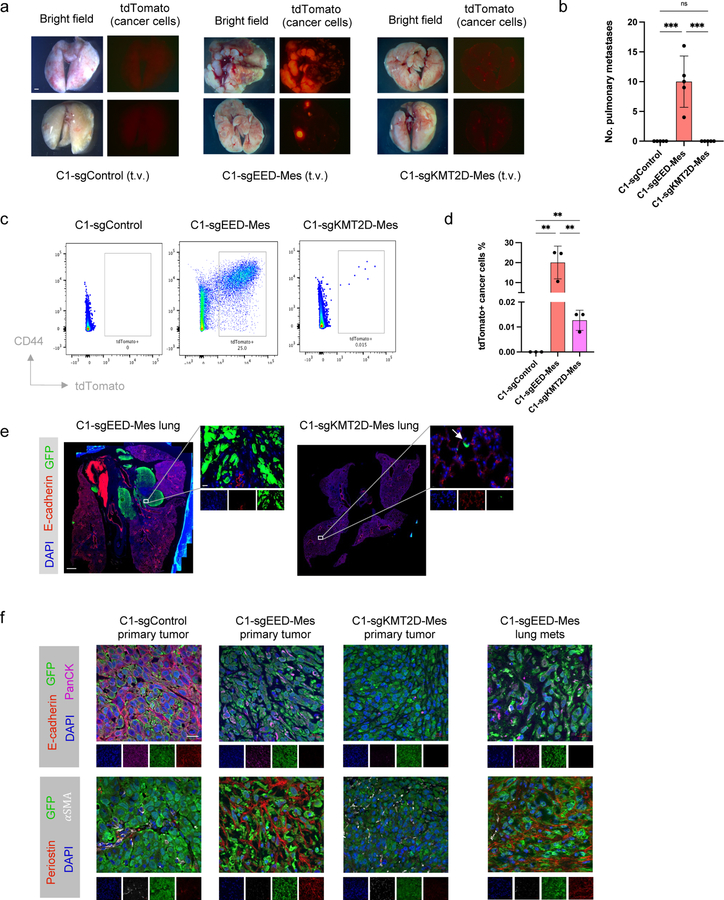
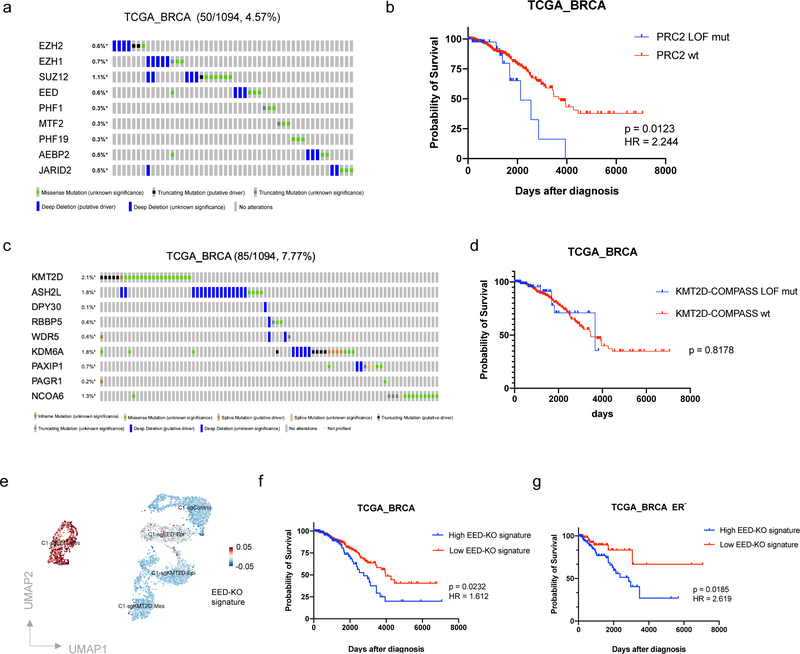
Epithelial-mesenchymal transition (EMT) programs operate within carcinoma cells, where they generate phenotypes associated with malignant progression. In their various manifestations, EMT programs enable epithelial cells to enter into a series of intermediate states arrayed along the E-M phenotypic spectrum. At present, we lack a coherent understanding of how carcinoma cells control their entrance into and continued residence in these various states, and which of these states favour the process of metastasis. Here we characterize a layer of EMT-regulating machinery that governs E-M plasticity (EMP). This machinery consists of two chromatin-modifying complexes, PRC2 and KMT2D-COMPASS, which operate as critical regulators to maintain a stable epithelial state. Interestingly, loss of these two complexes unlocks two distinct EMT trajectories. Dysfunction of PRC2, but not KMT2D-COMPASS, yields a quasi-mesenchymal state that is associated with highly metastatic capabilities and poor survival of patients with breast cancer, suggesting that great caution should be applied when PRC2 inhibitors are evaluated clinically in certain patient cohorts. These observations identify epigenetic factors that regulate EMP, determine specific intermediate EMT states and, as a direct consequence, govern the metastatic ability of carcinoma cells.
上皮-间质转化(EMT)程序在癌细胞内发挥作用,在此过程中会产生与恶性进展相关的表型。在其各种表现形式中,EMT程序使上皮细胞进入一系列沿E-M表型谱排列的中间状态。目前,我们对癌细胞如何控制其进入并持续处于这些不同状态,以及这些状态中的哪些有利于转移过程缺乏连贯的理解。在此,我们描述了一层调控EMT的机制,该机制控制上皮-间质可塑性(EMP)。这种机制由两种染色质修饰复合物组成,即PRC2和KMT2D-COMPASS,它们作为关键调节因子来维持稳定的上皮状态。有趣的是,这两种复合物的缺失开启了两条不同的EMT轨迹。PRC2功能失调而非KMT2D-COMPASS功能失调会产生一种准间充质状态,这种状态与高转移能力以及乳腺癌患者的低生存率相关,这表明在某些患者群体中对PRC2抑制剂进行临床评估时应格外谨慎。这些观察结果确定了调节EMP的表观遗传因素,确定了特定的中间EMT状态,并直接决定了癌细胞的转移能力。