Department of Microbiology and Immunology, Faculty of Pharmacy, Zagazig University, Zagazig, 44519, Egypt.
BMC Microbiol. 2022 Apr 15;22(1):106. doi: 10.1186/s12866-022-02515-z.
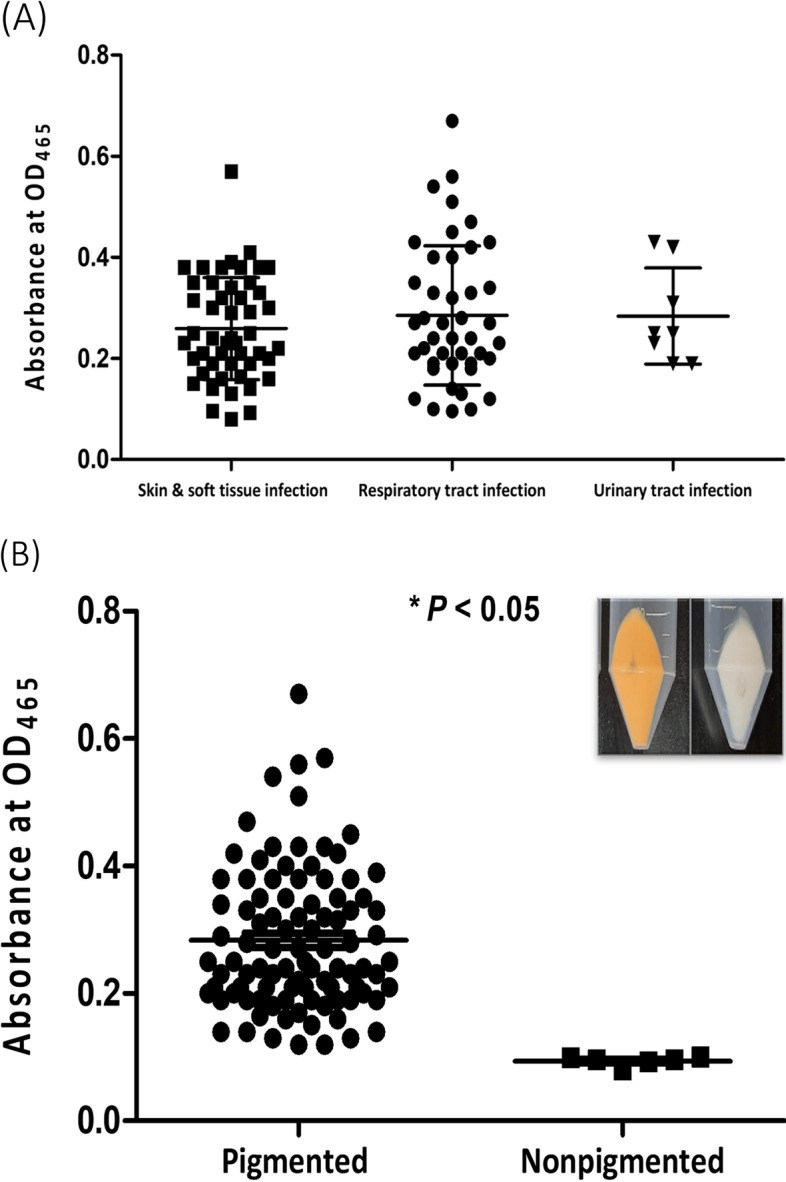
Staphylococcus aureus is a leading cause of human infections. The spread of antibiotic-resistant staphylococci has driven the search for novel strategies to supersede antibiotics use. Thus, targeting bacterial virulence rather than viability could be a possible alternative.
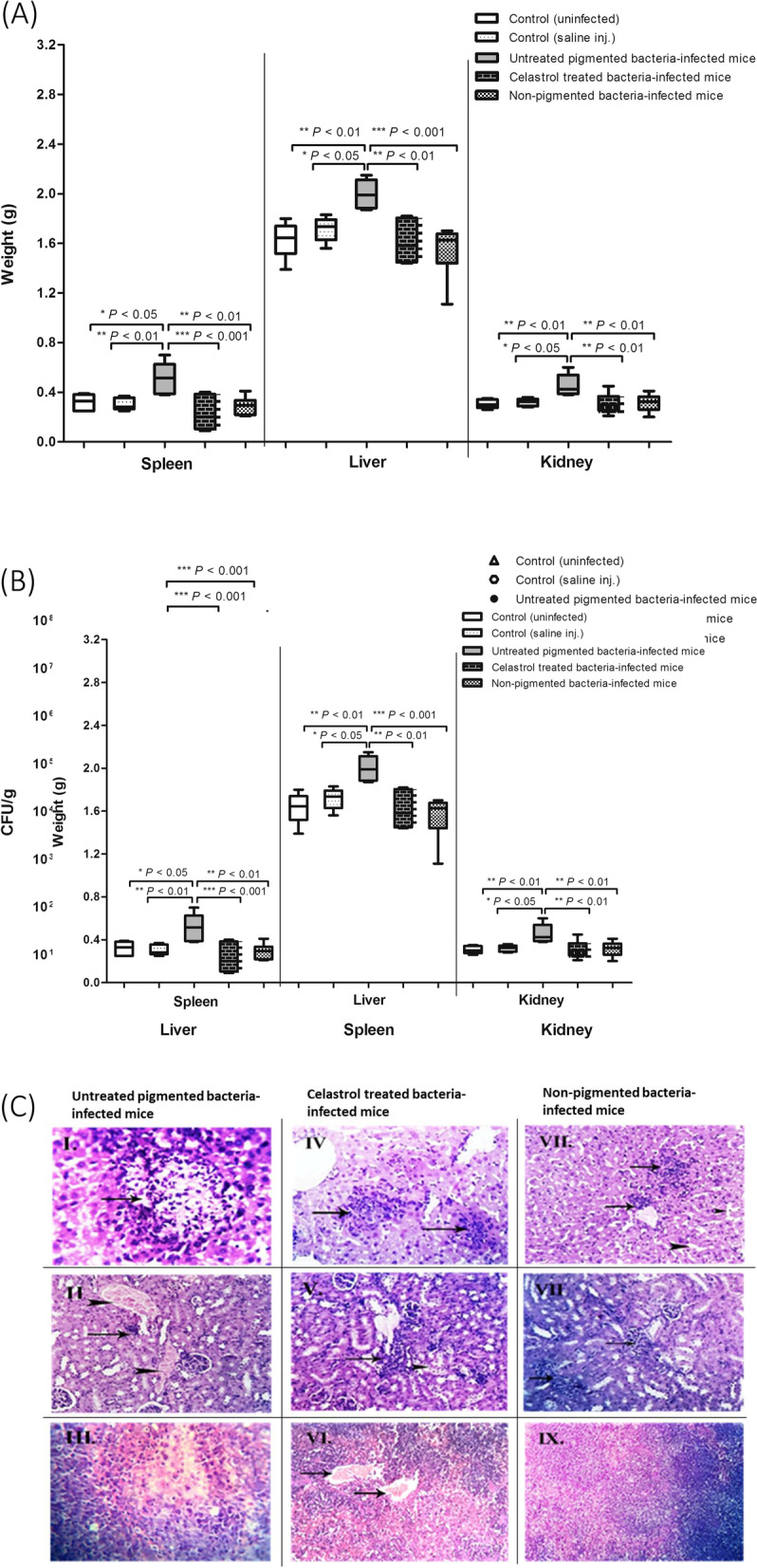
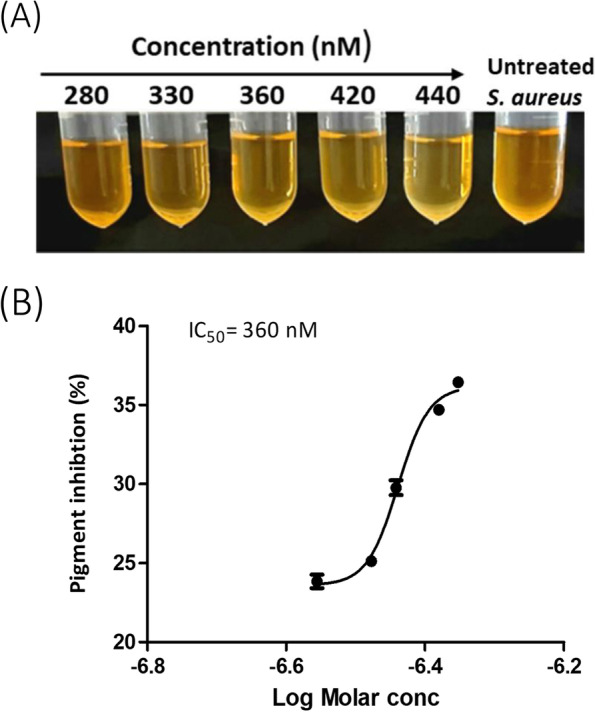
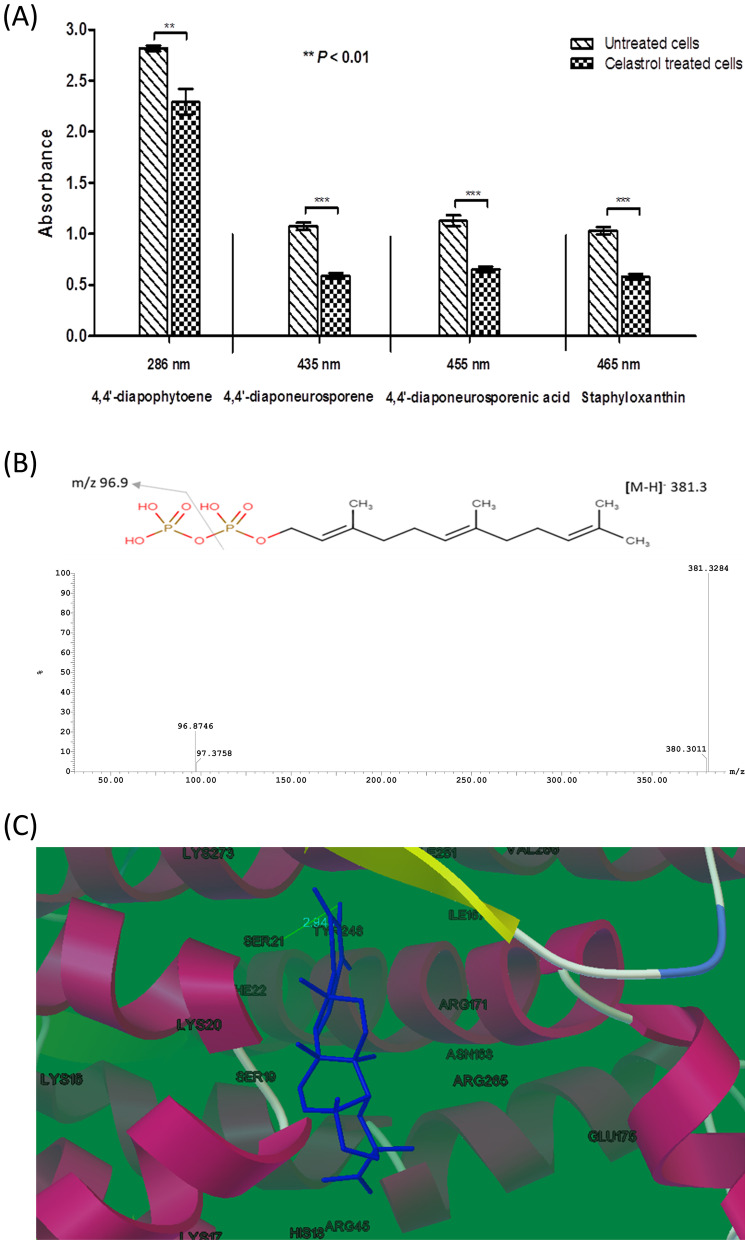
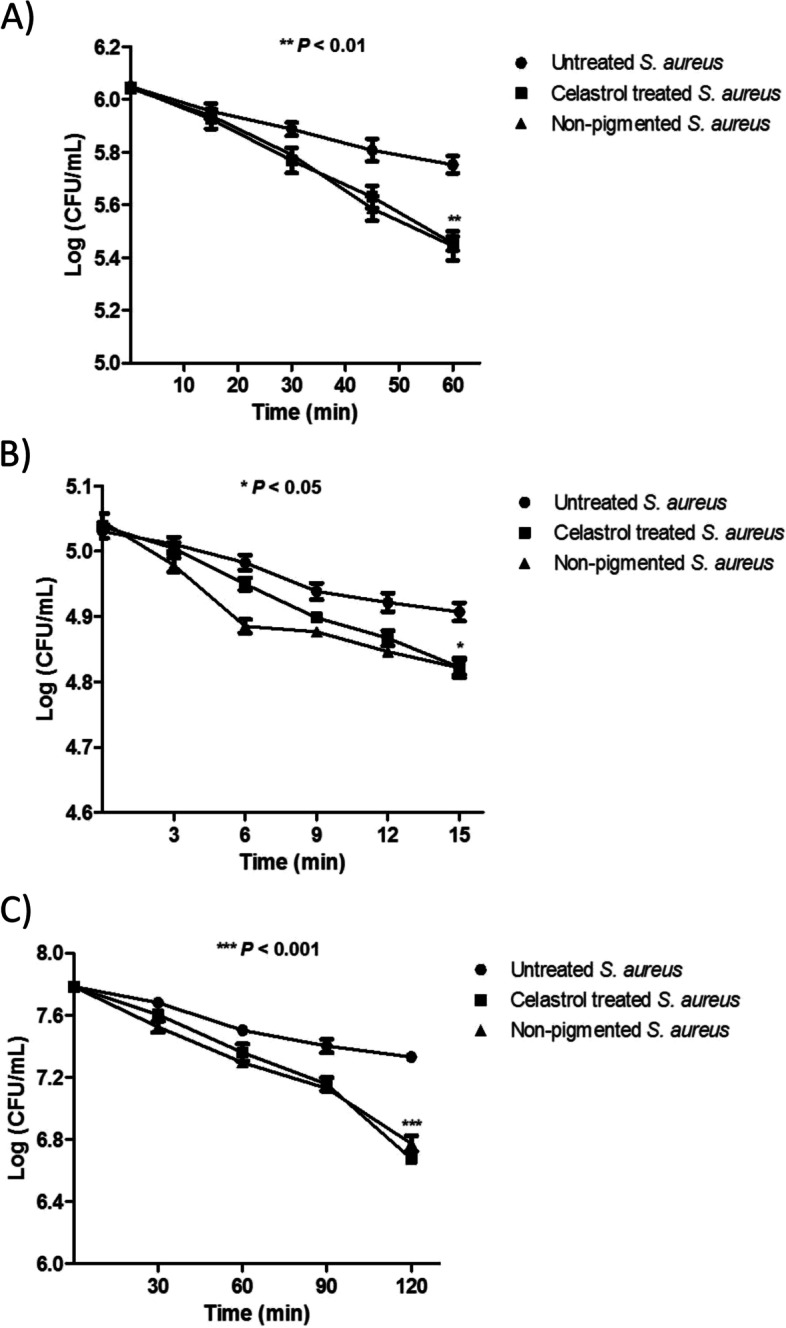
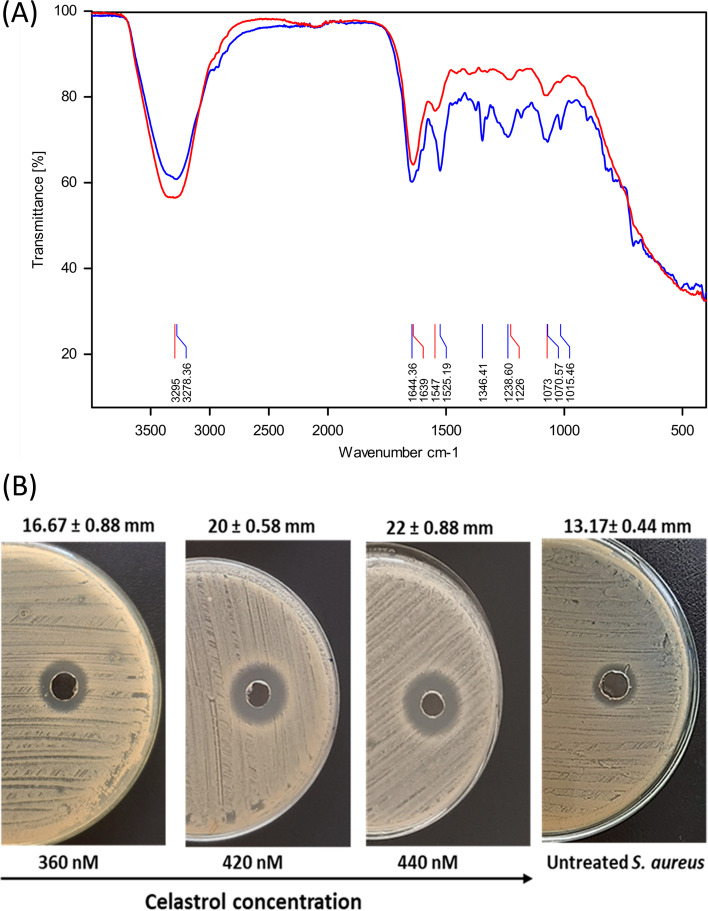
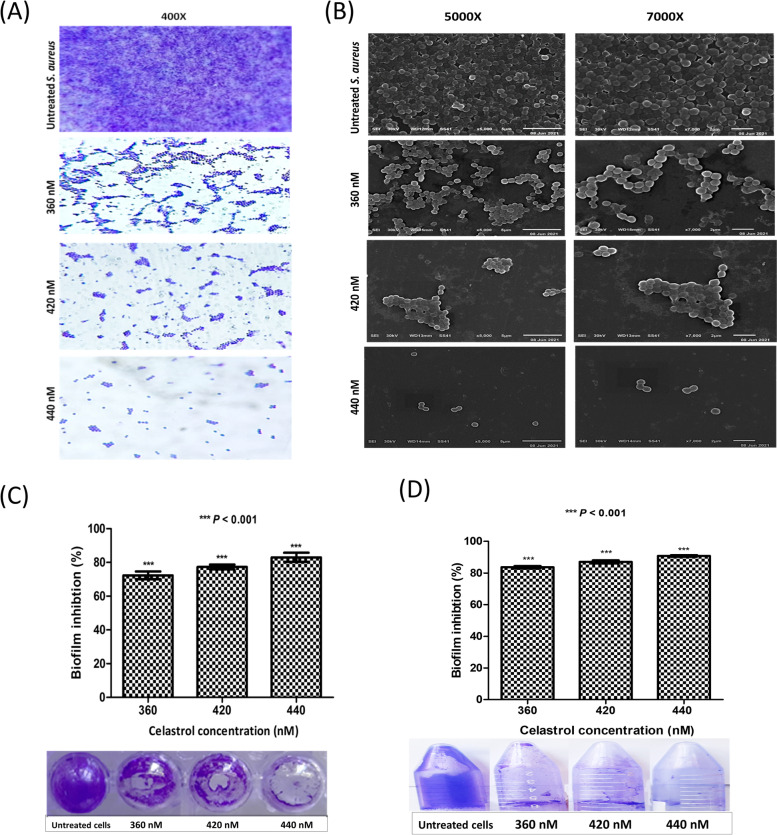
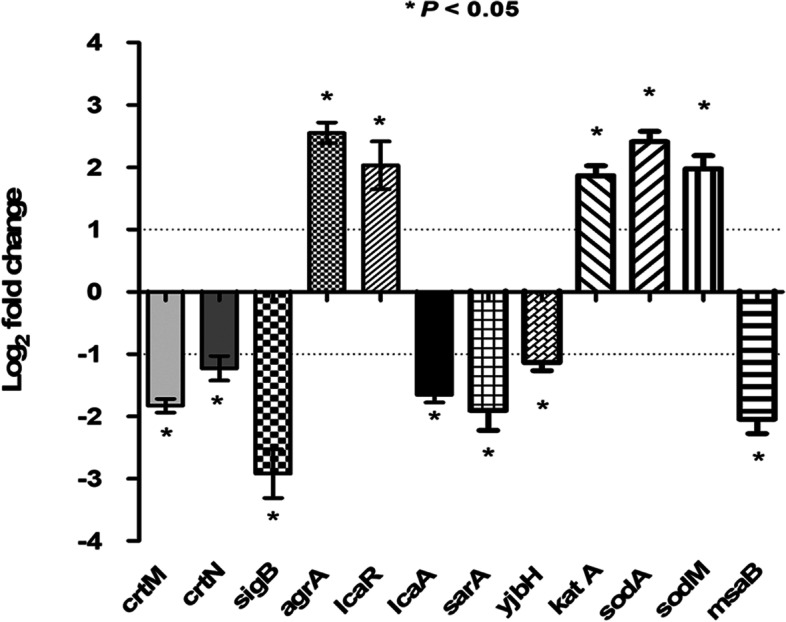
The influence of celastrol on staphyloxanthin (STX) biosynthesis, biofilm formation, antibiotic susceptibility and host pathogenesis in S. aureus has been investigated. Celastrol efficiently reduced STX biosynthesis in S. aureus. Liquid chromatography-mass spectrometry (LC-MS) and molecular docking revealed that celastrol inhibits STX biosynthesis through its effect on CrtM. Quantitative measurement of STX intermediates showed a significant pigment inhibition via interference of celastrol with CrtM and accumulation of its substrate, farnesyl diphosphate. Importantly, celastrol-treated S. aureus was more sensitive to environmental stresses and human blood killing than untreated bacteria. Similarly, inhibition of STX upon celastrol treatment rendered S. aureus more susceptible to membrane targeting antibiotics. In addition to its anti-pigment capability, celastrol exhibits significant anti-biofilm activity against S. aureus as indicated by crystal violet assay and microscopy. Celastrol-treated cells showed deficient exopolysaccharide production and cell hydrophobicity. Moreover, celastrol markedly synergized the action of conventional antibiotics against S. aureus and reduced bacterial pathogenesis in vivo using mice infection model. These findings were further validated using qRT-PCR, demonstrating that celastrol could alter the expression of STX biosynthesis genes as well as biofilm formation related genes and bacterial virulence.
Celastrol is a novel anti-virulent agent against S. aureus suggesting, a prospective therapeutic role for celastrol as a multi-targeted anti-pathogenic agent.
金黄色葡萄球菌是人类感染的主要病原体。抗生素耐药性葡萄球菌的传播推动了人们寻找替代抗生素使用的新策略。因此,针对细菌的毒力而不是活力可能是一种可行的替代方法。
研究了 Celastrol 对金黄色葡萄球菌中 staphyloxanthin (STX) 生物合成、生物膜形成、抗生素敏感性和宿主发病机制的影响。Celastrol 能有效抑制金黄色葡萄球菌中 STX 的生物合成。液相色谱-质谱联用(LC-MS)和分子对接表明,Celastrol 通过其对 CrtM 的作用抑制 STX 的生物合成。STX 中间产物的定量测量表明,Celastrol 通过干扰 CrtM 和积累其底物法呢基二磷酸,显著抑制色素生成。重要的是,与未处理的细菌相比,用 Celastrol 处理的金黄色葡萄球菌对环境应激和人血杀伤更敏感。同样,用 Celastrol 处理抑制 STX 会使金黄色葡萄球菌对膜靶向抗生素更敏感。除了其抗色素能力外,Celastrol 还表现出对金黄色葡萄球菌的显著抗生物膜活性,这表现在结晶紫测定和显微镜观察中。Celastrol 处理的细胞表现出缺陷的胞外多糖产生和细胞疏水性。此外,Celastrol 明显增强了常规抗生素对金黄色葡萄球菌的作用,并通过小鼠感染模型减少了细菌的致病性。使用 qRT-PCR 进一步验证了这些发现,表明 Celastrol 可以改变 STX 生物合成基因以及生物膜形成相关基因和细菌毒力的表达。
Celastrol 是一种针对金黄色葡萄球菌的新型抗毒力药物,表明 Celastrol 作为一种多靶点抗病原体药物具有潜在的治疗作用。