Parker H. Petit Institute for Bioengineering and Bioscience, Georgia Institute of Technology, 315 Ferst Dr. Atlanta, GA, 30332, USA; George W. Woodruff School of Mechanical Engineering, Georgia Institute of Technology, 801 Ferst Dr. Atlanta, GA, 30313, USA.
Parker H. Petit Institute for Bioengineering and Bioscience, Georgia Institute of Technology, 315 Ferst Dr. Atlanta, GA, 30332, USA; Wallace H. Coulter Department of Biomedical Engineering, Georgia Institute of Technology, 313 Ferst Dr NW, Atlanta, GA, 30332, USA.
Biomaterials. 2022 May;284:121483. doi: 10.1016/j.biomaterials.2022.121483. Epub 2022 Mar 29.
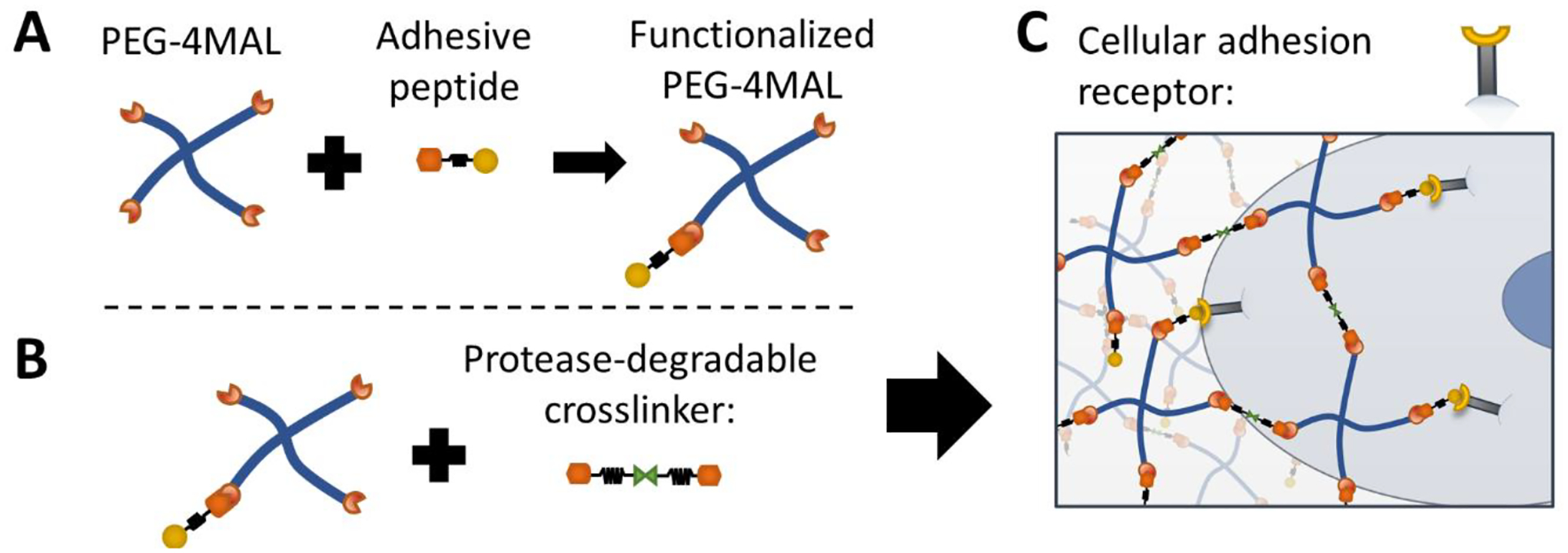
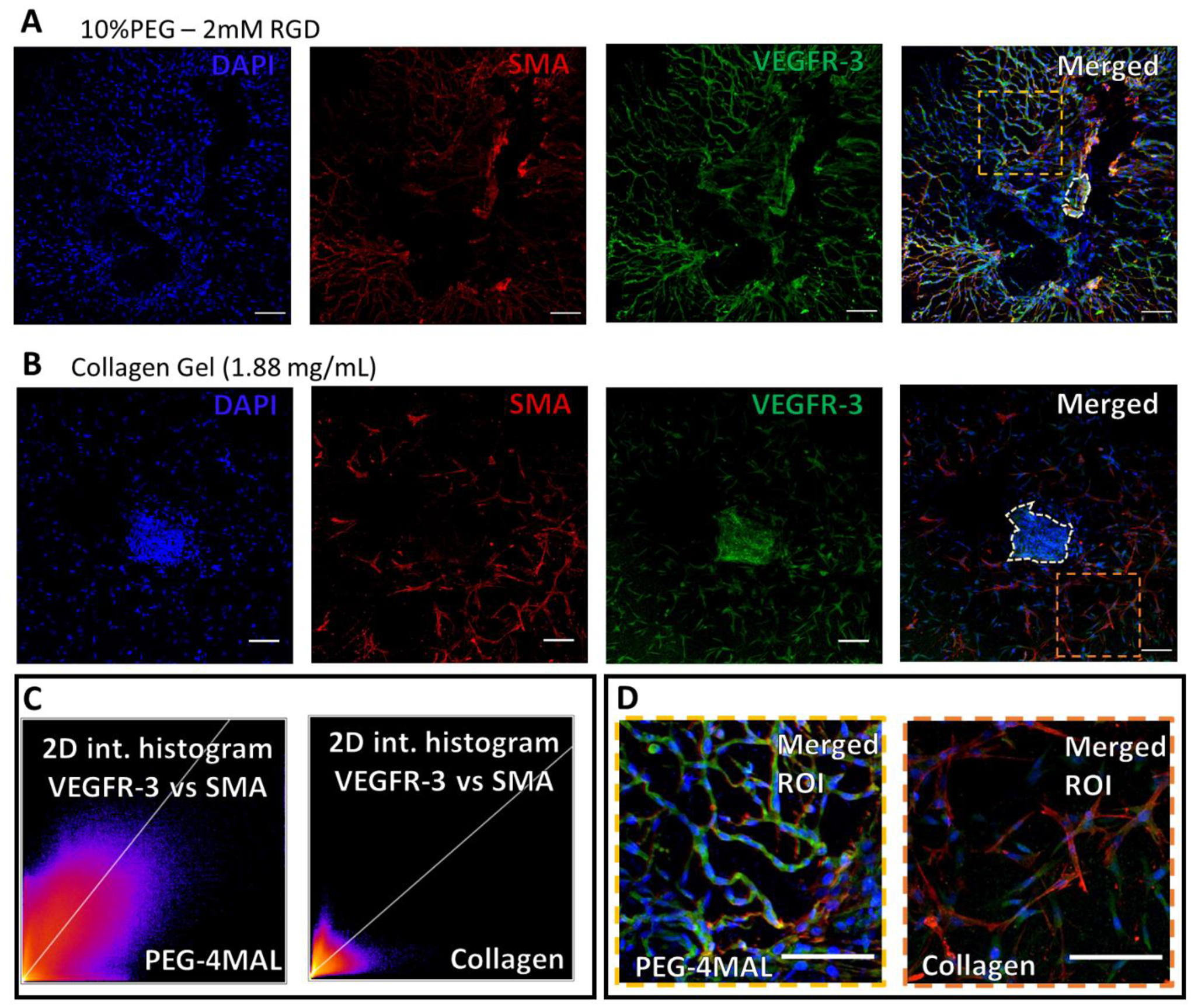
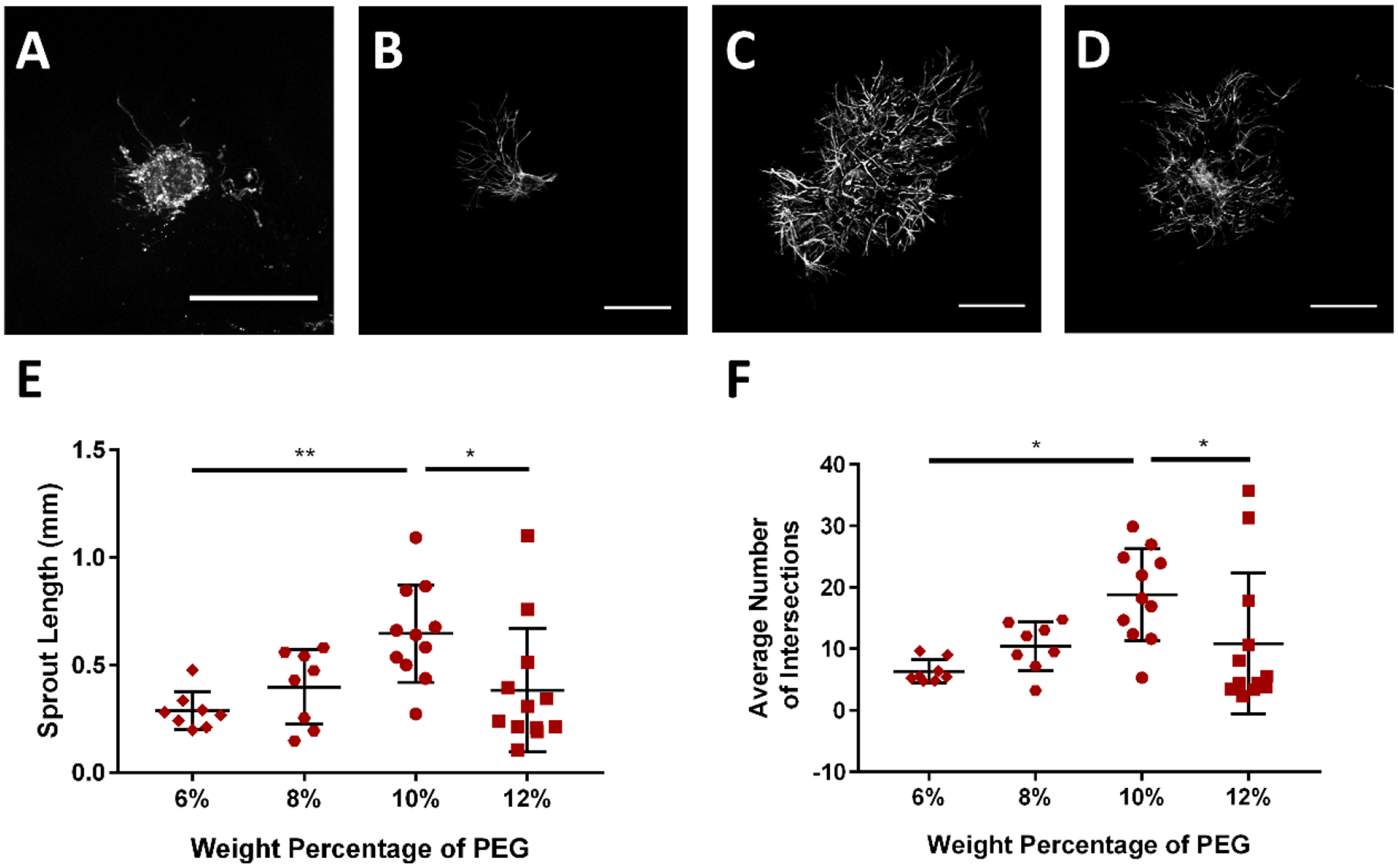
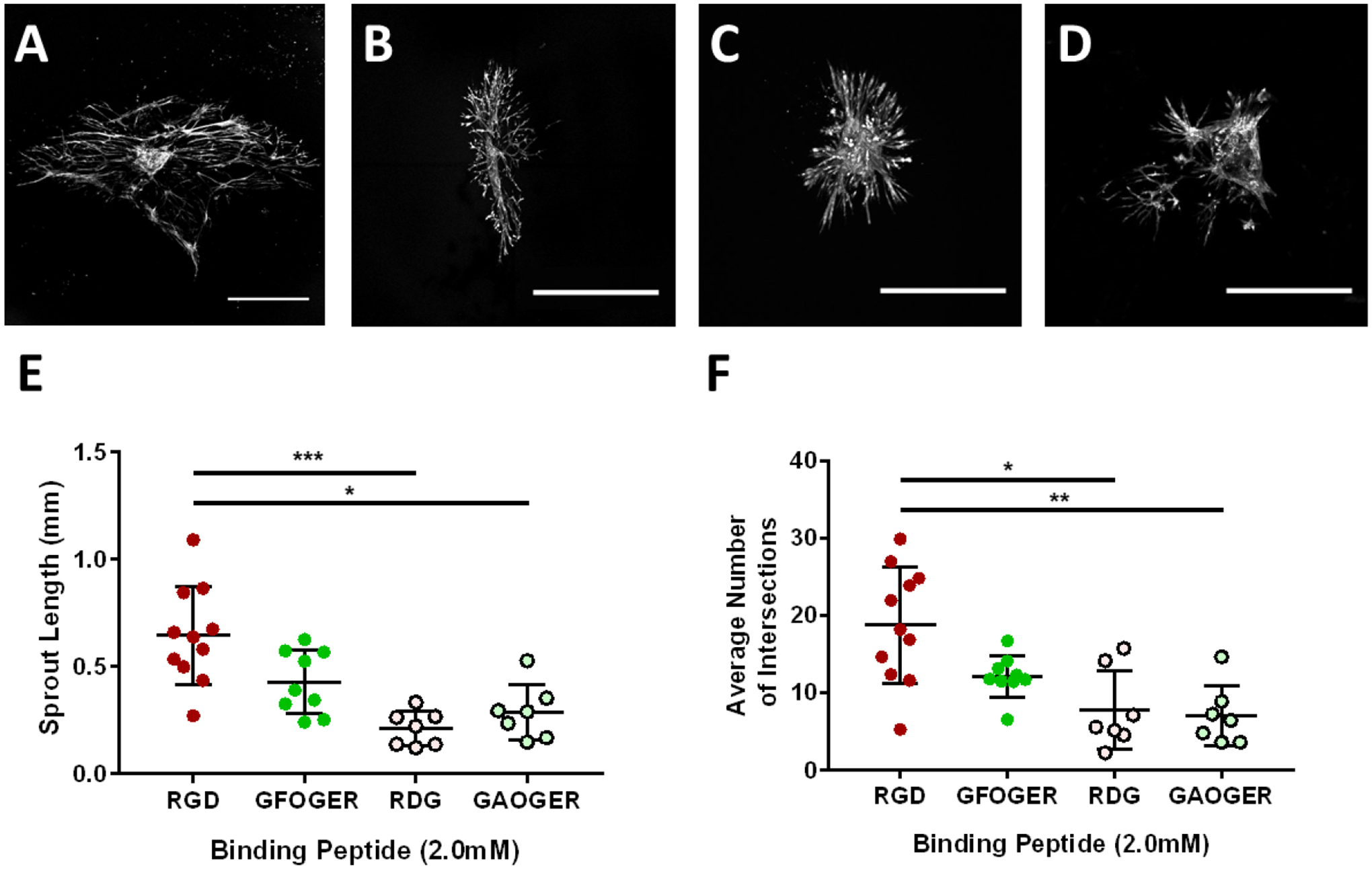
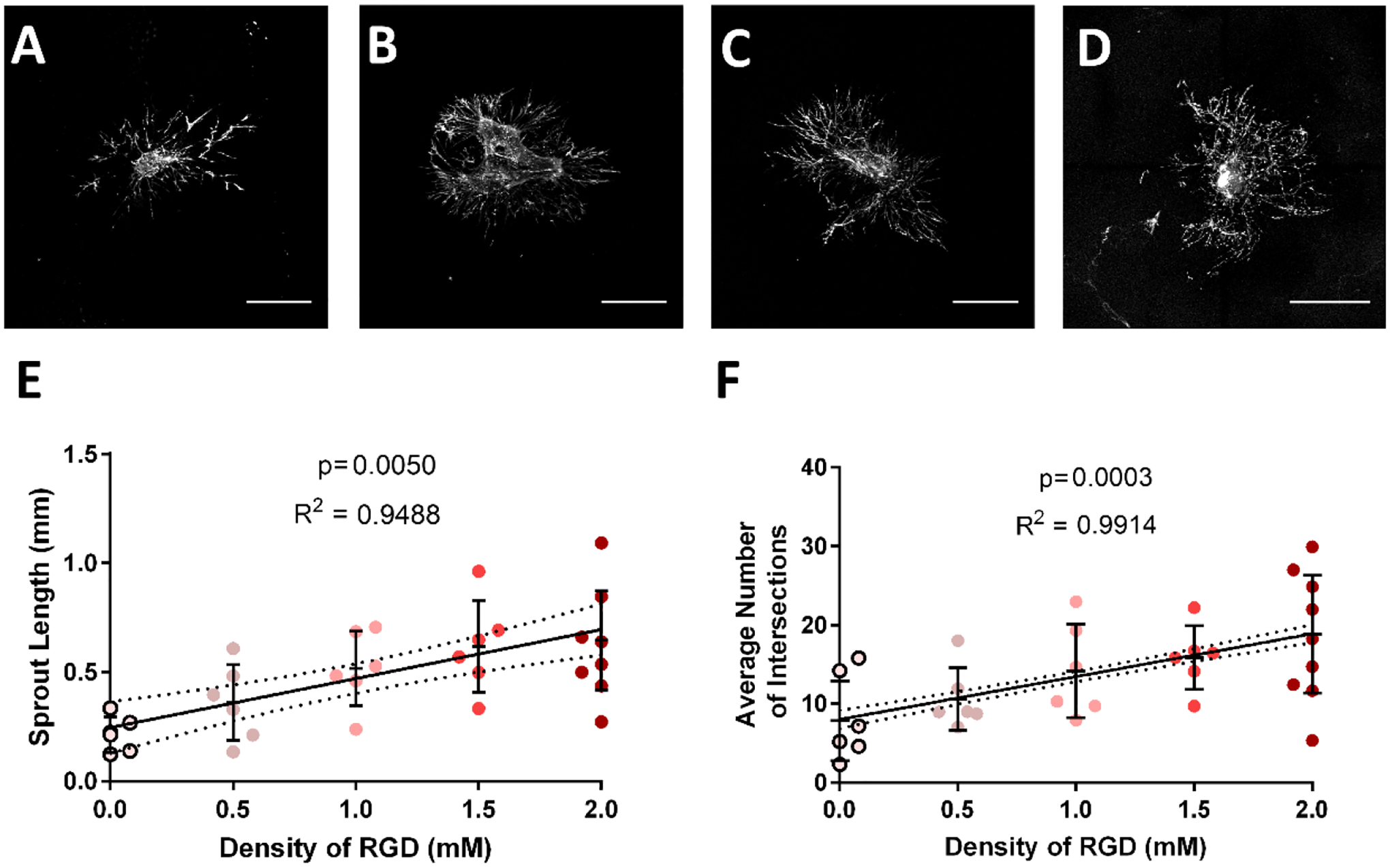
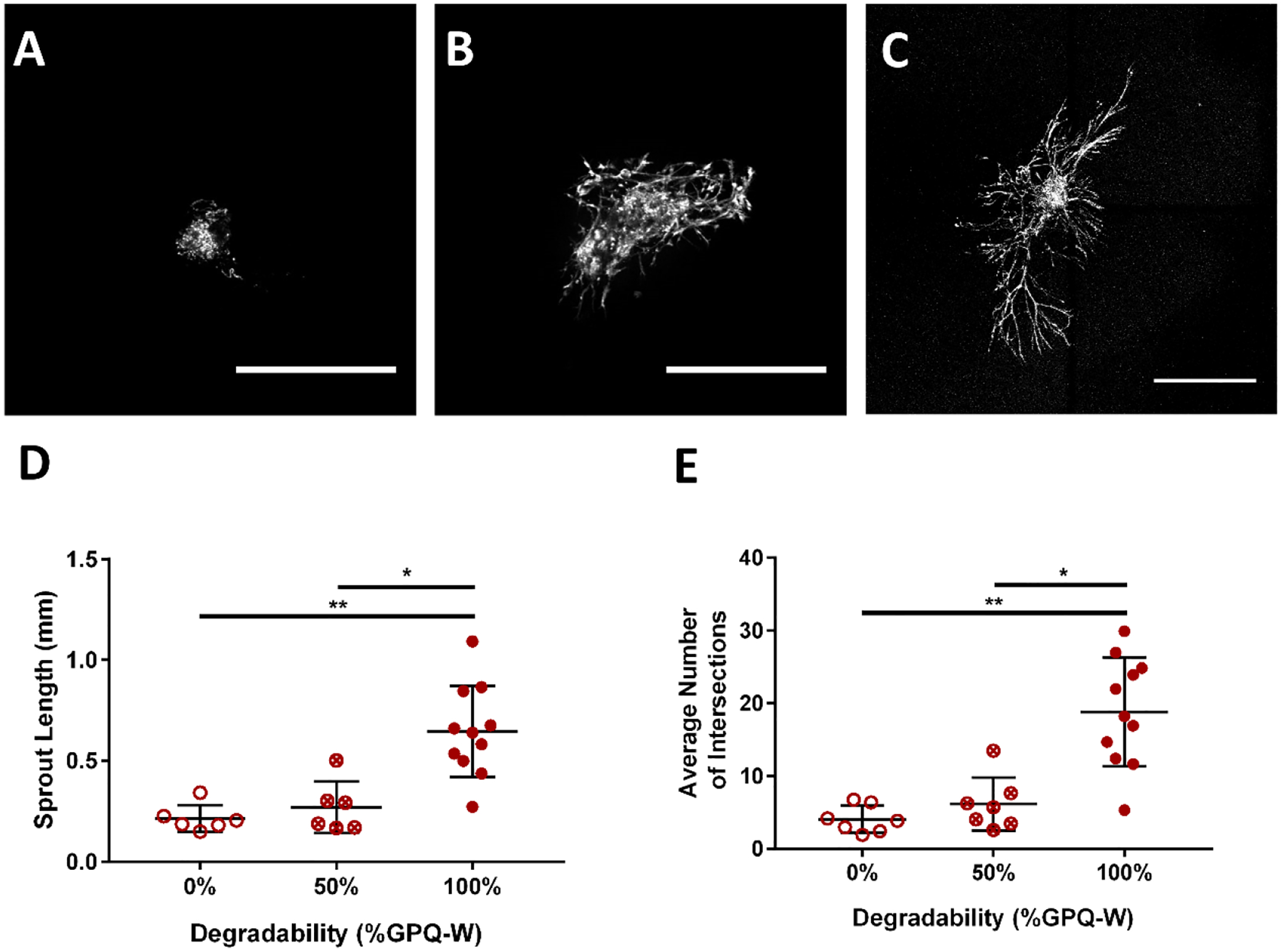
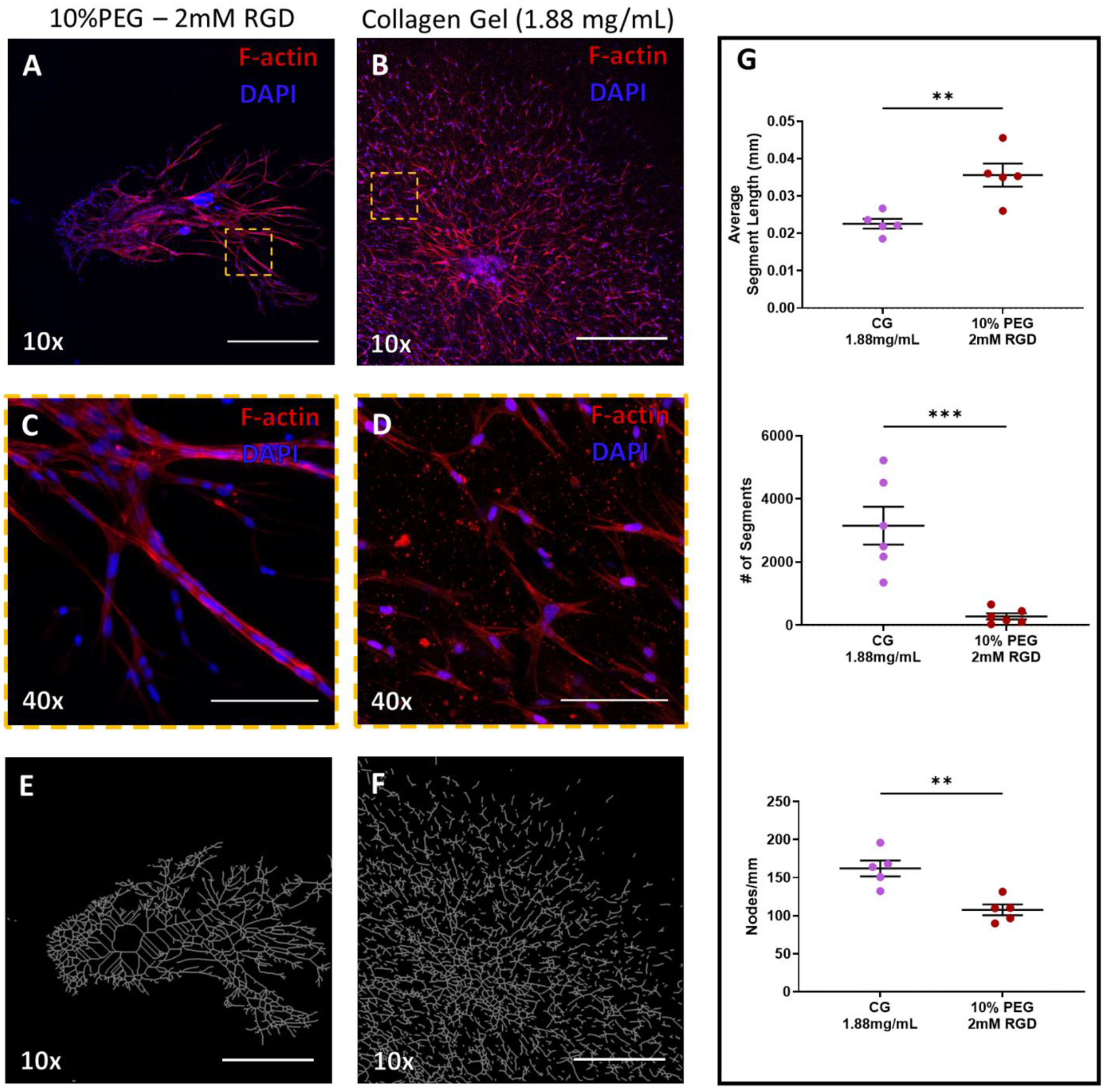
The lymphatic vasculature is an essential component of the body's circulation providing a network of vessels to return fluid and proteins from the tissue space to the blood, to facilitate immune ce-ll and antigen transport to lymph nodes, and to take up dietary lipid from the intestine. The development of biomaterial-based strategies to facilitate the growth of lymphatics either for regenerative purposes or as model system to study lymphatic biology is still in its nascent stages. In particular, platforms that encourage the sprouting and formation of lymphatic networks from collecting vessels are particularly underdeveloped. Through implementation of a modular, poly(ethylene glycol) (PEG)-based hydrogel, we explored the independent contributions of matrix elasticity, degradability, and adhesive peptide presentation on sprouting of implanted segments of rat lymphatic collecting vessels. An engineered hydrogel with 680 Pa elasticity, 2.0 mM RGD adhesive peptide, and full susceptibility to protease degradability produced the highest levels of sprouting relative to other physicochemical matrix properties. This engineered hydrogel was then utilized as a scaffold to facilitate the implantation of a donor vessel that functionally grafted into the host vasculature. This hydrogel provides a promising platform for facilitating lymphangiogenesis in vivo or as a means to understand the cellular mechanisms involved in the sprout process during collecting lymphatic vessel collateralization.
淋巴血管系统是身体循环系统的重要组成部分,提供了一个血管网络,将液体和蛋白质从组织间隙回流到血液中,促进免疫细胞和抗原运输到淋巴结,并从肠道中摄取膳食脂质。基于生物材料的策略的发展,以促进淋巴管的生长,无论是为了再生目的还是作为研究淋巴管生物学的模型系统,仍处于起步阶段。特别是,鼓励从收集血管中发芽和形成淋巴管网络的平台还很不发达。通过实施模块化、基于聚乙二醇(PEG)的水凝胶,我们研究了基质弹性、可降解性和粘附肽呈现对植入的大鼠淋巴收集血管段发芽的独立贡献。具有 680 Pa 弹性、2.0 mM RGD 粘附肽和完全易受蛋白酶降解性的工程化水凝胶与其他物理化学基质特性相比,产生了最高水平的发芽。然后,该工程水凝胶被用作支架,以促进供体血管的植入,该血管能够功能性地植入宿主脉管系统。这种水凝胶为体内促进淋巴管生成提供了一个有前途的平台,或者作为一种手段来理解收集淋巴管侧支形成过程中涉及的细胞机制。