Rieder Phillip, Gobbo Davide, Stopper Gebhard, Welle Anna, Damo Elisa, Kirchhoff Frank, Scheller Anja
Department of Molecular Physiology, Center for Integrative Physiology and Molecular Medicine (CIPMM), University of Saarland, Homburg, Germany.
Department of Genetics and Epigenetics, University of Saarland, Saarbrücken, Germany.
Front Mol Neurosci. 2022 Mar 30;15:840948. doi: 10.3389/fnmol.2022.840948. eCollection 2022.
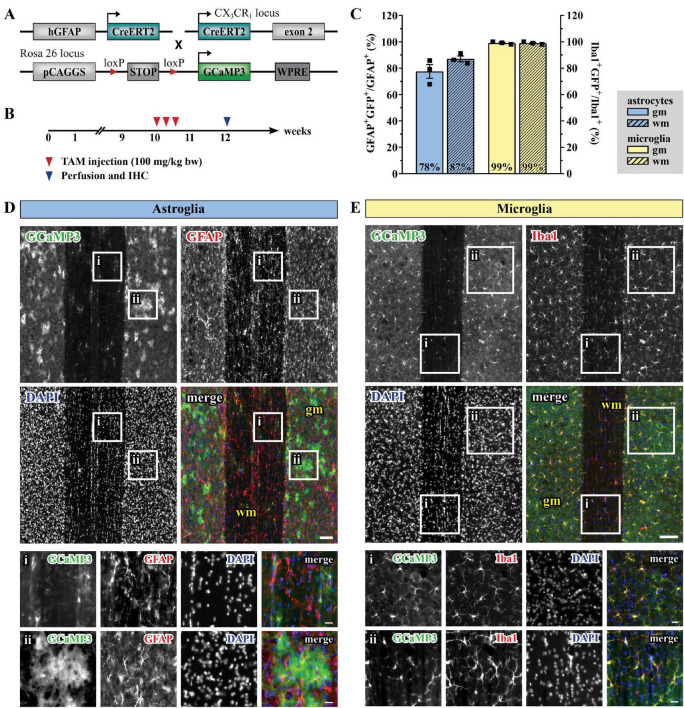
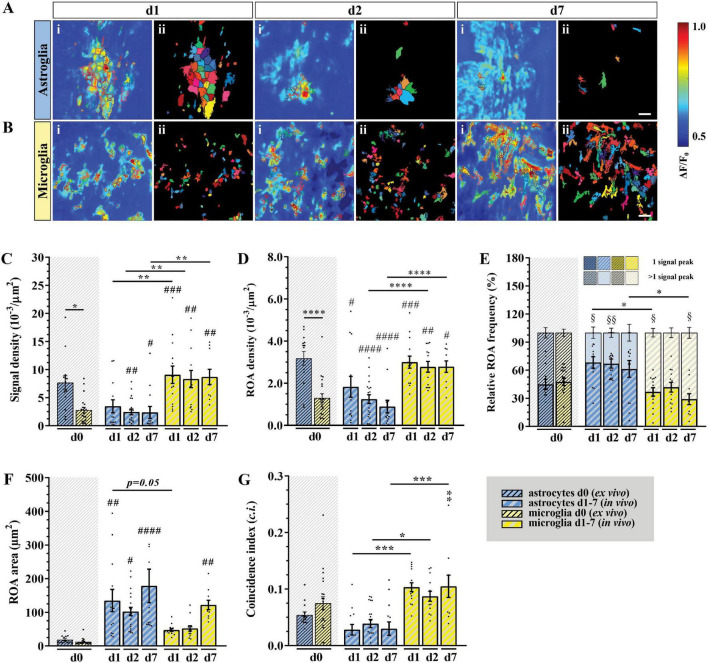
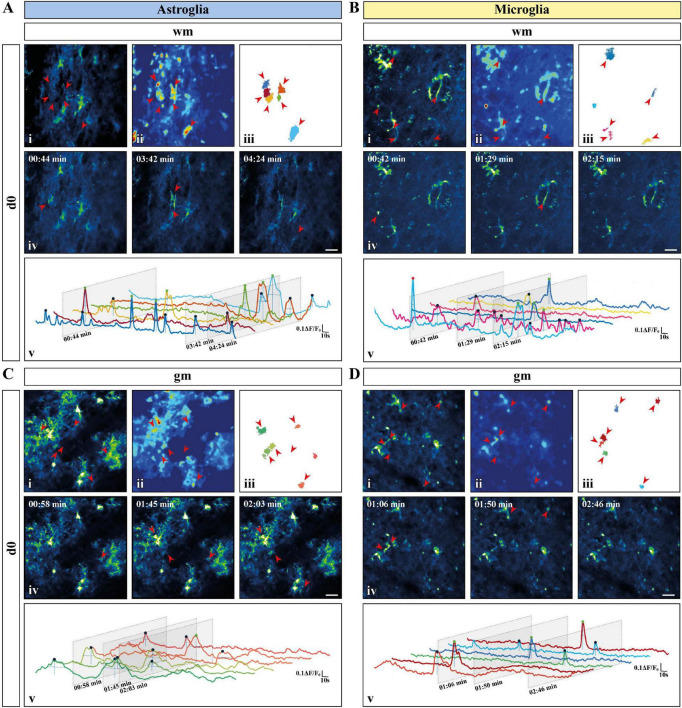
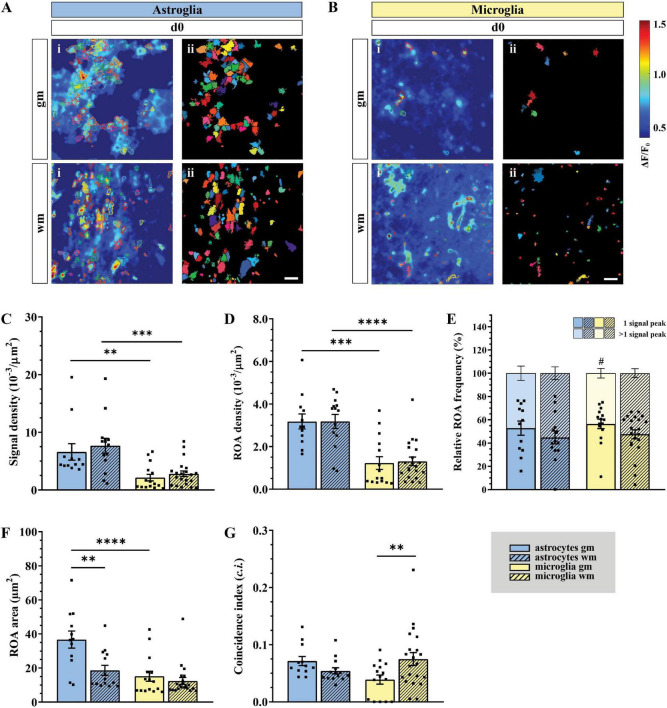
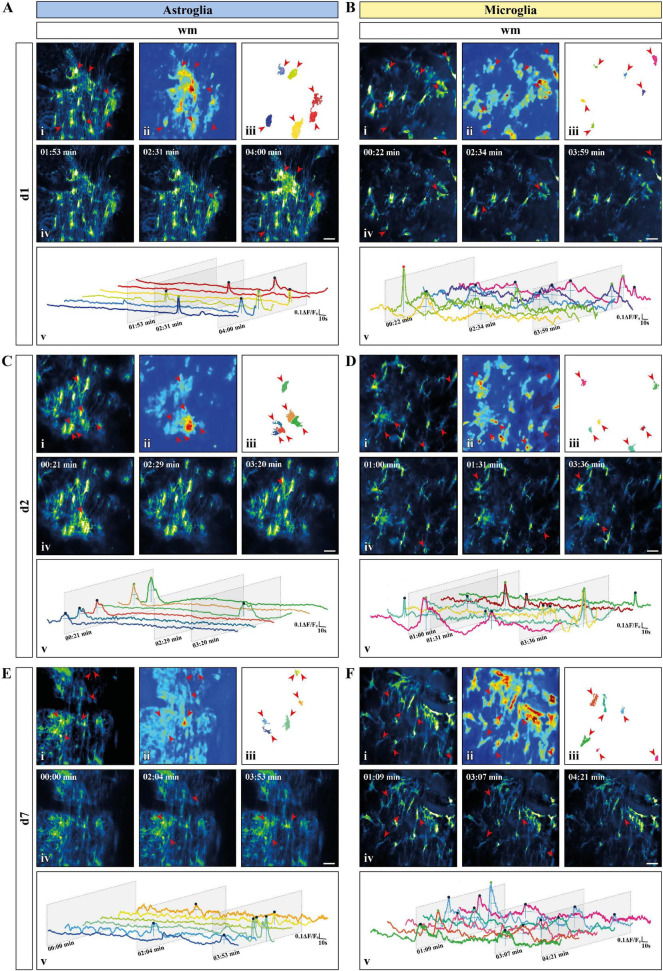
The spinal cord is the main pathway connecting brain and peripheral nervous system. Its functionality relies on the orchestrated activity of both neurons and glial cells. To date, most advancement in understanding the spinal cord inner mechanisms has been made either by exposure of its dorsal surface through laminectomy or by acute slice preparation, likely affecting spinal cord physiology in virtue of the necessary extensive manipulation of the spinal cord tissue. This is especially true of cells immediately responding to alterations of the surrounding environment, such as microglia and astrocytes, reacting within seconds or minutes and for up to several days after the original insult. Ca signaling is considered one of the most immediate, versatile, and yet elusive cellular responses of glia. Here, we induced the cell-specific expression of the genetically encoded Ca indicator GCaMP3 to evaluate spontaneous intracellular Ca signaling in astrocytes and microglia. Ca signals were then characterized in acute (both gray and white matter) as well as in chronic (white matter) preparations using MSparkles, a MATLAB-based software for automatic detection and analysis of fluorescence events. As a result, we were able to segregate distinct astroglial and microglial Ca signaling patterns along with method-specific Ca signaling alterations, which must be taken into consideration in the reliable evaluation of any result obtained in physiological as well as pathological conditions. Our study revealed a high degree of Ca signaling diversity in glial cells of the murine spinal cord, thus adding to the current knowledge of the astonishing glial heterogeneity and cell-specific Ca dynamics in non-neuronal networks.
脊髓是连接大脑和周围神经系统的主要通路。其功能依赖于神经元和神经胶质细胞的协同活动。迄今为止,在理解脊髓内部机制方面取得的大多数进展,要么是通过椎板切除术暴露其背表面,要么是通过急性切片制备,由于对脊髓组织进行了必要的广泛操作,这可能会影响脊髓生理学。对于那些立即对周围环境变化做出反应的细胞,如小胶质细胞和星形胶质细胞,在原始损伤后数秒或数分钟内做出反应,并持续长达数天,情况尤其如此。钙信号被认为是神经胶质细胞最直接、最通用但又最难以捉摸的细胞反应之一。在这里,我们诱导了基因编码的钙指示剂GCaMP3的细胞特异性表达,以评估星形胶质细胞和小胶质细胞中的自发细胞内钙信号。然后使用MSparkles(一种基于MATLAB的用于自动检测和分析荧光事件的软件),在急性(灰质和白质)以及慢性(白质)制剂中对钙信号进行表征。结果,我们能够区分不同的星形胶质细胞和小胶质细胞钙信号模式以及方法特异性的钙信号变化,在可靠评估生理和病理条件下获得的任何结果时,都必须考虑这些变化。我们的研究揭示了小鼠脊髓神经胶质细胞中高度的钙信号多样性,从而增加了目前对非神经元网络中惊人的神经胶质细胞异质性和细胞特异性钙动力学的认识。