Samec Timothy, Boulos Jessica, Gilmore Serena, Hazelton Anthony, Alexander-Bryant Angela
Nanobiotechnology Laboratory, Clemson University, Department of Bioengineering, Clemson, SC, USA.
Mater Today Bio. 2022 Mar 30;14:100248. doi: 10.1016/j.mtbio.2022.100248. eCollection 2022 Mar.
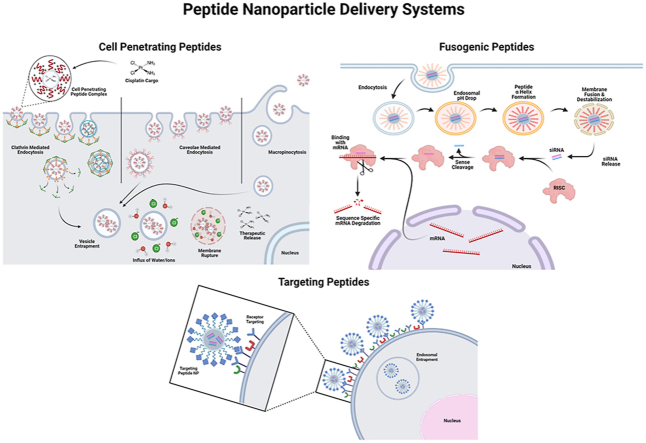
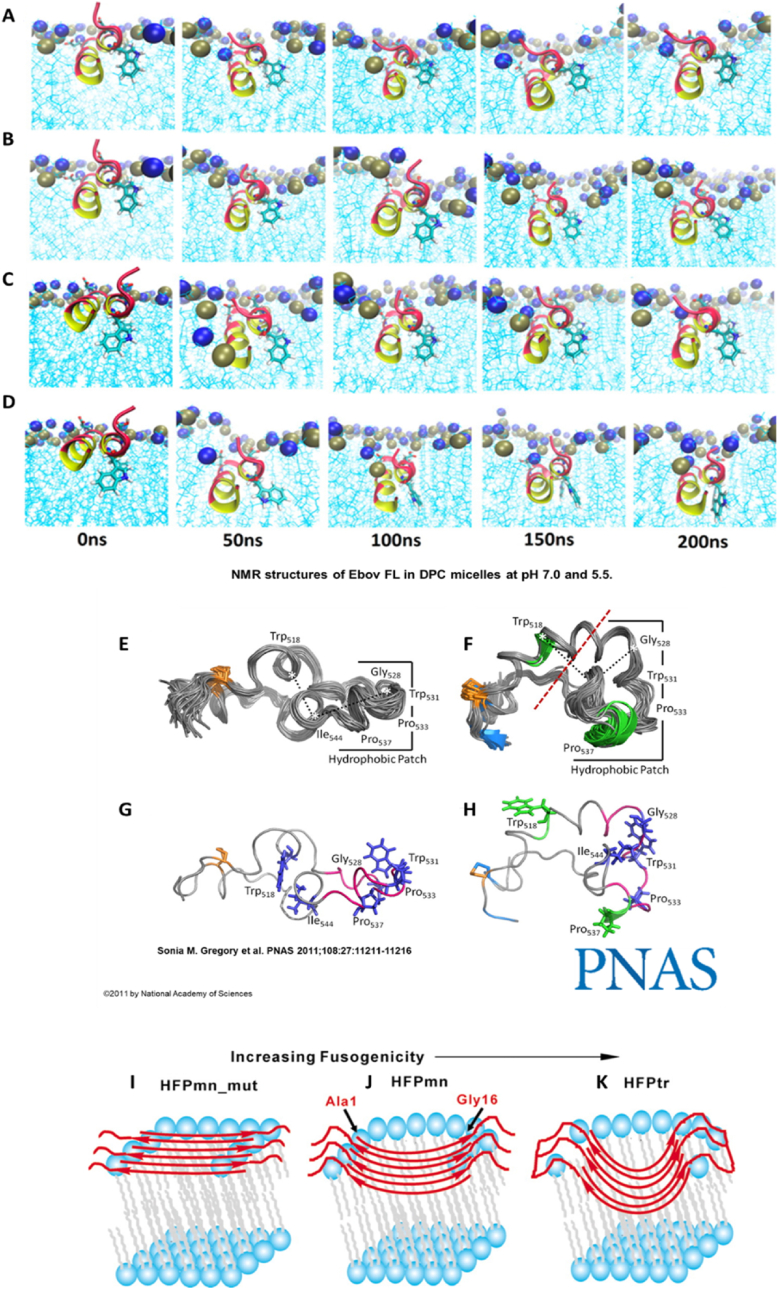
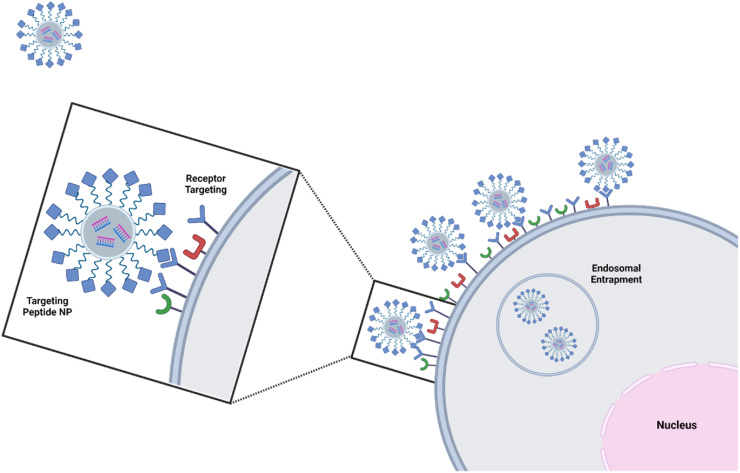
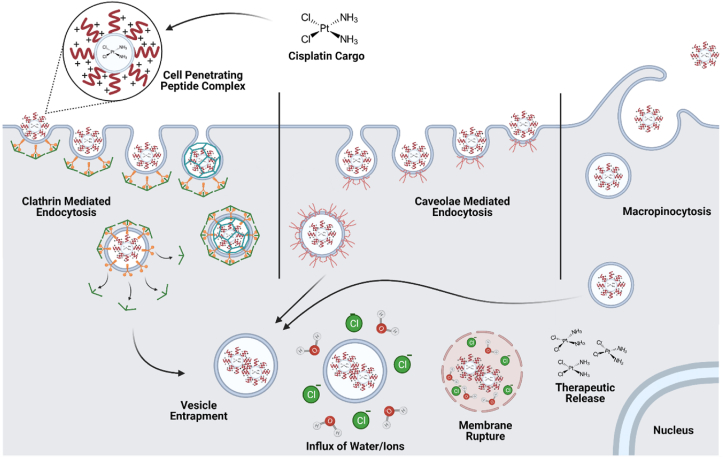
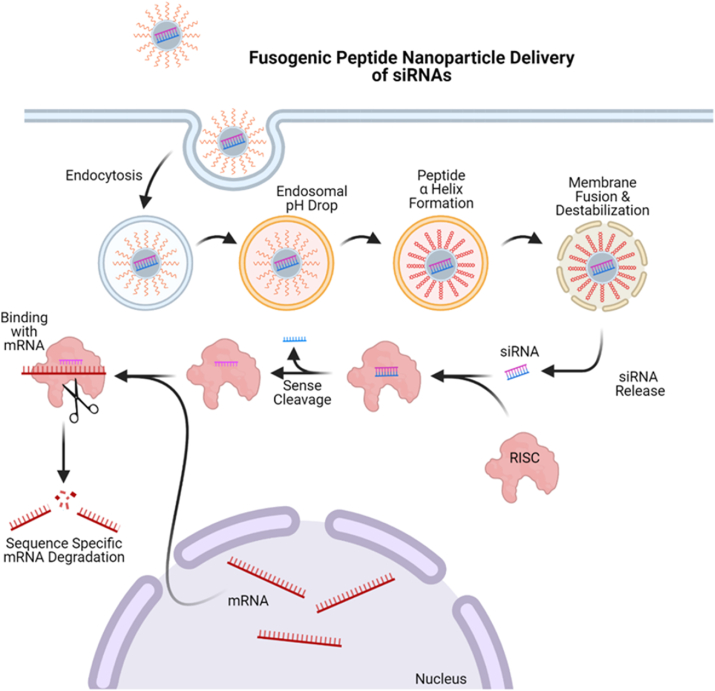
Current delivery strategies for cancer therapeutics commonly cause significant systemic side effects due to required high doses of therapeutic, inefficient cellular uptake of drug, and poor cell selectivity. Peptide-based delivery systems have shown the ability to alleviate these issues and can significantly enhance therapeutic loading, delivery, and cancer targetability. Peptide systems can be tailor-made for specific cancer applications. This review describes three peptide classes, targeting, cell penetrating, and fusogenic peptides, as stand-alone nanoparticle systems, conjugations to nanoparticle systems, or as the therapeutic modality. Peptide nanoparticle design, characteristics, and applications are discussed as well as peptide applications in the clinical space.
当前癌症治疗药物的递送策略通常会导致显著的全身副作用,这是由于需要高剂量的治疗药物、药物的细胞摄取效率低下以及细胞选择性差。基于肽的递送系统已显示出缓解这些问题的能力,并且可以显著提高治疗药物的负载量、递送效率和癌症靶向性。肽系统可以针对特定的癌症应用进行定制。本综述描述了三类肽,即靶向肽、细胞穿透肽和融合肽,它们作为独立的纳米颗粒系统、与纳米颗粒系统的缀合物或作为治疗方式。本文还讨论了肽纳米颗粒的设计、特性和应用,以及肽在临床领域的应用。