Chen Carl P C, Suputtitada Areerat, Chatkungwanson Watchara, Seehaboot Kittikorn
Department of Physical Medicine and Rehabilitation, Chang Gung Memorial Hospital at Linkou, College of Medicine, Chang Gung University, Guishan District, Taoyuan City 33343, Taiwan.
Department of Rehabilitation Medicine, Faculty of Medicine, Chulalongkorn University, Bangkok 10330, Thailand.
Brain Sci. 2022 Mar 28;12(4):454. doi: 10.3390/brainsci12040454.
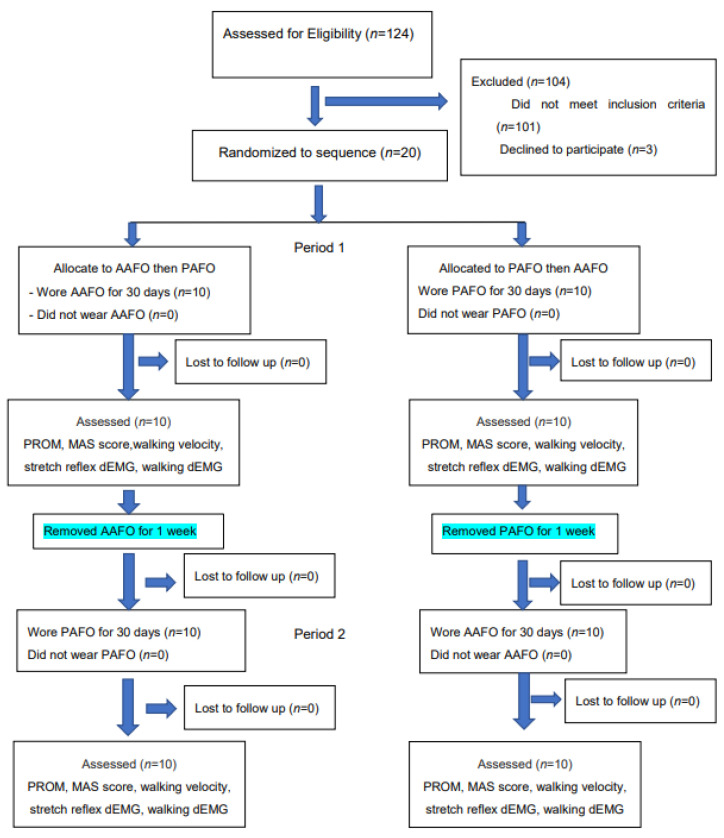
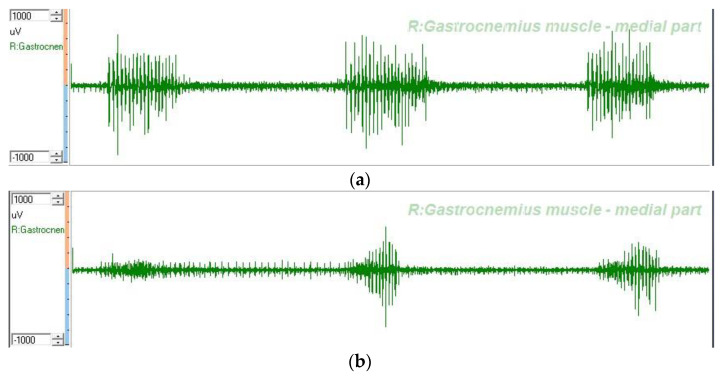
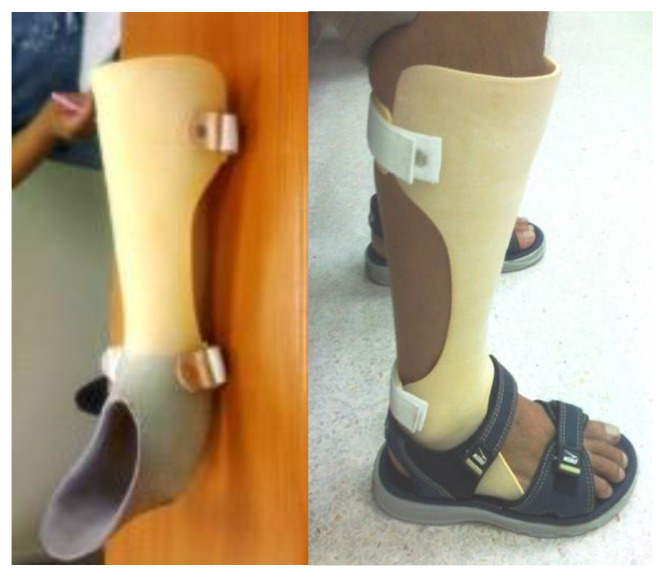
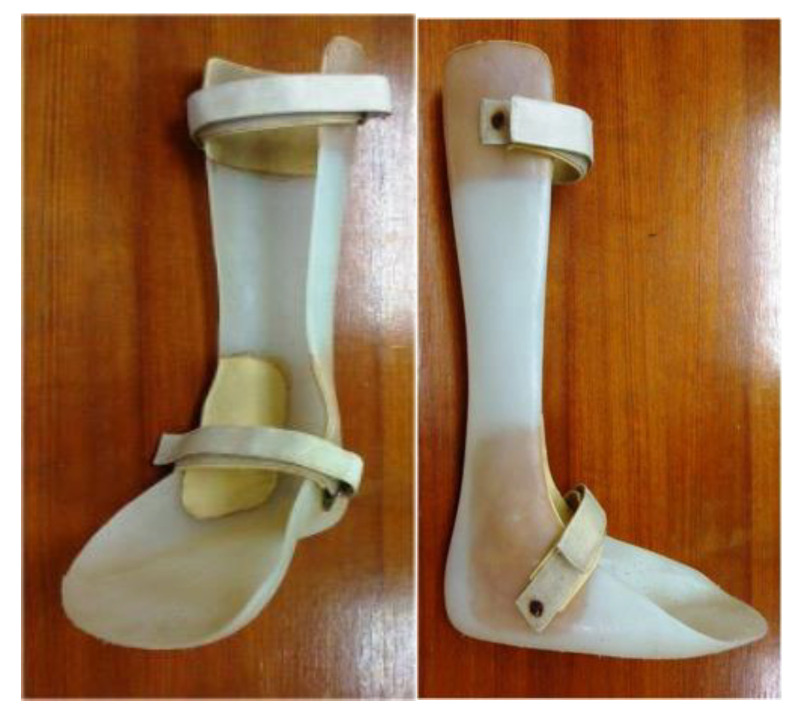
Background and Objectives: Ankle foot orthoses (AFOs) are commonly used by stroke patients to walk safely and efficiently. Both posterior AFOs (PAFOs) and anterior AFOs (AAFOs) are available. The objective of this study was to compare the efficacy of AAFOs and PAFOs in the treatment of ankle spasticity. Materials and Methods: A crossover design with randomization for the interventions and blinded assessors was used. Twenty patients with chronic stroke, a Modified Ashworth Scale (MAS) score of the ankle joint of 2, and a Tardieu angle ≥20 degrees were recruited. The patients were assigned to wear either an AAFO or PAFO at random and subsequently crossover to the other AFO. Results: Twenty stroke patients with ankle spasticity were recruited. The mean age was 46.60 (38−60) years. The mean time since stroke onset was 9.35 (6−15) months. It was discovered that the AAFO improved walking speed as well as the stretch reflex dynamic electromyography (dEMG) and walking dEMG amplitudes of the medial gastrocnemius muscles more significantly than the PAFO (p < 0.05). Conclusions: The AAFO had greater efficacy in reducing both static and dynamic ankle spasticity, and allowed for faster walking than the PAFO. The stretch reflex and walking dEMG amplitudes could be used for quantitative spasticity assessment.
中风患者常使用踝足矫形器(AFO)以安全、高效地行走。后AFO(PAFO)和前AFO(AAFO)均有应用。本研究的目的是比较AAFO和PAFO在治疗踝关节痉挛方面的疗效。材料与方法:采用干预随机化和评估者盲法的交叉设计。招募了20例慢性中风患者,踝关节改良Ashworth量表(MAS)评分为2分,Tardieu角≥20度。患者被随机分配佩戴AAFO或PAFO,随后交叉佩戴另一种AFO。结果:招募了20例踝关节痉挛的中风患者。平均年龄为46.60(38 - 60)岁。中风发作后的平均时间为9.35(6 - 15)个月。发现AAFO比PAFO更显著地提高了行走速度以及腓肠肌内侧的牵张反射动态肌电图(dEMG)和行走dEMG幅度(p < 0.05)。结论:AAFO在降低静态和动态踝关节痉挛方面具有更大的疗效,并且比PAFO能使行走速度更快。牵张反射和行走dEMG幅度可用于定量痉挛评估。