Nemir Mohamed, Kay Maryam, Maison Damien, Berthonneche Corinne, Sarre Alexandre, Plaisance Isabelle, Pedrazzini Thierry
Experimental Cardiology Unit, Division of Cardiology, Department of Cardiovascular Medicine, University of Lausanne Medical School, 1011 Lausanne, Switzerland.
Cardiovascular Assessment Facility, University of Lausanne, 1011 Lausanne, Switzerland.
J Cardiovasc Dev Dis. 2022 Apr 7;9(4):111. doi: 10.3390/jcdd9040111.
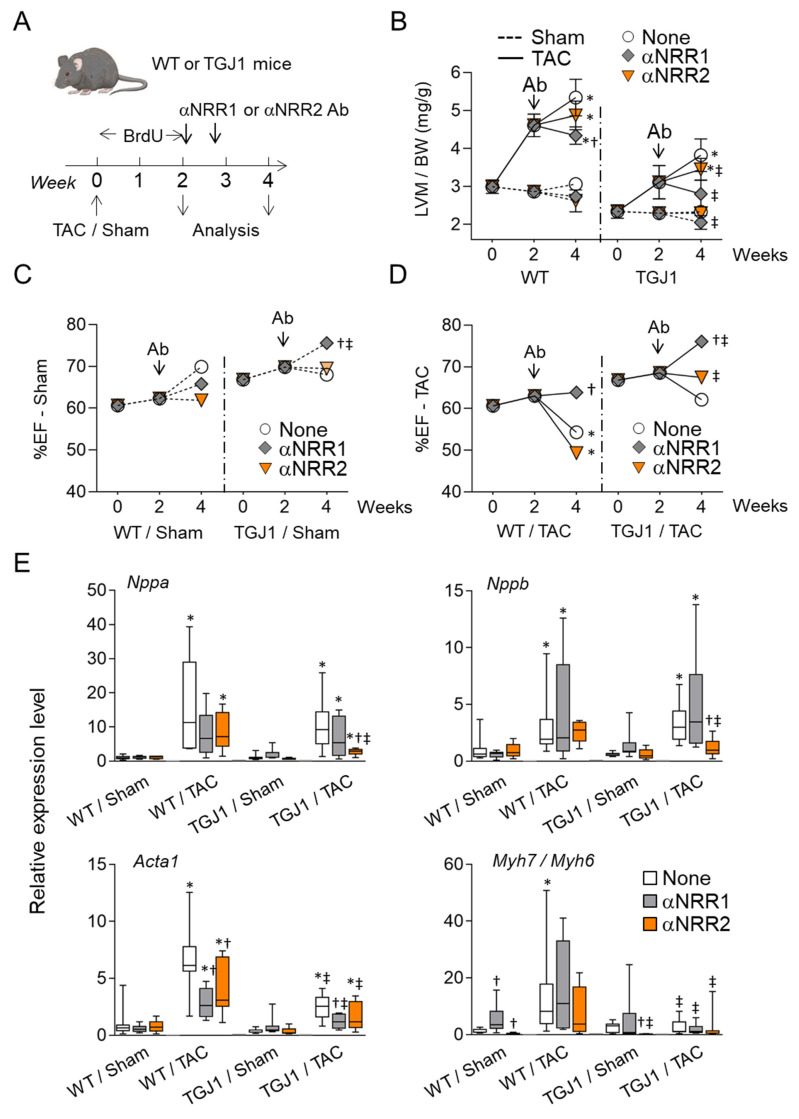
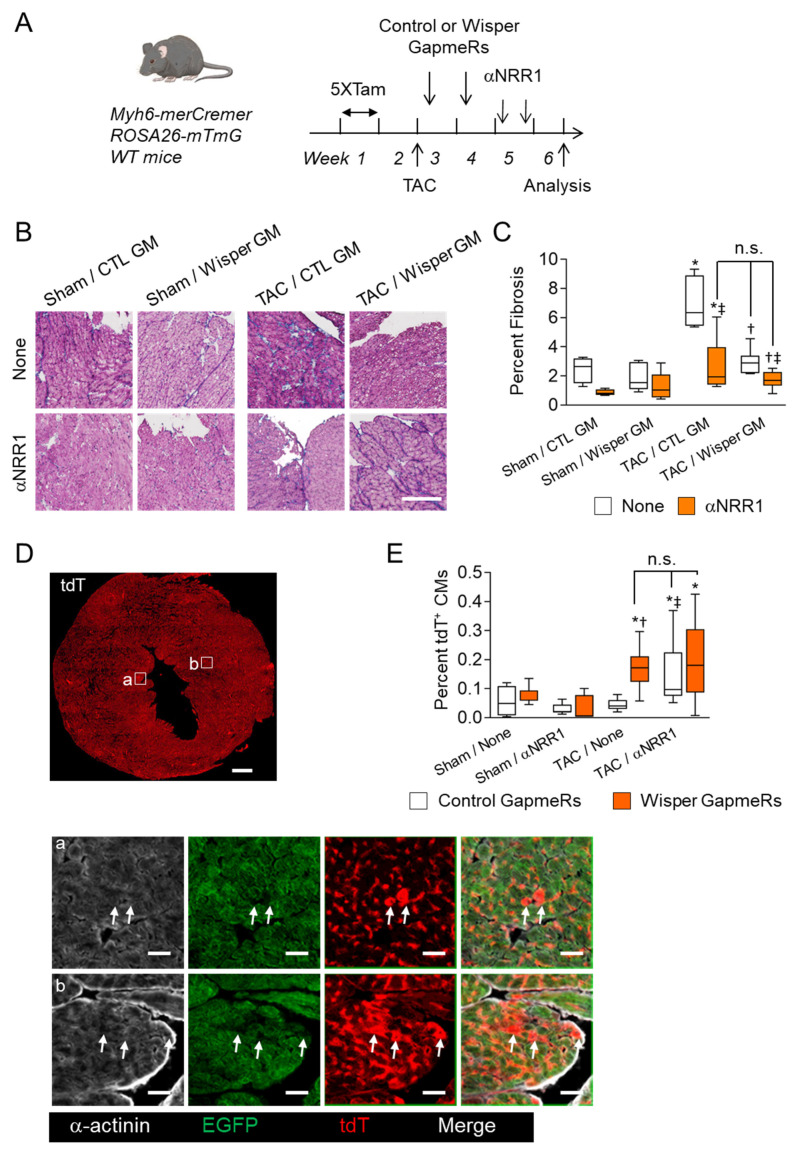
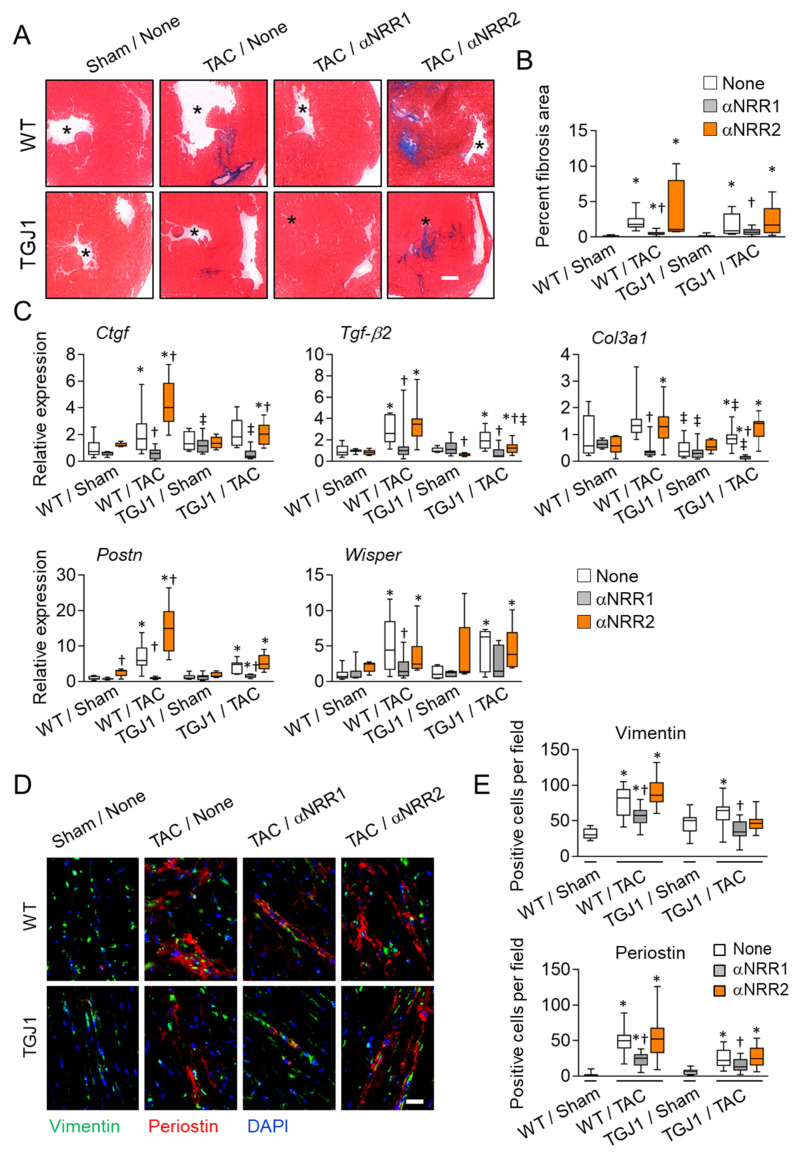
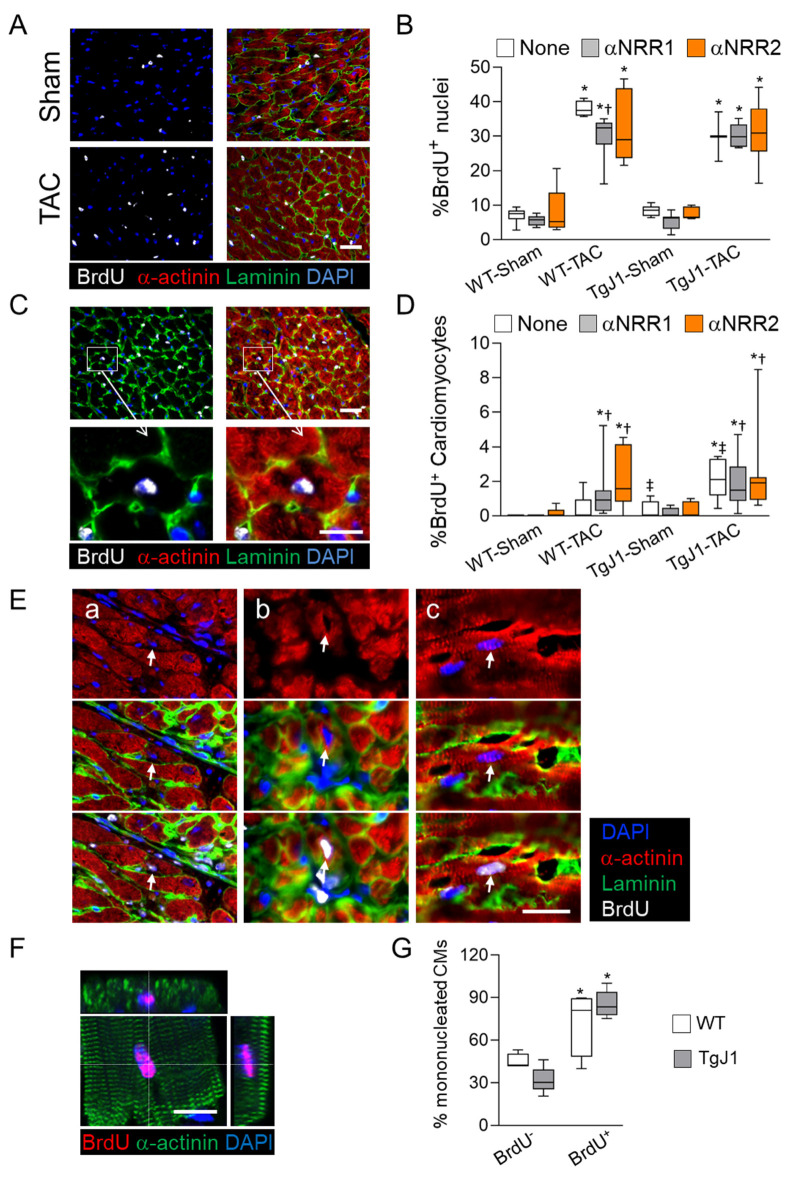
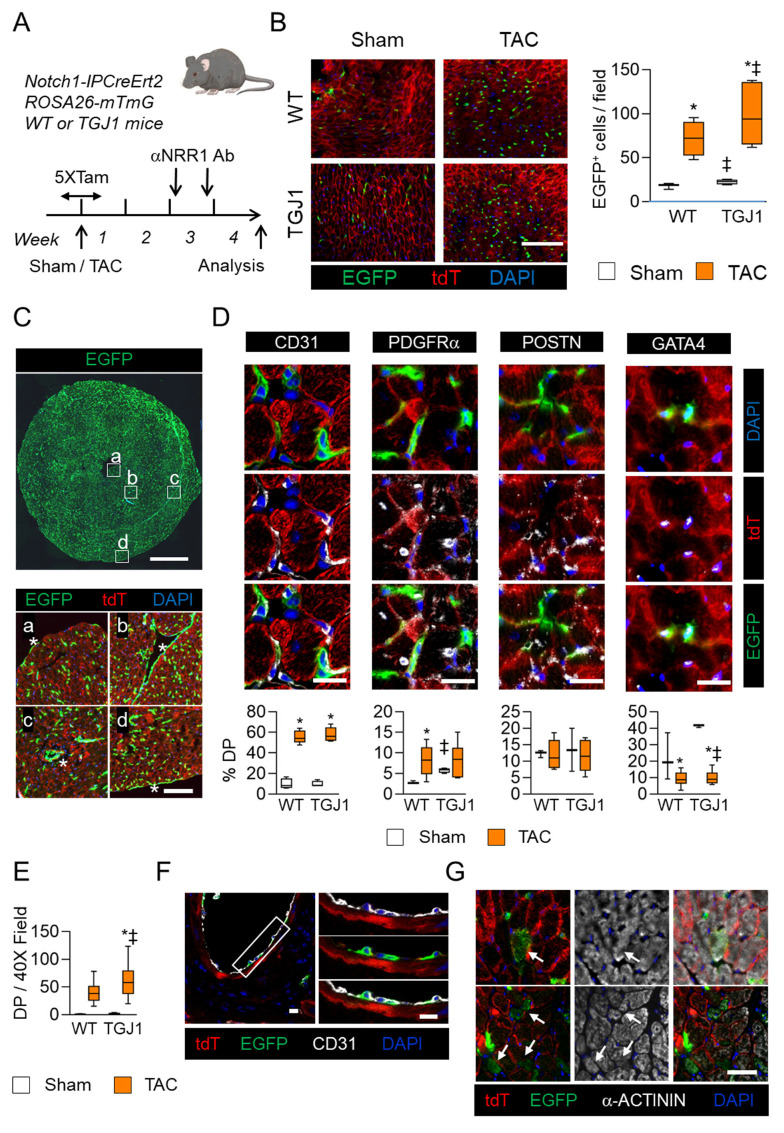
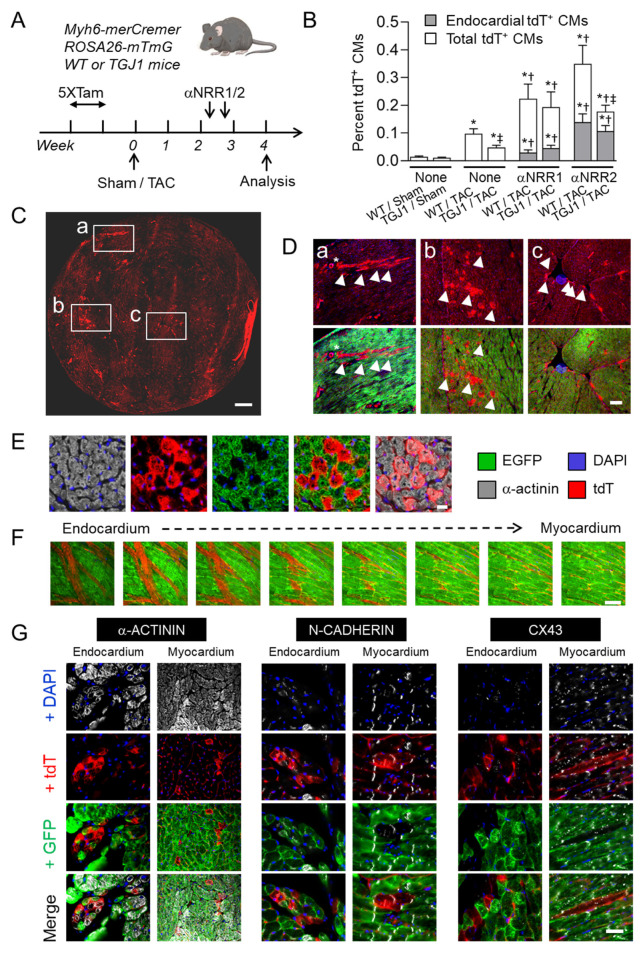
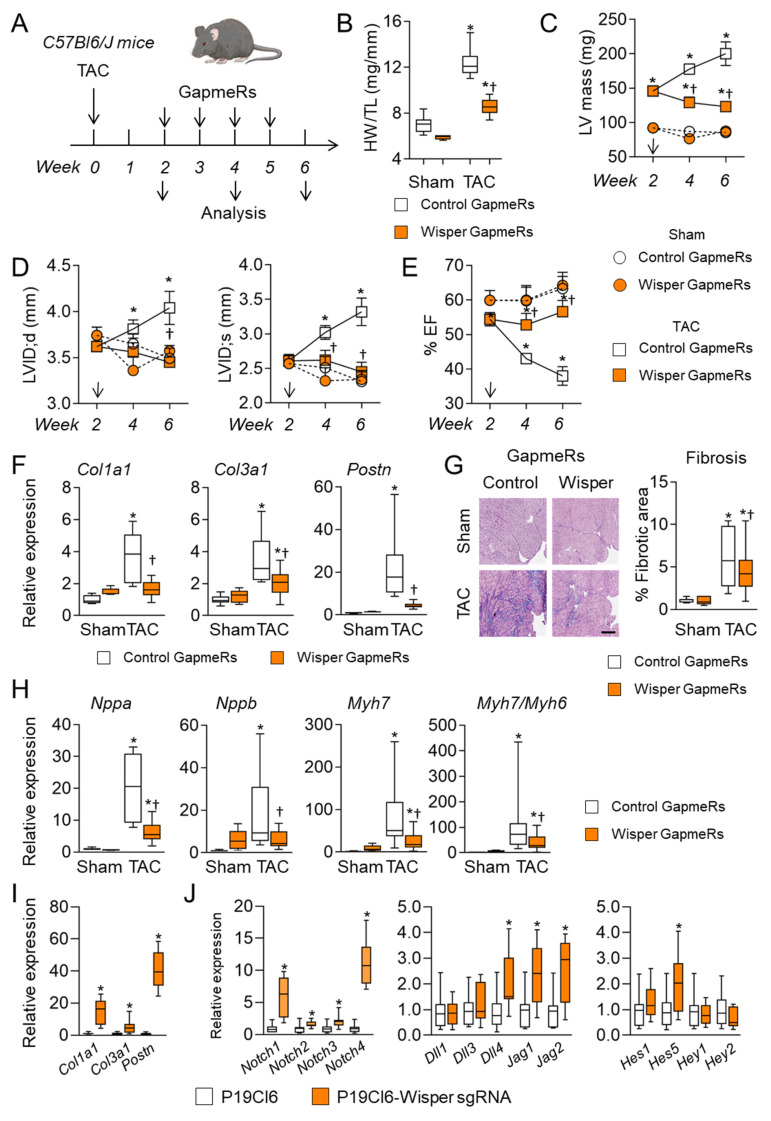
Cardiac pathologies lead to an acute or gradual loss of cardiomyocytes. Because of the limited regenerative capacity of the mammalian heart, cardiomyocytes are only replaced by fibrotic tissue. Excessive fibrosis contributes to the deterioration of cardiac function and the transition to heart failure, which is the leading cause of morbidity and mortality worldwide. Currently, no treatments can promote replenishment of the injured heart with newly formed cardiomyocytes. In this context, regenerative strategies explore the possibility to promote recovery through induction of cardiomyocyte production from pre-existing cardiomyocytes. On the other hand, cardiac non-myocyte cells can be directly reprogrammed into induced cardiac precursor cells and cardiomyocytes, suggesting that these cells could be exploited to produce cardiomyocytes in vivo. Here, we provide evidence that the sequential activation and inhibition of the NOTCH1 signaling pathway in the stressed heart decreases fibrosis and improves cardiac function in the stressed heart. This is accompanied by the emergence of new cardiomyocytes from non-myocyte origin. Overall, our data show how a developmental pathway such as the NOTCH pathway can be manipulated to provide therapeutic benefit in the damaged heart.
心脏疾病会导致心肌细胞急性或逐渐丧失。由于哺乳动物心脏的再生能力有限,心肌细胞只能被纤维组织替代。过度纤维化会导致心脏功能恶化并发展为心力衰竭,而心力衰竭是全球发病和死亡的主要原因。目前,尚无治疗方法能够促进损伤的心脏重新生成新的心肌细胞。在此背景下,再生策略探索了通过诱导已有心肌细胞产生新的心肌细胞来促进恢复的可能性。另一方面,心脏非心肌细胞可直接重编程为诱导性心脏前体细胞和心肌细胞,这表明这些细胞可用于在体内产生心肌细胞。在此,我们提供证据表明,在应激心脏中依次激活和抑制NOTCH1信号通路可减少纤维化并改善应激心脏的功能。同时,会出现源自非心肌细胞的新的心肌细胞。总体而言,我们的数据表明,像NOTCH通路这样的发育途径可以被操控以对受损心脏提供治疗益处。