Academy for Engineering & Technology, Fudan University, 220 Handan Road, Shanghai 200433, China.
School of Information Science and Engineering, Fudan University, 220 Handan Road, Shanghai 200433, China.
Biosensors (Basel). 2022 Mar 31;12(4):209. doi: 10.3390/bios12040209.
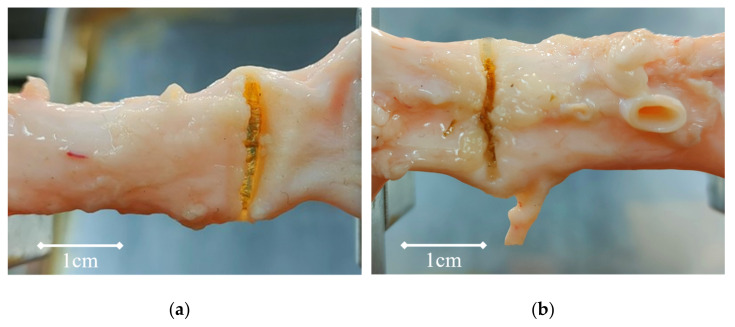
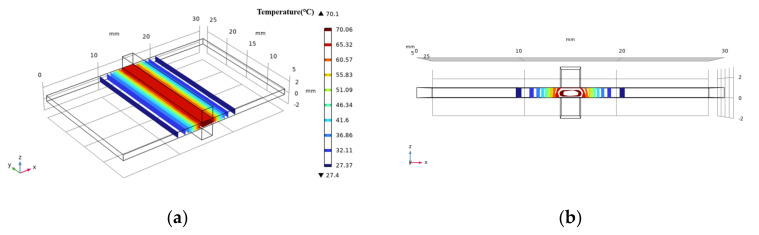
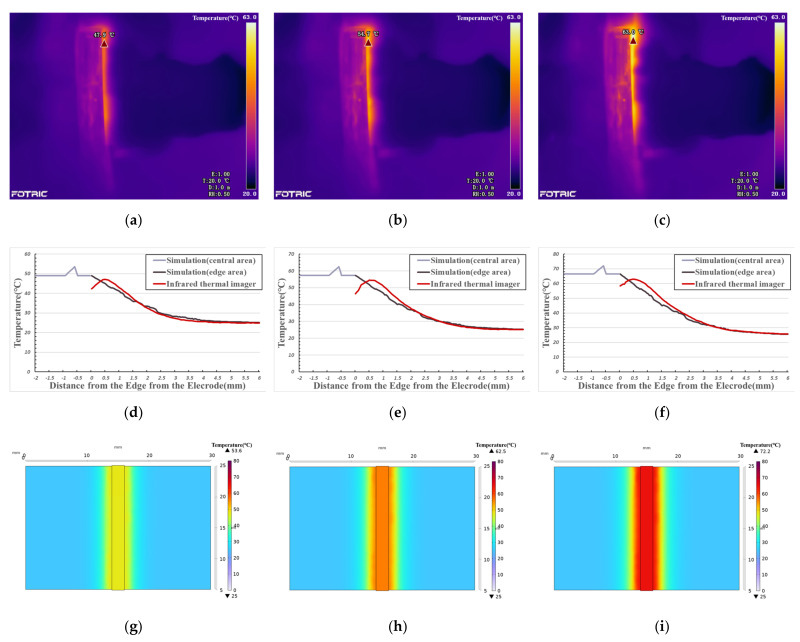
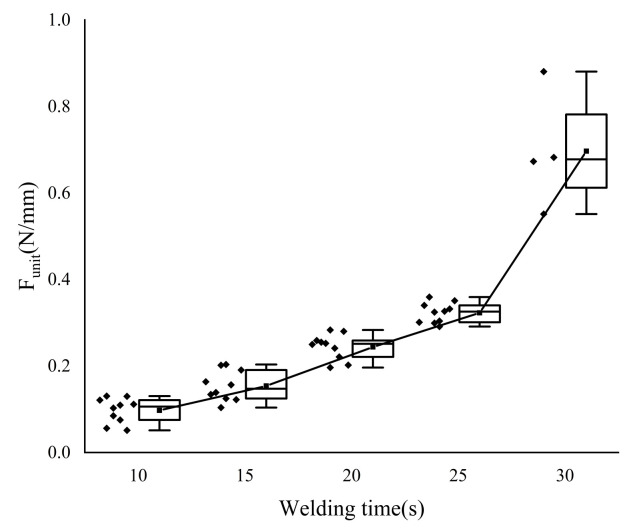
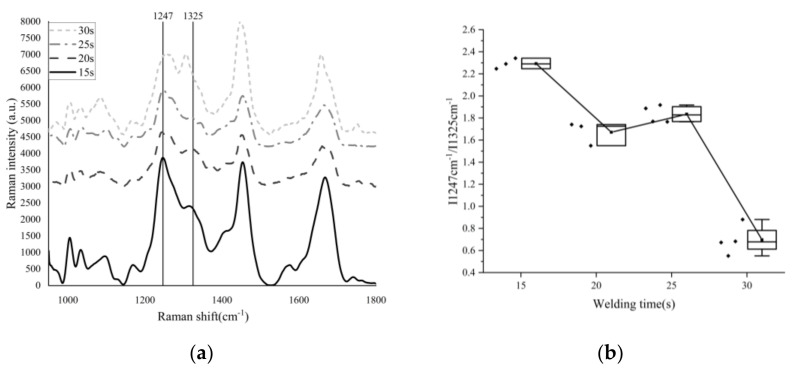
In clinical surgery, high frequency electric welding is routinely utilized to seal and fuse soft tissues. This procedure denatures collagen by electrothermal coupling, resulting in the formation of new molecular crosslinks. It is critical to understand the temperature distribution and collagen structure changes during welding in order to prevent thermal damage caused by heat generated during welding. In this study, a method combining optical measurement and simulation was presented to evaluate the temperature distribution of vascular tissue during welding, with a fitting degree larger than 97% between simulation findings and measured data. Integrating temperature distribution data, strength test data, and Raman spectrum data, it is discovered that optimal parameters exist in the welding process that may effectively prevent thermal damage while assuring welding strength.
在临床外科中,高频电焊通常用于密封和融合软组织。该过程通过电热偶合使胶原蛋白变性,导致新的分子交联形成。了解焊接过程中的温度分布和胶原结构变化对于防止焊接过程中产生的热损伤至关重要。在这项研究中,提出了一种结合光学测量和模拟的方法来评估焊接过程中血管组织的温度分布,模拟结果与测量数据之间的拟合度大于 97%。整合温度分布数据、强度测试数据和拉曼光谱数据,发现焊接过程中存在最佳参数,可以在有效防止热损伤的同时确保焊接强度。