Uemura Eduardo Vinicius Grego, Barbosa Marcelo Dos Santos, Simionatto Simone, Al-Harrasi Ahmed, Al-Hatmi Abdullah M S, Rossato Luana
Faculdade de Ciências da Saúde, Universidade Federal da Grande Dourados, Dourados 79862-000, MS, Brazil.
Laboratório de Pesquisa em Ciências da Saúde, Universidade Federal da Grande Dourados, Dourados 79862-000, MS, Brazil.
J Fungi (Basel). 2022 Mar 31;8(4):360. doi: 10.3390/jof8040360.
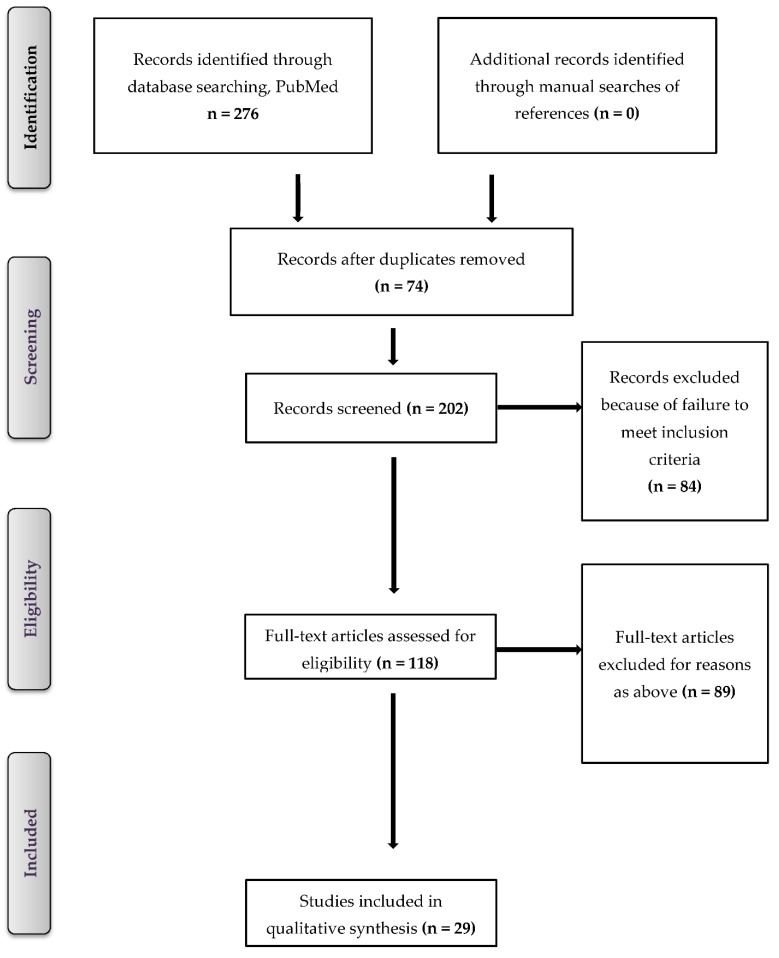
Onychomycosis is a nail fungal infection that produces nail discolouration, thickness, and separation from the nail bed. The species of the genus that cause onychomycosis are emerging and the number of cases has increased throughout the years. Microscopic examination, as well as cultures, are required for the accurate diagnosis of onychomycosis. The goal of treatment is to eliminate the organism that causes the disease and restore the nail's normal appearance. Here, we provide an overview of the onychomycosis cases that have been reported in literature over the last 24 years, which have been caused by the species. We performed a review on the onychomycosis cases caused by the species from January 1997 to January 2021. Patients aged between 40 and 49 years made up 30.23% of the cases. The most common aetiologic species was species complex (FSSC), which accounted for 44.11% of the cases, followed by species complex (FFSC), which accounted for 17.64%; 14.70% of the cases were due to species complex (FDSC) and 14.70% of the cases were due species complex (FOSC). Europe accounted for 29.06% of the cases caused by FOSC, whereas Africa accounted for 46.67% of the cases due to FSSC. The clinical presentation of onychomycosis due to spp. is commonly the distal-lateral pattern of onychomycosis. Identification of the infectious agent in onychomycosis cases due to is crucial in deciding the proper treatment. Although antifungal susceptibility tests have only been performed in a few cases, susceptibility testing can help with patient management.
甲癣是一种指甲真菌感染,会导致指甲变色、变厚以及与甲床分离。引发甲癣的该属菌种不断出现,且病例数多年来一直在增加。准确诊断甲癣需要进行显微镜检查和培养。治疗的目标是消除致病微生物并恢复指甲的正常外观。在此,我们概述了过去24年文献中报道的由该菌种引起的甲癣病例。我们对1997年1月至2021年1月期间由该菌种引起的甲癣病例进行了回顾。40至49岁的患者占病例的30.23%。最常见的致病菌种是复合菌种(FSSC),占病例的44.11%,其次是复合菌种(FFSC),占17.64%;14.70%的病例由复合菌种(FDSC)引起,14.70%的病例由复合菌种(FOSC)引起。欧洲占FOSC引起病例的29.06%,而非洲占FSSC引起病例的46.67%。由该菌种引起的甲癣的临床表现通常是甲癣的远端侧方型。在由该菌种引起的甲癣病例中识别感染病原体对于确定适当的治疗至关重要。尽管仅在少数病例中进行了抗真菌药敏试验,但药敏试验有助于患者管理。