Gao Yuen, Aljazi Mohammad B, He Jin
Department of Biochemistry and Molecular Biology, College of Natural Science, Michigan State University, East Lansing, MI, United States.
Front Behav Neurosci. 2022 Apr 5;16:873466. doi: 10.3389/fnbeh.2022.873466. eCollection 2022.
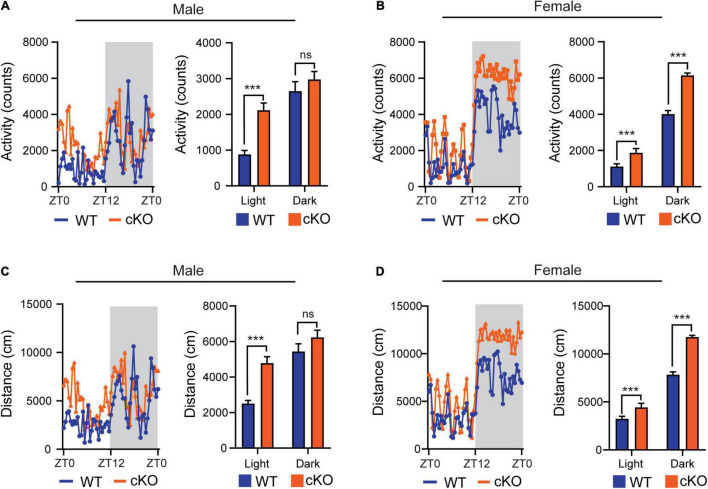
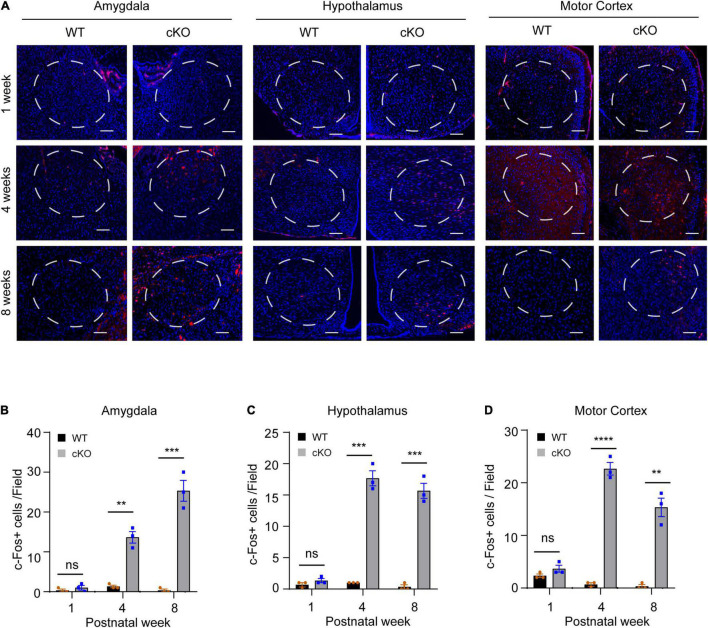
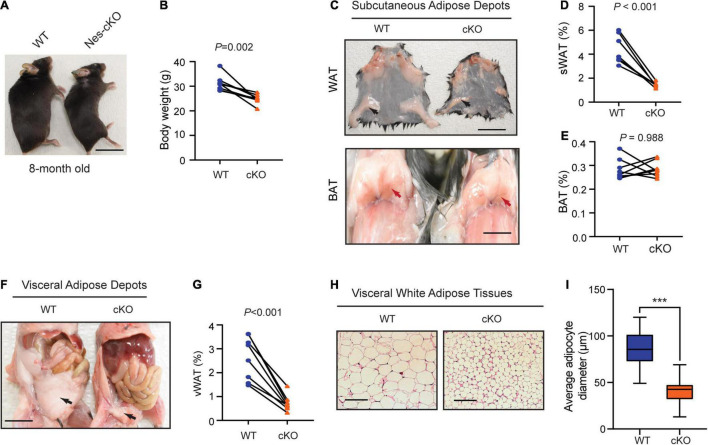
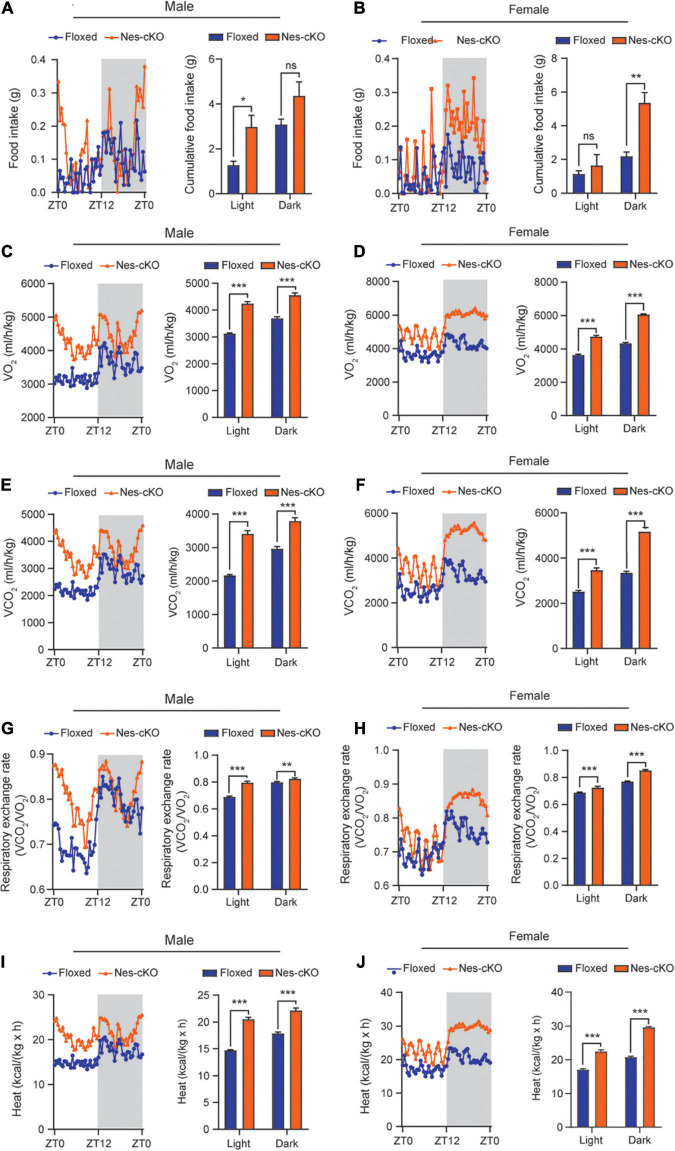
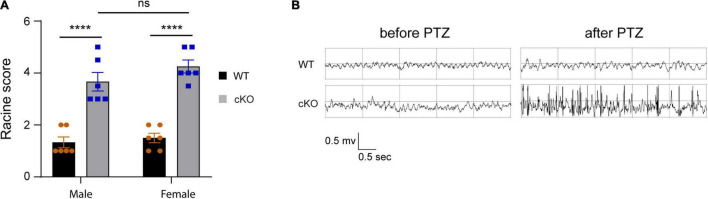
is one of the highest risk genes associated with autism spectrum disorder (ASD) and intellectual disability (ID). Our recent studies demonstrate that loss of in the mouse brain is sufficient to induce ASD/ID-like behavioral and cognitive deficits, suggesting that disruptive mutations are likely to have a positive correlation with ASD/ID genesis. However, the core pathophysiological changes in the -deficient brain remain largely unknown. Here we show that loss of in the mouse brain causes locomotor hyperactivity, high metabolic activity, and hyperactivity-related disturbed sleep and lipid metabolic changes. In addition, the mutant mice display lower thresholds for the convulsant reagent-induced epilepsy and increased neuronal activities in multiple brain regions. Thus, our current study reveals that neural hyperactivity is a core pathophysiological change in the -deficient mouse brain, which may function as a brain-level mechanism leading to the -deletion-induced brain functional abnormalities and autistic-like behavioral deficits.
是与自闭症谱系障碍(ASD)和智力残疾(ID)相关的最高风险基因之一。我们最近的研究表明,小鼠大脑中该基因的缺失足以诱发类似ASD/ID的行为和认知缺陷,这表明该基因的破坏性突变可能与ASD/ID的发生呈正相关。然而,该基因缺陷大脑中的核心病理生理变化在很大程度上仍不清楚。在此我们表明,小鼠大脑中该基因的缺失会导致运动活动亢进、高代谢活性以及与多动相关的睡眠障碍和脂质代谢变化。此外,突变小鼠对惊厥试剂诱导的癫痫阈值较低,且多个脑区的神经元活动增加。因此,我们目前的研究揭示,神经活动亢进是该基因缺陷小鼠大脑中的核心病理生理变化,这可能作为一种脑水平机制导致该基因缺失引起的脑功能异常和自闭症样行为缺陷。