Jin Haoquan, Wang Yuxuan, Lv Bowen, Zhang Kexin, Zhu Zhe, Zhao Di, Li Chunbao
Key Laboratory of Meat Processing, MOA, Key Laboratory of Meat Processing and Quality Control, MOE, Jiang Synergetic Innovation Center of Meat Production, Processing and Quality Control, Nanjing Agricultural University, Nanjing 210095, China.
Foods. 2022 Apr 14;11(8):1134. doi: 10.3390/foods11081134.
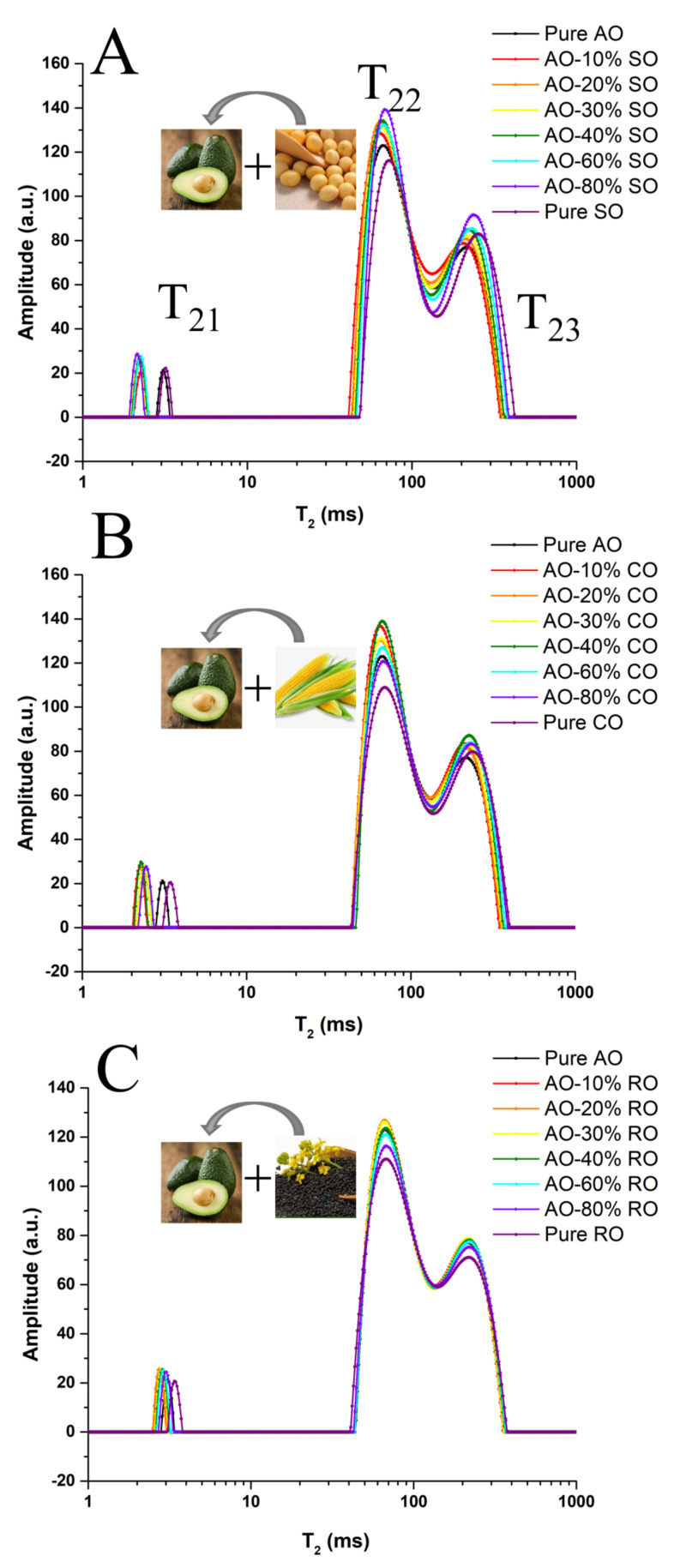
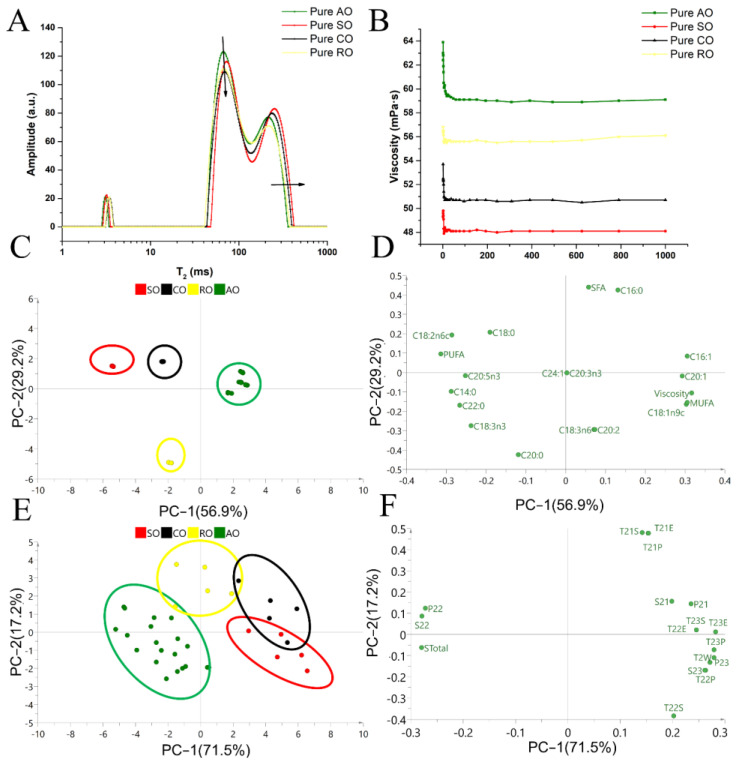
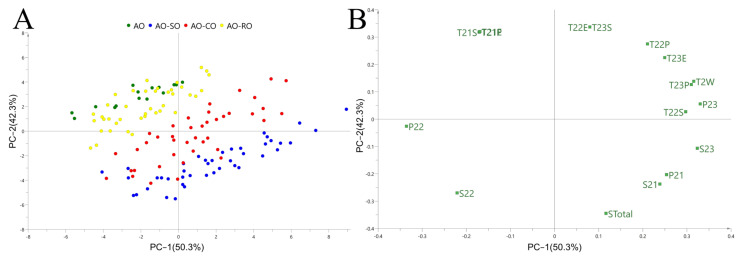
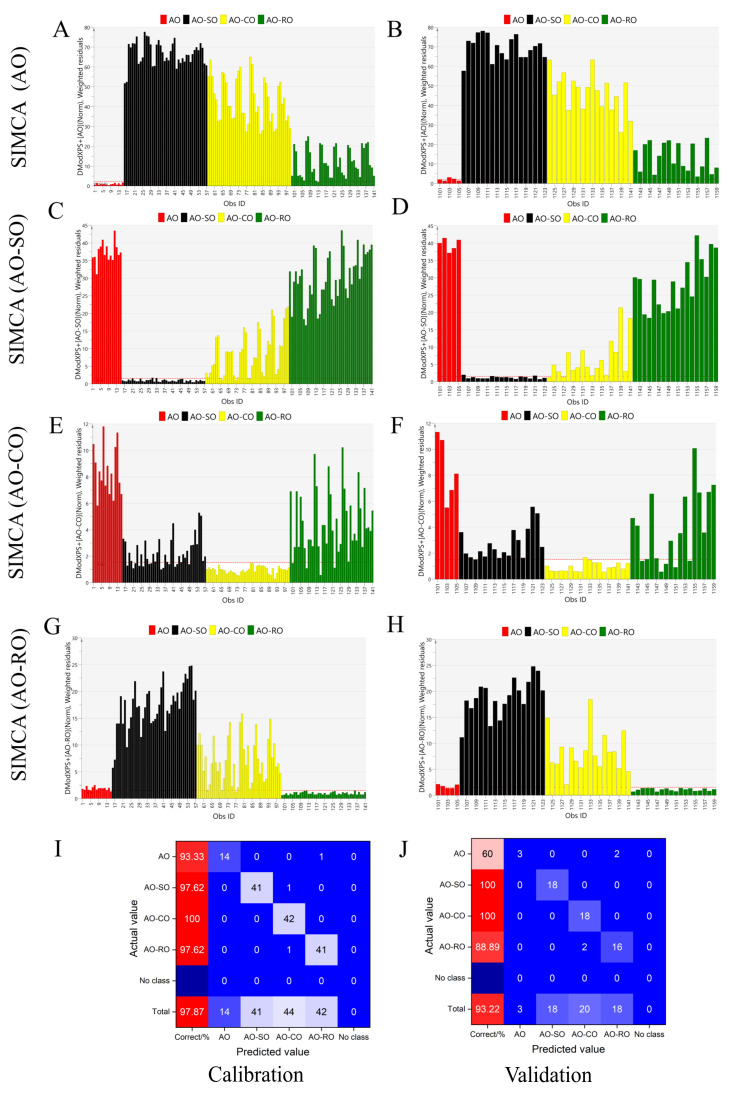
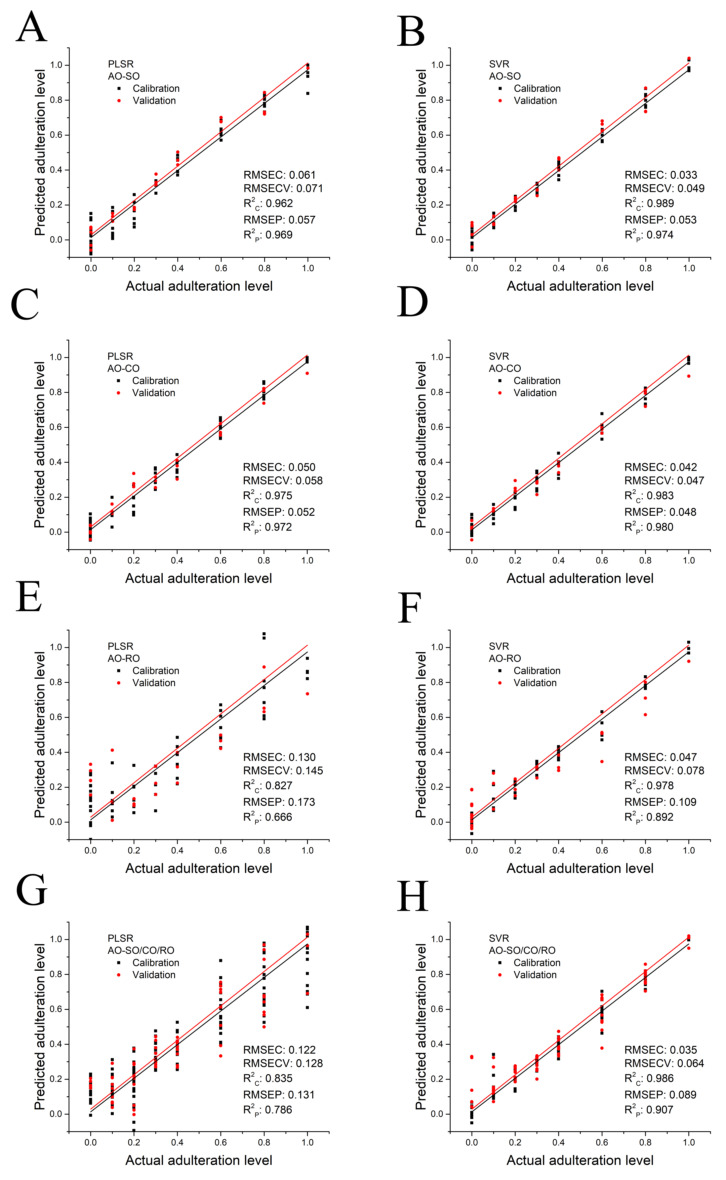
Avocado oil (AO) has been found to be adulterated by low-price oil in the market, calling for an efficient method to detect the authenticity of AO. In this work, a rapid and nondestructive method was developed to detect adulterated AO based on low-field nuclear magnetic resonance (LF-NMR, 43 MHz) detection and chemometrics analysis. PCA analysis revealed that the relaxation components area (S23) and relative contribution (P22 and P23) were crucial LF-NMR parameters to distinguish AO from AO adulterated by soybean oil (SO), corn oil (CO) or rapeseed oil (RO). A Soft Independent Modelling of Class Analogy (SIMCA) model was established to identify the types of adulterated oils with a high calibration (0.98) and validation accuracy (0.93). Compared with partial least squares regression (PLSR) models, the support vector regression (SVR) model showed better prediction performance to calculate the adulteration levels when AO was adulterated by SO, CO and RO, with high square correlation coefficient of calibration (R2C > 0.98) and low root mean square error of calibration (RMSEC < 0.04) as well as root mean square error of prediction (RMSEP < 0.09) values. Compared with SO- and CO-adulterated AO, RO-adulterated AO was more difficult to detect due to the greatest similarity in fatty acids’ composition being between AO and RO, which is characterized by the high level of monounsaturated fatty acids and viscosity. This study could provide an effective method for detecting the authenticity of AO.
在市场上,鳄梨油(AO)已被发现掺有低价油,因此需要一种有效的方法来检测AO的真伪。在这项工作中,基于低场核磁共振(LF-NMR,43 MHz)检测和化学计量学分析,开发了一种快速无损的方法来检测掺假的AO。主成分分析(PCA)表明,弛豫分量面积(S23)和相对贡献(P22和P23)是区分AO与掺有大豆油(SO)、玉米油(CO)或菜籽油(RO)的AO的关键LF-NMR参数。建立了类软独立建模(SIMCA)模型,以识别掺假油的类型,其校准准确率高(0.98),验证准确率高(0.93)。与偏最小二乘回归(PLSR)模型相比,支持向量回归(SVR)模型在计算AO被SO、CO和RO掺假时的掺假水平方面表现出更好的预测性能,校准的平方相关系数高(R2C>0.98),校准的均方根误差低(RMSEC<0.04)以及预测的均方根误差(RMSEP<0.09)值。与掺有SO和CO的AO相比,掺有RO的AO更难检测,因为AO和RO之间脂肪酸组成的相似度最高,其特点是单不饱和脂肪酸含量高和粘度大。本研究可为检测AO的真伪提供一种有效方法。