Fiamegos Yiannis, Dumitrascu Catalina, Papoci Sergej, de la Calle Maria Beatriz
European Commission. Joint Research Centre (Geel), Geel, Belgium.
Food Control. 2021 Feb;120:107496. doi: 10.1016/j.foodcont.2020.107496.
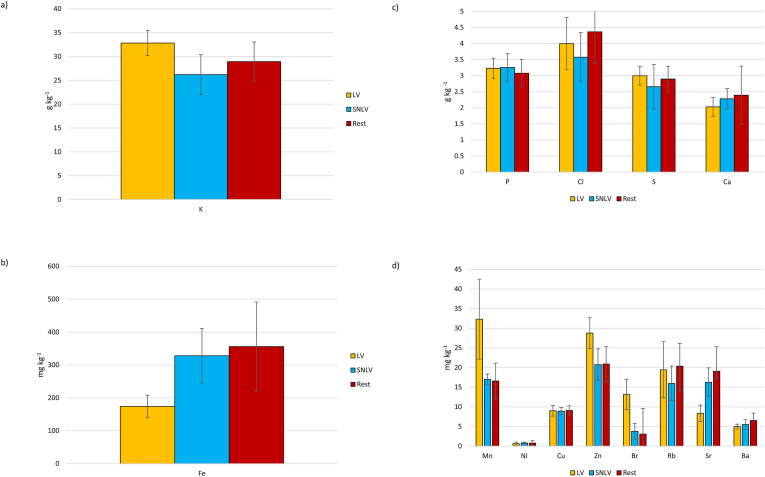
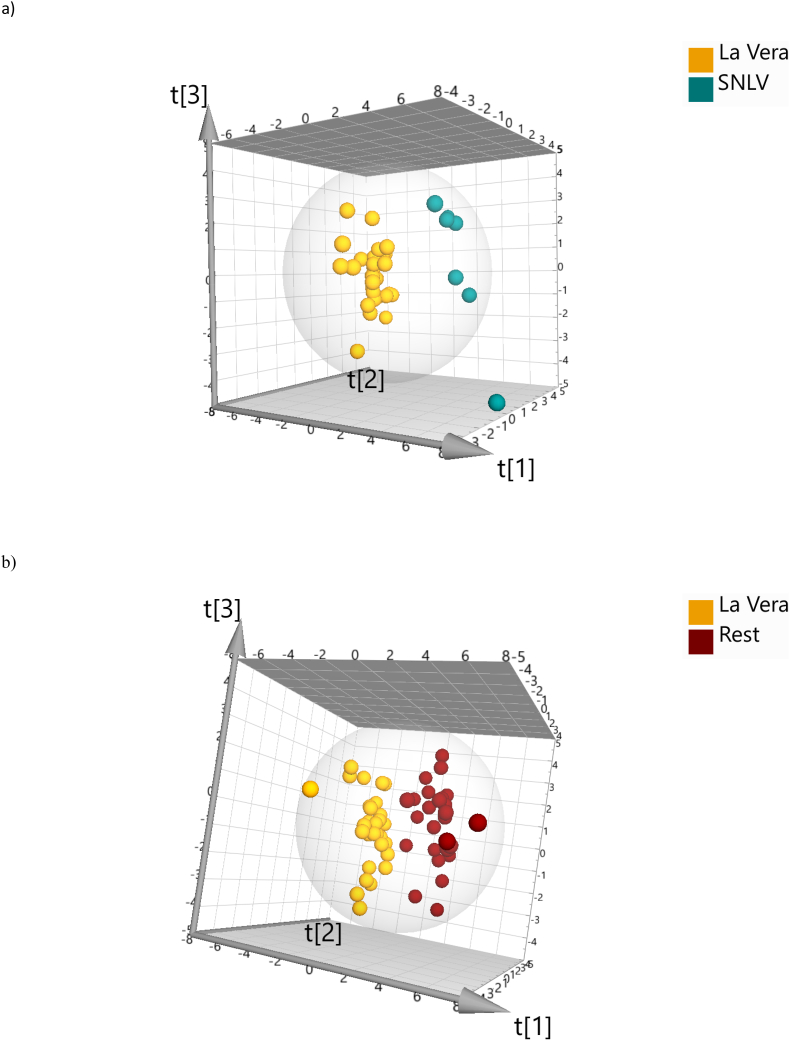
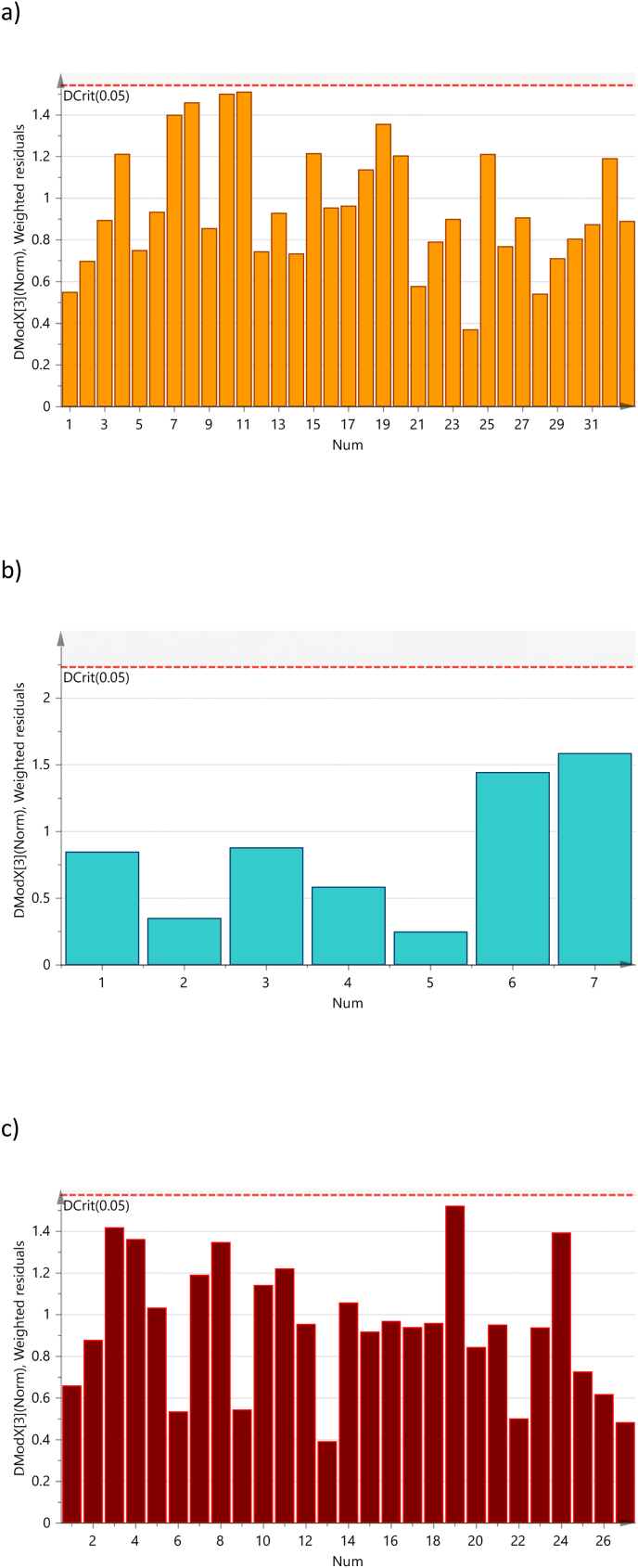
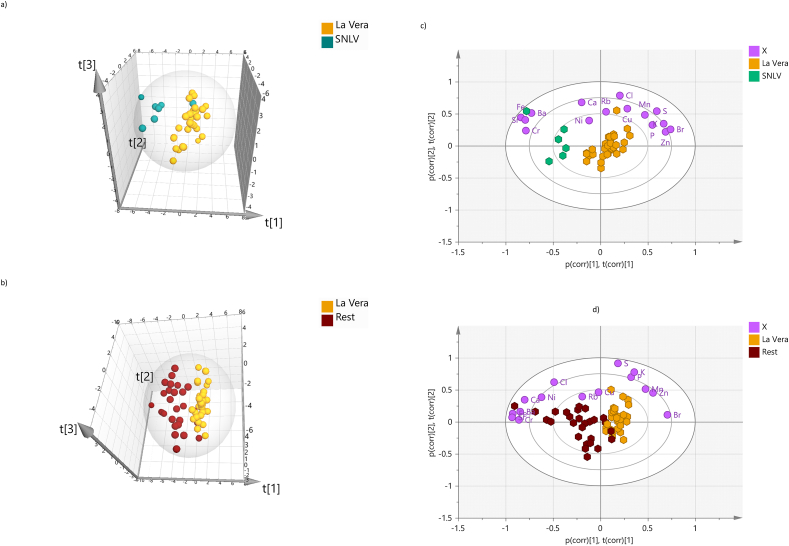
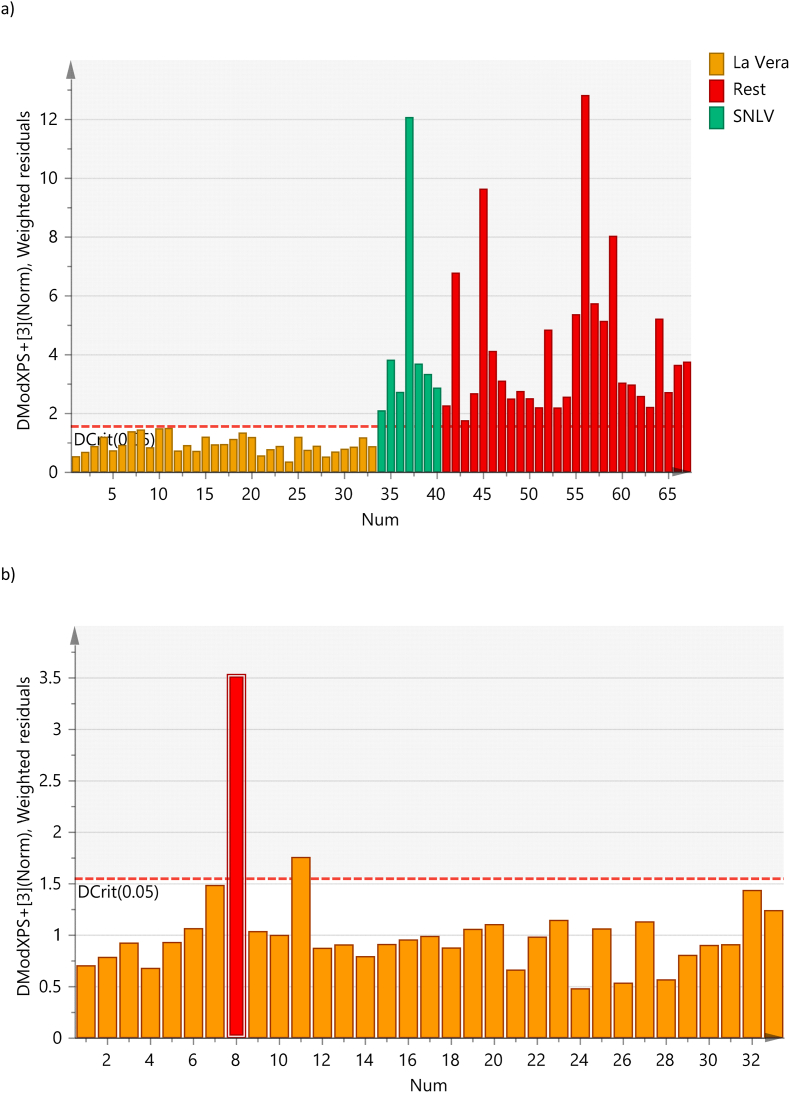
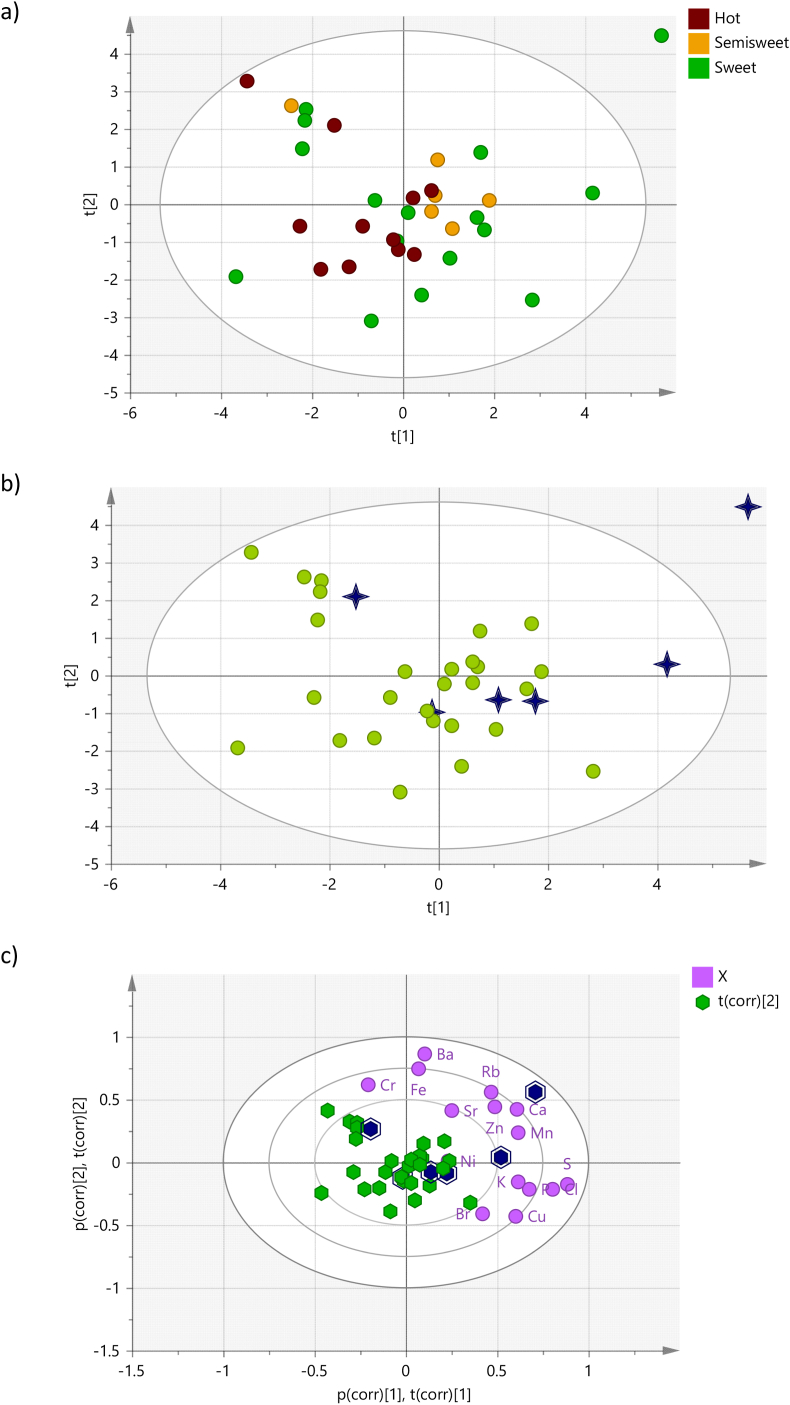
Products with a Protected Denomination of Origin (PDO) are vulnerable to misdescription of their true geographical origin. In this work a method has been developed that allows the authentication of La Vera paprika powder (Pimentón de la Vera), a PDO product from the central-west Spanish region, Extremadura. The mass fractions of Br, Ca, Cr, Cl, Cu, Fe, K, Mn, Ni, P, Rb, S, Sr and Zn determined by energy dispersive X-ray fluorescence (ED-XRF) are used for classification purposes by multivariate analysis using Soft Independent Modelling of Class Analogy (SIMCA) (PCA-Class) and Partial Least Square-Discriminant Analysis (PLS-DA). Sixty-seven paprika samples purchased in supermarkets around Europe and on-line via the official web-site of Pimentón de La Vera, were used to build up the models for prediction purposes. The PCA-class model of La Vera paprika powder had a sensitivity of 82%, a specificity of 100% and an accuracy of 91%, whereas the PLS-DA model had a sensitivity of 100%, a specificity of 91% and an accuracy of 96%.
具有受保护原产地名称(PDO)的产品容易被错误描述其真实地理来源。在这项工作中,开发了一种方法,可用于鉴定来自西班牙中西部地区埃斯特雷马杜拉的受保护原产地名称产品——拉维拉辣椒粉(Pimentón de la Vera)。通过能量色散X射线荧光光谱法(ED-XRF)测定的溴、钙、铬、氯、铜、铁、钾、锰、镍、磷、铷、硫、锶和锌的质量分数,通过使用类分析的软独立建模(SIMCA)(PCA-Class)和偏最小二乘判别分析(PLS-DA)的多变量分析用于分类目的。在欧洲各地超市以及通过拉维拉辣椒粉官方网站在线购买的67个辣椒粉样品,用于建立预测模型。拉维拉辣椒粉的PCA-class模型灵敏度为82%,特异性为100%,准确率为91%,而PLS-DA模型的灵敏度为100%,特异性为91%,准确率为96%。