Gwak Eun Ji, Kim Dasol, Hwang Hui-Yun, Kwon Ho Jeong
Chemical Genomics Laboratory, Department of Biotechnology, College of Life Science and Biotechnology, Yonsei University, Seoul 03722, Korea.
Cancers (Basel). 2022 Apr 8;14(8):1883. doi: 10.3390/cancers14081883.
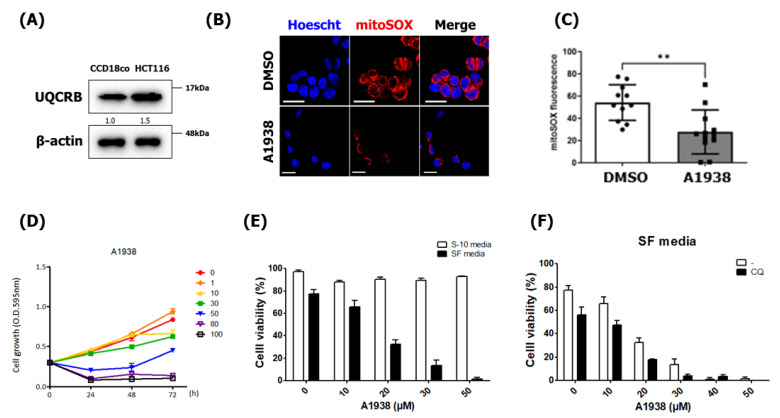
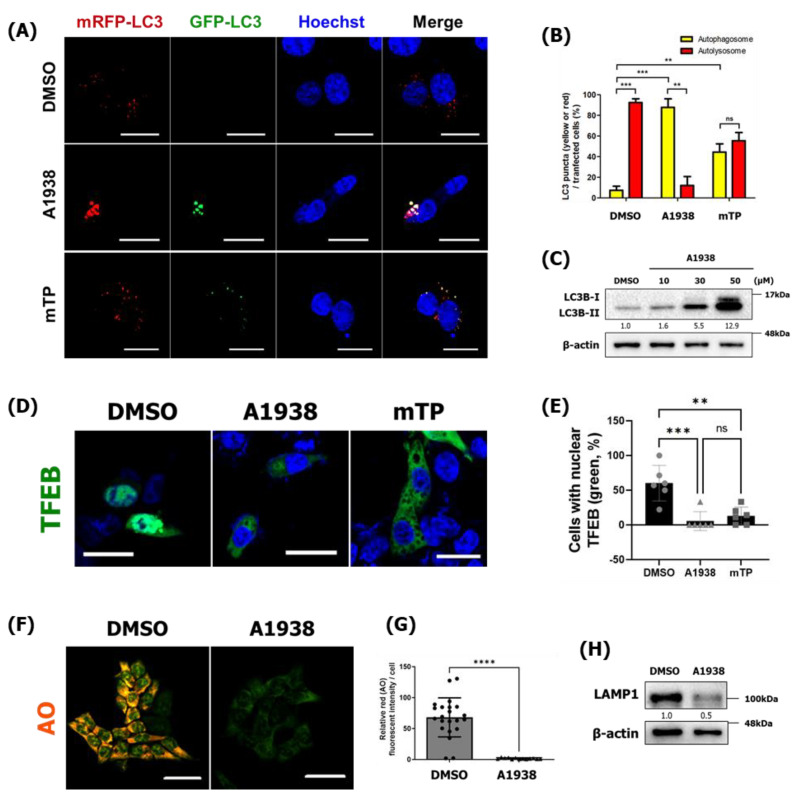
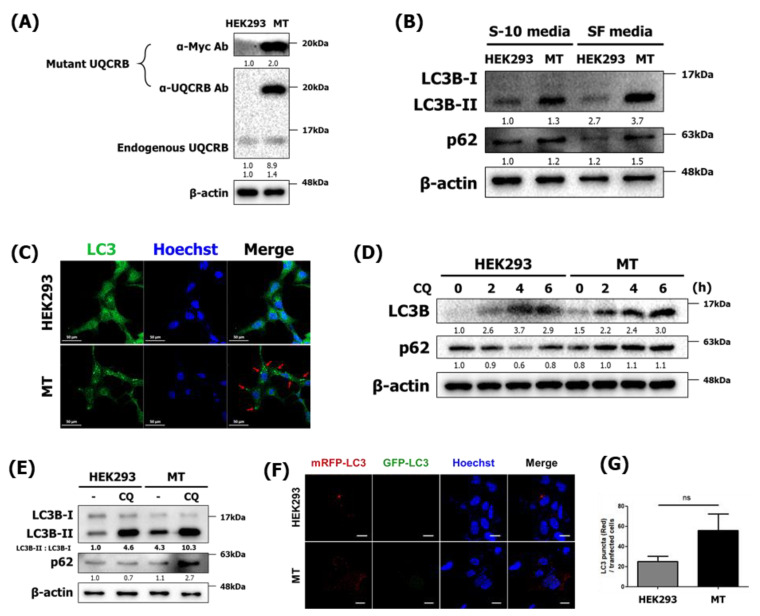
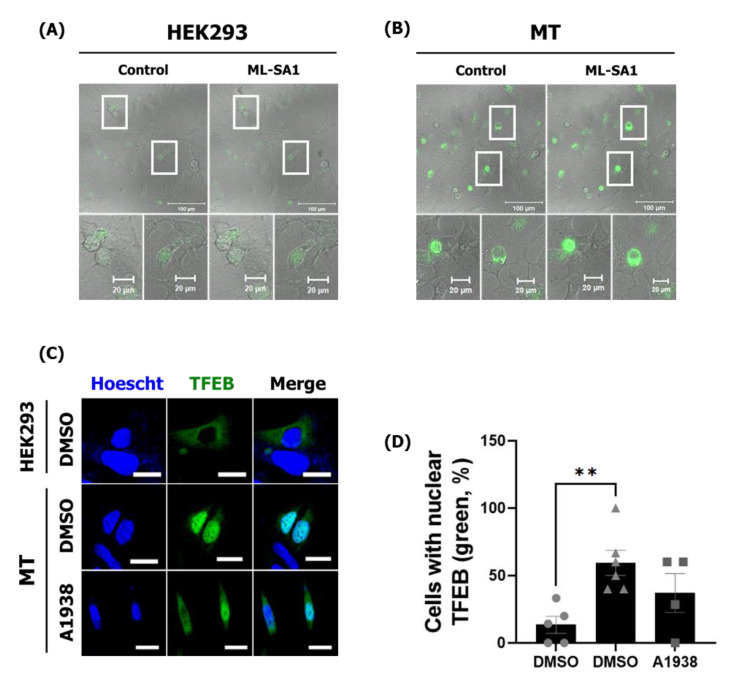
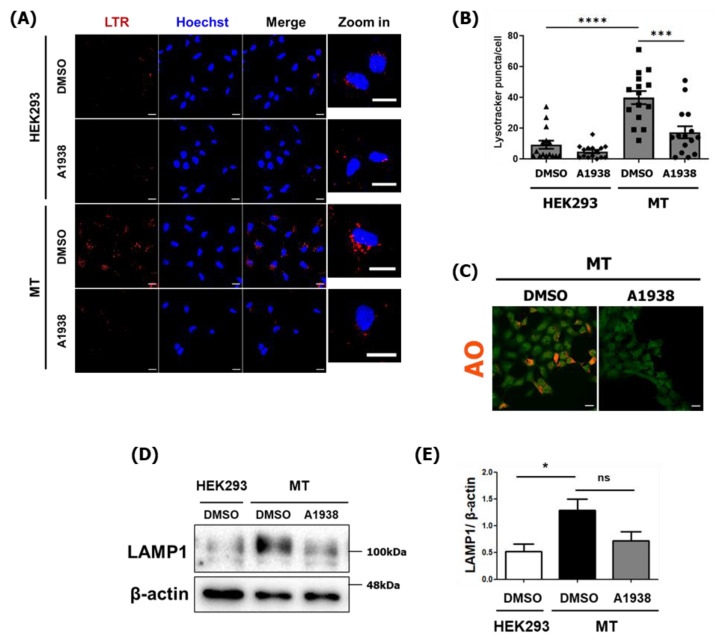
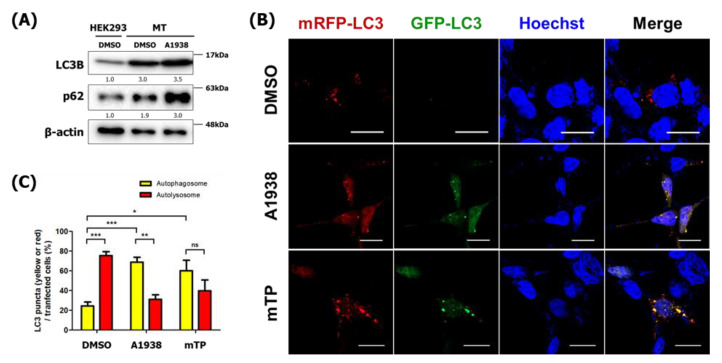
Human colon carcinomas, including HCT116 cells, often exhibit high autophagic flux under nutrient deprivation or hypoxic conditions. Mitochondrial ROS (mROS) is known as a 'molecular switch' for regulating the autophagic pathway, which is critical for directing cancer cell survival or death. In early tumorigenesis, autophagy plays important roles in maintaining cellular homeostasis and contributes to tumor growth. However, the relationships between mROS and the autophagic capacities of HCT116 cells are poorly understood. Ubiquinol cytochrome c reductase binding protein (UQCRB) has been reported as a biomarker of colorectal cancer, but its role in tumor growth has not been clarified. Here, we showed that UQCRB is overexpressed in HCT116 cells compared to CCD18co cells, a normal colon fibroblast cell line. Pharmacological inhibition of UQCRB reduced mROS levels, autophagic flux, and the growth of HCT116 tumors in a xenograft mouse model. We further investigated mutant UQCRB-overexpressing cell lines to identify functional links in UQCRB-mROS-autophagy. Notably, an increasing level of mROS caused by UQCRB overexpression released Ca by the activation of lysosomal transient receptor potential mucolipin 1 (TRPML1) channels. This activation induced transcription factor EB (TFEB) nuclear translocation and lysosome biogenesis, leading to autophagy flux. Collectively, our study showed that increasing levels of mROS caused by the overexpression of UQCRB in human colon carcinoma HCT116 cells could be linked to autophagy for cell survival.
包括HCT116细胞在内的人类结肠癌在营养剥夺或低氧条件下通常表现出较高的自噬通量。线粒体活性氧(mROS)被认为是调节自噬途径的“分子开关”,这对于指导癌细胞的存活或死亡至关重要。在肿瘤发生早期,自噬在维持细胞稳态中起重要作用,并有助于肿瘤生长。然而,mROS与HCT116细胞自噬能力之间的关系尚不清楚。泛醇细胞色素c还原酶结合蛋白(UQCRB)已被报道为结直肠癌的生物标志物,但其在肿瘤生长中的作用尚未阐明。在这里,我们发现与正常结肠成纤维细胞系CCD18co细胞相比,UQCRB在HCT116细胞中过表达。在异种移植小鼠模型中,对UQCRB的药理抑制降低了mROS水平、自噬通量以及HCT116肿瘤的生长。我们进一步研究了过表达突变UQCRB的细胞系,以确定UQCRB-mROS-自噬中的功能联系。值得注意的是,UQCRB过表达导致的mROS水平升高通过激活溶酶体瞬时受体电位黏脂素1(TRPML1)通道释放Ca。这种激活诱导转录因子EB(TFEB)核转位和溶酶体生物发生,从而导致自噬通量。总的来说,我们的研究表明,人结肠癌HCT116细胞中UQCRB过表达导致的mROS水平升高可能与细胞存活的自噬有关。