Dominguez Edward C, Phandthong Rattapol, Nguyen Matthew, Ulu Arzu, Guardado Stephanie, Sveiven Stefanie, Talbot Prue, Nordgren Tara M
Environmental Toxicology Graduate Program, University of California Riverside, Riverside, CA 92521, USA.
Division of Biomedical Sciences, School of Medicine, University of California Riverside, Riverside, CA 92521, USA.
Cancers (Basel). 2022 Apr 9;14(8):1900. doi: 10.3390/cancers14081900.
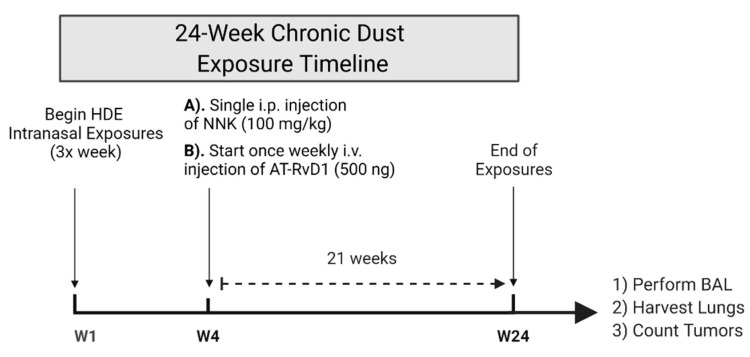
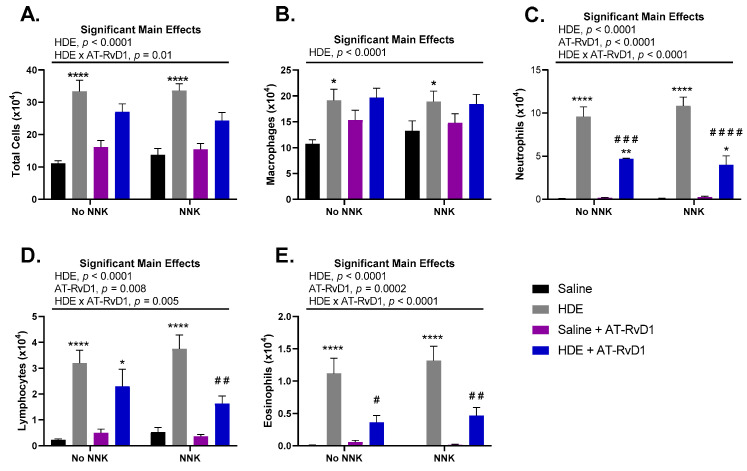
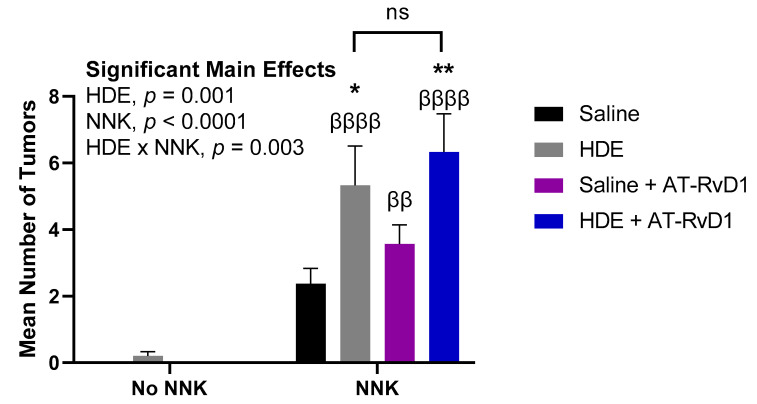
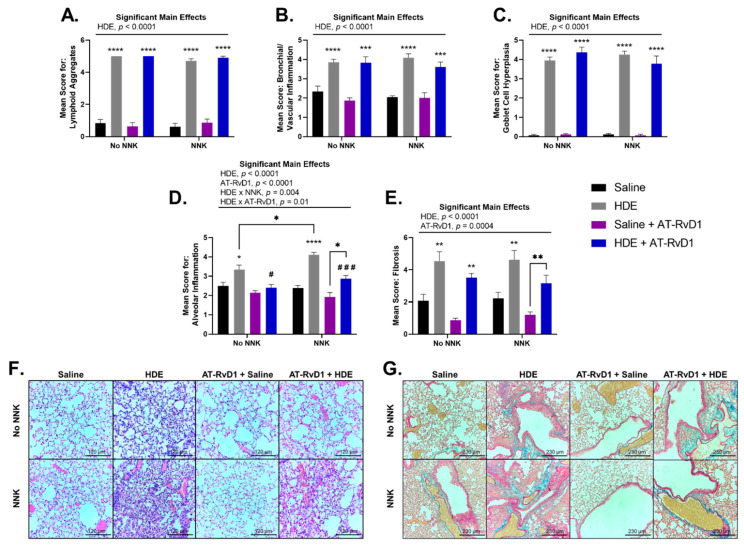
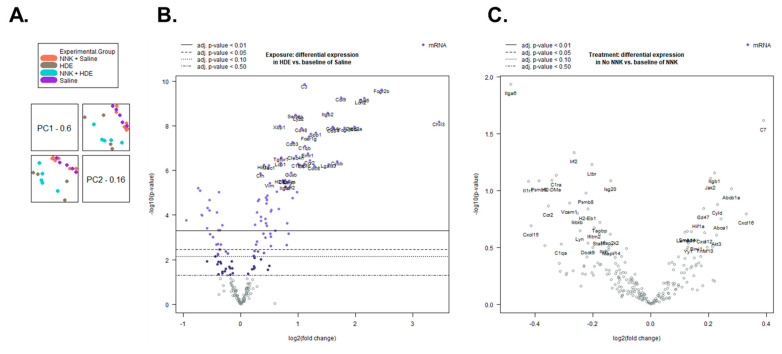
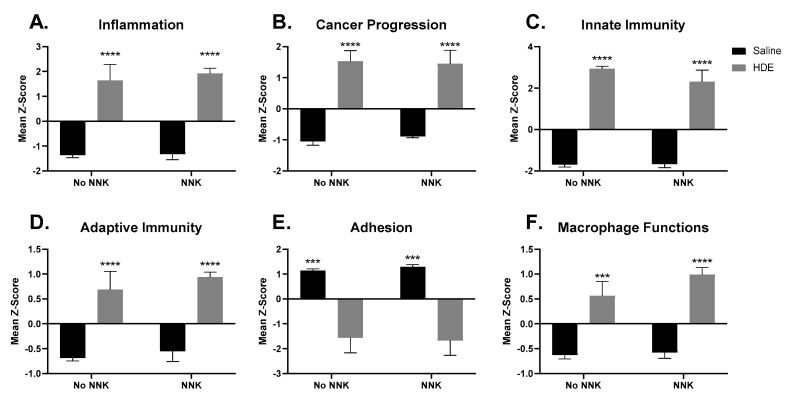
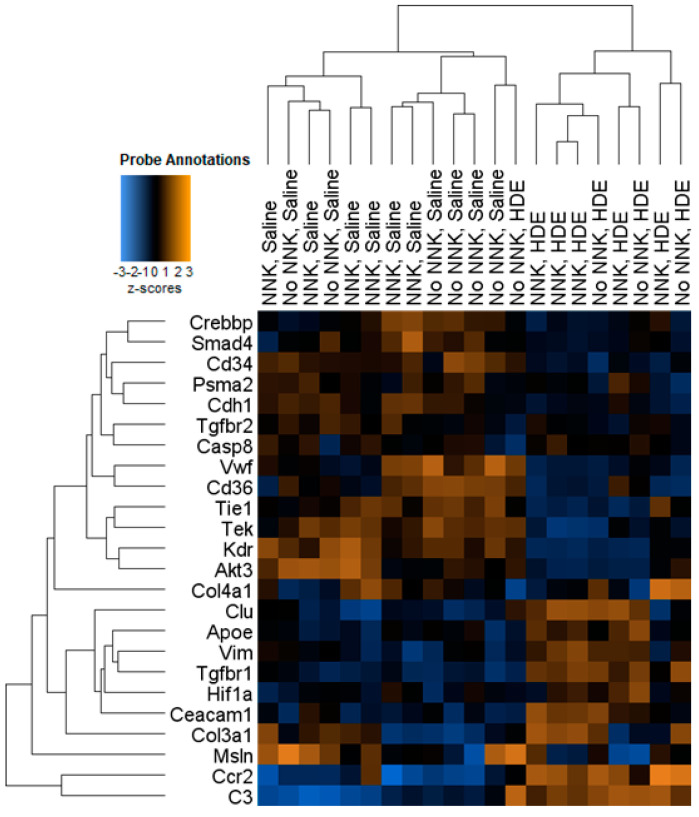
Lung cancer is the leading cause of cancer-related deaths worldwide, with increased risk being associated with unresolved or chronic inflammation. Agricultural and livestock workers endure significant exposure to agricultural dusts on a routine basis; however, the chronic inflammatory and carcinogenic effects of these dust exposure is unclear. We have developed a chronic dust exposure model of lung carcinogenesis in which mice were intranasally challenged three times a week for 24 weeks, using an aqueous dust extract (HDE) made from dust collected in swine confinement facilities. We also treated mice with the omega-3-fatty acid lipid mediator, aspirin-triggered resolvin D1 (AT-RvD1) to provide a novel therapeutic strategy for mitigating the inflammatory and carcinogenic effects of HDE. Exposure to HDE resulted in significant immune cell influx into the lungs, enhanced lung tumorigenesis, severe tissue pathogenesis, and a pro-inflammatory and carcinogenic gene signature, relative to saline-exposed mice. AT-RvD1 treatment mitigated the dust-induced inflammatory response but did not protect against HDE + NNK-enhanced tumorigenesis. Our data suggest that chronic HDE exposure induces a significant inflammatory and pro-carcinogenic response, whereas treatment with AT-RvD1 dampens the inflammatory responses, providing a strong argument for the therapeutic use of AT-RvD1 to mitigate chronic inflammation.
肺癌是全球癌症相关死亡的主要原因,风险增加与未解决的或慢性炎症有关。农业和畜牧业工人日常会大量接触农业粉尘;然而,这些粉尘暴露的慢性炎症和致癌作用尚不清楚。我们建立了一种肺癌发生的慢性粉尘暴露模型,其中小鼠每周经鼻给予三次刺激,持续24周,使用从猪饲养设施收集的粉尘制成的水性粉尘提取物(HDE)。我们还用ω-3脂肪酸脂质介质阿司匹林触发的消退素D1(AT-RvD1)治疗小鼠,以提供一种减轻HDE炎症和致癌作用的新治疗策略。与暴露于生理盐水的小鼠相比,暴露于HDE导致大量免疫细胞流入肺部,增强了肺癌发生,出现严重的组织病理变化,以及促炎和致癌基因特征。AT-RvD1治疗减轻了粉尘诱导的炎症反应,但不能预防HDE+NNK增强的肿瘤发生。我们的数据表明,慢性HDE暴露会引发显著的炎症和促癌反应,而AT-RvD1治疗可减轻炎症反应,这为AT-RvD1用于减轻慢性炎症的治疗提供了有力依据。