Contreras-García Itzel Jatziri, Cárdenas-Rodríguez Noemí, Romo-Mancillas Antonio, Bandala Cindy, Zamudio Sergio R, Gómez-Manzo Saúl, Hernández-Ochoa Beatriz, Mendoza-Torreblanca Julieta Griselda, Pichardo-Macías Luz Adriana
Laboratorio de Fisiología, Escuela Militar de Graduados de Sanidad, Ciudad de México 11200, Mexico.
Laboratorio de Neurociencias, Subdirección de Medicina Experimental, Instituto Nacional de Pediatría, Ciudad de México 04530, Mexico.
Pharmaceuticals (Basel). 2022 Apr 13;15(4):475. doi: 10.3390/ph15040475.
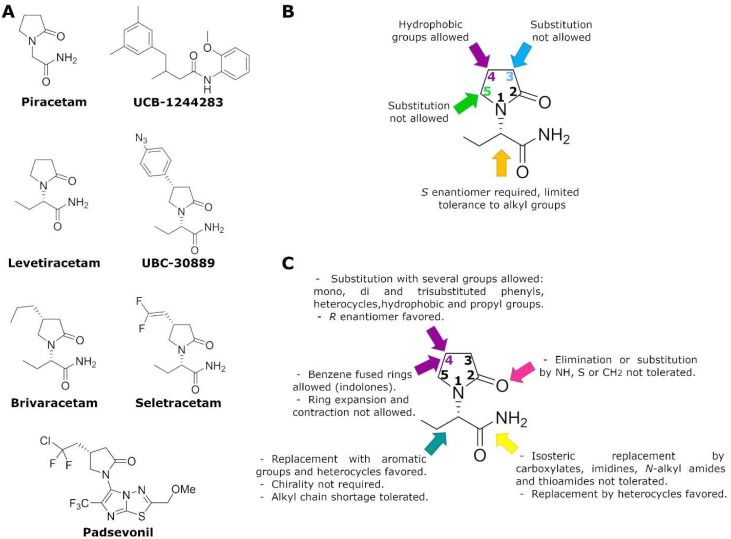
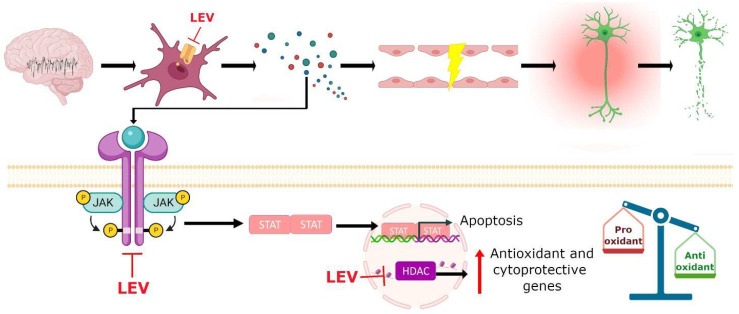
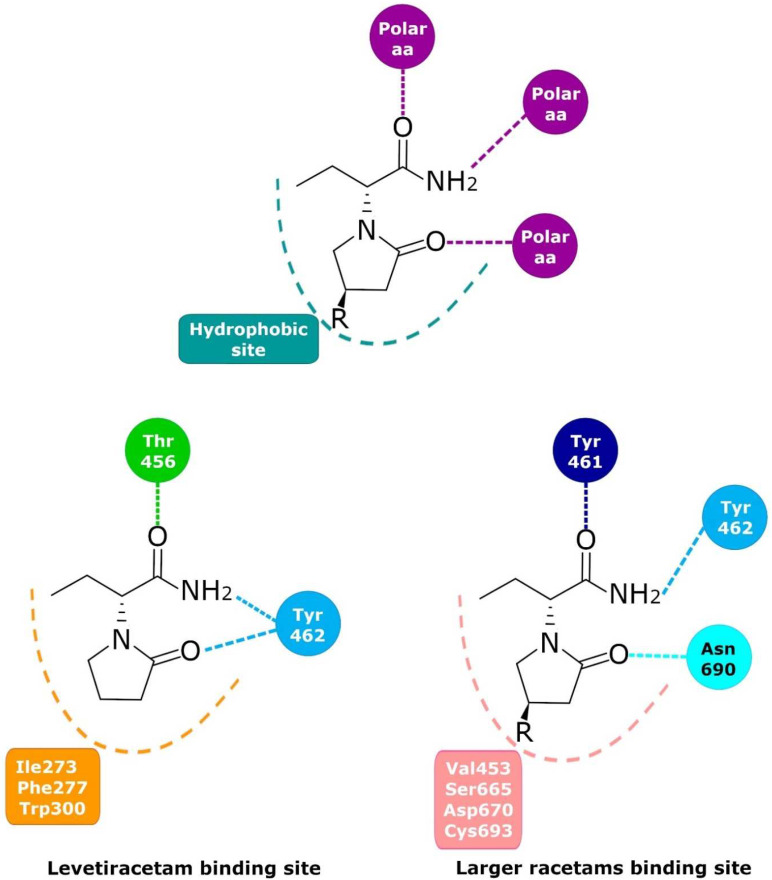
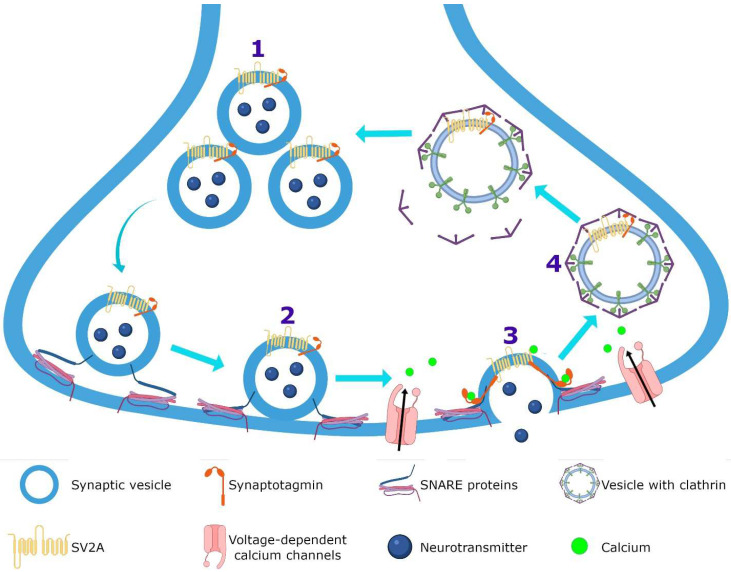
Epilepsy is a chronic disease that affects millions of people worldwide. Antiepileptic drugs (AEDs) are used to control seizures. Even though parts of their mechanisms of action are known, there are still components that need to be studied. Therefore, the search for novel drugs, new molecular targets, and a better understanding of the mechanisms of action of existing drugs is still crucial. Levetiracetam (LEV) is an AED that has been shown to be effective in seizure control and is well-tolerable, with a novel mechanism of action through an interaction with the synaptic vesicle protein 2A (SV2A). Moreover, LEV has other molecular targets that involve calcium homeostasis, the GABAergic system, and AMPA receptors among others, that might be integrated into a single mechanism of action that could explain the antiepileptogenic, anti-inflammatory, neuroprotective, and antioxidant properties of LEV. This puts it as a possible multitarget drug with clinical applications other than for epilepsy. According to the above, the objective of this work was to carry out a comprehensive and integrative review of LEV in relation to its clinical uses, structural properties, therapeutical targets, and different molecular, genetic, and systemic action mechanisms in order to consider LEV as a candidate for drug repurposing.
癫痫是一种影响全球数百万人的慢性疾病。抗癫痫药物(AEDs)用于控制癫痫发作。尽管其部分作用机制已为人所知,但仍有一些成分需要研究。因此,寻找新型药物、新的分子靶点以及更好地理解现有药物的作用机制仍然至关重要。左乙拉西坦(LEV)是一种已被证明在控制癫痫发作方面有效且耐受性良好的抗癫痫药物,它通过与突触囊泡蛋白2A(SV2A)相互作用具有新颖的作用机制。此外,左乙拉西坦还有其他分子靶点,包括钙稳态、γ-氨基丁酸能系统和α-氨基-3-羟基-5-甲基-4-异恶唑丙酸(AMPA)受体等,这些靶点可能整合到一个单一的作用机制中,从而解释左乙拉西坦的抗癫痫发生、抗炎、神经保护和抗氧化特性。这使其成为一种除癫痫外可能具有临床应用的多靶点药物。基于上述情况,这项工作的目的是对左乙拉西坦在其临床用途、结构特性、治疗靶点以及不同的分子、遗传和全身作用机制方面进行全面综合的综述,以便将左乙拉西坦视为药物重新利用的候选药物。