Translational Virology, Department of Medical Microbiology, University Medical Center Utrecht, 3584 CX Utrecht, The Netherlands.
Department of Psychiatry, University Medical Center Utrect Brain Center, Utrecht University, 3584 CG Utrecht, The Netherlands.
Viruses. 2022 Apr 16;14(4):829. doi: 10.3390/v14040829.
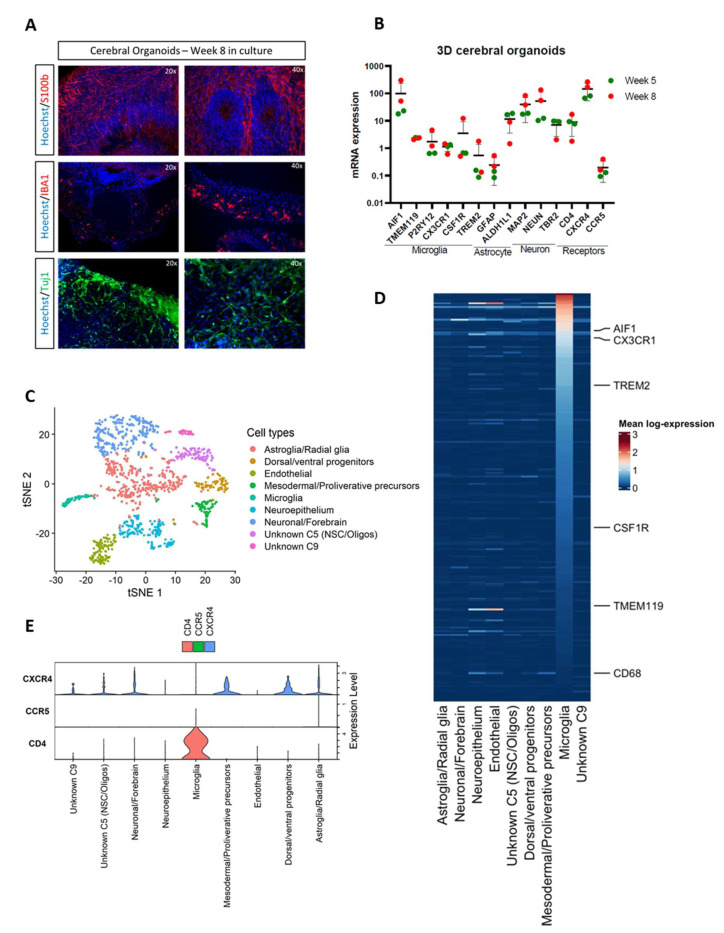
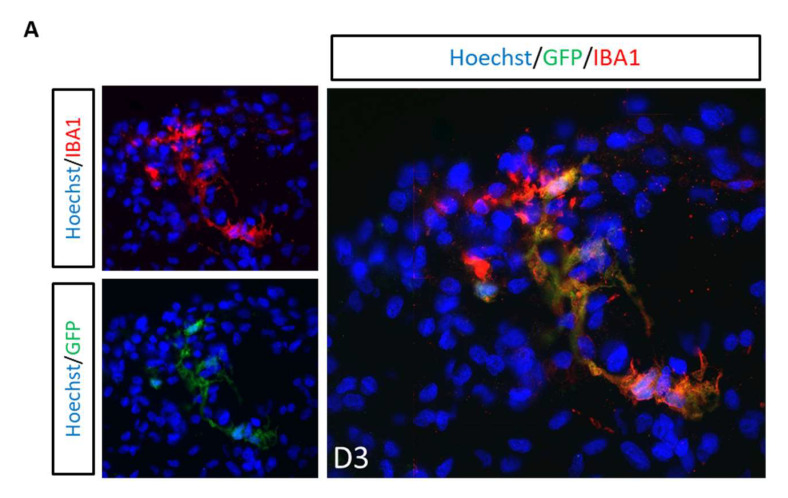
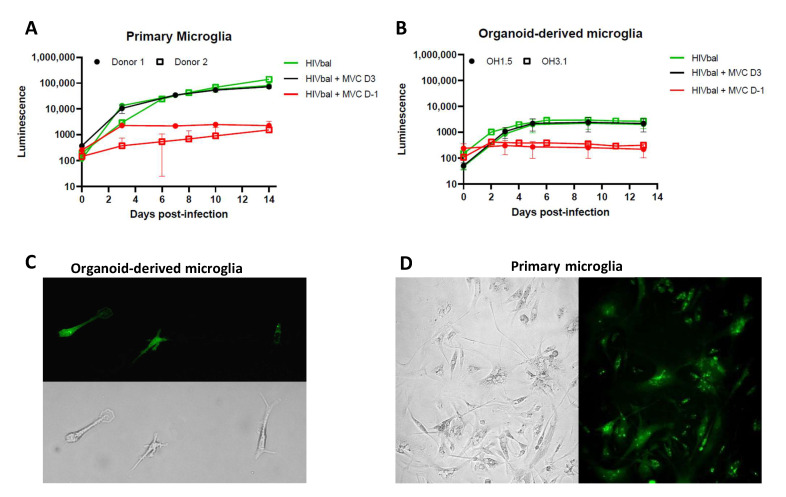
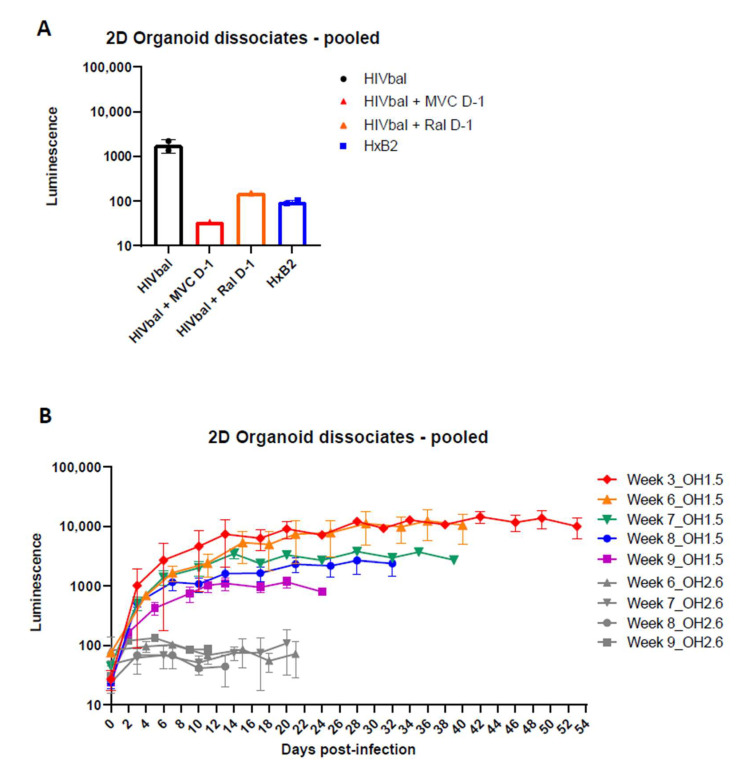
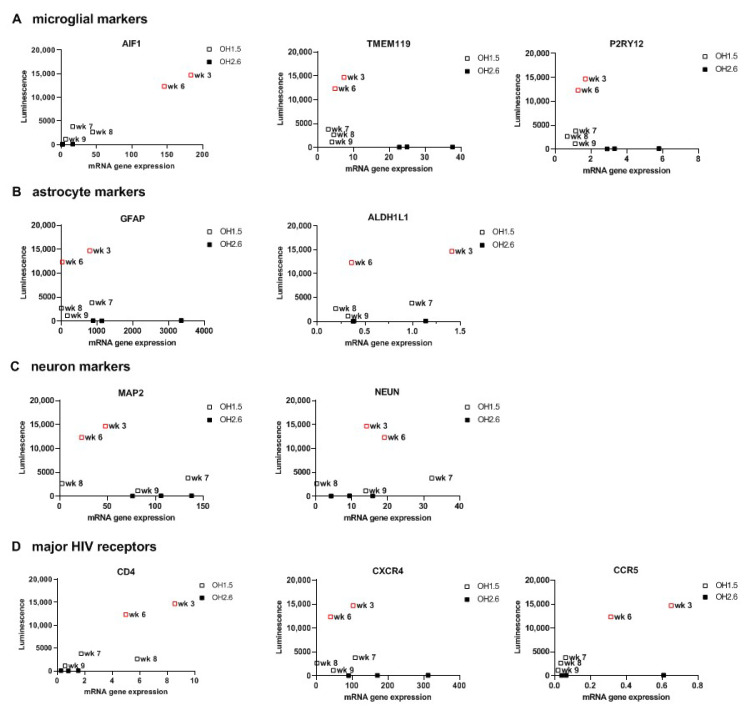
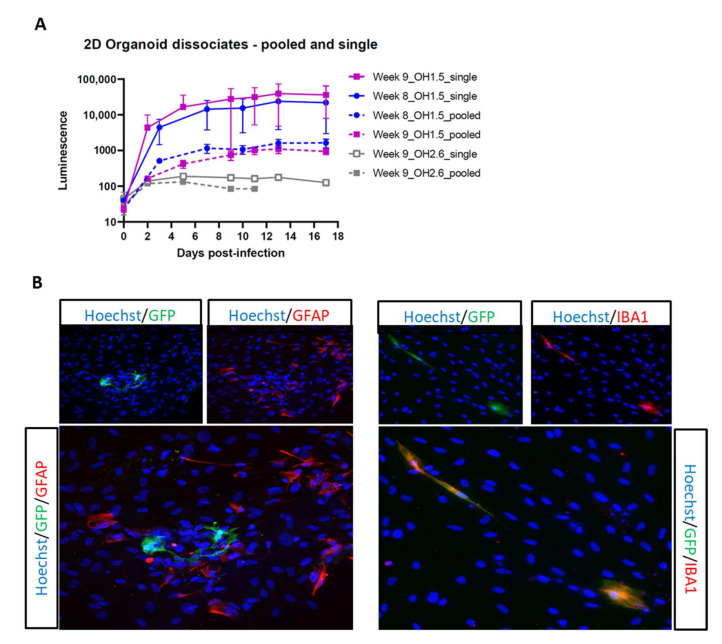
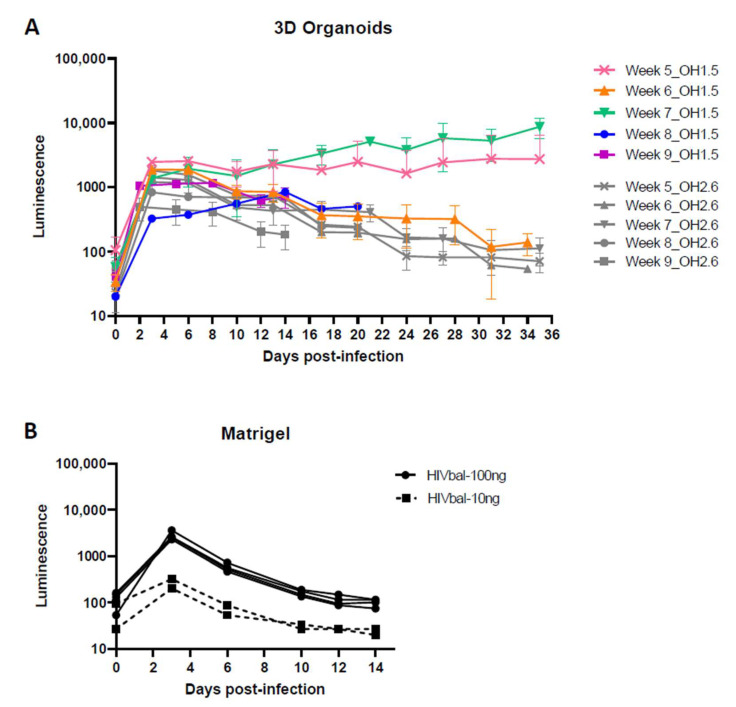
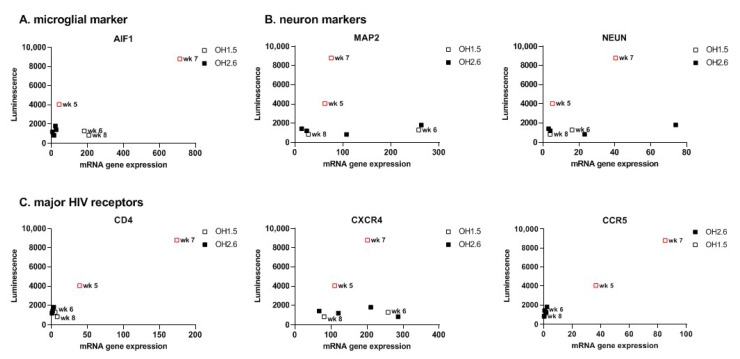
The achievement of an HIV cure is dependent on the eradication or permanent silencing of HIV-latent viral reservoirs, including the understudied central nervous system (CNS) reservoir. This requires a deep understanding of the molecular mechanisms of HIV's entry into the CNS, latency establishment, persistence, and reversal. Therefore, representative CNS culture models that reflect the intercellular dynamics and pathophysiology of the human brain are urgently needed in order to study the CNS viral reservoir and HIV-induced neuropathogenesis. In this study, we characterized a human cerebral organoid model in which microglia grow intrinsically as a CNS culture model to study HIV infection in the CNS. We demonstrated that both cerebral organoids and isolated organoid-derived microglia (oMG), infected with replication-competent HIVbal reporter viruses, support productive HIV infection via the CCR5 co-receptor. Productive HIV infection was only observed in microglial cells. Fluorescence analysis revealed microglia as the only HIV target cell. Susceptibility to HIV infection was dependent on the co-expression of microglia-specific markers and the CD4 and CCR5 HIV receptors. Altogether, this model will be a valuable tool within the HIV research community to study HIV-CNS interactions, the underlying mechanisms of HIV-associated neurological disorders (HAND), and the efficacy of new therapeutic and curative strategies on the CNS viral reservoir.
HIV 治愈的实现取决于 HIV 潜伏病毒库的根除或永久沉默,包括研究不足的中枢神经系统(CNS)病毒库。这需要深入了解 HIV 进入 CNS、潜伏期建立、持续和逆转的分子机制。因此,迫切需要能够反映人脑细胞间动力学和病理生理学的代表性 CNS 培养模型,以便研究 CNS 病毒库和 HIV 诱导的神经发病机制。在这项研究中,我们对一种人类类器官模型进行了表征,其中小胶质细胞作为 CNS 培养模型内在生长,用于研究 CNS 中的 HIV 感染。我们证明,受复制型 HIVbal 报告病毒感染的大脑类器官和分离的类器官衍生小胶质细胞(oMG)均通过 CCR5 共受体支持 HIV 的有效感染。仅在小胶质细胞中观察到 HIV 的有效感染。荧光分析显示小胶质细胞是 HIV 的唯一靶细胞。对 HIV 感染的易感性取决于小胶质细胞特异性标志物和 CD4 和 CCR5 HIV 受体的共表达。总之,该模型将成为 HIV 研究界的一种有价值的工具,用于研究 HIV-CNS 相互作用、HIV 相关神经障碍(HAND)的潜在机制以及新的治疗和治愈策略对 CNS 病毒库的疗效。