Sultania Ashish Kumar, Delgado Carmen, Blondia Chris, Famaey Jeroen
IDLab-Department of Computer Science, University of Antwerp-imec, 2000 Antwerp, Belgium.
i2CAT Foundation, 08034 Barcelona, Spain.
Sensors (Basel). 2022 Apr 7;22(8):2841. doi: 10.3390/s22082841.
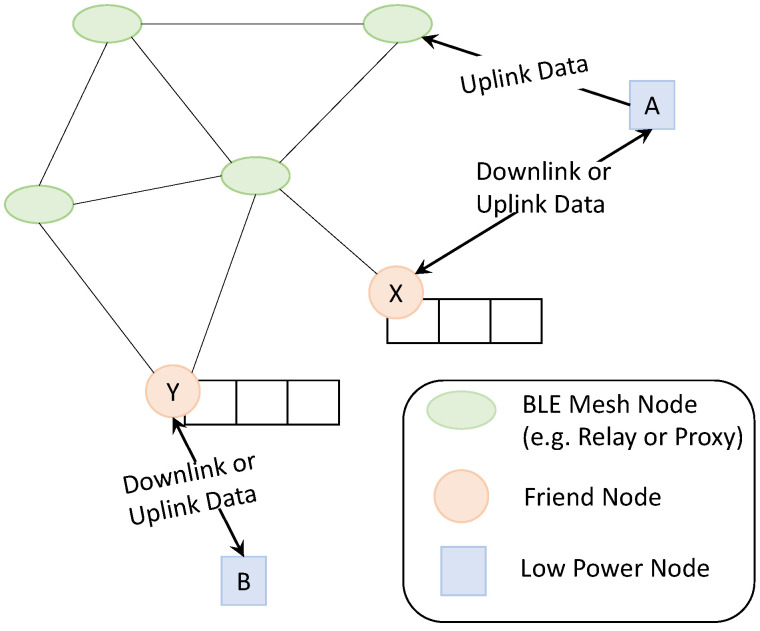
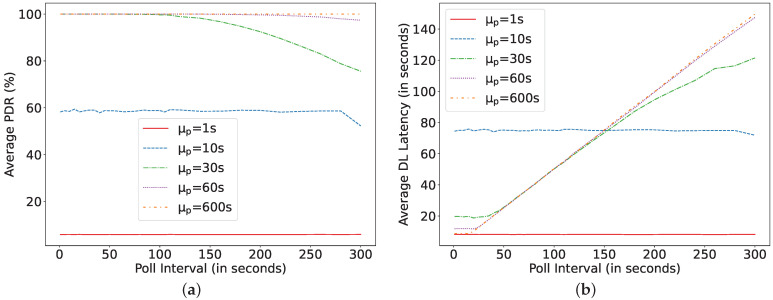
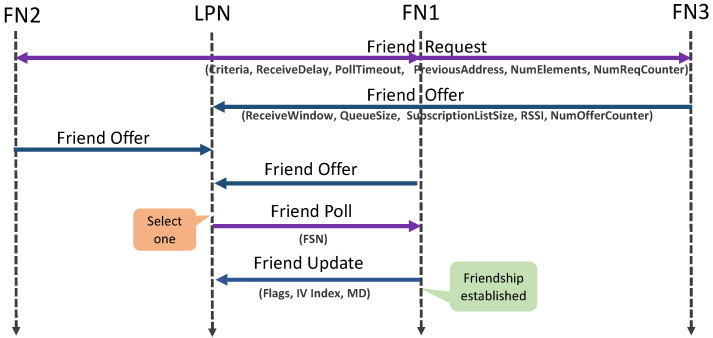
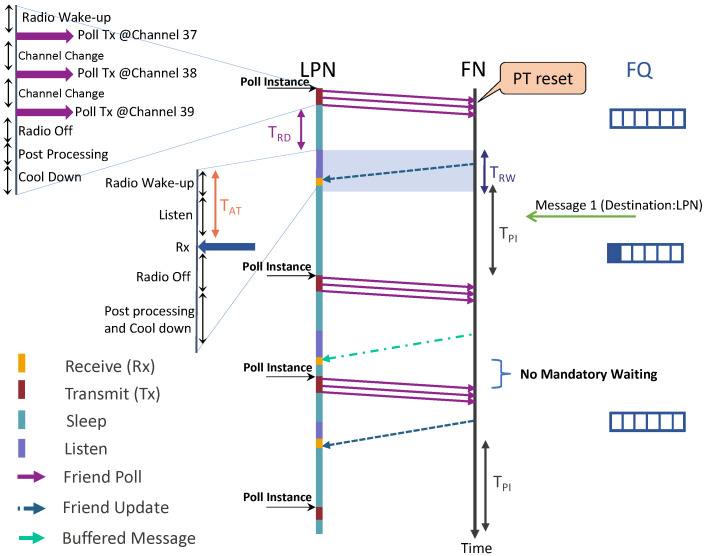
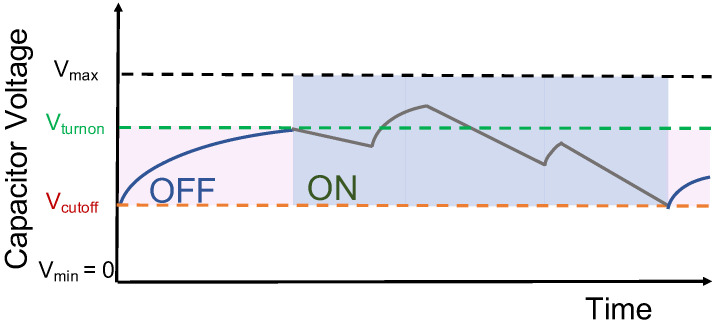
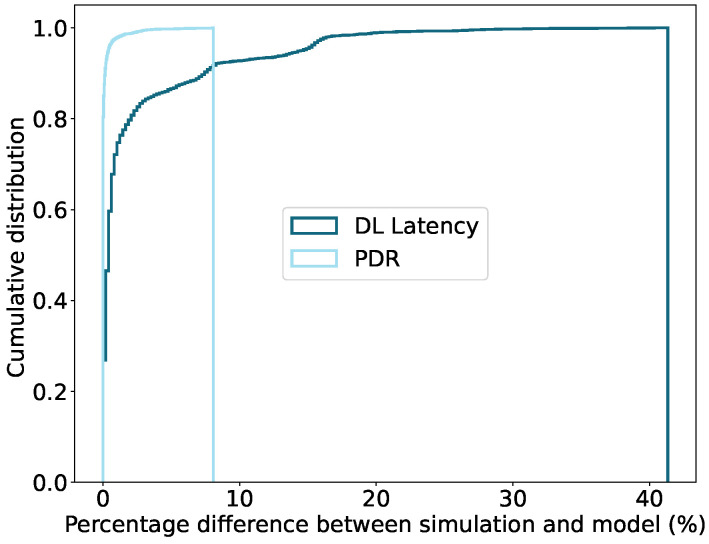
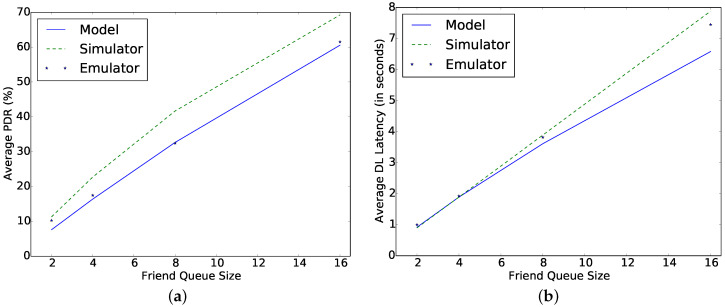
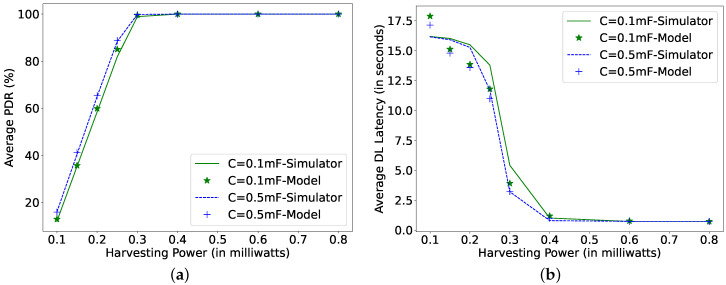
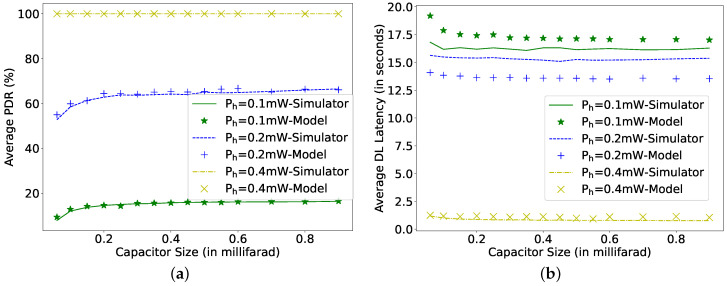
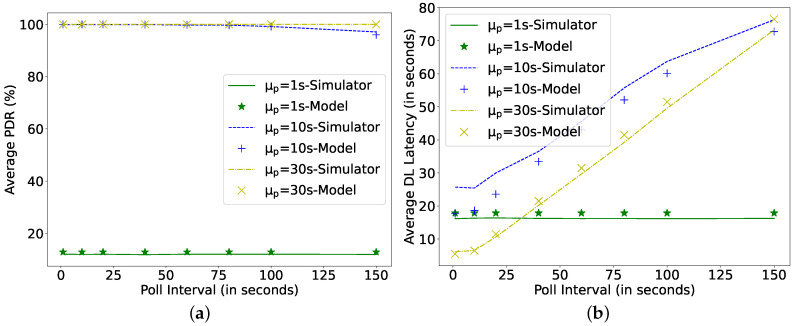
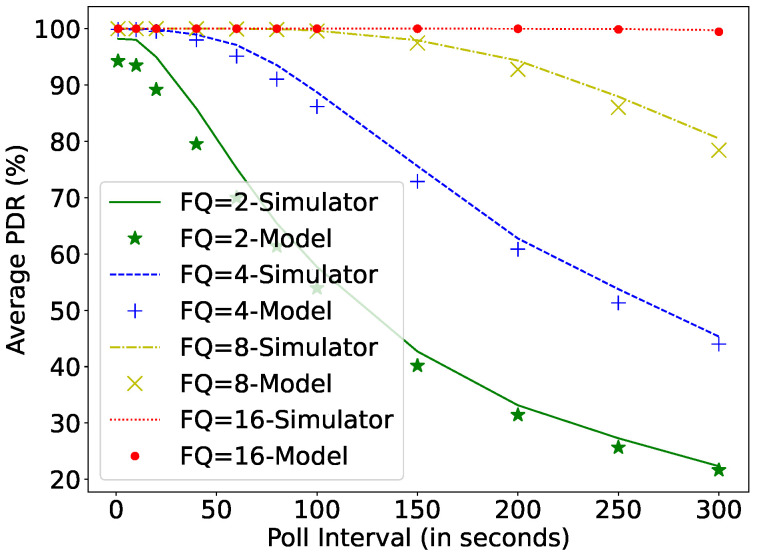
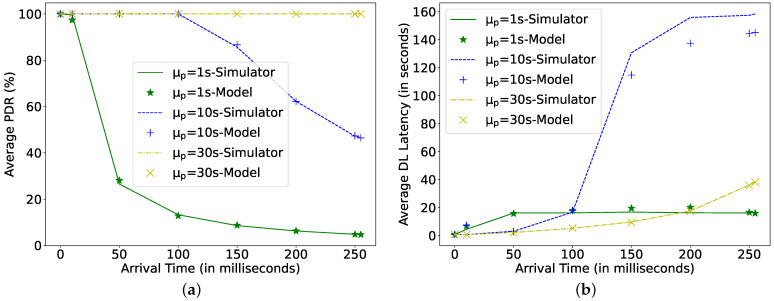
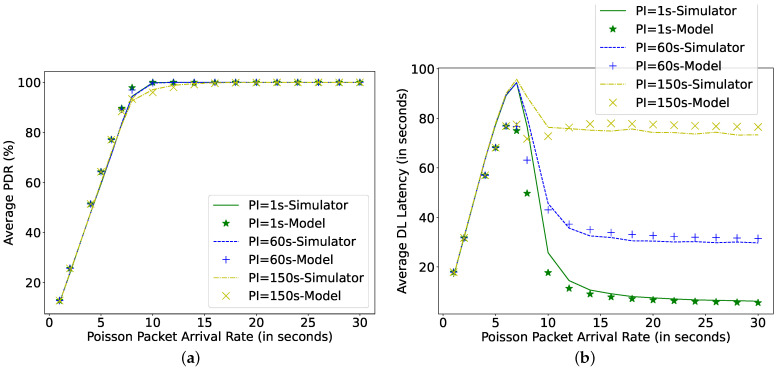
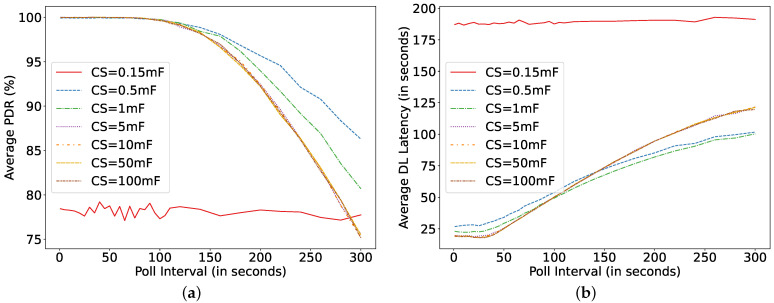
Deploying low maintenance and long-life systems is an important requirement of emerging commercial Internet of Things (IoT) solutions. Such systems can be envisioned in which the connected devices are powered by energy harvested from ambient sources and stored in long-lifetime capacitors rather than short-lived and polluting batteries. However, due to the unpredictable nature of ambient energy harvesting, such batteryless IoT devices might not always have enough energy to initiate communication. The Bluetooth Low Energy (BLE) specification defines support for Low Power Nodes (LPNs) using the friendship feature, where the LPN is associated with a neighbouring friend node (FN). The LPN can receive downlink (DL) data and remain connected to the network via the FN that buffers the LPN's incoming packets while allowing the LPN to save energy by sleeping or turning itself off. This novel BLE feature makes the LPN highly suitable to support the connection of batteryless ambiently-powered IoT devices. While the LPN can decide when to transmit uplink (UL) packets and does not depend on the FN to receive downlink (DL) data, the LPN needs to poll its FN to receive the buffered packets. However, the DL packet latency increases with this process due to the buffering time at the FN. Therefore, in this work, we present an analytical model to characterize the performance as a function of DL data latency and packet delivery ratio (PDR) of a batteryless LPN powered by different harvesting powers and capacitor sizes. This would help to optimally choose the correct configuration of the batteryless LPN for its network deployment. We also compare the analytical model and simulation results, showing consistency with an average error of 2.23% for DL data latency and 0.09% for the PDR.
部署低维护和长寿命系统是新兴的商业物联网(IoT)解决方案的一项重要要求。可以设想这样的系统,其中连接的设备由从环境源收集的能量供电,并存储在长寿命电容器中,而不是使用寿命短且有污染的电池。然而,由于环境能量收集的不可预测性,这种无电池的物联网设备可能并不总是有足够的能量来启动通信。蓝牙低功耗(BLE)规范定义了使用友谊功能对低功耗节点(LPN)的支持,其中LPN与相邻的友好节点(FN)相关联。LPN可以接收下行链路(DL)数据,并通过FN保持与网络的连接,FN会缓冲LPN的传入数据包,同时允许LPN通过睡眠或关闭自身来节省能量。这种新颖的BLE功能使得LPN非常适合支持无电池的环境供电物联网设备的连接。虽然LPN可以决定何时发送上行链路(UL)数据包,并且不依赖于FN来接收下行链路(DL)数据,但LPN需要轮询其FN以接收缓冲的数据包。然而,由于FN处的缓冲时间,此过程会增加DL数据包延迟。因此,在这项工作中,我们提出了一个分析模型,以表征由不同收集功率和电容器大小供电的无电池LPN的性能与DL数据延迟和数据包交付率(PDR)的函数关系。这将有助于为其网络部署优化选择无电池LPN的正确配置。我们还比较了分析模型和仿真结果,结果显示DL数据延迟的平均误差为2.23%,PDR的平均误差为0.09%,两者具有一致性。