Department of Medical Microbiology and Infection Prevention, Tumor Virology and Cancer Immunotherapy, University Medical Center Groningen, University of Groningen, Groningen, The Netherlands.
Department of Clinical Laboratory, Sir Run Run Shaw Hospital, Zhejiang University School of Medicine, Hangzhou, Zhejiang, China.
Int J Cancer. 2022 Sep 1;151(5):809-824. doi: 10.1002/ijc.34045. Epub 2022 May 9.
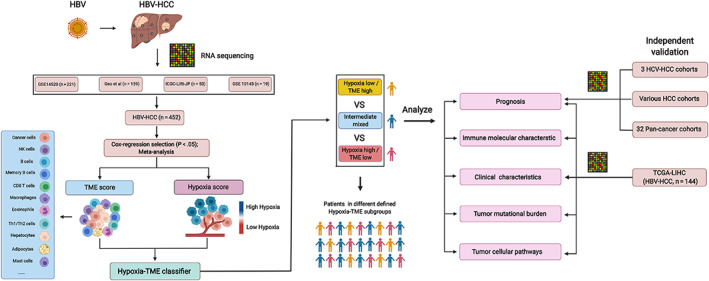
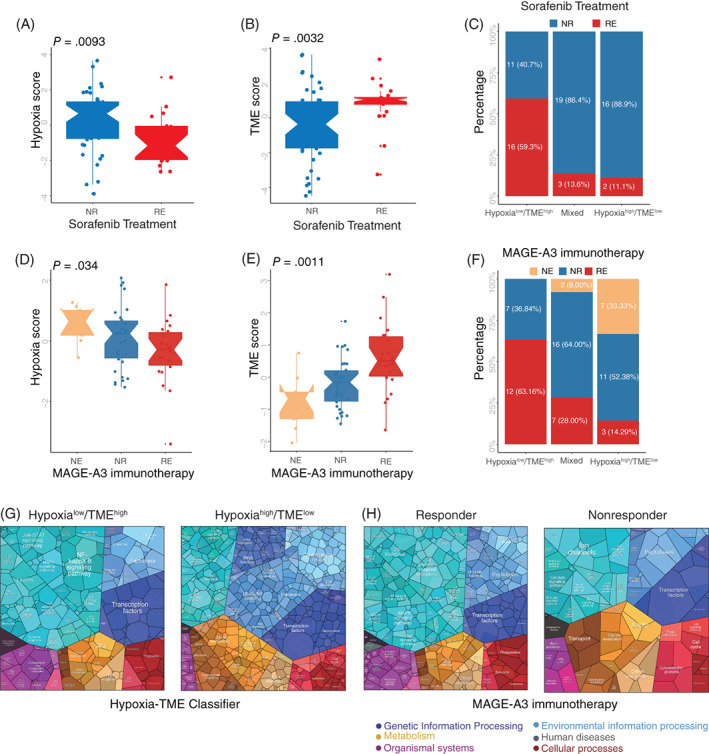
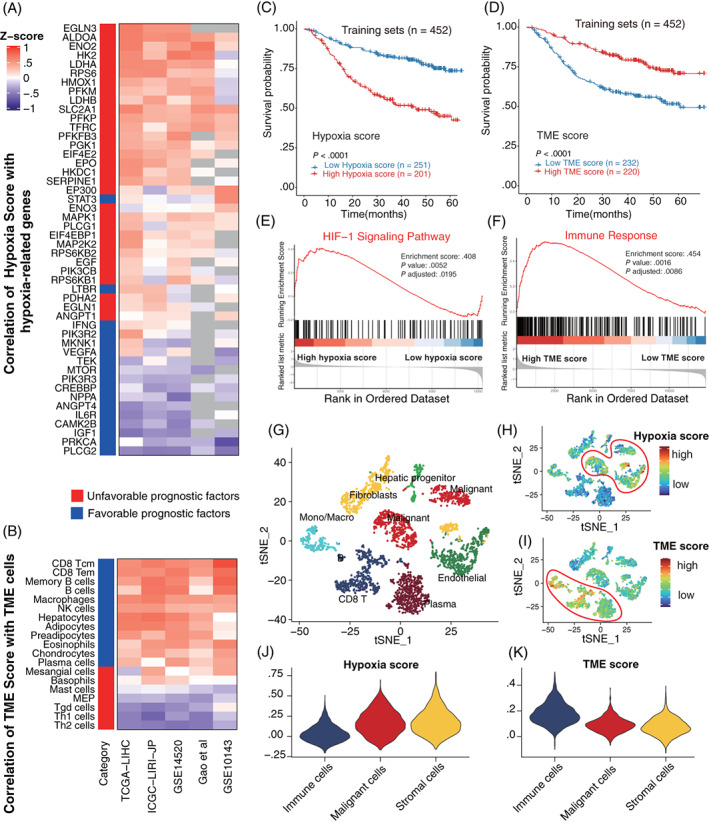
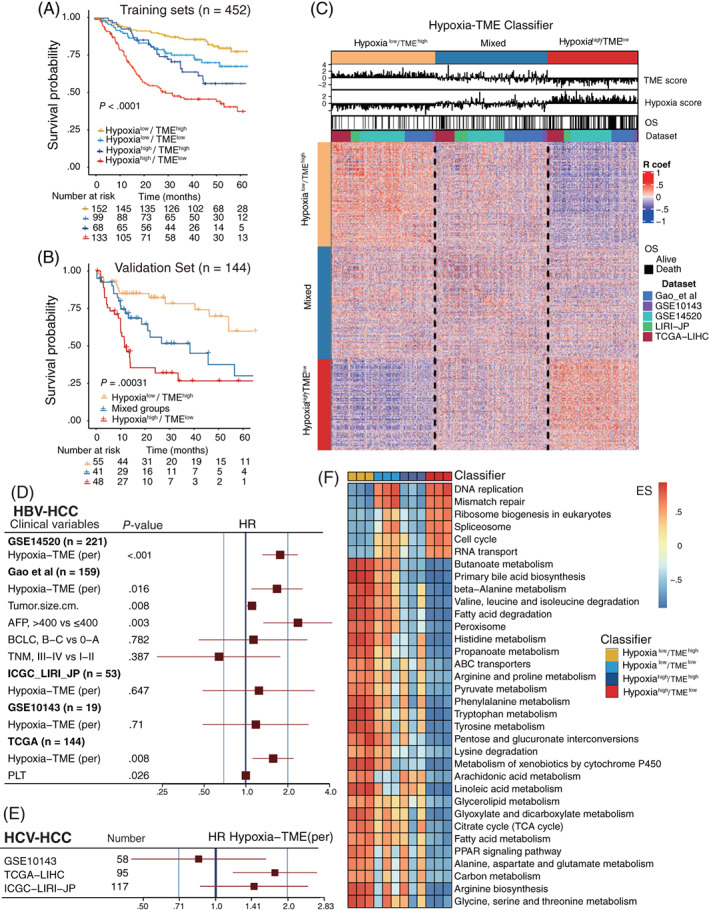
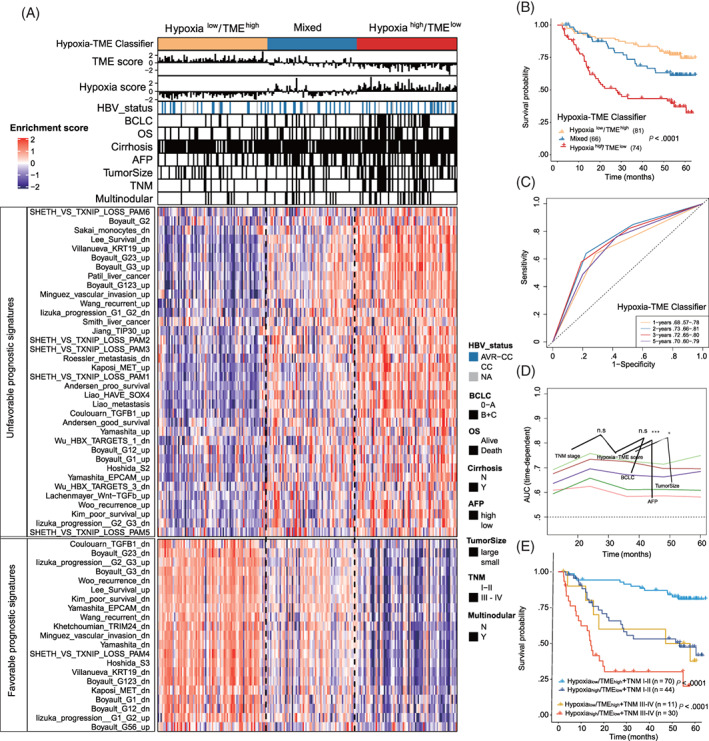
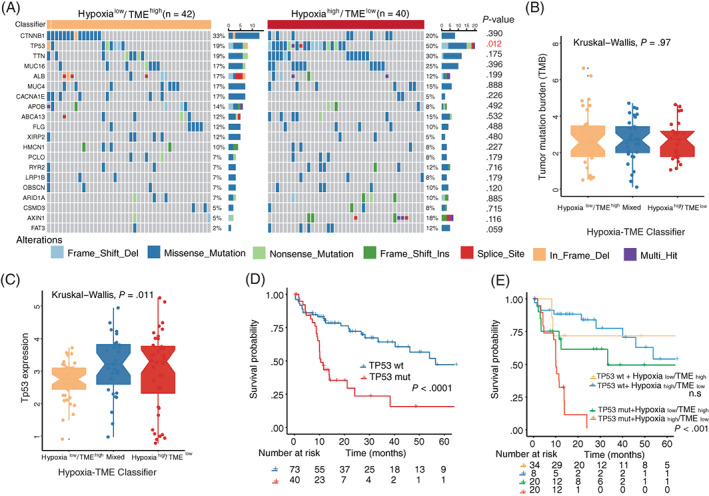
Prognosis and treatment options of hepatitis B virus-related hepatocellular carcinoma (HBV-HCC) are generally based on tumor burden and liver function. Yet, tumor growth and therapeutic resistance of HBV-HCC are strongly influenced by intratumoral hypoxia and cells infiltrating the tumor microenvironment (TME). We, therefore, studied whether linking parameters associated with hypoxia and TME cells could have a better prediction of prognosis and therapeutic responses. Quantification of 109 hypoxia-related genes and 64 TME cells was performed in 452 HBV-HCC tumors. Prognostic hypoxia and TME cells signatures were determined based on Cox regression and meta-analysis for generating the Hypoxia-TME classifier. Thereafter, the prognosis, tumor, and immune characteristics as well as the benefit of therapies in Hypoxia-TME defined subgroups were analyzed. Patients in the Hypoxia /TME subgroup showed a better prognosis and therapeutic responses than any other subgroups, which can be well elucidated based on the differences in terms of immune-related molecules, tumor somatic mutations, and cancer cellular signaling pathways. Notably, our analysis furthermore demonstrated the synergistic influence of hypoxia and TME on tumor metabolism and proliferation. Besides, the classifier allowed a further subdivision of patients with early- and late-HCC stages. In addition, the Hypoxia-TME classifier was validated in another independent HBV-HCC cohort (n = 144) and several pan-cancer cohorts. Overall, the Hypoxia-TME classifier showed a pretreatment predictive value for prognosis and therapeutic responses, which might provide new directions for strategizing patients with optimal therapies.
乙型肝炎病毒相关性肝细胞癌(HBV-HCC)的预后和治疗选择通常基于肿瘤负担和肝功能。然而,HBV-HCC 的肿瘤生长和治疗耐药性受到肿瘤内缺氧和浸润肿瘤微环境(TME)的细胞的强烈影响。因此,我们研究了与缺氧和 TME 细胞相关的参数是否可以更好地预测预后和治疗反应。在 452 个 HBV-HCC 肿瘤中,对 109 个与缺氧相关的基因和 64 个 TME 细胞进行了定量分析。基于 Cox 回归和荟萃分析确定了预后性缺氧和 TME 细胞特征,以生成缺氧-TME 分类器。此后,分析了在缺氧/TME 定义的亚组中患者的预后、肿瘤和免疫特征以及治疗的获益。与任何其他亚组相比,缺氧/TME 亚组的患者具有更好的预后和治疗反应,这可以根据免疫相关分子、肿瘤体细胞突变和癌症细胞信号通路方面的差异得到很好的解释。值得注意的是,我们的分析还进一步证明了缺氧和 TME 对肿瘤代谢和增殖的协同影响。此外,该分类器还可以进一步细分早期和晚期 HCC 阶段的患者。此外,该分类器在另一个独立的 HBV-HCC 队列(n=144)和多个泛癌队列中进行了验证。总体而言,缺氧-TME 分类器显示出对预后和治疗反应的预处理预测价值,这可能为制定最佳治疗策略的患者提供新的方向。