
应对新冠疫情危机:社交媒体分析在政府危机管理中的理论应用
Dealing with the COVID-19 crisis: Theoretical application of social media analytics in government crisis management.
作者信息
Chon Myoung-Gi, Kim Seonwoo
机构信息
School of Communication and Journalism, Auburn University, 237 Tichenor Hall, Auburn, AL 36830, USA.
Manship School of Mass Communication, Louisiana State University, Journalism Building, Baton Rouge, LA 70830, USA.
出版信息
Public Relat Rev. 2022 Sep;48(3):102201. doi: 10.1016/j.pubrev.2022.102201. Epub 2022 Apr 21.
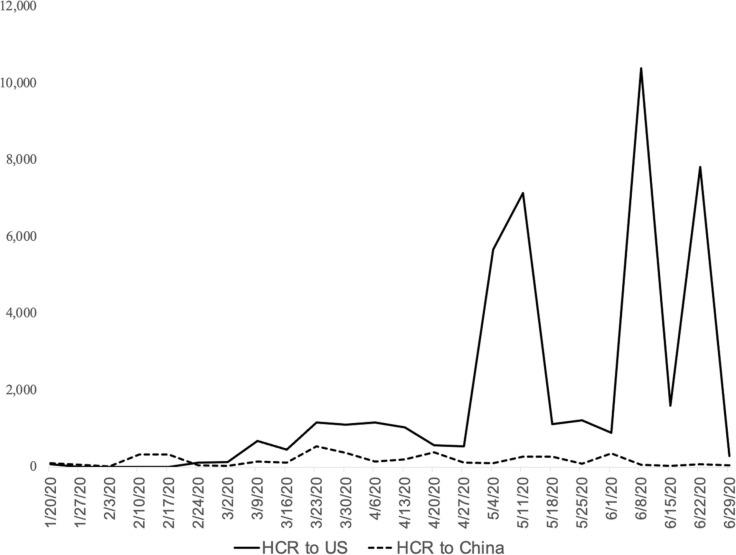
Little theory-grounded research addresses how to use social media strategically in government public relations through machine learning. To fill this gap, we propose a way to optimize social media analytics to manage issues and crises by using the framework of attribution theory to analyze 360,861 tweets. In particular, we examined the attribution of crisis responsibility related to the spread of COVID-19 and its relations to the negative emotions of U.S. citizens on Twitter for six months (from January 20 to June 30, 2020). The results of this study showed that social media analytics is a valid tool to monitor how the spread of COVID-19 evolved from an issue to a crisis for the Trump administration. In addition, the federal government's lack of response and inability to handle the outbreak led to citizens' engagement and amplification of negative tweets that blamed the Trump White House. Theoretical and practical implications of the results are discussed.
很少有基于理论的研究探讨如何通过机器学习在政府公共关系中战略性地使用社交媒体。为了填补这一空白,我们提出了一种优化社交媒体分析的方法,通过运用归因理论框架分析360,861条推文来管理问题和危机。具体而言,我们研究了与新冠疫情传播相关的危机责任归因,以及在六个月内(2020年1月20日至6月30日)其与美国公民在推特上负面情绪的关系。这项研究的结果表明,社交媒体分析是一种有效的工具,可用于监测对特朗普政府而言新冠疫情的传播是如何从一个问题演变成一场危机的。此外,联邦政府缺乏应对措施以及无力处理疫情爆发,导致公民参与并放大了指责特朗普白宫的负面推文。文中讨论了研究结果的理论和实际意义。


 Zotero 插件