Department of Chemistry, Umeå University, KB.C6, Linnaeus väg 10, 90187, Umeå, Sweden.
Department of Wildlife, Fish, and Environmental Studies, Swedish University of Agricultural Sciences, 90183, Umeå, Sweden.
Sci Rep. 2022 Apr 26;12(1):6830. doi: 10.1038/s41598-022-10805-9.
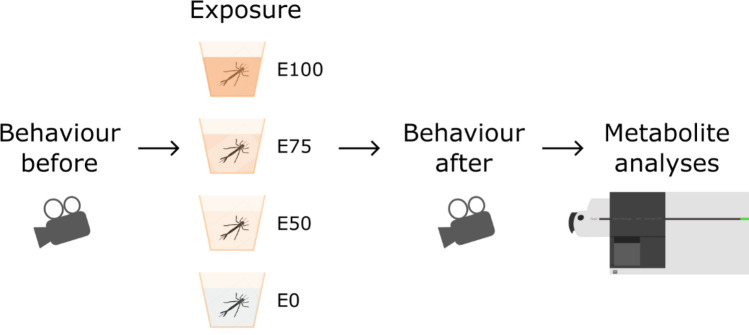
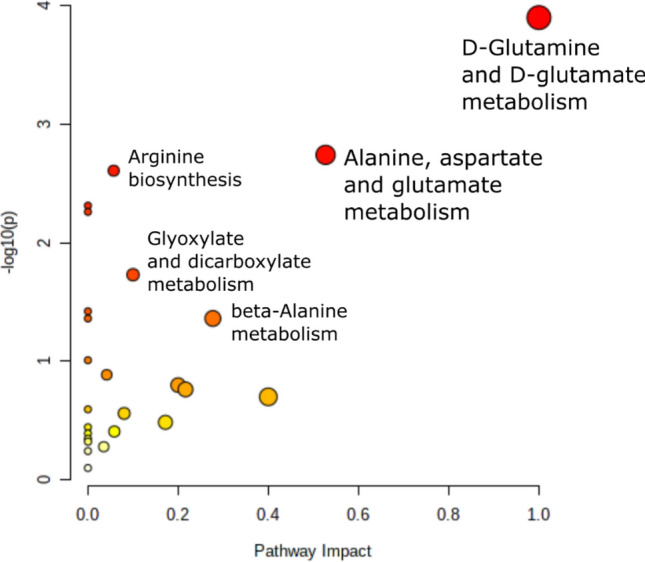
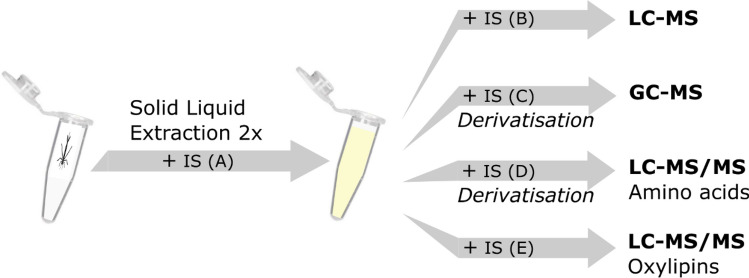
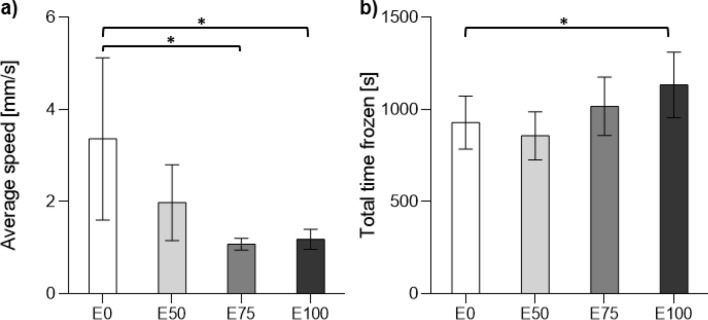
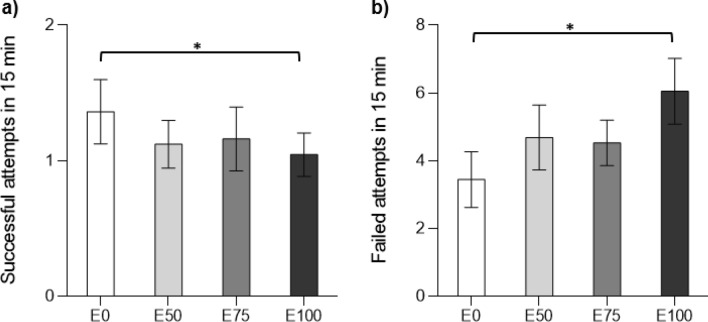
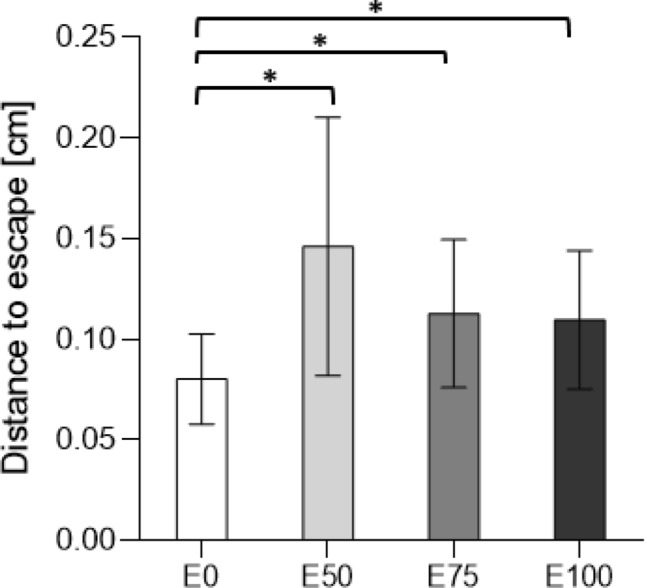
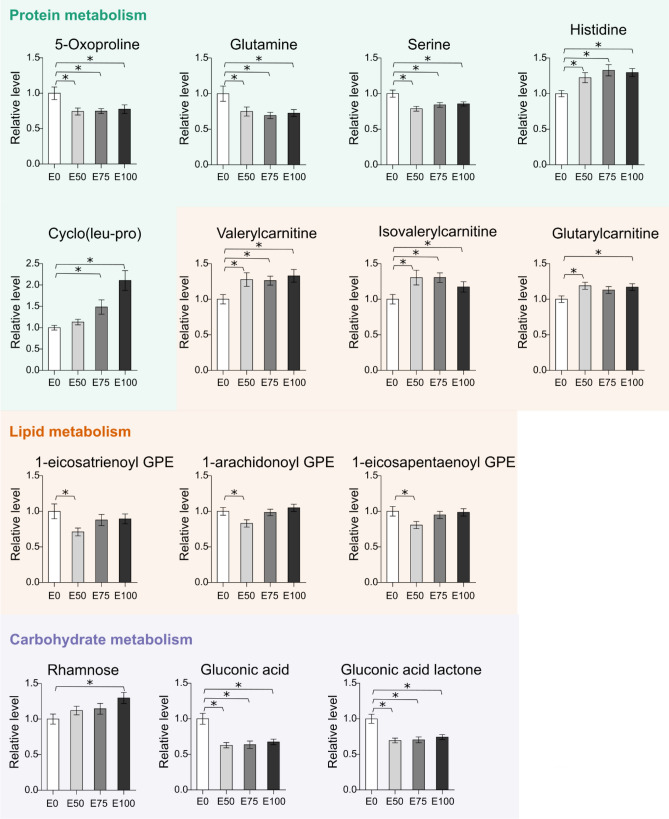
Wastewater treatment plant effluents have been identified as a major contributor to increasing anthropogenic pollution in aquatic environments worldwide. Yet, little is known about the potentially adverse effects of wastewater treatment plant effluent on aquatic invertebrates. In this study, we assessed effects of wastewater effluent on the behaviour and metabolic profiles of damselfly larvae (Coenagrion hastulatum), a common aquatic invertebrate species. Four key behavioural traits: activity, boldness, escape response, and foraging (traits all linked tightly to individual fitness) were studied in larvae before and after one week of exposure to a range of effluent dilutions (0, 50, 75, 100%). Effluent exposure reduced activity and foraging, but generated faster escape response. Metabolomic analyses via targeted and non-targeted mass spectrometry methods revealed that exposure caused significant changes to 14 individual compounds (4 amino acids, 3 carnitines, 3 lysolipids, 1 peptide, 2 sugar acids, 1 sugar). Taken together, these compound changes indicate an increase in protein metabolism and oxidative stress. Our findings illustrate that wastewater effluent can affect both behavioural and physiological traits of aquatic invertebrates, and as such might pose an even greater threat to aquatic ecosystems than previously assumed. More long-term studies are now needed evaluate if these changes are linked to adverse effects on fitness. The combination of behavioural and metabolomic assessments provide a promising tool for detecting effects of wastewater effluent, on multiple biological levels of organisation, in aquatic ecosystems.
污水处理厂的废水已被确定为全球水生环境中人为污染不断增加的主要原因之一。然而,对于污水处理厂废水对水生无脊椎动物可能产生的不利影响,人们知之甚少。在这项研究中,我们评估了废水对常见水生无脊椎动物豆娘幼虫(Coenagrion hastulatum)行为和代谢特征的影响。在一周的时间里,我们研究了幼虫暴露于一系列废水稀释液(0、50、75、100%)前后的 4 种关键行为特征:活动、大胆、逃避反应和觅食(这些特征都与个体适应能力紧密相关)。废水暴露降低了幼虫的活动和觅食能力,但提高了其逃避反应的速度。通过靶向和非靶向质谱分析方法进行的代谢组学分析显示,暴露导致 14 种单个化合物发生显著变化(4 种氨基酸、3 种肉碱、3 种溶血磷脂、1 种肽、2 种糖酸、1 种糖)。总的来说,这些化合物的变化表明蛋白质代谢和氧化应激增加。我们的研究结果表明,废水会影响水生无脊椎动物的行为和生理特征,因此对水生生态系统构成的威胁可能比之前认为的更大。现在需要进行更多的长期研究,以评估这些变化是否与对适应性的不利影响有关。行为和代谢组学评估的结合为检测废水对水生生态系统中多个组织层次的影响提供了一种很有前途的工具。