• 文献检索
  • 文档翻译
  • 深度研究
  • 学术资讯
  • Suppr Zotero 插件Zotero 插件
  • 邀请有礼
  • 套餐&价格
  • 历史记录
应用&插件
Suppr Zotero 插件Zotero 插件浏览器插件Mac 客户端Windows 客户端微信小程序
定价
高级版会员购买积分包购买API积分包
服务
文献检索文档翻译深度研究API 文档MCP 服务
关于我们
关于 Suppr公司介绍联系我们用户协议隐私条款
关注我们

Suppr 超能文献

核心技术专利:CN118964589B侵权必究
粤ICP备2023148730 号-1Suppr @ 2026

文献检索

告别复杂PubMed语法,用中文像聊天一样搜索,搜遍4000万医学文献。AI智能推荐,让科研检索更轻松。

立即免费搜索

文件翻译

保留排版,准确专业,支持PDF/Word/PPT等文件格式,支持 12+语言互译。

免费翻译文档

深度研究

AI帮你快速写综述,25分钟生成高质量综述,智能提取关键信息,辅助科研写作。

立即免费体验

肾移植后活检证实的急性排斥反应(BPAR)的生物学特征及预测模型:多组学分析证据

Biological Characteristics and Predictive Model of Biopsy-Proven Acute Rejection (BPAR) After Kidney Transplantation: Evidences of Multi-Omics Analysis.

作者信息

Han Qianguang, Zhang Xiang, Ren Xiaohan, Hang Zhou, Yin Yu, Wang Zijie, Chen Hao, Sun Li, Tao Jun, Han Zhijian, Tan Ruoyun, Gu Min, Ju Xiaobing

机构信息

Department of Urology, The First Affiliated Hospital of Nanjing Medical University, Nanjing, China.

Department of Urology, Affiliated Hospital of Nantong University, Nantong, China.

出版信息

Front Genet. 2022 Mar 21;13:844709. doi: 10.3389/fgene.2022.844709. eCollection 2022.

DOI:10.3389/fgene.2022.844709
PMID:35480323
原文链接:https://pmc.ncbi.nlm.nih.gov/articles/PMC9037533/
Abstract

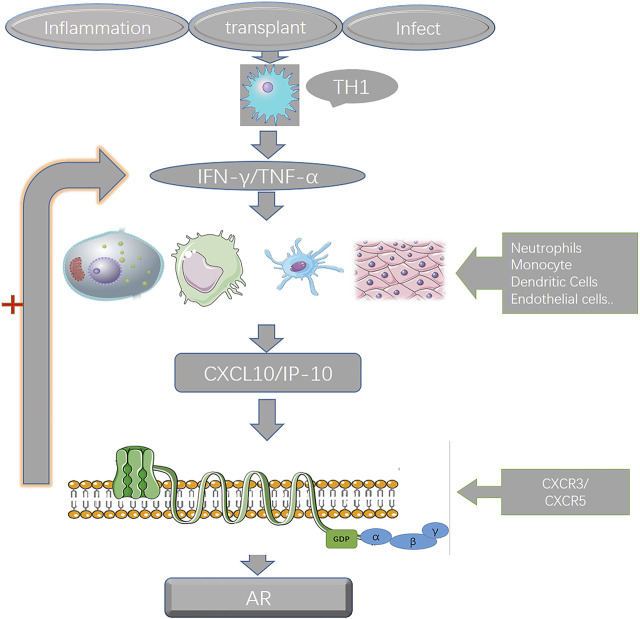
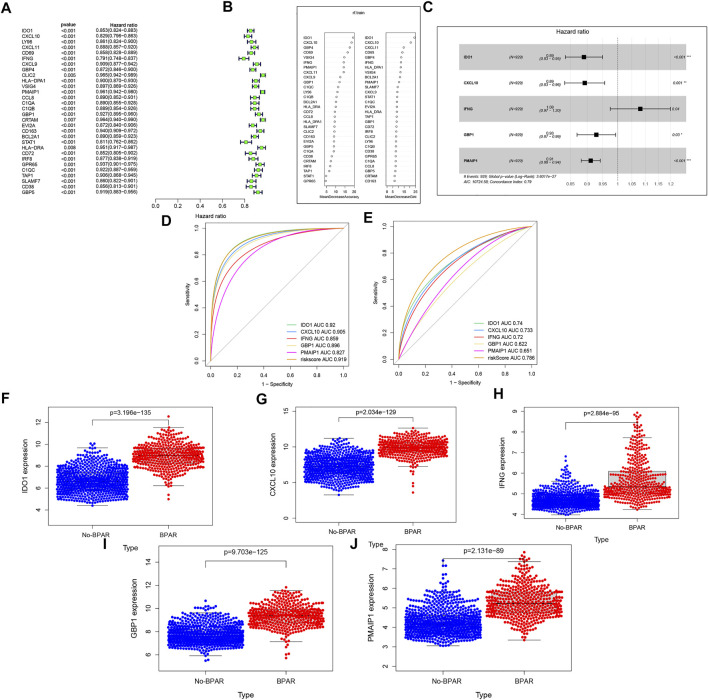
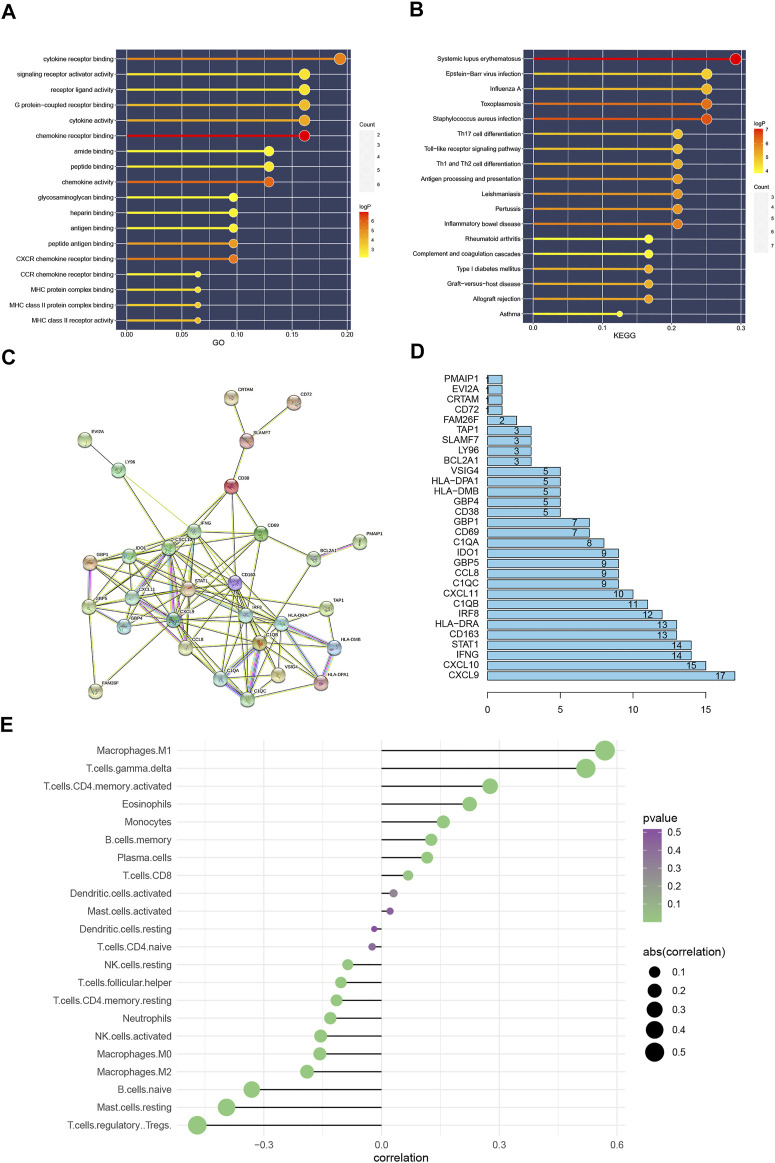
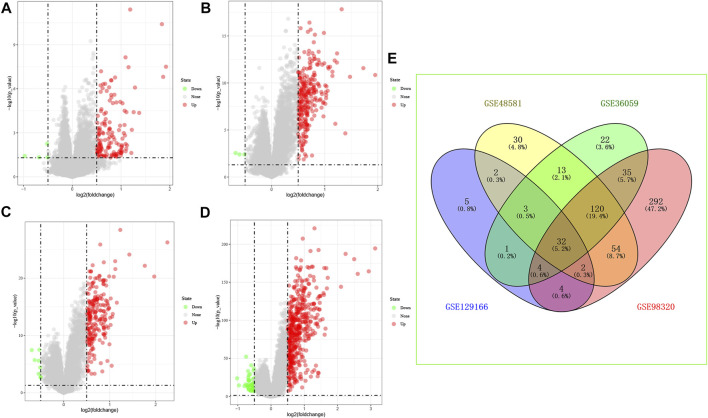
Early diagnosis and detection of acute rejection following kidney transplantation are of great significance for guiding the treatment and improving the prognosis of renal transplant recipients. In this study, we are aimed to explore the biological characteristics of biopsy-proven acute rejection (BPAR) and establish a predictive model. Gene expression matrix of the renal allograft samples in the GEO database were screened and included, using Limma R package to identify differentially expressed transcripts between BPAR and No-BPAR groups. Then a predictive model of BPAR was established based on logistic regression of which key transcripts involved in the predictive model were further explored using functional enrichment analyses including Gene Ontology analysis (GO), Kyoto Encyclopedia of Genes and Genomes (KEGG) pathway analysis, and Gene Set Enrichment Analysis (GSEA). A total of four studies (GSE129166, GSE48581, GSE36059, and GSE98320) were included for extensive analysis of differential expression. 32 differential expressed transcripts were observed to be significant between two groups after the pooled analysis. Afterward, a predictive model containing the five most significant transcripts (IDO1, CXCL10, IFNG, GBP1, PMAIP1) showed good predictive efficacy for BPAR after kidney transplantation (AUC = 0.919, 95%CI = 0.902-0.939). Results of functional enrichment analysis showed that The functions of differential genes are mainly manifested in chemokine receptor binding, chemokine activity, G protein-coupled receptor binding, etc. while the immune infiltration analysis indicated that immune cells mainly related to acute rejection include Macrophages. M1, T cells gamma delta, T cells CD4 memory activated, eosinophils, etc. We have identified a total of 32 differential expressed transcripts and based on that, a predictive model with five significant transcripts was established, which was suggested as a highly recommended tool for the prediction of BPAR after kidney transplantation. However, an extensive study should be performed for the evaluation of the predictive model and mechanism involved.

摘要

肾移植后急性排斥反应的早期诊断和检测对于指导治疗及改善肾移植受者的预后具有重要意义。在本研究中,我们旨在探索经活检证实的急性排斥反应(BPAR)的生物学特征并建立一个预测模型。筛选并纳入了基因表达综合数据库(GEO数据库)中肾移植样本的基因表达矩阵,使用Limma R包来识别BPAR组和非BPAR组之间差异表达的转录本。然后基于逻辑回归建立BPAR的预测模型,并使用包括基因本体分析(GO)、京都基因与基因组百科全书(KEGG)通路分析以及基因集富集分析(GSEA)在内的功能富集分析进一步探索预测模型中涉及的关键转录本。总共纳入了四项研究(GSE129166、GSE48581、GSE36059和GSE98320)进行差异表达的广泛分析。汇总分析后,观察到两组之间有32个差异表达的转录本具有显著性。随后,一个包含五个最显著转录本(IDO1、CXCL10、IFNG、GBP1、PMAIP1)的预测模型对肾移植后的BPAR显示出良好的预测效能(曲线下面积[AUC]=0.919,95%置信区间[CI]=0.902 - 0.939)。功能富集分析结果表明,差异基因的功能主要体现在趋化因子受体结合、趋化因子活性、G蛋白偶联受体结合等方面,而免疫浸润分析表明与急性排斥反应主要相关的免疫细胞包括M1巨噬细胞、γδT细胞、CD4记忆激活T细胞、嗜酸性粒细胞等。我们总共鉴定出32个差异表达的转录本,并在此基础上建立了一个包含五个显著转录本的预测模型,该模型被认为是肾移植后BPAR预测的高度推荐工具。然而,应进行广泛研究以评估该预测模型及其涉及的机制。
https://cdn.ncbi.nlm.nih.gov/pmc/blobs/759f/9037533/be21c241421e/fgene-13-844709-g004.jpg
https://cdn.ncbi.nlm.nih.gov/pmc/blobs/759f/9037533/ef0108743e2e/fgene-13-844709-g001.jpg
https://cdn.ncbi.nlm.nih.gov/pmc/blobs/759f/9037533/48dce5794e10/fgene-13-844709-g002.jpg
https://cdn.ncbi.nlm.nih.gov/pmc/blobs/759f/9037533/97322dac72fb/fgene-13-844709-g003.jpg
https://cdn.ncbi.nlm.nih.gov/pmc/blobs/759f/9037533/be21c241421e/fgene-13-844709-g004.jpg
https://cdn.ncbi.nlm.nih.gov/pmc/blobs/759f/9037533/ef0108743e2e/fgene-13-844709-g001.jpg
https://cdn.ncbi.nlm.nih.gov/pmc/blobs/759f/9037533/48dce5794e10/fgene-13-844709-g002.jpg
https://cdn.ncbi.nlm.nih.gov/pmc/blobs/759f/9037533/97322dac72fb/fgene-13-844709-g003.jpg
https://cdn.ncbi.nlm.nih.gov/pmc/blobs/759f/9037533/be21c241421e/fgene-13-844709-g004.jpg

相似文献

1
Biological Characteristics and Predictive Model of Biopsy-Proven Acute Rejection (BPAR) After Kidney Transplantation: Evidences of Multi-Omics Analysis.肾移植后活检证实的急性排斥反应(BPAR)的生物学特征及预测模型:多组学分析证据
Front Genet. 2022 Mar 21;13:844709. doi: 10.3389/fgene.2022.844709. eCollection 2022.
2
Role of B and T Lymphocyte Attenuator in Renal Transplant Recipients with Biopsy-Proven Acute Rejection.B 和 T 淋巴细胞衰减因子在经活检证实的急性排斥反应的肾移植受者中的作用。
Med Sci Monit. 2018 Jan 20;24:387-396. doi: 10.12659/msm.905752.
3
SLAMF8 Participates in Acute Renal Transplant Rejection TLR4 Pathway on Pro-Inflammatory Macrophages.信号淋巴细胞激活分子家族成员8(SLAMF8)通过Toll样受体4(TLR4)信号通路参与促炎巨噬细胞介导的急性肾移植排斥反应 。
Front Immunol. 2022 Apr 1;13:846695. doi: 10.3389/fimmu.2022.846695. eCollection 2022.
4
A systematic review and economic model of the clinical and cost-effectiveness of immunosuppressive therapy for renal transplantation in children.儿童肾移植免疫抑制治疗的临床及成本效益的系统评价与经济学模型
Health Technol Assess. 2006 Dec;10(49):iii-iv, ix-xi, 1-157. doi: 10.3310/hta10490.
5
A Machine Learning Analysis of Prognostic Genes Associated With Allograft Tolerance After Renal Transplantation.基于机器学习的肾移植后移植物耐受相关预后基因分析。
Cell Transplant. 2023 Jan-Dec;32:9636897231195116. doi: 10.1177/09636897231195116.
6
Role of the Fyn -93A>G polymorphism (rs706895) in acute rejection after liver transplantation.Fyn基因-93A>G多态性(rs706895)在肝移植术后急性排斥反应中的作用
Hum Immunol. 2015 Sep;76(9):657-62. doi: 10.1016/j.humimm.2015.09.013. Epub 2015 Sep 25.
7
Immune-Related Genes for Predicting Future Kidney Graft Loss: A Study Based on GEO Database.基于 GEO 数据库的预测未来肾移植失败的免疫相关基因研究
Front Immunol. 2022 Feb 25;13:859693. doi: 10.3389/fimmu.2022.859693. eCollection 2022.
8
An intronic polymorphism of gene shows a risk association with biopsy-proven acute rejection in renal transplant recipients.某基因的一个内含子多态性显示与肾移植受者经活检证实的急性排斥反应存在风险关联。
Ann Transl Med. 2020 Mar;8(5):211. doi: 10.21037/atm.2020.01.61.
9
Average Tacrolimus Trough Level in the First Month After Transplantation May Predict Acute Rejection.移植后第一个月的他克莫司平均谷浓度可能预测急性排斥反应。
Transplant Proc. 2017 Apr;49(3):430-435. doi: 10.1016/j.transproceed.2017.02.011.
10
Early Immunosuppressive Exposure of Enteric-Coated-Mycophenolate Sodium Plus Tacrolimus Associated with Acute Rejection in Expanded Criteria Donor Kidney Transplantation.麦考酚钠肠溶片联合他克莫司的早期免疫抑制治疗与扩展标准供肾移植术后急性排斥反应的关系。
Chin Med J (Engl). 2018 Jun 5;131(11):1302-1307. doi: 10.4103/0366-6999.232797.

引用本文的文献

1
Multiple omics-based machine learning reveals peripheral blood immune cell landscape during acute rejection of kidney transplantation and constructs a precise non-invasive diagnostic strategy.基于多组学的机器学习揭示肾移植急性排斥反应期间外周血免疫细胞图谱并构建精确的非侵入性诊断策略。
Mamm Genome. 2025 Jul 7. doi: 10.1007/s00335-025-10149-5.
2
Key genes and immune pathways in T-cell mediated rejection post-liver transplantation identified via integrated RNA-seq and machine learning.通过整合 RNA-seq 和机器学习鉴定肝移植后 T 细胞介导排斥反应的关键基因和免疫途径。
Sci Rep. 2024 Oct 16;14(1):24315. doi: 10.1038/s41598-024-74874-8.
3

本文引用的文献

1
Role of indoleamine 2,3-dioxygenase in ischemia-reperfusion injury of renal tubular epithelial cells.色氨酸 2,3-双加氧酶在肾小管上皮细胞缺血再灌注损伤中的作用。
Mol Med Rep. 2021 Jun;23(6). doi: 10.3892/mmr.2021.12111. Epub 2021 Apr 26.
2
Validity and utility of urinary CXCL10/Cr immune monitoring in pediatric kidney transplant recipients.尿 CXCL10/Cr 免疫监测在儿科肾移植受者中的有效性和实用性。
Am J Transplant. 2021 Apr;21(4):1545-1555. doi: 10.1111/ajt.16336. Epub 2020 Oct 30.
3
Acute Rejection Following Kidney Transplantation: State-of-the-Art and Future Perspectives.
Analysis of prognostic value of lactate metabolism-related genes in ovarian cancer based on bioinformatics.
基于生物信息学分析乳酸代谢相关基因在卵巢癌中的预后价值。
J Ovarian Res. 2024 May 22;17(1):110. doi: 10.1186/s13048-024-01426-z.
4
Construction of a TP53 mutation-associated ceRNA network as prognostic biomarkers in hepatocellular carcinoma.构建作为肝细胞癌预后生物标志物的TP53突变相关ceRNA网络
Heliyon. 2024 Apr 30;10(9):e30066. doi: 10.1016/j.heliyon.2024.e30066. eCollection 2024 May 15.
5
PANoptosis-related long non-coding RNA signature to predict the prognosis and immune landscapes of pancreatic adenocarcinoma.用于预测胰腺腺癌预后和免疫格局的PANoptosis相关长链非编码RNA特征
Biochem Biophys Rep. 2023 Dec 7;37:101600. doi: 10.1016/j.bbrep.2023.101600. eCollection 2024 Mar.
6
Identification of Renal Transplantation Rejection Biomarkers in Blood Using the Systems Biology Approach.运用系统生物学方法鉴定血液中的肾移植排斥生物标志物
Iran Biomed J. 2023 Aug 23;27(6):375-87. doi: 10.52547/ibj.3871.
7
Identifying hub genes of sepsis-associated and hepatic encephalopathies based on bioinformatic analysis-focus on the two common encephalopathies of septic cirrhotic patients in ICU.基于生物信息学分析鉴定脓毒症相关和肝性脑病的枢纽基因——以 ICU 脓毒性肝硬化患者的两种常见脑病为重点。
BMC Med Genomics. 2024 Jan 11;17(1):19. doi: 10.1186/s12920-023-01774-7.
8
Prognosis prediction based on methionine metabolism genes signature in gliomas.基于甲硫氨酸代谢基因特征的脑胶质瘤预后预测。
BMC Med Genomics. 2023 Dec 6;16(1):317. doi: 10.1186/s12920-023-01754-x.
9
Bioinformatics identification of a T-cell-related signature for predicting prognosis and drug sensitivity in hepatocellular carcinoma.生物信息学鉴定 T 细胞相关特征预测肝细胞癌预后和药物敏感性
IET Syst Biol. 2023 Dec;17(6):366-377. doi: 10.1049/syb2.12082. Epub 2023 Nov 7.
10
Immune characteristics analysis and construction of a four-gene prognostic signature for lung adenocarcinoma based on estrogen reactivity.基于雌激素反应性的肺腺癌免疫特征分析及四个基因预后标志物的构建。
BMC Cancer. 2023 Oct 31;23(1):1047. doi: 10.1186/s12885-023-11415-y.
肾移植后急性排斥反应:现状与未来展望。
Curr Pharm Des. 2020;26(28):3468-3496. doi: 10.2174/1381612826666200610184433.
4
Guanylate-Binding Protein 1: An Emerging Target in Inflammation and Cancer.鸟苷酸结合蛋白 1:炎症和癌症中的新兴靶点。
Front Immunol. 2020 Jan 24;10:3139. doi: 10.3389/fimmu.2019.03139. eCollection 2019.
5
Pro-death signaling of cytoprotective heat shock factor 1: upregulation of NOXA leading to apoptosis in heat-sensitive cells.保护性热休克因子 1 的促死亡信号:NOXA 的上调导致热敏细胞凋亡。
Cell Death Differ. 2020 Jul;27(7):2280-2292. doi: 10.1038/s41418-020-0501-8. Epub 2020 Jan 29.
6
Key performance indicators in Australian sub-elite rugby union.澳大利亚半职业橄榄球联盟的关键绩效指标。
J Sci Med Sport. 2020 Jan;23(1):35-40. doi: 10.1016/j.jsams.2019.08.014. Epub 2019 Aug 22.
7
Development and validation of a peripheral blood mRNA assay for the assessment of antibody-mediated kidney allograft rejection: A multicentre, prospective study.外周血 mRNA 检测在评估抗体介导的肾移植排斥反应中的开发和验证:一项多中心前瞻性研究。
EBioMedicine. 2019 Aug;46:463-472. doi: 10.1016/j.ebiom.2019.07.028. Epub 2019 Aug 1.
8
Human GBP1 is a microbe-specific gatekeeper of macrophage apoptosis and pyroptosis.人类 GBP1 是一种微生物特异性的巨噬细胞凋亡和焦亡的守门员。
EMBO J. 2019 Jul 1;38(13):e100926. doi: 10.15252/embj.2018100926. Epub 2019 Jun 3.
9
Biomarkers of rejection in kidney transplantation.肾移植中的排斥反应生物标志物。
Curr Opin Organ Transplant. 2019 Feb;24(1):103-110. doi: 10.1097/MOT.0000000000000606.
10
Jaundice revisited: recent advances in the diagnosis and treatment of inherited cholestatic liver diseases.黄疸再探:遗传性胆汁淤积性肝病的诊断与治疗新进展。
J Biomed Sci. 2018 Oct 26;25(1):75. doi: 10.1186/s12929-018-0475-8.