Center for Cancer Research, Medical University of Vienna, Borschkegasse 8A, 1090, Vienna, Austria.
Comprehensive Cancer Center-Central Nervous System Tumor Unit, Medical University of Vienna, Spitalgasse 23, 1090, Vienna, Austria.
Acta Neuropathol Commun. 2022 Apr 28;10(1):65. doi: 10.1186/s40478-022-01363-2.
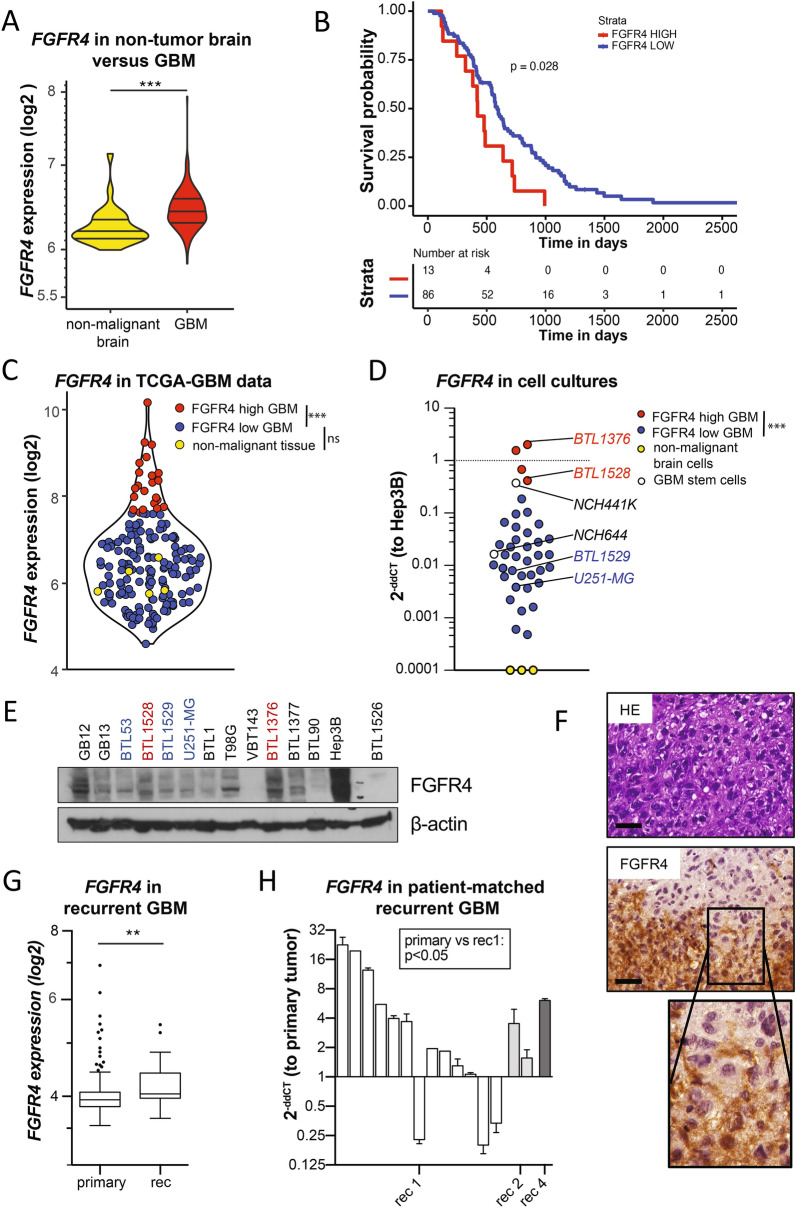
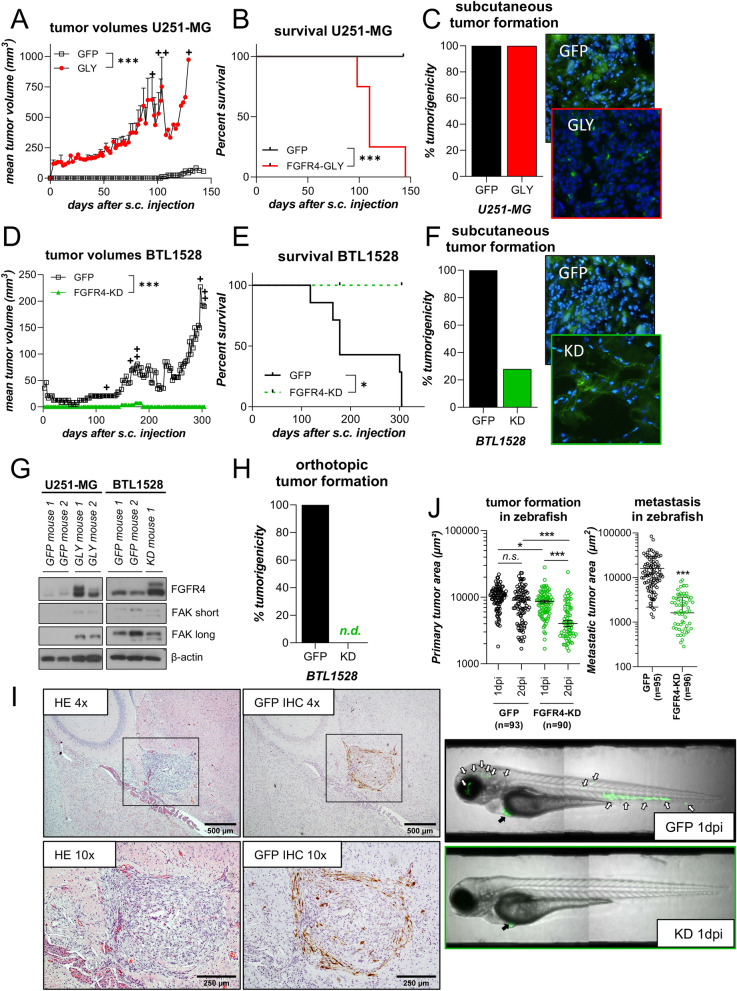
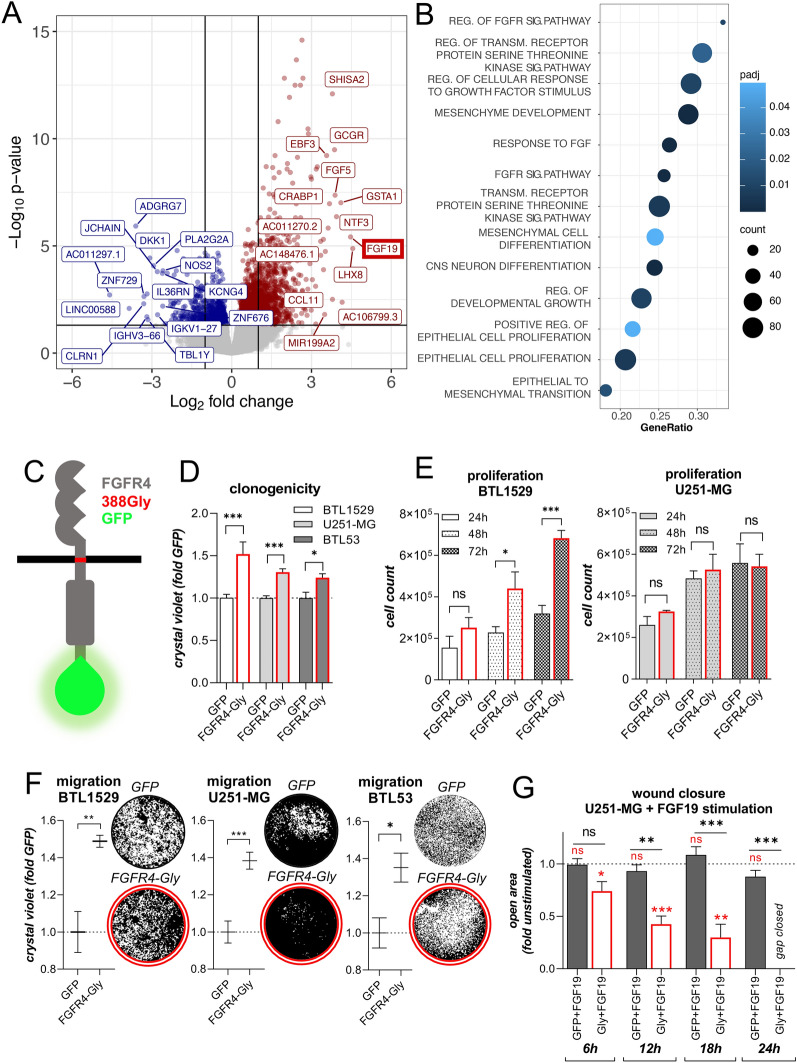
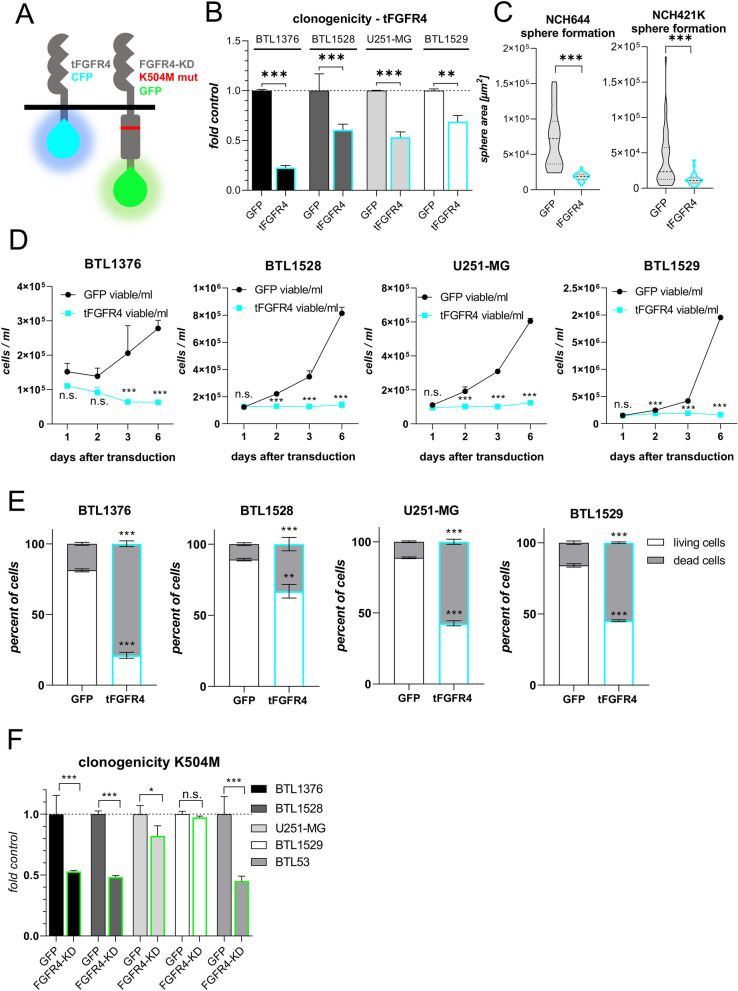
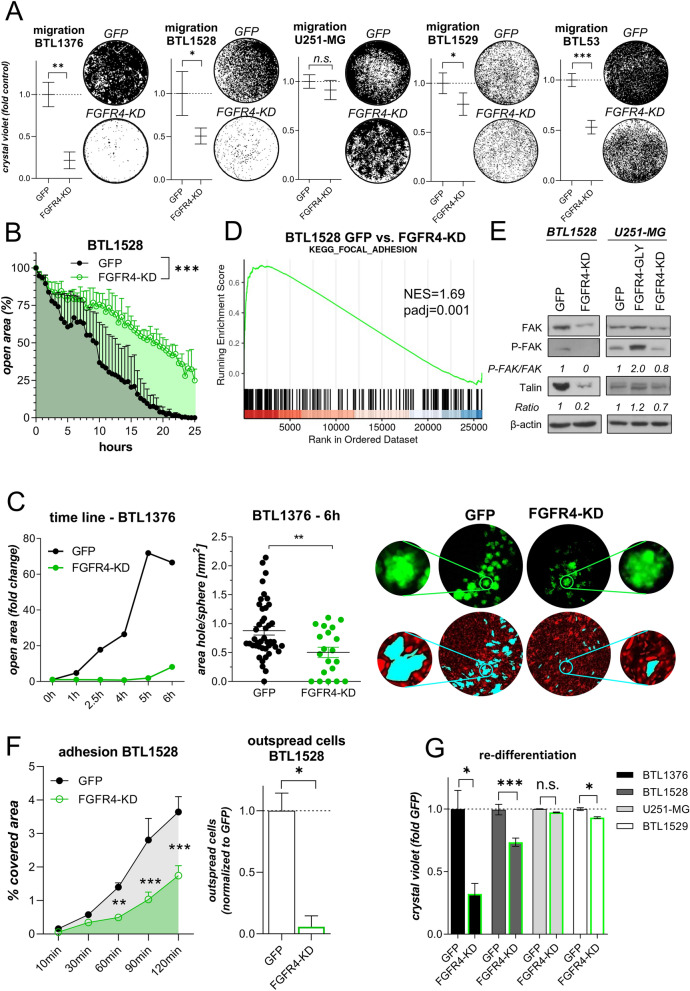
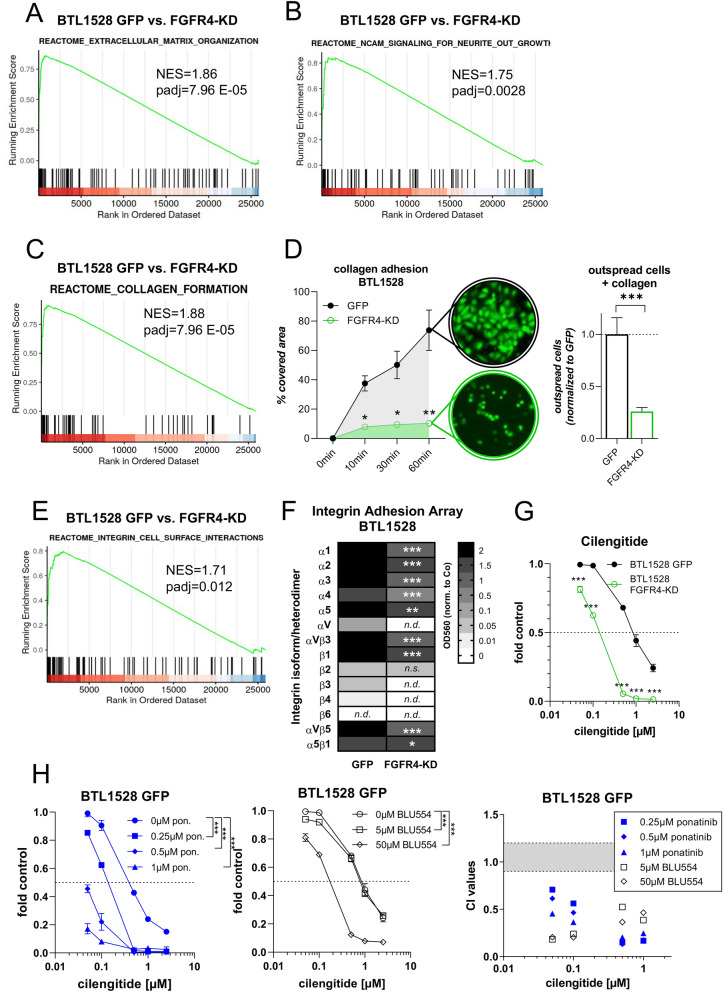
Glioblastoma (GBM) is characterized by a particularly invasive phenotype, supported by oncogenic signals from the fibroblast growth factor (FGF)/ FGF receptor (FGFR) network. However, a possible role of FGFR4 remained elusive so far. Several transcriptomic glioma datasets were analyzed. An extended panel of primary surgical specimen-derived and immortalized GBM (stem)cell models and original tumor tissues were screened for FGFR4 expression. GBM models engineered for wild-type and dominant-negative FGFR4 overexpression were investigated regarding aggressiveness and xenograft formation. Gene set enrichment analyses of FGFR4-modulated GBM models were compared to patient-derived datasets. Despite widely absent in adult brain, FGFR4 mRNA was distinctly expressed in embryonic neural stem cells and significantly upregulated in glioblastoma. Pronounced FGFR4 overexpression defined a distinct GBM patient subgroup with dismal prognosis. Expression levels of FGFR4 and its specific ligands FGF19/FGF23 correlated both in vitro and in vivo and were progressively upregulated in the vast majority of recurrent tumors. Based on overexpression/blockade experiments in respective GBM models, a central pro-oncogenic function of FGFR4 concerning viability, adhesion, migration, and clonogenicity was identified. Expression of dominant-negative FGFR4 resulted in diminished (subcutaneous) or blocked (orthotopic) GBM xenograft formation in the mouse and reduced invasiveness in zebrafish xenotransplantation models. In vitro and in vivo data consistently revealed distinct FGFR4 and integrin/extracellular matrix interactions. Accordingly, FGFR4 blockade profoundly sensitized FGFR4-overexpressing GBM models towards integrin/focal adhesion kinase inhibitors. Collectively, FGFR4 overexpression contributes to the malignant phenotype of a highly aggressive GBM subgroup and is associated with integrin-related therapeutic vulnerabilities.
胶质母细胞瘤(GBM)的一个特点是侵袭性表型特别强,这得益于成纤维细胞生长因子(FGF)/成纤维细胞生长因子受体(FGFR)网络的致癌信号。然而,FGFR4 的可能作用迄今仍不明确。分析了几个转录组学的胶质瘤数据集。对原代手术标本衍生的和永生化的 GBM(干细胞)细胞模型以及原始肿瘤组织进行了扩展面板筛选,以检测 FGFR4 的表达。对野生型和显性负 FGFR4 过表达的 GBM 模型进行了研究,以研究其侵袭性和异种移植物形成。FGFR4 调节的 GBM 模型的基因集富集分析与患者衍生的数据集进行了比较。尽管在成人脑中广泛不存在,但 FGFR4 mRNA 在胚胎神经干细胞中明显表达,并在胶质母细胞瘤中显著上调。明显的 FGFR4 过表达定义了一个具有不良预后的独特 GBM 患者亚组。FGFR4 及其特定配体 FGF19/FGF23 的表达水平在体外和体内均相关,并在绝大多数复发性肿瘤中逐渐上调。基于相应 GBM 模型中的过表达/阻断实验,鉴定了 FGFR4 关于活力、粘附、迁移和克隆形成的中心原癌功能。表达显性负 FGFR4 导致在小鼠中减少(皮下)或阻断(原位)GBM 异种移植物形成,并减少斑马鱼异种移植模型中的侵袭性。体外和体内数据一致揭示了 FGFR4 和整合素/细胞外基质相互作用的独特性。相应地,FGFR4 阻断剂显著增强了 FGFR4 过表达的 GBM 模型对整合素/粘着斑激酶抑制剂的敏感性。总的来说,FGFR4 过表达有助于高度侵袭性 GBM 亚组的恶性表型,并与整合素相关的治疗弱点有关。