Department of Peritoneal Cancer Surgery, Beijing Shijitan Hospital, Peking University Ninth School of Clinical Medicine, No. 10 Tieyi Road, Yangfangdian Street, Haidian District, Beijing, 100038, China.
Department of Peritoneal Cancer Surgery, Beijing Shijitan Hospital, Capital Medical University, Beijing, China.
World J Surg Oncol. 2022 Apr 30;20(1):141. doi: 10.1186/s12957-022-02604-3.
This review systematically summarizes gene biology features and protein structure of nucleoplasmin2 (NPM2) and the relationship between NPM2 and malignant peritoneal mesothelioma (MPM), in order to explore the molecular pathological mechanism of MPM and explore new therapeutic targets.
NCBI PubMed database was used for the literature search. NCBI Gene and Protein databases, Ensembl Genome Browser, UniProt, and RCSB PDB database were used for gene and protein review. Three online tools (Consurf, DoGSiteScorer, and ZdockServer), the GEPIA database, and the Cancer Genome Atlas were used to analyze bioinformatics characteristics for NPM2 protein.
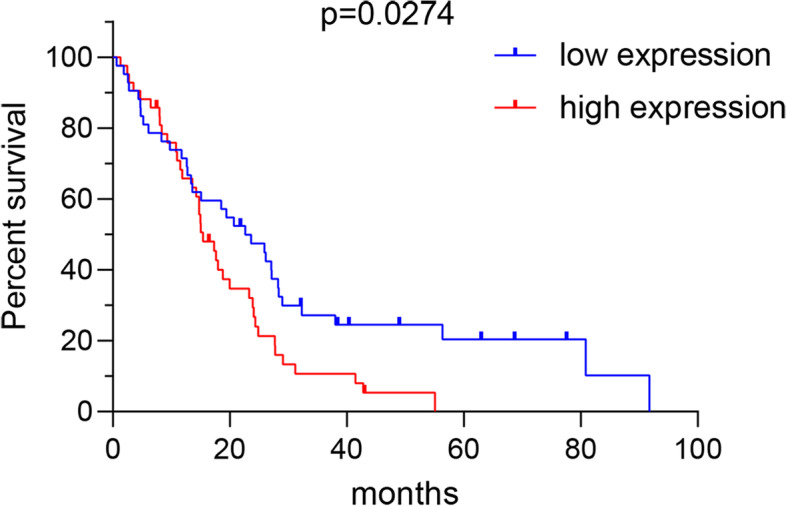
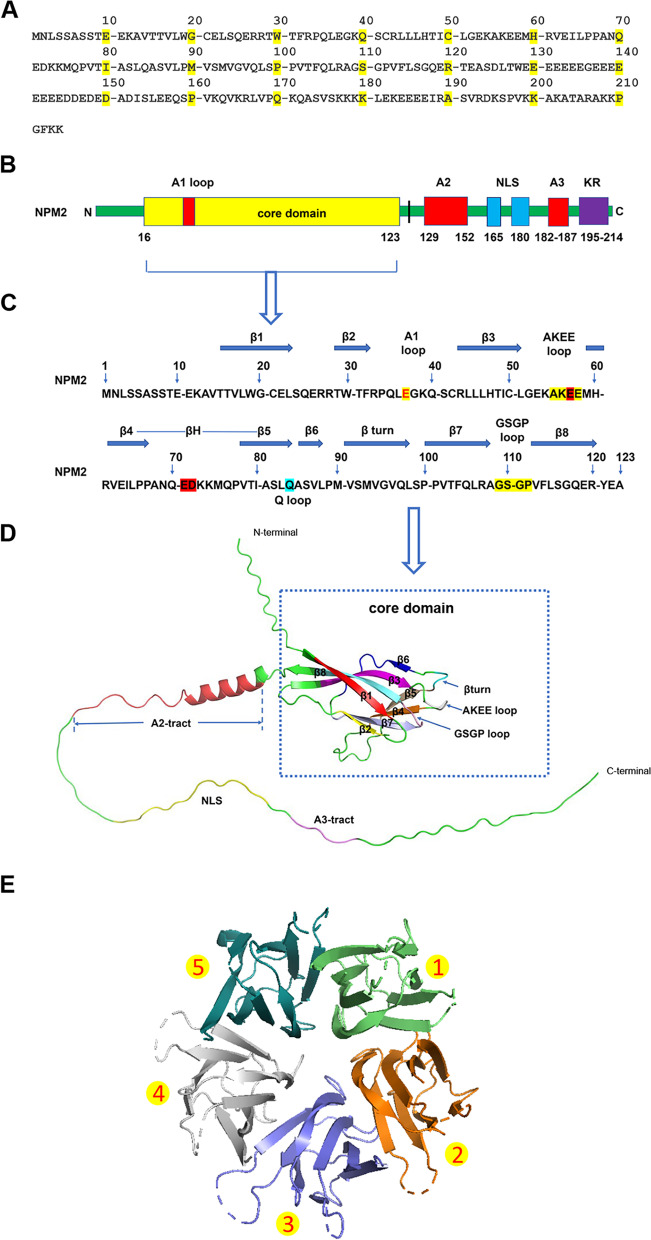
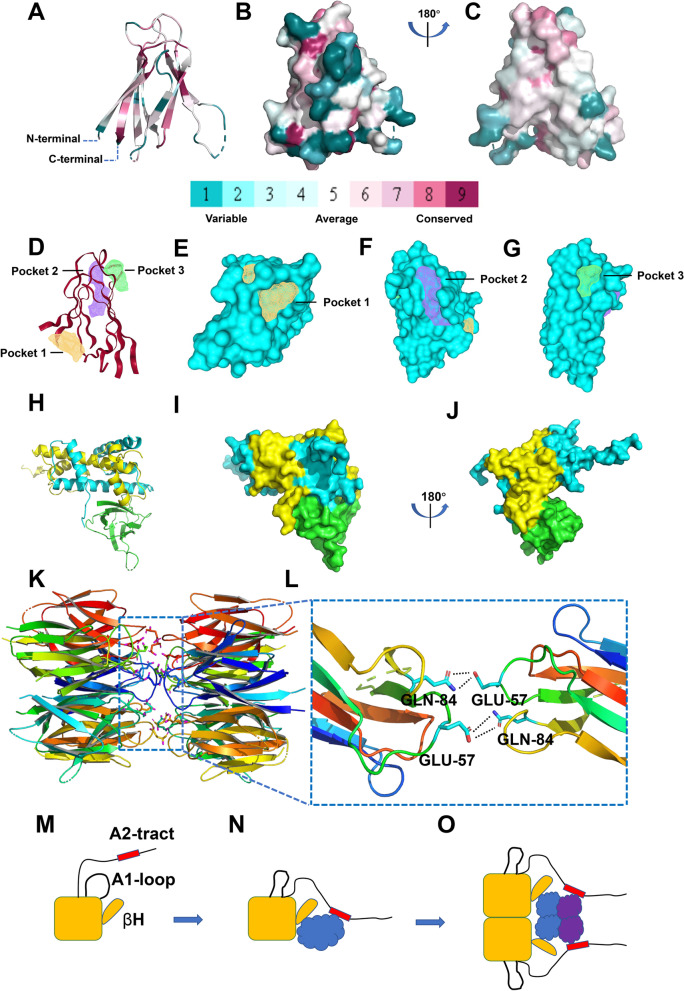
The main structural domains of NPM2 protein include the N-terminal core region, acidic region, and motif and disordered region. The N-terminal core region, involved in histone binding, is the most conserved domain in the nucleoplasmin (NPM) family. NPM2 with a large acidic tract in its C-terminal tail (NPM2-A2) is able to bind histones and form large complexes. Bioinformatics results indicated that NPM2 expression was correlated with the pathology of multiple tumors. Among mesothelioma patients, 5-year survival of patients with low-NPM2-expression was significantly higher than that of the high-NPM2-expression patients. NPM2 can facilitate the formation of histone deacetylation. NPM2 may promote histone deacetylation and inhibit the related-gene transcription, thus leading to abnormal proliferation, invasion, and metastasis of MPM.
NPM2 may play a key role in the development and progression of MPM.
本综述系统总结核仁素 2(NPM2)的基因生物学特征和蛋白质结构,以及 NPM2 与恶性腹膜间皮瘤(MPM)的关系,旨在探讨 MPM 的分子病理机制,探索新的治疗靶点。
使用 NCBI PubMed 数据库进行文献检索。使用 NCBI Gene 和 Protein 数据库、Ensembl 基因组浏览器、UniProt 和 RCSB PDB 数据库进行基因和蛋白质综述。使用三个在线工具(Consurf、DoGSiteScorer 和 ZdockServer)、GEPIA 数据库和癌症基因组图谱分析 NPM2 蛋白的生物信息学特征。
NPM2 蛋白的主要结构域包括 N 端核心区、酸性区、基序和无序区。参与与组蛋白结合的 N 端核心区是核仁素(NPM)家族中最保守的结构域。NPM2 的 C 端尾部有一个大的酸性片段(NPM2-A2),能够与组蛋白结合并形成大复合物。生物信息学结果表明,NPM2 的表达与多种肿瘤的病理相关。在间皮瘤患者中,NPM2 低表达患者的 5 年生存率明显高于 NPM2 高表达患者。NPM2 可以促进组蛋白去乙酰化。NPM2 可能通过促进组蛋白去乙酰化和抑制相关基因的转录,导致 MPM 的异常增殖、侵袭和转移。
NPM2 可能在 MPM 的发生和发展中起关键作用。