Horikoshi Satoshi, Takahashi Leo, Sueishi Kirara, Tanizawa Honoka, Serpone Nick
Department of Materials and Life Sciences, Faculty of Science and Technology, Sophia University 7-1 Kioicho, Chiyodaku Tokyo 102-8554 Japan
PhotoGreen Laboratory, Dipartimento di Chimica, Università di Pavia Via Taramelli 12 Pavia 27100 Italy
RSC Adv. 2021 Sep 24;11(50):31590-31600. doi: 10.1039/d1ra05977g. eCollection 2021 Sep 21.
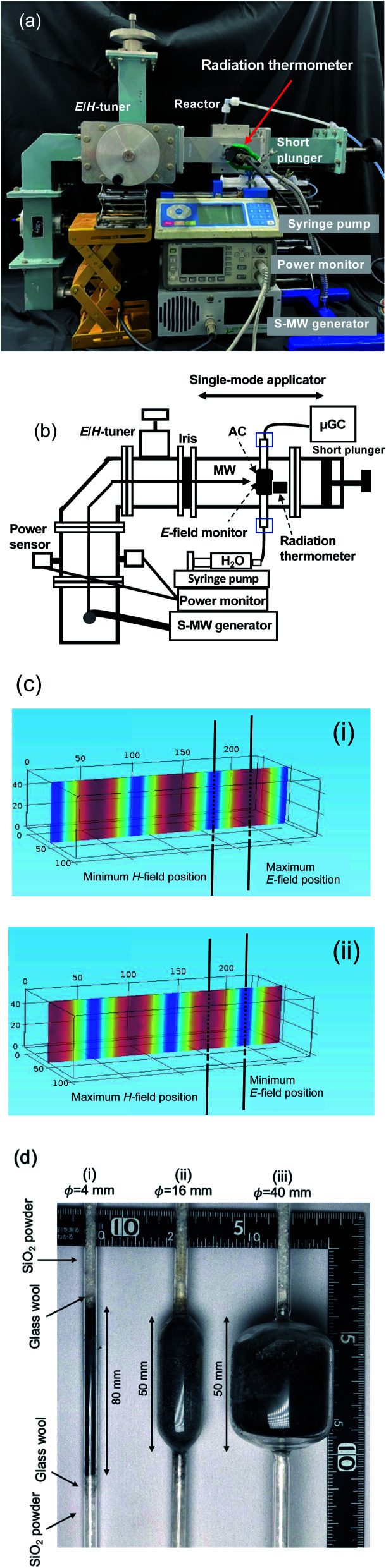
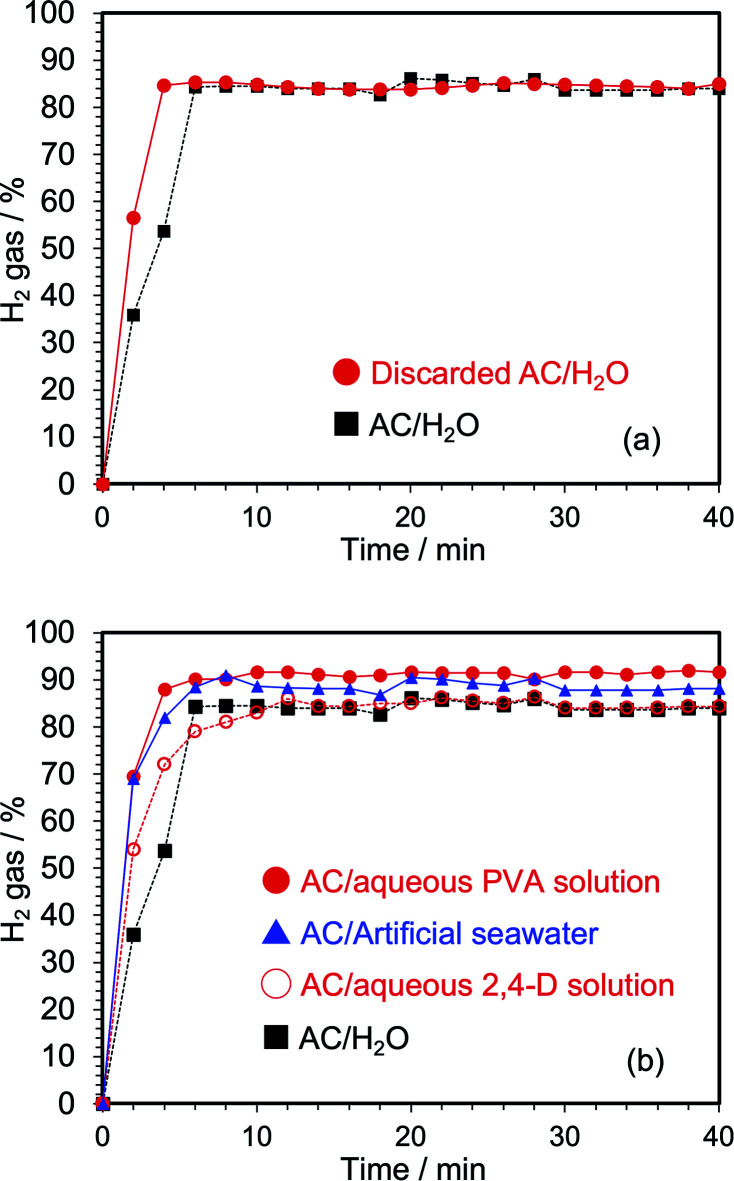
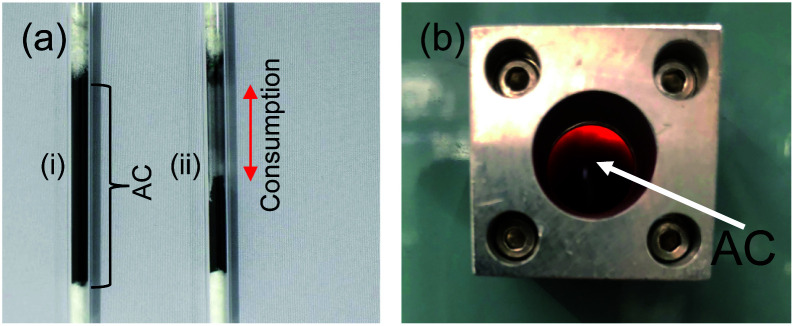
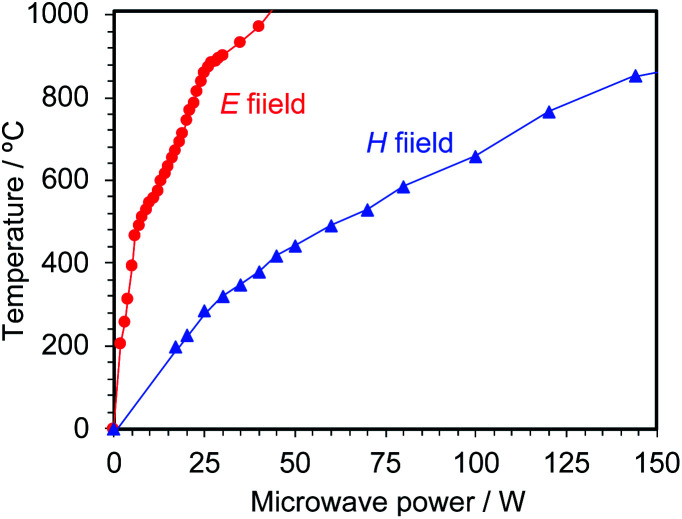
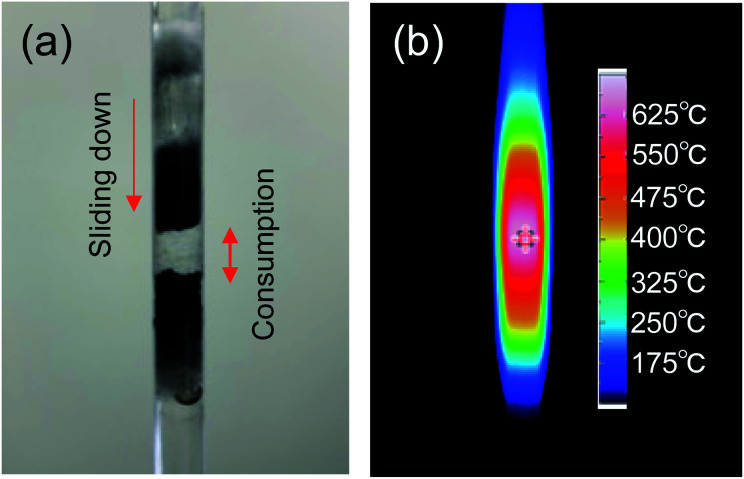
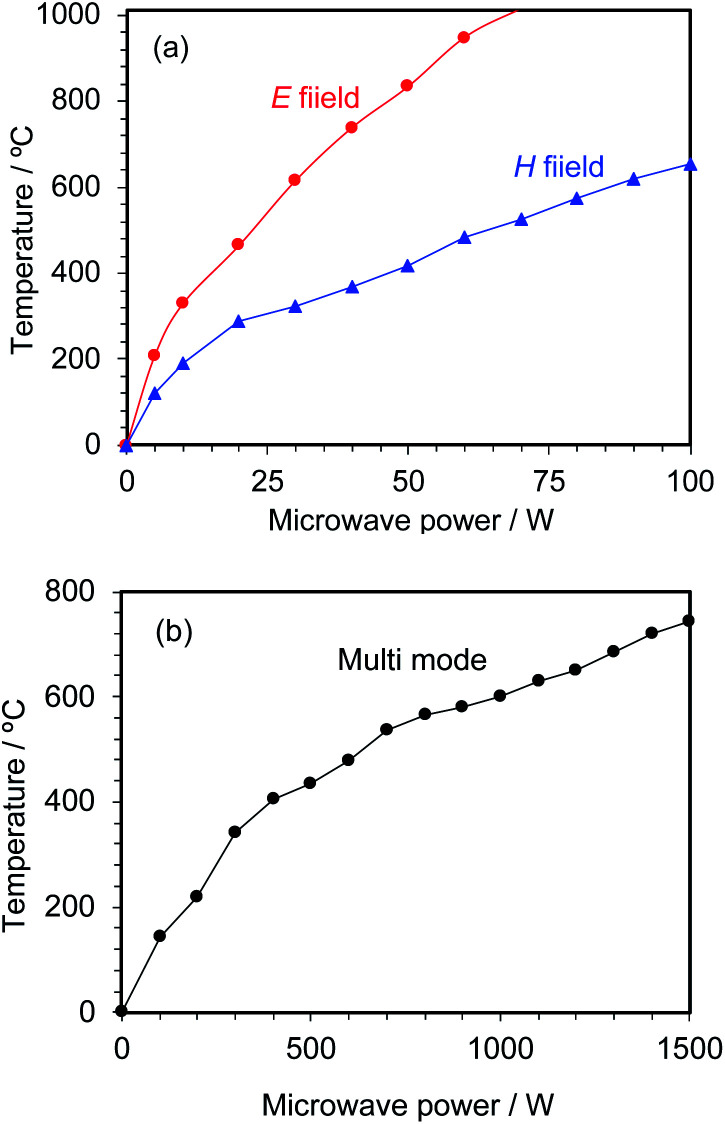
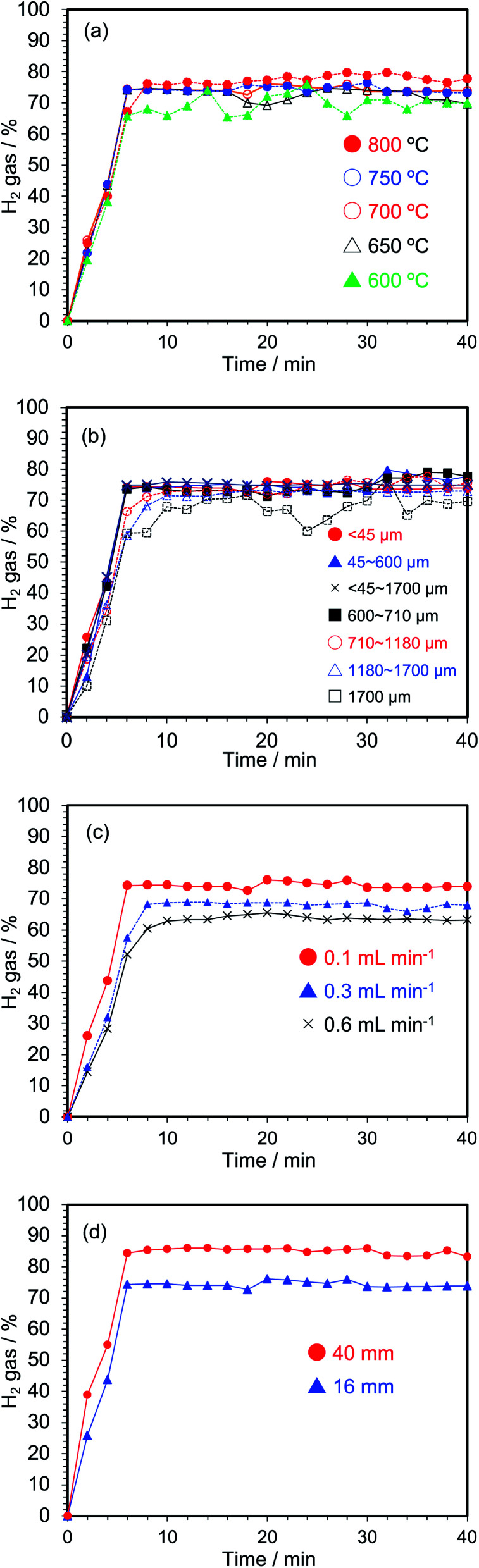
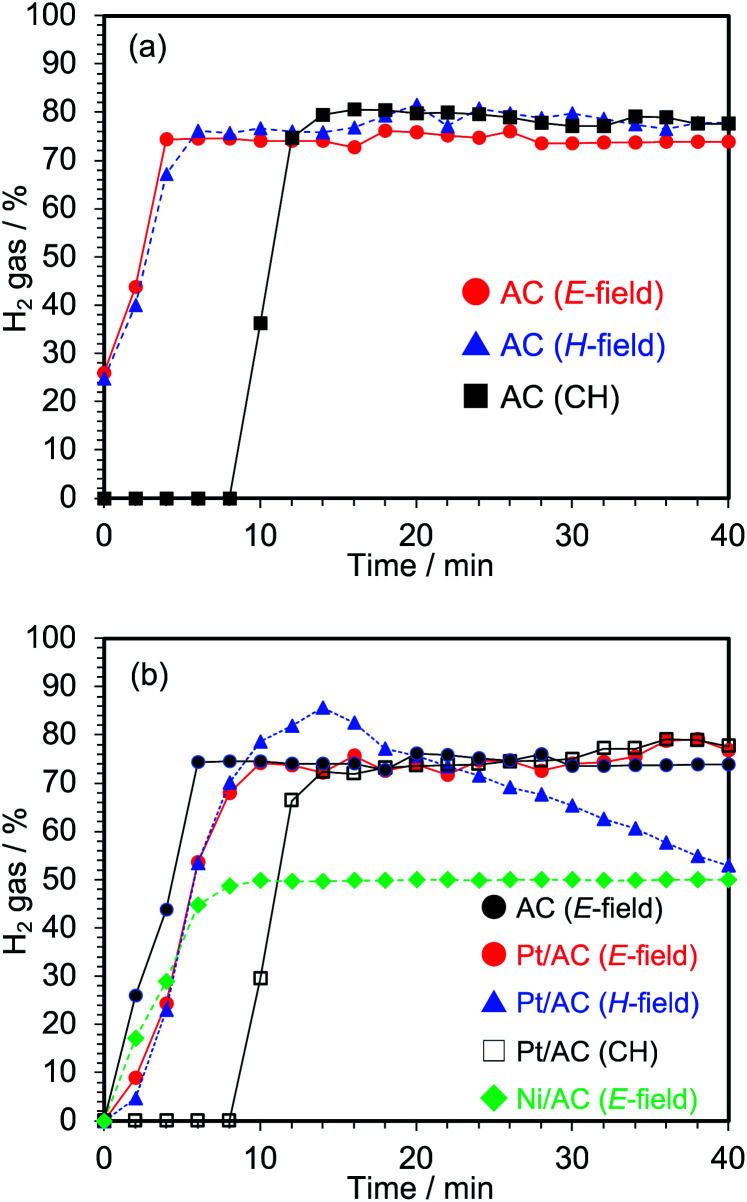
This article reports on low-temperature steam reforming and water-gas shift processes to generate hydrogen efficiently when water is passed through microwave-heated activated carbon (AC) particulates, in contrast to conventional steam reforming that is not particularly efficient at temperatures around 600 °C. The microwave-driven method performed efficiently at this temperature producing hydrogen with yields of 70% or more, as a result of the microscopic local microwave heating of the AC particulates. To the extent that the activated carbon is produced from plant biomass-related raw materials, the carbon dioxide produced is carbon neutral. Conditions for hydrogen generation were optimized with regard to the size of the AC particles, the water flow rate, and the size of the reactor. For practical applications of this microwave-based method, hydrogen was also generated efficiently with yields of 75-80% when using spent activated carbons (large size distribution) and model contaminated wastewaters and artificial seawater; significant energy was saved under the conditions used. The re-use of spent ACs eliminates the need for their disposal after being used in water and sewage treatments. In addition, the presence of any organic matter in wastewaters is also a likely effective source of hydrogen (yields, 75-85%). And not least, although generation of hydrogen from seawater is a difficult electrolytic process, the microwave method proved to be an attractive and efficient technology toward hydrogen generation from seawater with yields of 85 to 90%. Addition of Pt deposits on the activated carbon support, however, provided no advantages over pristine AC particulates.
本文报道了低温蒸汽重整和水煤气变换过程,当水通过微波加热的活性炭(AC)颗粒时,可高效产生氢气,这与传统蒸汽重整在600℃左右温度下效率不高形成对比。由于AC颗粒的微观局部微波加热,微波驱动方法在该温度下高效运行,产氢率达70%或更高。在由植物生物质相关原料生产活性炭的情况下,产生的二氧化碳是碳中性的。针对AC颗粒尺寸、水流速和反应器尺寸对制氢条件进行了优化。对于这种基于微波的方法的实际应用,当使用废活性炭(尺寸分布大)以及模拟受污染废水和人工海水时,产氢率也能高效达到75 - 80%;在所使用的条件下节省了大量能源。废AC的再利用消除了其在用于水和污水处理后进行处置的需求。此外,废水中存在的任何有机物也可能是有效的氢源(产率为75 - 85%)。最后,虽然从海水中制氢是一个困难的电解过程,但微波方法被证明是一种有吸引力且高效的从海水中制氢的技术,产率为85%至90%。然而,在活性炭载体上添加铂沉积物相较于原始AC颗粒并无优势。